
When investing in a grand rattan cabinet, the true value lies in the synergy between its structural frame, weaving craftsmanship, and functional hardware. Because large-scale wardrobes endure significant weight and daily use, evaluating the construction quality and material characteristics before purchasing is essential to ensure long-term durability, stability, and a worthwhile return on your investment. In tropical climates like the Philippines, where high humidity and temperature fluctuations can affect natural materials, these quality checks become even more critical to prevent warping, sagging, or premature wear.
Inspect the Frame and Structural Stability
A grand cabinet requires a robust foundation to support its own weight and the items stored inside. Start by identifying the primary material used for the internal frame. High-quality cabinets typically utilize solid wood, heavy-duty engineered wood, or metal supports. You can verify this by reviewing the manufacturer’s product specifications or closely inspecting visible joints, back panels, and the underside of the unit.
Examine the joinery at the corners and load-bearing points. Look for reinforced corner blocks, dowels, or heavy-duty screws rather than simple staples or thin nails. If the cabinet features adjustable shelves or hanging rods, check the manufacturer’s specified weight capacity limits. A sturdy frame should not wobble or sway when gentle pressure is applied to the sides.
Products mentioned in this guide
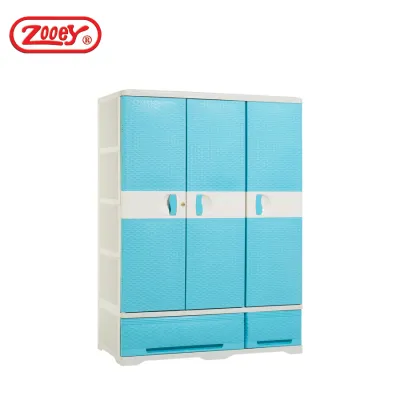


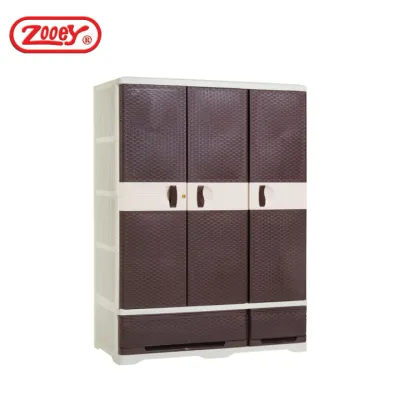
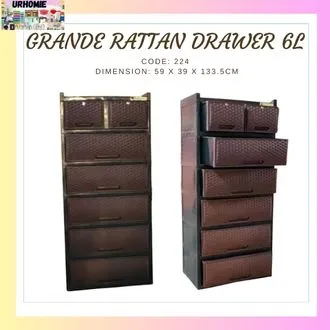

Prices are valid at publication and may change. Please refer to the product page for the latest price.
Because grand cabinets are tall and top-heavy, especially when fully loaded, safety is a paramount concern. Check whether the product includes a dedicated anti-tip kit or wall-anchoring hardware. High-quality manufacturers will explicitly state the necessity of wall anchoring in their installation manuals and provide the required brackets to secure the unit firmly to your wall.
Evaluate the Rattan Material and Weaving Quality
The quality of the rattan panels determines both the visual appeal and the longevity of the cabinet. First, review the manufacturer’s labels to confirm the exact material type. Natural rattan offers a classic, organic texture but requires specific indoor care to prevent drying or cracking. Synthetic alternatives, such as polyethylene (PE) or synthetic resin, are often designed to mimic the look of natural fiber while offering different maintenance requirements.

Next, perform a close visual and tactile inspection of the woven panels. Run your hand gently over the surface to check the weaving tension. High-quality weaving should feel taut and uniform, with no noticeable sagging, loose strands, or gaps. Avoid panels with sharp, protruding fiber ends, as these can snag delicate clothing items like silk or knitwear stored inside the wardrobe.
Pay close attention to the edges and corners where the rattan meets the structural frame. The binding should be wrapped tightly and secured with flush fasteners or heavy-duty adhesive designed for furniture. Unsecured edges are prone to unraveling over time, especially with the friction of daily door opening and closing.
Check Hardware, Doors, and Moving Parts
The moving parts of a grand cabinet endure the most wear and tear. Inspect the hinges on the doors and the slides on any drawers. High-quality cabinets often feature soft-close hinges and full-extension drawer slides that prevent slamming and reduce strain on the frame. Look for specifications indicating rust-resistant finishes, which are essential for maintaining smooth operation in humid environments.
Check the alignment of the doors when they are fully closed. The gaps between the doors and the frame should be consistent and narrow. Misaligned doors often indicate poor quality control or a warped frame. Additionally, test the sturdiness of the handles or pulls; they should be bolted securely through the door frame rather than simply screwed into the woven rattan panel.
Ensure that the hardware is rated to support the weight of the doors. Grand cabinet doors can be heavy, particularly if they combine solid wood frames with thick rattan weaving or glass inserts. Heavy-duty, adjustable hinges allow you to fine-tune the door alignment over time as the cabinet settles.
Verify Dimensions, Clearance, and Assembly Requirements
Before finalizing your purchase, you must ensure the cabinet can physically enter and fit your home. Measure your delivery pathway carefully, including the height and width of stairwells, elevator doors, hallways, and the entry door to the bedroom. Compare these measurements against the packaged dimensions provided by the retailer to prevent delivery failures.
Evaluate the internal storage layout to confirm it aligns with your organization needs. Check the height of the hanging rods, the depth of the drawers, and whether the shelves are adjustable. A versatile internal system allows you to customize the space for different clothing lengths and storage boxes.
Finally, consider the assembly and installation conditions. Ensure your floor is level, as uneven surfaces can cause doors to misalign and strain the frame. Verify the clearance required for the doors to swing open fully without hitting nearby walls or furniture. Always follow the manufacturer’s instructions regarding mandatory wall-anchoring to guarantee a safe setup.
Frequently Asked Questions (FAQ)
How do I clean and maintain natural rattan wardrobe panels?
To keep natural rattan looking its best, establish a regular, gentle cleaning routine. Dust the woven panels weekly using a soft-bristled brush or the upholstery attachment of a vacuum cleaner to remove dust from the crevices. For deeper cleaning, wipe the panels with a soft cloth slightly dampened with mild, soapy water, ensuring the cloth is not dripping wet.
Avoid using harsh chemical cleaners, abrasive scrubs, or excessive water, as these can damage the natural fibers and cause warping. Keep the cabinet away from direct, prolonged sunlight and heat sources, which can dry out the rattan and lead to cracking.
Always refer to the manufacturer’s specific care label before applying any conditioning oils, waxes, or protective coatings, as some finishes may react poorly with certain products.
Is a synthetic rattan cabinet better for humid bedrooms?
When deciding between natural and synthetic rattan for a humid bedroom, start by checking the manufacturer’s environmental specifications. Synthetic rattan, typically made from polyethylene, is highly resistant to moisture and is less likely to support mold growth compared to untreated natural fibers.
However, regardless of the weave material, the overall durability depends heavily on the internal frame and room conditions. Ensure your bedroom has adequate ventilation and moisture control, such as using a dehumidifier or maintaining good airflow, to protect both the cabinet frame and your stored clothing.
Verify that the frame material—whether solid wood, engineered wood, or metal—has been treated with moisture-resistant finishes or rust-resistant coatings to withstand high humidity levels over time.
Community discussion
Share your experience or ask a question. Comments are reviewed before publication.