
Selecting a 120cm sofa for a compact living room requires a thoughtful balance of physical dimensions and aesthetic harmony. In small urban homes, every square centimeter of floor space must be utilized efficiently without making the room feel cramped or visually heavy. The Japandi design style—a fusion of Japanese minimalism and Scandinavian warmth—offers an ideal framework for small-space living, emphasizing clean lines, natural materials, and functional simplicity. To find a suitable sofa, you must look beyond the basic width and carefully evaluate depth, leg height, fabric breathability, and structural integrity.
By focusing on how the sofa interacts with both the physical layout of your room and the ambient light, you can create a serene, uncluttered environment. A 120cm sofa, often classified as a compact loveseat, serves as an excellent focal point that provides comfortable seating without overwhelming a limited floor plan. Achieving this balance involves verifying manufacturer specifications, understanding how different materials behave in tropical climates, and planning for seamless delivery and assembly.
Spatial Planning and Clearance for a 120cm Sofa
Before purchasing a 120cm sofa, it is essential to map out its physical footprint within your living room. While 120cm represents the outer width, you must also account for the sofa’s depth, which typically ranges from 70cm to 90cm. Use masking tape or newspaper sheets to outline these exact dimensions on your floor, allowing you to visualize how much space the piece will occupy. Ensure there is a clear walking path of at least 60cm to 75cm between the front of the sofa and any facing furniture, such as a coffee table or television console, to prevent awkward navigation.
Products mentioned in this guide
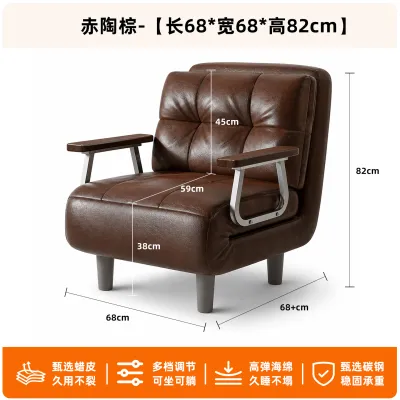
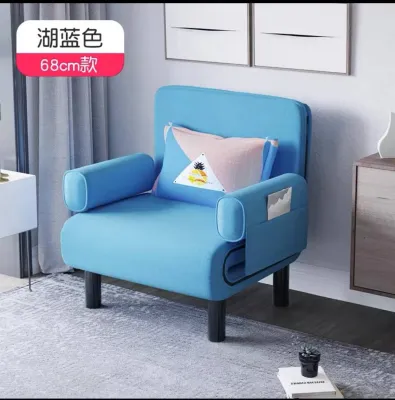

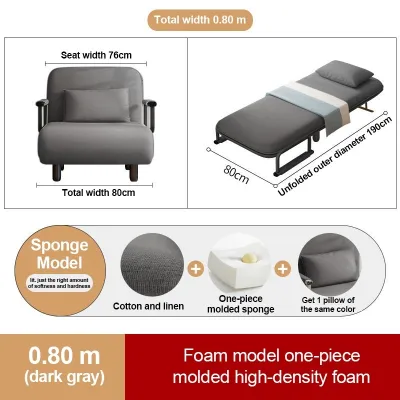
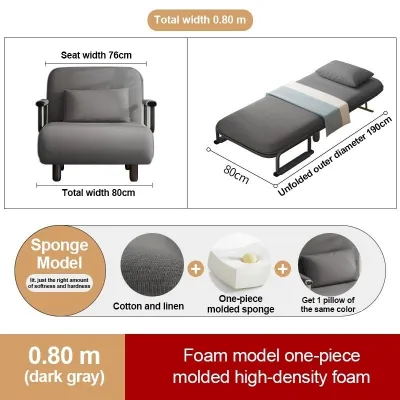
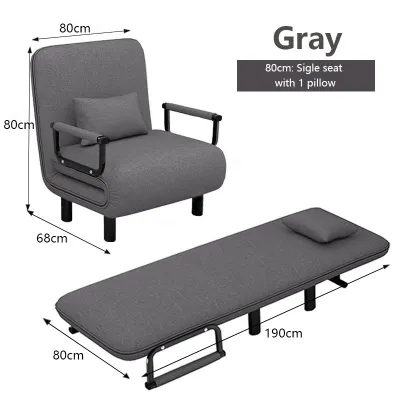
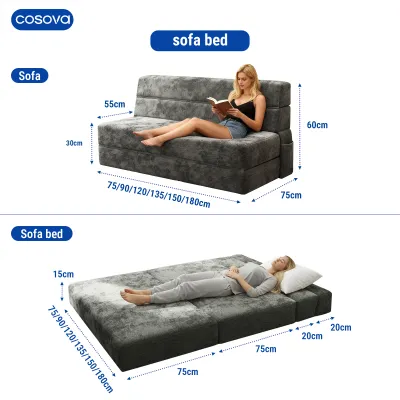
Prices are valid at publication and may change. Please refer to the product page for the latest price.
Delivery access is another critical factor that is frequently overlooked when furnishing small spaces, particularly in high-rise condominiums or tight townhouse developments in the Philippines. Measure the height and width of all entry points, including elevator doors, stairwell turns, and your apartment’s main doorway. Compare these measurements against the sofa’s packaged dimensions, which are often larger than the assembled piece. If your building has tight corridors, look for sofas with removable legs or flat-pack designs that can be assembled directly inside your living room to avoid delivery complications.
The visual weight of the sofa plays a significant role in how spacious your living room feels. In Japandi design, maintaining an airy, uncluttered atmosphere is key, which is why sofas with raised legs are highly recommended. A sofa elevated 15cm to 20cm off the ground allows light to flow underneath, creating an illusion of openness and making the room feel larger than it is. Additionally, this elevated design facilitates easier cleaning, allowing vacuum cleaners or sweeping tools to reach underneath without requiring you to move heavy furniture.
Aligning Materials and Textures with Japandi Principles
Japandi style relies heavily on tactile, organic textures that bring warmth and comfort to a minimalist aesthetic. When selecting upholstery for a 120cm sofa, prioritize natural or blended fabrics such as linen, cotton, or textured flat-weaves. Because the climate in the Philippines is characterized by high humidity and warm temperatures, these breathable fabrics are far more comfortable than synthetic leather or heavy velvet, which can feel sticky or trap heat. Always check the manufacturer’s fabric composition and care labels to ensure the material is suited to your household’s daily use.

The wooden frame and accents of the sofa should reflect the natural, understated beauty of Japanese and Scandinavian woodwork. Look for frames made from light to medium-toned woods, such as rubberwood, ash, or oak, which feature visible grain patterns. Avoid heavy, dark varnishes or high-gloss finishes that obscure the wood’s natural texture. Instead, opt for matte or satin protective coatings that shield the wood from moisture while preserving its organic appearance and tactile quality.
To maintain a cohesive Japandi color palette, choose neutral, earthy tones that promote a sense of calm and tranquility. Soft beige, cream, oatmeal, muted gray, and gentle olive green are excellent choices that complement natural wood tones beautifully. Avoid overly bright, saturated colors or busy patterns that can visually clutter a small room. If you wish to add contrast, do so sparingly through textured accent pillows or a simple throw blanket made from natural fibers.
Prioritizing Comfort and Structural Support in Compact Designs
A compact 120cm sofa must still deliver reliable comfort and ergonomic support, which requires careful inspection of its internal specifications. Pay close attention to the seat depth and backrest height; a seat depth of 50cm to 55cm is generally ideal for small sofas, providing enough space to sit comfortably without requiring bulky accent cushions. The backrest should offer adequate lumbar support, ensuring that the sofa remains comfortable for extended periods of sitting, whether you are working from home or relaxing.
Investigate the cushion filling and frame construction details provided by the manufacturer to assess the sofa’s durability. High-density polyurethane foam cores wrapped in a softer polyester fiber layer offer a supportive yet comfortable seat that retains its shape over time. For the frame, look for solid wood construction with reinforced joinery, such as corner blocks or wooden dowels. Avoid frames held together solely by glue and staples, as these are more prone to loosening and squeaking under regular use.
Finally, verify the manufacturer’s stated weight capacity and warranty terms before making your purchase. A well-constructed 120cm sofa should easily support the weight of two average adults, but checking the official weight limit provides peace of mind regarding its structural integrity. Reviewing the warranty details helps you understand the coverage for frame defects or cushion degradation, ensuring that your investment is protected against premature wear.
Common Sizing and Styling Mistakes to Avoid
One of the most frequent mistakes when styling a small living room is failing to preserve negative space around the furniture. Squeezing a 120cm sofa tightly between a corner wall and a large storage cabinet can make the entire room feel cramped and restricted. Leave at least 10cm to 15cm of open space on either side of the sofa to allow the design to “breathe” and to maintain the clean, minimalist lines characteristic of the Japandi aesthetic.
Another common pitfall is choosing a sofa with excessively bulky armrests or overstuffed cushions. While these designs may look cozy, wide armrests can easily consume 20cm to 30cm of the sofa’s total 120cm width, leaving very little actual seating space. For a small room, prioritize sofas with slim track arms, low-profile cushions, or even armless designs. This maximizes the usable seating area while keeping the overall silhouette sleek and visually lightweight.
Lastly, never assume that a sofa labeled “120cm” will fit properly without verifying the absolute outer dimensions. Some designs feature legs that flare outward or backrests that recline at an angle, extending beyond the base footprint. Always request a detailed dimension diagram from the retailer that shows the maximum width, depth, and height from the outermost points. This ensures that the sofa will fit precisely within your planned layout without blocking walkways or overlapping with electrical outlets.
Frequently Asked Questions (FAQ)
Can a 120cm sofa comfortably seat two adults?
A 120cm sofa is generally classified as a compact loveseat or a two-seater, meaning it can accommodate two adults, though the seating experience will be quite close and intimate. To determine if it offers enough space for your needs, check the inner seat width specification, which excludes the armrests. If the armrests are wide, the actual seating area may be limited, making it highly comfortable for one person to lounge or suitable for two people who do not mind sitting close together.
How do I clean natural fabric upholstery without damaging it?
To clean natural fabric upholstery safely, always refer to the manufacturer’s specific care label and cleaning codes. For routine maintenance, vacuum the sofa weekly using a soft brush attachment to remove dust and loose dirt, which can wear down fabric fibers over time. If a spill occurs, blot it immediately with a clean, dry white cloth to absorb the liquid; avoid rubbing the fabric or using harsh chemical cleaners, which can cause discoloration or damage the fibers.
What rug size works best under a 120cm sofa?
For a small living room featuring a 120cm sofa, a rug measuring approximately 120cm by 180cm or 150cm by 210cm is usually the most balanced choice. The rug should be slightly wider than the sofa to anchor the seating area visually and create a cohesive zone. To maintain a spacious and airy feel, place the front legs of the sofa on the rug while leaving the back legs off, ensuring a consistent border of exposed flooring remains visible around the room.
Community discussion
Share your experience or ask a question. Comments are reviewed before publication.