
Choosing a 3-5 seater space saver sofa for a small Philippine condominium requires balancing maximum seating capacity with a compact physical footprint. To achieve this, you must prioritize streamlined profiles, modular configurations, or corner-utilizing designs that eliminate unnecessary bulk while leaving adequate room for daily movement. Before making a purchase, verifying your condo’s specific spatial limits and delivery pathways is essential to ensure the furniture fits both your living room and the journey to your front door.
Assessing Your Condo Space and Delivery Constraints
Before browsing online marketplaces or visiting furniture showrooms, you must establish the precise physical boundaries of your living room. Start by measuring the available floor area where the sofa will sit, keeping in mind that a functional room requires clear pathways. You should aim to leave at least 60 to 75 centimeters of walkway clearance between the edge of the sofa and other major elements, such as television consoles, dining tables, or the entryway to your balcony.
Delivery access is one of the most overlooked constraints when purchasing large furniture for high-rise developments. You must measure the height, width, and depth of your building’s service elevator, as well as the clearance of any tight turns in the emergency stairwells. If a sofa cannot physically fit into the elevator or clear the stairwell landings, delivery teams will not be able to bring it to your floor.
Products mentioned in this guide
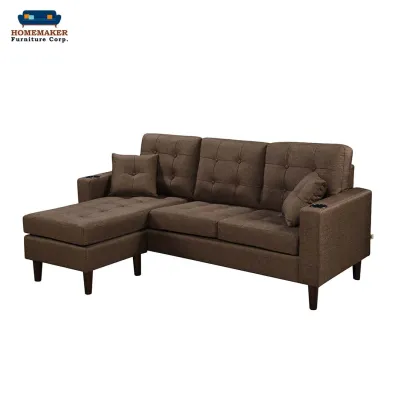
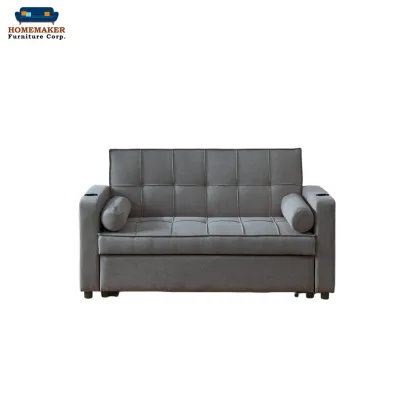
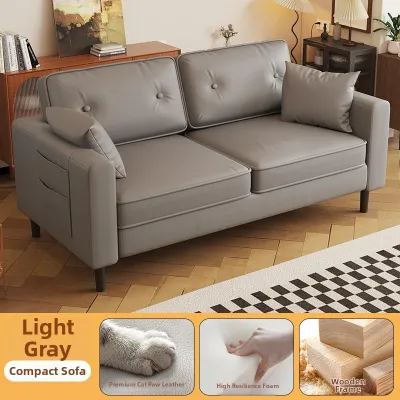
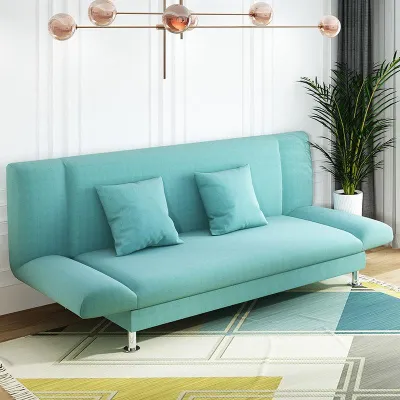
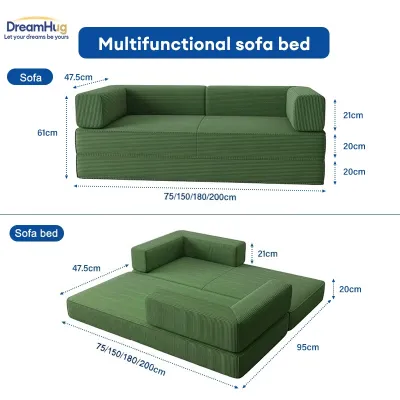
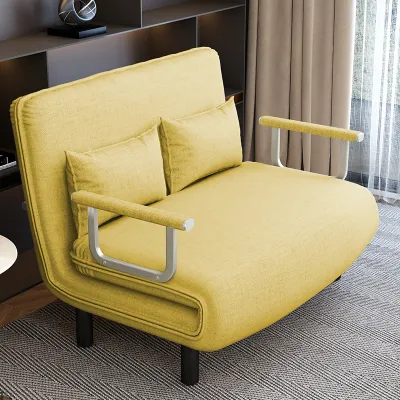
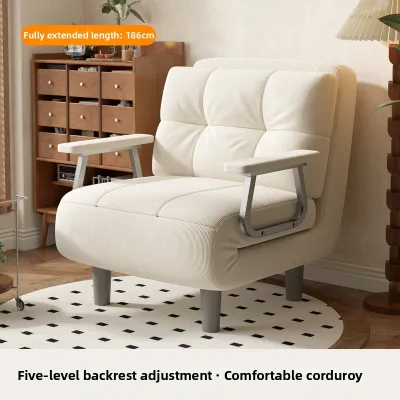
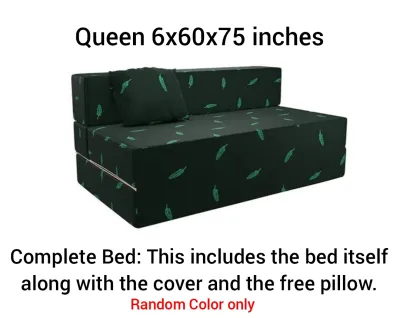
Prices are valid at publication and may change. Please refer to the product page for the latest price.
Once inside your hallway, the unit’s main door width and height present the final physical barrier. Measure this opening carefully, noting how far the door can swing open, as well as any narrow corridors immediately inside the entrance. A sofa with a high backrest or non-removable legs may become wedged in a tight entryway, resulting in a costly and frustrating return process.
Finally, map out the specific wall lengths and corner spaces in your living area. Note the locations of electrical outlets, light switches, baseboard heaters, and low-hanging air conditioning units. Knowing these exact positions helps you determine whether a straight sofa or an L-shaped configuration will integrate seamlessly into the room without blocking essential utilities or window views.
Types of Space-Saver Sofas for 3 to 5 People
Maximizing seating for a larger household in a compact condo means moving away from traditional, bulky three-piece sofa sets. Modern space-saving designs use clever geometry, multi-functional frames, and streamlined silhouettes to provide ample seating for three to five people without overwhelming a limited floor plan.

L-Shaped and Sectional Configurations
L-shaped sofas and sectionals are highly efficient because they utilize corner spaces that often go unused in standard room layouts. By tucking the corner or chaise portion of the sofa into a corner, you consolidate your seating into a single footprint and free up the center of the living room for traffic flow.
When selecting an L-shaped configuration, you must verify whether the piece is Left-Arm Facing (LAF) or Right-Arm Facing (RAF). Stand directly in front of the sofa to determine which side the chaise extends from, ensuring it aligns with your room’s layout. Choosing the wrong orientation can block the pathway to your balcony or clash with your television console setup.
Modular and Armless Designs
Armless sofas eliminate the wide, padded armrests that can add 20 to 40 centimeters of useless width to a standard couch. By removing these outer boundaries, you maximize the actual seating surface area, allowing more people to sit comfortably without increasing the sofa’s overall physical width.
Modular designs consist of individual chairs or sections that can be rearranged at a moment’s notice. You can keep the modules pushed together to form a large family couch, or separate them into individual seats when hosting guests to facilitate conversation. This flexibility is invaluable in a dynamic condo environment where space must adapt to different activities.
Convertible and Storage-Integrated Sofas
In a small condo, furniture must often perform double duty to justify its footprint. Convertible sofas, such as sofa beds or futons, easily transition from day seating to night sleeping surfaces, allowing your living room to serve as an occasional guest room without requiring a dedicated spare bedroom.
Storage-integrated sofas feature hidden compartments beneath the seat cushions or chaise lounge. This built-in storage is an excellent place to tuck away extra linens, pillows, or seasonal items, reducing the need for bulky storage cabinets or chests of drawers elsewhere in your living space.
Key Dimensions and Proportions to Check
Do not rely on visual estimates in a spacious showroom, as high ceilings and open layouts make furniture look much smaller than it actually is. Always compare the manufacturer’s specified overall width, depth, and height against your measured room dimensions. A sofa that is too deep can swallow up the entire living room, leaving no space for a coffee table or footrest.
Evaluate the seat depth and cushion density to ensure comfort without excessive bulk. For small spaces, a shallower seat depth of around 50 to 55 centimeters keeps the overall footprint compact while still providing comfortable support. High-density foam cushions maintain their shape and support over time, preventing the sofa from sagging and looking worn out.
Check the leg height and base clearance of the sofa. Sofas with exposed legs that sit higher off the floor create a sense of openness because they allow light and sightlines to pass underneath. This visual trick makes the room feel larger and also allows for easy cleaning with a broom, mop, or robotic vacuum cleaner.
Material and Maintenance Considerations for Compact Living
The tropical climate of the Philippines brings high humidity, which can affect furniture materials over time. Look for upholstery fabrics that resist moisture, spills, and daily wear. Synthetic blends, treated polyesters, or performance fabrics are often easier to clean and maintain in humid conditions; always check the manufacturer’s care label for specific cleaning instructions.
Evaluate the frame stability and weight limits, especially if you choose a convertible or modular piece that will be moved or adjusted frequently. Solid wood or reinforced metal frames offer better longevity and safety. Avoid frames made of low-grade particleboard, which can warp or degrade quickly in humid environments.
Plan a routine cleaning schedule based on your chosen material’s specific requirements. Removable, washable cushion covers are highly practical for small spaces where the sofa is used for dining, working, and relaxing. Regular vacuuming and prompt spot-cleaning will keep your space-saver sofa looking fresh and extend its lifespan.
Your Final Selection Checklist
Before making your final purchase, run through this verification list to ensure all spatial, functional, and logistical requirements are met:
- Measurements: Double-check the sofa's dimensions against your living room floor plan and ensure at least 60 centimeters of walkway clearance.
- Delivery Access: Confirm the sofa can fit through the condo elevator, stairwells, and your unit's front door.
- Seating Capacity: Ensure the configuration comfortably seats 3 to 5 people without blocking natural light or doorways.
- Retailer Terms: Verify the warranty terms, return policies, and whether assembly is included or required upon delivery.
Frequently Asked Questions (FAQ)
Can a 5-seater sofa fit in a studio-type condo?
Yes, a 5-seater sofa can fit in a studio-type condo if you choose a low-profile, armless, or modular design. By selecting a configuration without bulky armrests and placing it against the longest wall or in a corner, you can maximize seating without overwhelming the single-room layout. Be sure to measure the available wall space precisely and choose a light color to keep the room feeling open.
How do I prevent a large sofa from making my small living room look cramped?
To prevent a large sofa from dominating a small living room, choose a model with exposed legs that raise the base off the floor, allowing light to pass underneath. Opt for light-colored upholstery, such as beige, light gray, or pastel tones, and avoid overstuffed, bulky cushions. Keeping the backrest low-profile also helps maintain clear sightlines across the room.
Community discussion
Share your experience or ask a question. Comments are reviewed before publication.