
Finding the right 3-layer bedside table with built-in charging ports in the Philippines requires balancing storage, electrical safety, and space constraints. A three-tier design offers the ideal middle ground between compact vertical storage and easy accessibility, while integrated power strips eliminate the clutter of tangled extension cords. To make a smart purchase on local e-commerce platforms, you must look beyond aesthetic appeal and focus on structural stability, verified electrical safety, and material durability suited for tropical climates.
A well-chosen nightstand does more than just hold a lamp; it serves as the central hub for your nighttime routine. By keeping your smartphone, tablet, and other essential devices fully charged and within arm’s reach, you can create a more organized and relaxing sleeping environment. However, because these furniture pieces combine electrical components with wooden or composite structures, selecting a model requires careful attention to safety standards and material quality.
Core Selection Criteria for 3-Tier Nightstands
The structural layout of a three-layer bedside table dictates how effectively you can organize your personal belongings. When evaluating different models, consider the vertical spacing between each shelf. A generous distance between the middle and bottom shelves allows you to store taller items, such as books, a tissue box, or a small bedroom humidifier. Conversely, a shallower top shelf or drawer is perfect for smaller, frequently used items like eyeglasses, sleep masks, and charging cables.
Products mentioned in this guide
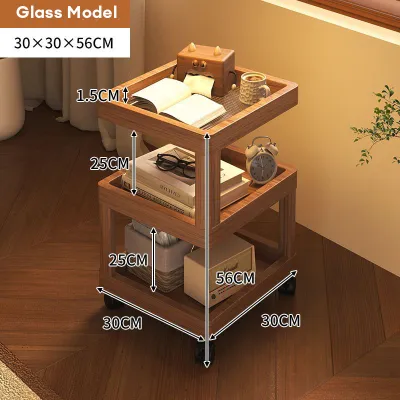

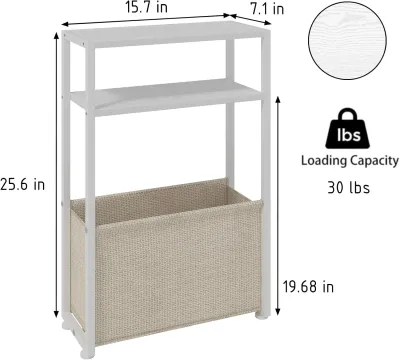

Prices are valid at publication and may change. Please refer to the product page for the latest price.
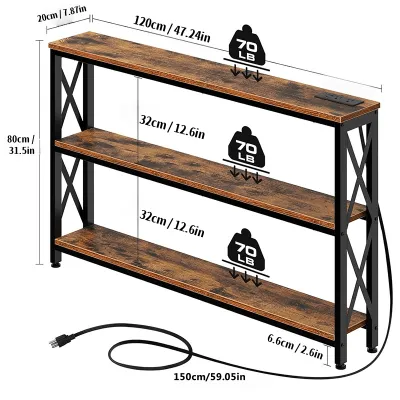
Weight capacity is another critical factor that directly impacts the longevity and safety of your furniture. Bedside tables are often subjected to more weight than expected, especially when loaded with heavy ceramic lamps, stacks of books, and multiple electronic devices. Always check the manufacturer’s specified weight limits for each individual tier. A high-quality nightstand should feature a robust frame that distributes weight evenly, preventing the shelves from sagging or bowing over time.
Stability is paramount, particularly in narrow bedroom layouts where furniture is easily bumped in the dark. Look for tables designed with a wide, stable base or sturdy legs that resist wobbling. Models featuring adjustable leveling feet are highly advantageous, as they allow you to compensate for uneven tiled or wooden floors common in many homes. If you have a particularly tall or lightweight table, consider whether the design allows for wall anchoring to eliminate the risk of accidental tipping.
The choice between drawers and open-shelf configurations depends on your personal storage needs and lifestyle. Drawers provide excellent privacy for personal items and protect your belongings from dust, which can accumulate rapidly in open-air or fan-cooled rooms. On the other hand, open shelves offer quick, unobstructed access to your items and create a lighter, more spacious visual effect in small bedrooms. A hybrid configuration, such as a single top drawer paired with two open lower shelves, often provides the most versatile balance of privacy and accessibility.
Evaluating Built-in Charging Ports and Electrical Safety
Integrating electrical outlets directly into wooden or composite furniture introduces specific safety considerations that must not be overlooked. When browsing online listings, prioritize models that feature power modules with verified safety certifications. Look for indicators of compliance with local electrical standards, such as the Philippine Standard (PS) mark or the Import Commodity Clearance (ICC) sticker, or recognized international safety certifications like UL, CE, or FCC. These markings indicate that the electrical components have undergone testing for heat resistance, insulation quality, and short-circuit protection.

The configuration of the charging port panel should match your current and future device needs. A versatile power strip typically includes a combination of traditional AC outlets, USB-A ports, and modern USB-C ports. USB-C ports are increasingly important as newer smartphones and tablets transition away from older USB-A cables. Additionally, pay close attention to the physical placement of the charging panel. Top-mounted panels offer convenient access but are highly vulnerable to dust accumulation and accidental liquid spills from bedside drinks. Side-mounted or recessed panels inside an open shelf provide a safer alternative by shielding the outlets from direct exposure.
Cord management is essential for keeping your bedroom neat and preventing electrical hazards. Examine the specifications of the main power cable that connects the nightstand to your wall outlet. This cable should be thick, heavy-duty, and well-insulated to handle the electrical load of multiple devices. Ensure the cable length is sufficient to reach your wall outlet comfortably without being stretched taut or pinched behind the bed frame. A cable length of 1.5 to 2 meters is generally sufficient for most standard bedroom layouts.
Be vigilant for warning signs of poor quality when evaluating budget-friendly models. Avoid listings that fail to provide clear electrical specifications, such as maximum wattage, voltage limits, or amperage ratings. Sockets that feel loose or lack internal safety shutters pose a risk of electrical arcing or accidental contact, especially in households with curious pets. Furthermore, ensure the power module features built-in surge protection to safeguard your expensive smartphones and tablets from sudden voltage fluctuations, which are common in many residential areas.
Sizing, Clearance, and Material Durability
A bedside table must fit seamlessly into your physical bedroom layout to be truly functional. Before making a purchase, measure the available clearance on either side of your bed. Ensure there is enough space to walk comfortably without bumping into the corners of the table. The height of the nightstand is equally important; it should ideally sit level with or slightly below the top of your mattress. This alignment allows you to reach your phone, water glass, or lamp switch naturally without straining your back or shoulders.
Consider the clearance required for any moving parts, such as drawers or cabinet doors. Measure the swing path of these features to ensure they do not collide with your bed frame, wardrobe, or bedroom door. If space is exceptionally tight, a model featuring entirely open shelves or a sliding door mechanism can save valuable floor space while still providing three tiers of storage.
Material durability is a critical consideration, particularly in the warm and humid climate of the Philippines. High humidity levels can cause low-grade particle board to absorb moisture, leading to swelling, warping, and structural weakness over time. To ensure longevity, look for nightstands constructed from solid wood, rust-resistant metal frames, or high-density engineered wood (such as MDF) finished with a high-quality, moisture-resistant laminate. If you enjoy keeping a cold glass of water on your bedside table, a water-resistant top surface is essential to prevent unsightly water rings, bubbling, and surface peeling.
Finally, do not overlook the logistics of delivery and assembly. Measure the width of your doorways, hallways, and staircases to guarantee that the packaged box or fully assembled furniture can be transported to your bedroom without difficulty. Flat-packed models are easier to maneuver through tight spaces during delivery, but they require careful assembly once inside the room.
Building Your Shortlist from Online Retailers
Navigating online marketplaces to find a reliable 3-layer bedside table requires a systematic approach to filtering and verification. Start by using highly specific search terms, such as “side table 3 layers with USB” or “charging nightstand 3-tier,” to narrow down the thousands of available furniture listings. Avoid broad search terms that return irrelevant products, and use the platform’s category filters to focus exclusively on bedroom furniture.
Once you find potential candidates, look past the polished, digitally rendered product photos. Scroll directly to the customer review section to find photos and videos uploaded by verified buyers. These real-world images provide a much more accurate representation of the table’s actual color, material texture, and overall build quality under normal household lighting. Pay close attention to reviews that discuss the ease of assembly, the stability of the frame, and the performance of the integrated charging ports over several weeks of use.
Cross-referencing seller ratings and store history is another effective way to ensure a positive buying experience. Choose established sellers with high positive feedback ratings and a proven track record of responsive customer service. A reliable seller will be more cooperative if your package arrives with missing hardware or damaged panels. Be highly skeptical of listings that feature vague product descriptions, completely omit dimension diagrams, or fail to provide clear details about the electrical safety features of the charging module.
Pre-Purchase Verification and Assembly Checklist
Before finalizing your order and proceeding to checkout, take a few moments to perform a thorough pre-purchase verification. Compare your physical bedroom measurements one last time against the seller’s detailed dimension diagram. Ensure that the height, width, and depth of the table will fit comfortably within your designated space without blocking light switches, wall outlets, or air conditioning vents.
Review the assembly requirements detailed in the product listing. Most online furniture is shipped flat-packed to reduce shipping costs, meaning you will need to assemble the piece yourself. Check if the package includes all necessary hardware and tools, such as an Allen wrench, or if you will need to prepare your own tools, like a Phillips screwdriver or a small hammer. Reading through customer feedback regarding assembly time can help you plan and set aside enough time for a hassle-free setup.
Lastly, plan the physical routing of the main power cord before the furniture arrives. The cord should run smoothly along the baseboard or behind the bed frame to the nearest wall outlet. Avoid running the cord underneath rugs or carpets, as this can trap heat and cause premature wear on the insulation. By ensuring the cord is kept out of high-traffic walkways, you prevent tripping hazards and protect both your family and your new charging nightstand from accidental damage.
Frequently Asked Questions (FAQ)
Can I leave my devices plugged into the nightstand's USB ports overnight?
Yes, you can generally leave your devices plugged in overnight, but safety depends largely on your device’s internal charging technology rather than the nightstand itself. Modern smartphones, tablets, and smartwatches are equipped with built-in battery management systems that automatically stop or slow down the electrical current once the battery reaches full capacity. However, the basic USB ports integrated into budget-friendly bedside tables may not feature advanced power-delivery regulation or heat dissipation. For maximum safety and to prolong your device’s battery health, it is highly recommended to use your device’s original charging block plugged directly into the nightstand’s AC outlet, or verify that the nightstand’s user manual explicitly states the inclusion of overcurrent and overheat protection.
How do I clean and maintain the charging ports on a bedside table?
To clean and maintain the charging ports safely, always begin by unplugging the nightstand’s main power cord from the wall outlet to eliminate any risk of electrical shock. Use a dry, clean microfiber cloth to gently wipe down the wooden or metal surfaces of the table, taking care not to let any dust fall into the open ports. To remove accumulated dust, lint, or debris from inside the USB ports and AC outlets, use a dry, non-conductive tool such as a wooden toothpick or a can of compressed air. Never use water, liquid cleaners, damp cloths, or metal objects like paperclips near the electrical components, as moisture and conductive materials can cause permanent damage, corrosion, or dangerous short circuits when the unit is plugged back in.
Community discussion
Share your experience or ask a question. Comments are reviewed before publication.