
Quick Answer: Matching Cabinet Styles to Your Child's Stage
Selecting the right baby cabinet depends on matching the furniture’s layout to your child’s developmental stage. For newborns, the priority is quick, frequent access to tiny garments, diapers, and swaddles, making multi-drawer chests or changing tables with integrated drawers highly practical. As your baby grows into an active toddler, their wardrobe shifts to larger clothing, shoes, and toys, requiring deeper shelves, hanging rails, and low-level cubbies that encourage self-directed cleanup. Choosing a cabinet with an adaptable internal layout—such as adjustable shelves and removable hanging rods—ensures the furniture remains functional through these rapid growth phases without requiring a complete replacement.
Assessing Your Storage Needs: Newborns vs. Toddlers
Before purchasing any nursery furniture, it is essential to inventory the items you will store today and in the near future. Newborn essentials consist primarily of small, lightweight items like onesies, swaddles, washcloths, diapers, and wipes. Because these items are small, they do not require deep vertical space; instead, they benefit from wide, shallow compartments where items can be laid out flat or rolled for quick identification. The sheer volume of daily changes means you will access these compartments dozens of times a day, making waist-height drawers or open shelving highly efficient for maintaining a smooth caregiving workflow.

As your child transitions into the toddler stage, their belongings change dramatically in both size and weight. Toddler clothing includes bulkier items such as denim pants, jackets, sweaters, and shoes, which quickly crowd shallow drawers. Additionally, toddlers accumulate larger toys, books, and play gear that require deep shelves or large bins. This shift necessitates a cabinet configuration with greater vertical clearance and deeper storage compartments to prevent doors from jamming and drawers from overflowing.
Products mentioned in this guide
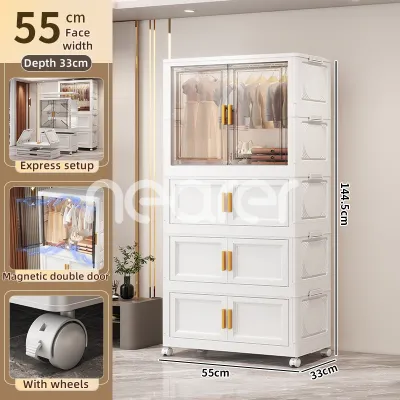
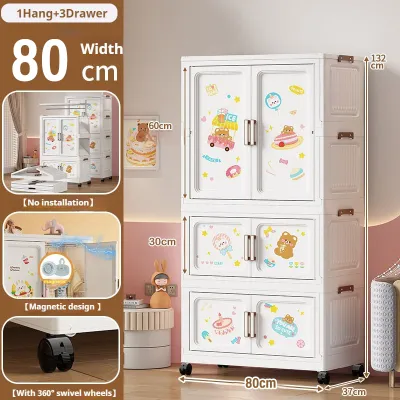
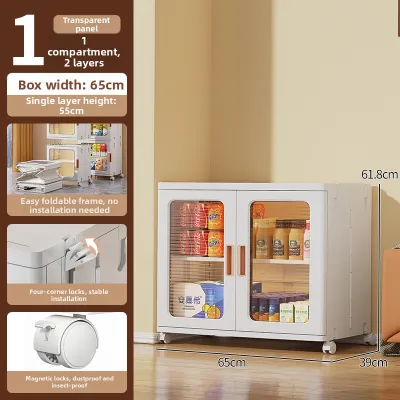
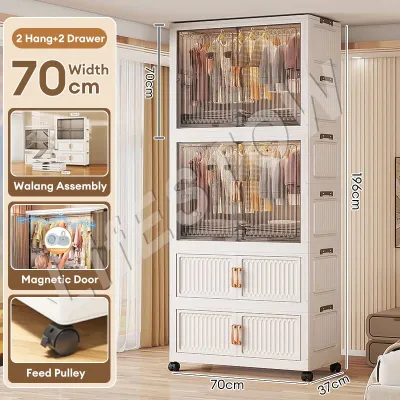
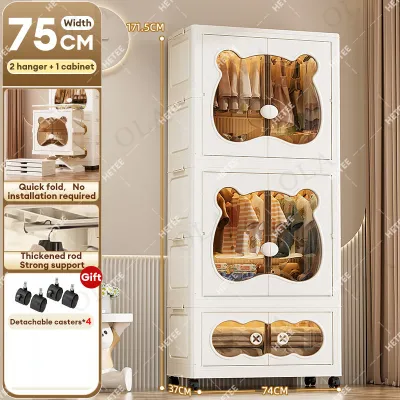
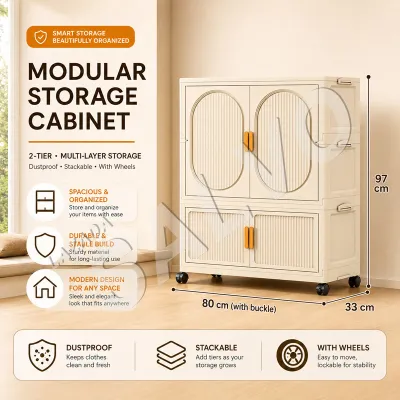
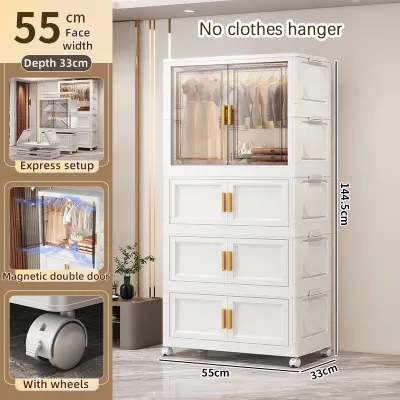
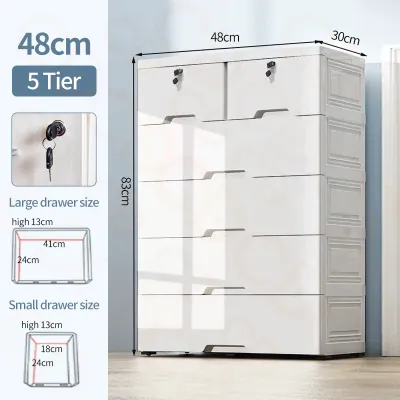
Prices are valid at publication and may change. Please refer to the product page for the latest price.
Evaluating your physical space is equally critical when selecting a baby cabinet. In many homes, particularly in urban apartments or multi-story residences in the Philippines, narrow doorways, tight stairwells, and limited floor space can restrict delivery and placement. You must measure the clearance of your entryways, hallways, and elevator doors before ordering. Furthermore, consider the floor load limits and the cabinet’s footprint; a heavy solid-wood wardrobe requires a stable, level floor and must be positioned where it does not block natural ventilation or air conditioning airflow, which is vital for preventing mold growth in humid climates.
Daily access patterns should dictate the door and drawer configurations you choose. For a newborn, open cubbies and smooth-gliding drawers keep essentials within arm’s reach while you hold your baby. For a toddler, lower shelves and open bins allow them to reach their own toys and clothes, fostering independence. If space is tight, sliding doors are often more practical than hinged doors, as they do not require extra clearance to open, leaving more floor space available for play.
Ideal Cabinet Configurations for Newborn Essentials
To optimize a baby cabinet for a newborn, focus on internal organization systems that accommodate small, delicate items. Shallow drawers are highly effective for this stage, especially when paired with customizable drawer dividers or fabric bins. Instead of stacking tiny onesies vertically—which makes it difficult to find specific items—you can use the “file folding” method within divided drawers to keep every garment visible and accessible. This setup prevents you from rummaging through piles of clothes during late-night diaper changes.
Adjustable shelving is another crucial feature for newborn storage. In the early months, you will need to store bulk packages of diapers, wipes, baby lotions, and feeding supplies. Adjustable shelves allow you to customize the height of each compartment to match the dimensions of these products, minimizing wasted vertical space. As your storage needs change, these shelves can be repositioned to hold larger items, making the cabinet a versatile long-term investment.
The mechanical hardware of the cabinet plays a significant role in maintaining a peaceful nursery environment. Look for cabinets equipped with high-quality, smooth drawer glides and soft-close hinges. In tropical climates where high humidity can cause wood to expand slightly, cheap metal runners or wooden tracks can stick, squeak, or jam. Soft-close mechanisms prevent drawers and doors from slamming shut, ensuring that you can retrieve a fresh swaddle or diaper without waking a sleeping infant.
A changing table with integrated cabinet storage is an excellent space-saving solution for newborns. This configuration combines a secure changing surface on top with drawers or shelves directly underneath. Keeping diapers, wipes, and change clothes within arm’s reach is not just a matter of convenience; it is a vital safety practice, as it allows you to keep one hand on your baby at all times. Once your child outgrows the changing pad, many of these units can be converted into standard chests of drawers by removing the top topper.
Ideal Cabinet Configurations for Toddler Items
As your child grows, their wardrobe and daily routines require a shift toward larger, more robust storage solutions. Hanging rails become essential during the toddler years for organizing items like jackets, dresses, and structured outfits that are prone to wrinkling. A cabinet with an adjustable or removable hanging rod allows you to set the height according to the length of toddler garments, leaving the lower portion of the wardrobe free for shoe racks or storage baskets.
Encouraging independence is a key developmental goal during the toddler stage, and your choice of cabinet layout can support this. Lower shelves, low-set drawers, and open cubbies allow toddlers to reach their own clothes and toys safely. By placing daily-wear items and favorite toys at their eye level, you can teach them to assist with dressing in the morning and to participate in self-directed cleanup routines at the end of the day.
The increased weight of toddler gear demands careful attention to structural stability and weight distribution. Wooden toys, board books, and heavy shoes weigh significantly more than newborn onesies and diapers. When organizing a toddler’s cabinet, place the heaviest items—such as toy bins and books—on the lowest shelves or in the bottom drawers. This practice keeps the furniture’s center of gravity low, reducing the risk of tipping and preventing shelves from bowing under heavy loads.
When choosing between hinged-door wardrobes and sliding-door cabinets, consider both room clearance and safety. Hinged doors provide full access to the cabinet’s interior at once, but they require sufficient clearance to swing open, which can be challenging in smaller bedrooms. Sliding doors are excellent for tight spaces, but they can sometimes pinch small fingers if not equipped with soft-close or finger-guard features. Ensure that whichever style you choose, the doors operate smoothly and can be easily secured if necessary.
Safety and Durability Features to Verify
Safety must be the primary consideration when selecting any furniture for a child’s room. Anti-tip hardware is non-negotiable for baby cabinets and wardrobes. Because toddlers often attempt to climb drawers or pull on doors, any tall or heavy piece of furniture poses a tipping hazard. Verify that the cabinet includes a robust wall-anchoring kit. In the Philippines, where residential walls are frequently constructed from concrete or concrete hollow blocks rather than drywall, you must ensure you use the correct masonry wall plugs and screws to secure the anchor firmly.
Material safety is another critical factor to check on product labels and manufacturer descriptions. Look for cabinets finished with low-VOC (volatile organic compounds) or water-based, non-toxic paints and lacquers. These finishes minimize chemical off-gassing, which is particularly important in enclosed, air-conditioned nurseries. Additionally, check that the engineered wood components, if any, comply with recognized formaldehyde emission standards, such as CARB Phase 2 or E1 certification, to ensure a healthy indoor air quality for your child.
Inspect the physical hardware and design details for child-friendly safety features. Look for cabinets with rounded corners and edges to minimize the risk of injury during active play. Handles should be recessed, flush, or made of soft materials to prevent bumps and bruises. Furthermore, anti-pinch drawer glides and safety stops are essential; safety stops prevent drawers from being pulled completely out of the frame onto a child, while anti-pinch mechanisms slow down the closing action to protect small fingers.
Finally, verify the structural integrity and weight capacity limits of the cabinet. Check the manufacturer’s specifications for the maximum weight each shelf and drawer can support. High-quality joinery, such as dovetail joints in drawers and solid back panels, indicates a durable construction that can withstand years of daily use, drawer-tugging, and heavy storage without warping or loosening.
Building Your Shortlist: Planning for the Transition
To get the most value out of your purchase, build a shortlist of cabinets that can adapt as your child grows. Modular shelving systems are highly versatile, allowing you to reconfigure shelves, add drawers, or adjust hanging rods as your child’s storage needs evolve from infancy to school age. In contrast, fixed-layout wardrobes may require you to purchase supplementary storage units sooner.
If you choose a smaller cabinet or chest of drawers for the newborn stage, define clear conditions for when and how you will expand your storage. Instead of replacing the entire cabinet when your child becomes a toddler, you can add supplementary storage solutions. Under-bed storage drawers, hanging closet organizers, or stackable toy bins can easily accommodate the extra gear without taking up valuable floor space in a small room.
When purchasing from online marketplaces or local furniture retailers, carefully review their delivery and assembly policies. Large cabinets can be difficult to transport and assemble, so check if the retailer offers professional assembly services. Verify the packaged dimensions to ensure the boxes can fit through your doorways and stairwells. Additionally, look for products that come with a clear warranty covering structural defects, drawer glide failures, or hardware issues, which provides peace of mind for long-term use.
A successful shortlist strategy balances immediate newborn needs with future toddler requirements. Look for a cabinet that offers a combination of shallow drawers for the infant stage and adjustable shelves or hanging space that can be opened up later. By prioritizing adaptability, safety certifications, and robust construction, you can select a baby cabinet that serves your family reliably for many years.
Frequently Asked Questions (FAQ)
Can I use a standard adult wardrobe for baby clothes?
Yes, you can adapt a standard adult wardrobe for baby clothes, but it requires some modifications to be functional and safe. Because adult wardrobes feature deep shelves and high hanging rails, tiny baby clothes can easily get lost or become difficult to reach. To address this, you can install adjustable tension rods or lower hanging rails to bring the clothes down to an accessible height. Additionally, using fabric storage bins, drawer inserts, or plastic baskets on deep shelves helps organize small items like socks, onesies, and swaddles. Most importantly, you must secure the adult wardrobe to the wall using heavy-duty anti-tip anchors, as tall, heavy furniture poses a significant tipping hazard in a child’s room.
How do I properly anchor a baby cabinet to the wall?
Properly anchoring a baby cabinet involves securing it directly to the wall structure to prevent tipping. First, locate the studs in your wall if you have drywall construction, or prepare masonry drills if you are anchoring into concrete or concrete hollow blocks, which are common in Philippine homes. Use the anti-tip safety straps or brackets provided by the manufacturer, ensuring they are rated for the weight of the cabinet. Drill into the wall at the height recommended in the instructions, insert the appropriate wall anchors (such as heavy-duty drywall anchors or masonry plugs), and screw the bracket securely in place. If your wall material is unusual, or if the provided hardware does not feel completely secure, consult a qualified professional to ensure the installation is safe and stable.
Community discussion
Share your experience or ask a question. Comments are reviewed before publication.