
Quick Answer: Essential Features for Baby Clothes Cabinets
When selecting a baby clothes storage cabinet, safety and structural integrity must be your absolute priorities. A reliable cabinet must include a dedicated anti-tip anchoring kit to prevent accidental tipping as your child grows and begins to pull on drawers. Additionally, look for certified non-toxic, low-VOC (volatile organic compound) finishes to preserve the air quality in your nursery.
From a functional perspective, the ideal cabinet features a hybrid layout. This includes shallow drawers (around 10 to 15 centimeters deep) to keep tiny items like onesies, socks, and bibs organized without them getting buried, alongside adjustable shelving to accommodate bulky items like diaper packs and bedding. Finally, always verify the cabinet’s finished dimensions against your room’s layout, ensuring you have enough clearance for fully extended drawers and wide-opening doors, while also checking that the packaged box can clear your home’s doorways and stairwells during delivery.
Safety First: Anchoring, Materials, and Child-Proof Hardware
Setting up a nursery requires looking beyond aesthetics to evaluate the physical safety of every piece of furniture. Because babies quickly transition into curious toddlers who pull, climb, and push on household items, a storage cabinet must be built to withstand active daily use. Evaluating structural stability, material safety, and hardware design beforehand prevents accidents and ensures long-term peace of mind.
Products mentioned in this guide
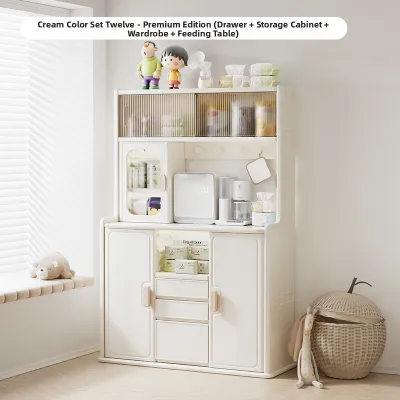
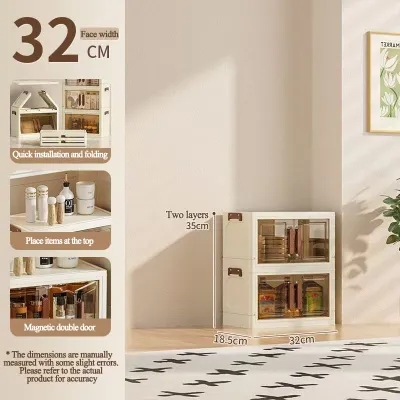
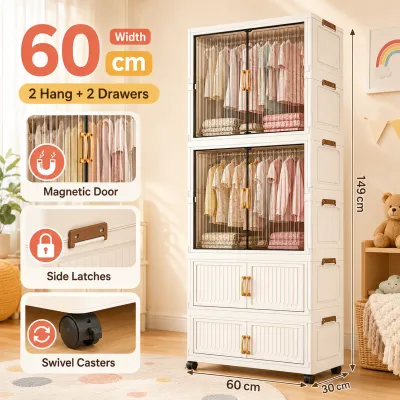
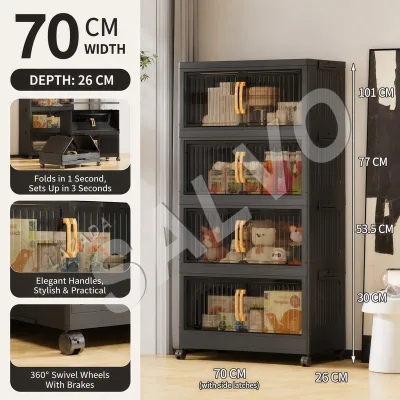
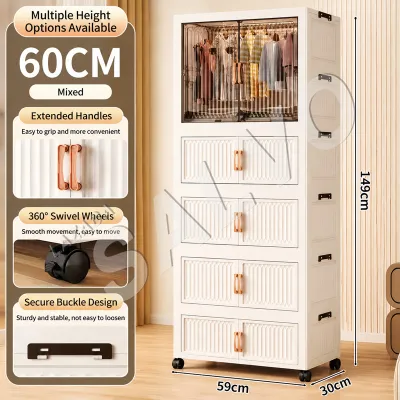
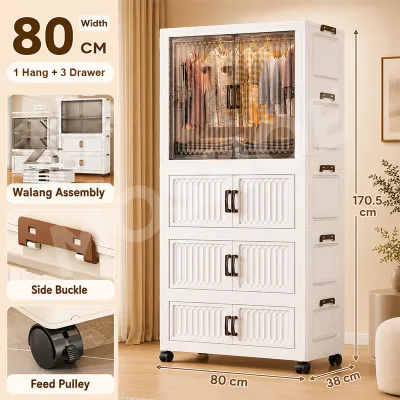
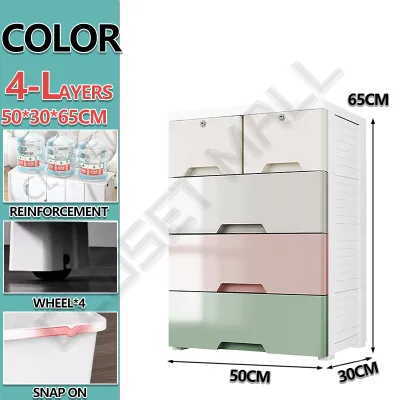
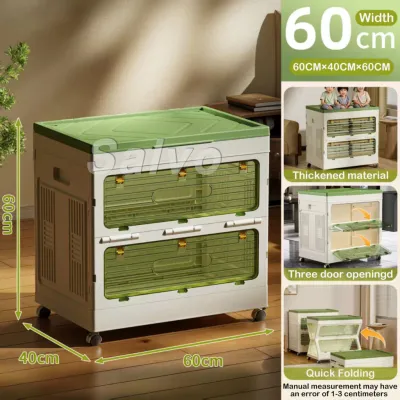
Prices are valid at publication and may change. Please refer to the product page for the latest price.

When assessing materials, check the manufacturer’s specifications for low-emission certifications. Wood and engineered wood products can release formaldehyde and other volatile organic compounds into the indoor air if they are not properly finished or certified. Look for products that explicitly state they use water-based, non-toxic paints or lead-free finishes. If a product listing lacks clear material certifications, contact the manufacturer directly to request their safety data sheets or compliance certificates before finalizing your purchase.
Hardware details play an equally vital role in daily nursery safety. Look for cabinets equipped with soft-close drawer glides and door hinges. This mechanism slows down the closing speed, preventing loud slams that can wake a sleeping baby and protecting tiny fingers from getting pinched. Additionally, choose cabinets with recessed pull handles or smooth, rounded knobs. Avoid sharp-edged metal hardware that can cause bumps or scrapes when your child begins crawling or cruising around the room.
Anti-Tip Kits and Structural Stability
Any tall storage unit poses a serious tipping hazard, particularly when multiple drawers are pulled open simultaneously, shifting the center of gravity forward. This risk increases exponentially as toddlers attempt to climb open drawers to reach items on top of the cabinet. To mitigate this hazard, a high-quality baby clothes storage cabinet must be securely anchored to the wall.
Always verify that the cabinet includes a robust, heavy-duty anti-tip anchoring kit in the packaging. Standard plastic zip-tie style anchors can degrade over time, especially in warm climates, so steel cables or heavy-duty woven nylon straps are highly preferred.
Before installation, identify your wall type to ensure you use the correct hardware. In many homes in the Philippines, walls are constructed from solid concrete or concrete hollow blocks (CHB) rather than drywall. Standard drywall screws and plastic anchors will not hold securely in concrete. For masonry or concrete walls, you must purchase dedicated masonry wall plugs (often locally referred to as tox screws) or sleeve anchors, and use a hammer drill to secure the anti-tip bracket directly into the structural wall. If you are renting or unsure of your wall’s load-bearing capacity, consult a professional carpenter or handyman to complete the installation safely.
Internal Layout: Optimizing Drawers, Shelves, and Hanging Space
An efficient baby wardrobe requires a thoughtful internal layout that matches the unique scale of infant clothing. Unlike adult garments, baby clothes are small, lightweight, and numerous, meaning standard deep drawers and high hanging rods often lead to wasted space and disorganized clutter. Zoning your cabinet helps you maintain order during busy diaper changes and outfit transitions.
To create an organized system, divide the cabinet into distinct zones based on accessibility and frequency of use. Keep daily essentials like diapers, wipes, and current-size onesies in the most accessible middle zone. Reserve the top shelves for items you want to keep out of reach, such as grooming kits or extra lotions, and use the bottom sections for bulky items like heavy blankets, play mats, or clothes your baby has yet to grow into. Choosing a cabinet that balances enclosed drawers with open or adjustable shelving allows you to keep dust out while maintaining quick access to frequently used items.
Drawer Configurations for Small Items
Deep drawers are generally counterproductive for storing baby clothing. When you stack tiny shirts and socks in a deep drawer, items at the bottom quickly become forgotten, leading to unused clothing that your baby may outgrow before you even realize it is there. Shallow drawers are far more practical, allowing you to arrange clothing side-by-side using the “file folding” method so every item is visible at a single glance.
When evaluating a cabinet’s drawers, look for the following features:
- Drawer Depth: Aim for a drawer height of 10 to 15 centimeters, which is the ideal size for folded infant garments.
- Glide Quality: Opt for full-extension metal ball-bearing drawer slides. These allow the drawer to open fully so you can reach the very back, and they prevent the drawer from falling out of the track when pulled.
- Safety Stops: Ensure the drawer tracks have built-in stops to prevent a child from pulling the entire drawer box out onto themselves.
- Internal Organization: Check if the manufacturer offers matching drawer dividers, or plan to use fabric storage bins to keep tiny socks, headbands, and bibs from sliding around.
Adjustable Shelving and Hanging Rods
As your child grows, their clothing sizes and storage needs will change rapidly. A cabinet with fixed shelves and a single static hanging rod will quickly lose its utility. Adjustable shelving and modular hanging configurations provide the flexibility needed to adapt the wardrobe over several years.
Adjustable shelves allow you to customize the vertical clearance of each compartment. During the infancy stage, you can space shelves closely together to hold neat stacks of swaddles, burp cloths, and receiving blankets. Later, you can widen the gap to accommodate large toy bins, shoe boxes, or stacks of toddler-sized jeans. Look for cabinets with sturdy metal shelf support pins and pre-drilled holes spaced no more than 5 centimeters apart to give you the greatest range of adjustment.
Similarly, evaluate the hanging space. Baby dresses, rompers, and jackets are short, meaning they do not require a full-height hanging wardrobe. A cabinet that features a removable or lower-positioned hanging rod allows you to maximize the vertical space. You can often install two rows of hanging rods for baby clothes in the same vertical footprint that would hold only one adult-sized garment, effectively doubling your hanging capacity.
Long-Term Value: Choosing an Adaptable Nursery Wardrobe
Investing in nursery furniture can be expensive, and buying pieces that only serve your child for the first twelve months is rarely cost-effective. To get the best return on your investment, look for a transitional baby clothes storage cabinet designed to evolve alongside your child. A versatile wardrobe can easily transition from holding diapers and onesies to storing school uniforms, books, and sports equipment.
To ensure long-term adaptability, prioritize modular interior components. Look for models where the hanging rods can be completely removed to make way for full-width shelving, or where shelves can be taken out to accommodate larger hanging garments as your child grows. Some advanced systems allow you to convert drawer units into independent bedside tables or desk organizers later in life. Check the manufacturer’s product manual to verify the maximum weight capacity of the shelves and hanging rods; high-quality shelves should support at least 15 to 20 kilograms to safely hold books, heavy wooden toys, or storage baskets in the future.
Exterior aesthetics also dictate how long a piece of furniture can remain in your home. While pastel colors and cartoon-themed hardware look charming in a newborn’s room, your child will likely outgrow these designs within a few years. Instead, select a cabinet with a neutral finish, such as matte white, soft gray, or natural wood tones. These finishes blend seamlessly into older children’s bedrooms, guest rooms, or even hallway storage spaces. If you want to add a playful touch to the nursery, do so through temporary elements like peel-and-stick wall decals or easily replaceable drawer knobs, keeping the core cabinet classic and timeless.
Space Planning: Dimensions, Clearances, and Delivery Checks
Before purchasing any furniture, you must carefully measure both your nursery space and the entry pathways leading into your home. A cabinet that looks perfectly proportioned in an online photo or a spacious showroom can easily overwhelm a compact bedroom or, worse, fail to fit through your front door.
Begin by measuring the designated floor area where the cabinet will stand. Write down the maximum allowable width, depth, and height. When calculating these dimensions, do not just measure the static footprint of the cabinet; you must also account for its dynamic footprint during daily use. Use this simple checklist to verify physical clearances:
- Drawer Extension: Measure the depth of the cabinet with the drawers fully pulled out. Ensure there is at least 60 centimeters of clear standing space in front of the fully extended drawers so you can comfortably access the contents without bumping into walls or other furniture.
- Door Swing Radius: If the cabinet has hinged wardrobe doors, calculate their swing radius. Verify that the doors can open to their full angle without hitting the crib, changing table, or entry door.
- Proximity to Other Furniture: Maintain a safe distance between the cabinet and the crib. Curious older babies can reach out through crib slats and pull on cabinet doors, cords, or decorative items placed on top of the wardrobe.
In addition to room placement, plan the delivery logistics carefully. This is a crucial step for those living in multi-story homes, townhouses, or high-rise condominiums where tight corners and narrow elevators are common. Compare the dimensions of the cabinet’s shipping boxes against your building’s service elevator, stairwell clearances, and residential door frames. If the cabinet comes fully or partially assembled, verify that the largest assembled section can negotiate tight hallway turns and low ceiling clearances. If you must transport the unit up multiple flights of stairs, check the total package weight to ensure you have adequate physical assistance or professional delivery services scheduled.
Upkeep and Climate: Managing Moisture and Cleaning
In tropical environments characterized by high humidity and seasonal rainfall, furniture maintenance requires specific preventive measures. Excess moisture in the air can cause wood to warp, drawers to stick, and mold or mildew to develop on fabric items stored inside closed dark spaces. Choosing the right materials and maintaining proper airflow will protect both the cabinet and your baby’s clothing.
When shopping for wooden or engineered wood cabinets, pay close attention to the surface finishes and edge treatment. Raw, untreated particleboard or medium-density fiberboard (MDF) absorbs moisture from the air like a sponge, leading to swelling, sagging, and structural failure. Ensure that all edges are sealed with high-quality PVC or ABS edge banding, and that all surfaces are coated with a protective, moisture-resistant lacquer or laminate. If you prefer solid wood, verify that the timber has been properly kiln-dried and sealed to minimize natural expansion and contraction during the humid rainy season.
To prevent stagnant air and musty odors inside the cabinet, look for designs that incorporate natural ventilation. Cabinets featuring louvered doors, slatted back panels, or small built-in ventilation gaps allow continuous airflow even when the doors are closed. If your cabinet is completely sealed, you can manage humidity levels by placing disposable moisture absorbers or reusable silica gel packs in the corners of drawers and shelves, keeping them strictly out of reach of children. Additionally, leave a small gap of 2 to 5 centimeters between the back of the cabinet and the wall to prevent moisture from condensing on the rear panel.
Finally, nursery furniture must be easy to clean. Spills from baby formula, diaper cream smudges, and accumulated dust are inevitable in a child’s room. Choose finishes that can be easily wiped down with a damp microfiber cloth and a mild, baby-safe detergent. Avoid rough, highly textured surfaces or intricate carvings that can trap dust, pet dander, and allergens, ensuring a cleaner, healthier sleeping environment for your baby.
Frequently Asked Questions (FAQ)
Do I need a dedicated baby wardrobe, or can I use a regular closet?
You do not strictly need a dedicated baby wardrobe, though they are highly convenient due to their scaled-down proportions and integrated shallow drawers. A standard adult closet or wardrobe can work perfectly well if you customize the interior. You can achieve a highly functional setup by installing adjustable closet organizers, adding tension rods at lower heights for short baby garments, and placing removable fabric drawer inserts on standard shelves to keep tiny accessories organized.
How many drawers are ideal for a baby clothes cabinet?
A cabinet with 3 to 4 shallow drawers is typically ideal for a nursery. This quantity allows you to dedicate separate drawers to specific categories: one for everyday onesies and rompers, one for sleepwear and swaddles, and one for smaller accessories like socks, bibs, and hats. Any remaining clothing or bulkier items, such as extra bedding, towels, and diaper packages, are generally better suited for adjustable shelves or storage baskets rather than deep drawers.
Community discussion
Share your experience or ask a question. Comments are reviewed before publication.