
Finding the ideal balcony privacy screen for a Philippine condominium requires balancing personal comfort with strict building regulations and intense tropical weather. The best screen blocks the view of neighboring units while allowing cooling breezes to pass through, keeping your outdoor space comfortable. Before purchasing, you must verify your building’s guidelines, prioritize UV-resistant and water-resistant materials, and ensure the screen complements your balcony’s aesthetic. By focusing on these core criteria, you can transform a highly visible concrete slab into a private, stylish outdoor sanctuary.
Assessing Your Balcony Space and Building Rules
Before browsing online marketplaces, your first step must be a thorough physical assessment of your balcony. Use a metal measuring tape to record the exact length and height of your balcony railings, as well as the total available floor area. Remember to account for any structural pillars, drainage pipes, or floor slopes that might interfere with how a screen sits. Accurate measurements prevent purchasing a screen that hangs loosely or blocks essential clearance paths.
Equally critical is consulting your condominium’s Property Management Office (PMO) or homeowners’ association (HOA) guidelines. Most high-rise buildings in the Philippines enforce strict rules regarding the building’s exterior appearance to maintain a uniform facade. These rules often dictate permitted colors, maximum heights, and acceptable materials for balcony additions. Some properties strictly prohibit any permanent drilling into exterior walls, ceilings, or metal railings, which will immediately narrow your mounting options to non-invasive methods.
Products mentioned in this guide
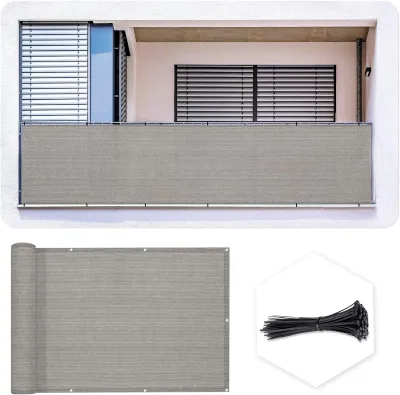
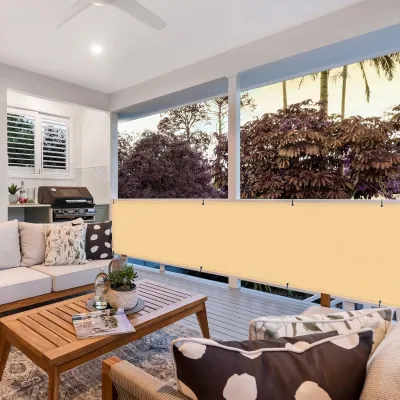
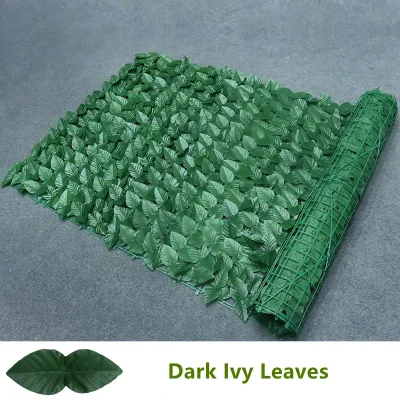
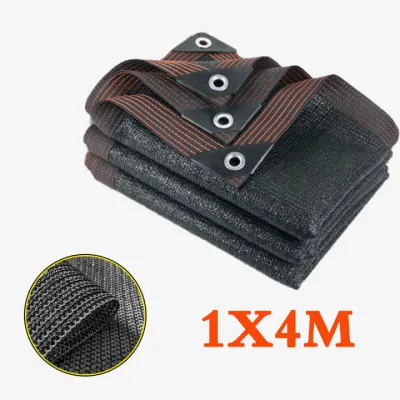
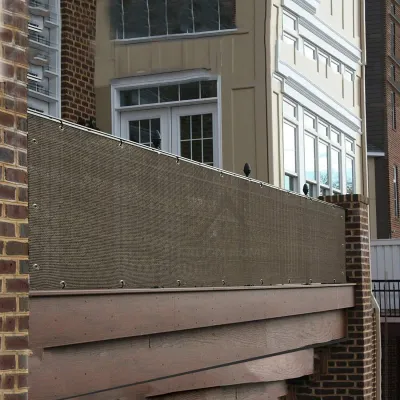
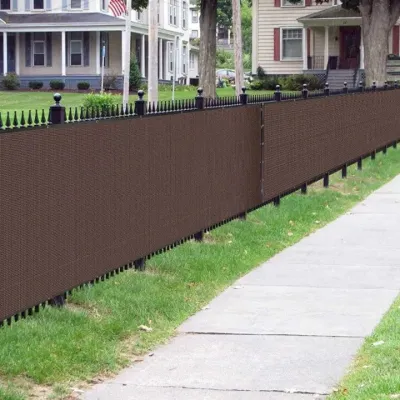
Prices are valid at publication and may change. Please refer to the product page for the latest price.
Finally, evaluate your balcony’s exposure to the elements, particularly wind. High-rise balconies, especially those on upper floors, experience intense wind shear during the monsoon season and tropical typhoons. A solid, heavy screen can act like a sail, catching the wind and putting immense structural strain on your railings or tipping over entirely. You must also check your balcony’s structural weight limits if you are considering heavy wooden panels or large planters, ensuring your setup remains safe and compliant.
Evaluating Materials for Tropical Weather and Aesthetics
The Philippine climate presents unique challenges, combining intense tropical sun with high humidity and torrential rains. Selecting the right material requires looking past initial visual appeal and checking how well a product can withstand these harsh conditions.

Natural Wood and Bamboo Natural wood and bamboo screens offer an organic, warm aesthetic that pairs beautifully with tropical plants. However, these materials are highly susceptible to moisture damage, warping, and rot in humid environments. When choosing wood or bamboo, verify the manufacturer’s sealing requirements and inspect the product for sturdy, rust-resistant structural joints. You will need to apply a high-quality outdoor wood sealer or polyurethane finish annually to protect the material from rain and sun degradation.
Artificial Foliage Artificial ivy or eucalyptus screens are highly popular for creating an instant green wall effect without the maintenance of real plants. When shopping, look closely for manufacturer-stated UV-resistance labels; non-treated plastics will quickly fade to a dull blue-grey and become brittle under intense sunlight. Additionally, check the density of the leaves on the backing mesh. High-density options provide superior visibility blocking, while sparser designs may require layering to achieve true privacy.
Outdoor Fabrics and Canvas Canvas and specialized outdoor fabrics, such as high-density polyethylene (HDPE) mesh, offer excellent flexibility and modern styling. These materials are lightweight and often come with pre-installed grommets for easy installation. To prevent mold and mildew growth during the rainy season, review the manufacturer’s care instructions to ensure the fabric is treated with an antimicrobial coating. Confirm that the grommets are made of rust-proof materials like brass or stainless steel to avoid unsightly rust stains running down your screen and balcony floor.
Metal and Synthetic Resin For a sleek, contemporary look, powder-coated metal panels or synthetic resin wickers are excellent choices. Synthetic resin mimics the look of natural rattan but offers far superior resistance to moisture and sun damage. When evaluating metal screens, inspect the surface treatment thoroughly to ensure there are no exposed areas where rust could form. Keep in mind the visual weight of these materials; heavy, dark metal panels can make a small condo balcony feel cramped, so opt for open-patterned laser-cut designs that let light filter through.
Choosing the Right Installation and Mounting Style
How you secure your privacy screen determines both its safety during stormy weather and its compliance with building rules. You must select a mounting style that matches your balcony’s physical structure.
Railing-Mounted Screens Railing-mounted options, such as fabric banners or artificial foliage rolls, are highly versatile and easy to install. Before buying, check that the screen’s attachment points align with your railing’s thickness and spacing. Avoid using cheap, standard plastic zip ties, as they quickly degrade and snap under tropical UV exposure. Instead, opt for heavy-duty, UV-stabilized nylon cable ties, stainless steel zip ties, or dedicated mounting brackets that clamp securely without scratching the railing’s finish.
Freestanding Screens Freestanding panels or folding dividers offer the flexibility of being moved around as needed, making them ideal for renters. However, their mobility makes them highly vulnerable to strong winds. To prevent tipping, evaluate the base weight of the screen and consider anchoring it with heavy planters or weighted base plates. Always position freestanding screens so they do not obstruct emergency exit routes, sliding doors, or access to utility areas like air conditioning ledges.
Hanging or Roller Blinds Outdoor roller blinds or hanging bamboo chic screens provide adjustable privacy and excellent sun shading. Before choosing this style, confirm that your PMO permits drilling into the balcony ceiling or overhang. If drilling is prohibited, look for heavy-duty tension rods or clamp-on mounting systems designed for outdoor use. Ensure the retraction mechanism operates smoothly and features a secure tie-down system at the bottom to keep the blinds from flapping violently in the breeze.
Integrating Screens with Outdoor Lighting and Decor
A privacy screen should not feel like a barrier; instead, it should serve as a design element that enhances your outdoor living space. By combining your screen with thoughtful lighting and decor, you can create a cozy evening retreat.
Backdrops for Lighting Solid or semi-solid privacy screens make excellent backdrops for outdoor lighting. You can weave warm LED string lights through artificial foliage screens or hang delicate fairy lights along the top of a fabric banner. If you have a wooden or metal screen, consider mounting solar-powered wall sconces or hanging lanterns to cast soft shadows, adding depth and a welcoming glow to your balcony after dark.
Balancing Light and Privacy To maintain a bright and airy indoor living space, select light-filtering screen materials. Screens that block one hundred percent of light can make your adjacent indoor room feel dark and gloomy. Opt for semi-sheer outdoor fabrics, woven bamboo, or laser-cut panels that obscure direct sightlines from neighbors while still allowing natural daylight to illuminate your balcony and home.
Coordinating Colors and Textures Create a cohesive design by coordinating your privacy screen’s color and texture with your existing balcony furniture. If you have neutral-toned outdoor seating, a charcoal or beige fabric screen can provide a clean, modern frame. For a tropical garden vibe, pair an artificial ivy screen with terracotta planters, a small woven rug, and wooden accent tables. Matching these elements ensures your privacy solution feels like an intentional part of your home’s decor rather than an afterthought.
Pre-Purchase Checklist and Maintenance Planning
Before finalizing your purchase on any ecommerce platform, run through a practical checklist to avoid costly mistakes. Double-check your recorded balcony measurements against the product’s listed dimensions, paying close attention to the placement of mounting grommets or support legs.
Review the retailer’s return policy and warranty terms, especially regarding weather-related damage. Budget in ₱ for high-quality mounting hardware, such as stainless steel clips, heavy-duty zip ties, or weighted bases, which are rarely included with the screen itself.
Finally, establish a realistic maintenance routine based on the manufacturer’s guidelines. Plan to inspect your screen’s attachments before the typhoon season begins, tightening any loose ties or brackets. Regular cleaning—such as hosing down artificial foliage to remove dust or wiping metal frames to prevent salt-air corrosion—will extend the lifespan of your investment and keep your balcony looking pristine year-round.
Frequently Asked Questions (FAQ)
Can I install a privacy screen on a glass balcony railing?
Yes, but you must avoid drilling or screwing directly into tempered glass panels or their supporting metal frames, as this can shatter the glass or compromise its structural integrity. Instead, look for non-invasive mounting solutions such as over-the-railing brackets, specialized clamp-on hangers, or freestanding screens positioned just behind the glass. Always check the weight capacity of your railing system and consult your building’s maintenance team or PMO to ensure your chosen mounting method is approved and safe.
How do I clean mold off an outdoor fabric privacy screen?
To clean mold and mildew caused by high tropical humidity, start by checking the fabric’s care label for specific manufacturer instructions. Avoid using harsh chlorine bleach unless the manufacturer explicitly states it is safe, as bleach can degrade the fabric fibers and strip away water-resistant coatings. Mix a mild solution of dish soap and warm water, apply it to the affected areas, and gently scrub with a soft-bristled brush. Rinse the screen thoroughly with clean water and allow it to air-dry completely in direct sunlight before re-installing it.
Do artificial ivy screens block wind effectively?
Artificial ivy screens are designed primarily to block visibility and enhance decor, meaning they offer very little wind protection. Because the artificial leaves are attached to an open mesh backing, wind passes easily through the gaps, which actually helps prevent the screen from acting like a sail during stormy weather. If your primary goal is to block strong winds or driving rain, solid fabric panels, heavy-duty outdoor roller blinds, or wooden privacy screens are much more effective options, provided your balcony structure and building rules allow them.
Community discussion
Share your experience or ask a question. Comments are reviewed before publication.