
Selecting the right seating for your reading corner requires looking beyond simple aesthetics to prioritize long-term physical support and spatial compatibility. While a traditional bangkito is known for its compact, low-slung design, adapting this style for extended reading sessions demands careful attention to ergonomics, cushion resilience, and material breathability. A poorly matched chair can quickly lead to lower back strain, neck fatigue, and physical restlessness, cutting your reading sessions short. By focusing on key structural features and material specifications, you can find a chair that keeps you comfortable through every chapter.
Understanding the Bangkito Chair Design for Reading
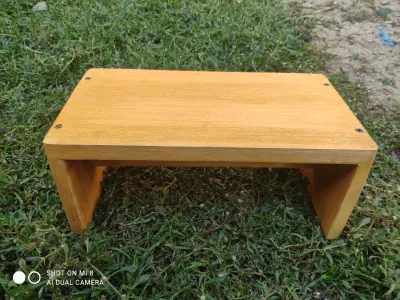
The term bangkito traditionally refers to a small, low stool or compact seat widely used in Filipino households for quick tasks or casual seating. In modern interior design, this concept has evolved into low-profile accent chairs that retain a compact footprint while offering enhanced comfort features. These modern reading-focused adaptations feature elevated frames, angled backrests, and integrated armrests designed to support a relaxed, semi-reclined posture.
A standard flat stool forces your spine into a slouched position, which rapidly fatigues the lower back muscles during long reading sessions. To make a bangkito design suitable for reading, look for a frame that incorporates a gentle backward slope of the seat and backrest, ideally between 100 and 115 degrees. This angle helps distribute your body weight more evenly across the seat cushion and backrest, reducing pressure on your sit bones and lower spine.
Products mentioned in this guide
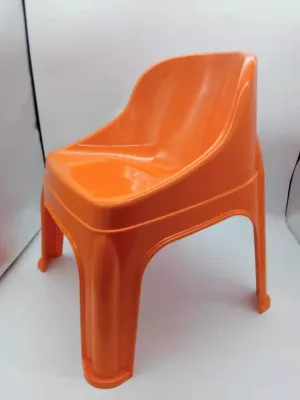
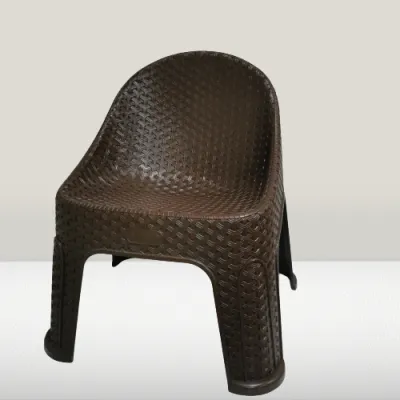
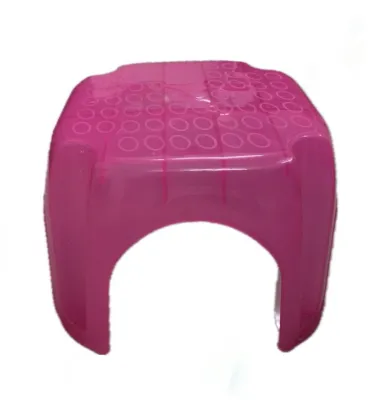
Prices are valid at publication and may change. Please refer to the product page for the latest price.
The backrest design is critical for preventing neck and shoulder strain as you look down at a book or e-reader. Standard low-back bangkitos do not provide sufficient upper body support, forcing your neck muscles to work harder to hold your head upright. When shopping for a reading-friendly model, prioritize designs with extended backrests or integrated headrests that allow you to rest your head back comfortably while keeping your book at an optimal viewing angle.
Key Ergonomic Features for Extended Reading Comfort
To enjoy hours of uninterrupted reading, your chair must feature ergonomic elements that actively support your body’s natural alignment. The backrest should offer dedicated lumbar support, which matches the natural inward curve of your lower spine. Look for a chair with a built-in lumbar curve, or ensure the backrest design allows you to sit fully back without leaving a hollow gap behind your lower torso.

Seat depth and cushion density play a vital role in maintaining healthy blood circulation during long periods of sitting. If the seat is too deep, the front edge will press against the back of your knees, restricting circulation and causing numbness. Conversely, a seat that is too shallow fails to support your thighs properly, leading to increased pressure on your hips. Measure your thigh length and choose a seat depth that leaves a gap of about two to three fingers between the seat edge and the back of your knees.
Armrest placement is another essential factor that directly impacts your reading comfort. Armrests should support your elbows at a natural 90-degree angle without forcing your shoulders to shrug upward or sag downward. Wide, padded armrests are highly beneficial, as they provide a stable platform to rest your forearms and help support the weight of heavy hardcovers or tablets, reducing strain on your wrists and upper back.
If you prefer a dynamic seating experience, consider a bangkito chair equipped with a smooth reclining or rocking mechanism. When evaluating these features, test the tension control to ensure the chair responds smoothly to your body weight without sudden tilting. Verify that the locking mechanism holds the chair securely in your preferred reading angle, preventing any unwanted shifting while you focus on your book.
Material and Upholstery Considerations for Long Sessions
In a tropical climate characterized by high temperatures and humidity, the choice of upholstery material is just as important as the chair’s structural design. Synthetic materials like polyurethane (PU) leather or vinyl tend to trap heat and sweat, leading to a sticky, uncomfortable experience during extended reading sessions. Instead, look for highly breathable woven fabrics, linen blends, or heavy-duty cotton canvas that promote air circulation and keep you cool.
The internal cushion fill determines how well the chair retains its shape and support over years of daily use. High-density polyurethane foam is the industry standard for durable seating, as it offers excellent structural support and bounces back quickly after use. Avoid chairs filled solely with loose polyester fiberfill, which tends to clump and flatten rapidly, leaving you sitting directly on the hard frame. A multi-layer cushion featuring a high-density foam core wrapped in a softer fiber layer offers the ideal balance of initial softness and long-term support.
Because reading sessions are often accompanied by a cup of coffee, tea, or local snacks, ease of maintenance is a practical priority. Check the manufacturer’s care labels for stain-resistant fabric treatments or removable, machine-washable cushion covers. If the cover is non-removable, ensure the fabric can be easily spot-cleaned with mild upholstery shampoo without leaving water rings or causing color fading.
The stability of the chair’s frame is the foundation of its safety and durability. Solid local hardwoods, such as mahogany, tanguile, or acacia, provide exceptional strength and natural resistance to warping in humid conditions. Inspect the joints of the frame to ensure they are secured with sturdy wood dowels, screws, or mortise-and-tenon joinery rather than simple nails or glue. Always verify the manufacturer’s specified weight capacity to ensure the frame can safely support your weight over extended periods.
Space, Dimensions, and Placement in Your Reading Nook
Before purchasing a bangkito chair, you must carefully measure your designated reading area to ensure a proper physical and functional fit. Measure the overall footprint of the chair, keeping in mind that you will need at least 30 to 50 centimeters of clearance around the sides for comfortable movement. If you plan to pair the chair with an ottoman or choose a model that reclines, measure the total extended length to prevent the chair from blocking walkways or hitting nearby walls.
Do not overlook the logistics of getting the chair into your home. Measure the width and height of all entryways, hallways, stairwells, and elevator doors that the delivery team must navigate. Compare these measurements with the chair’s packaged dimensions to avoid a situation where a beautiful piece of furniture cannot fit through your front door.
Proper integration with your reading accessories is key to creating a functional nook. Position your chair relative to your primary light source, whether it is a window for natural daytime reading or a dedicated floor lamp for evening sessions. Ensure there is an electrical outlet within reach of your lamp, and leave enough space next to the chair for a small side table to hold your drinks, reading glasses, and book stacks at a convenient height.
Protecting your flooring is another essential consideration, especially if you have polished hardwood, laminate, or delicate tiles. Heavy wooden or metal legs can easily scratch or dent these surfaces over time. Budget a small amount of ₱ for high-quality felt floor pads or rubber glides to attach to the feet of the chair, or place a thick, durable area rug under the entire seating setup to protect your floors and visually define your reading space.
How to Evaluate and Test a Bangkito Chair Before Buying
If you are shopping in a physical showroom, performing a thorough physical evaluation is the best way to guarantee long-term satisfaction. Sit in the chair for at least 10 to 15 minutes, mimicking your natural reading postures rather than just sitting perfectly upright. Pay close attention to any immediate pressure points, such as the cushion pressing hard against your thighs or the backrest pushing your shoulders uncomfortably forward.
While testing the chair, actively check the structural integrity of the frame and joints. Gently rock your weight from side to side and lean back firmly to check for any wobbles, loose connections, or uneven legs. Listen carefully for any squeaks, creaks, or metallic pops, which can indicate poor spring construction or loose joint fasteners. Examine the upholstery closely, checking for straight, tight stitching and ensuring there are no loose threads or puckered seams.
Always review the retailer’s warranty terms and return policies before finalizing your purchase. A reliable manufacturer should offer a warranty that covers structural frame defects for at least one to two years. Because comfort is highly subjective, check if the store offers a trial period or a flexible return policy that allows you to exchange the chair if it does not provide the expected level of comfort after a few days of use at home.
Finally, clarify the assembly requirements of the chair. Some models are delivered fully assembled, while others arrive flat-packed and require manual assembly. If you prefer a hassle-free setup, verify if the retailer provides professional assembly services upon delivery, or check the assembly instructions to ensure you have the necessary tools and physical assistance to put the chair together safely.
Frequently Asked Questions (FAQ)
Can I add aftermarket cushions to improve a bangkito chair's reading support?
Yes, aftermarket cushions can help address specific support gaps, but they must be chosen with care to avoid ruining the chair’s ergonomics. Before purchasing a lumbar roll or neck pillow, measure the remaining seat depth of your chair. If a thick external cushion pushes your hips too far forward, your thighs will lose proper support, and your knees will overshoot the seat edge, leading to increased joint strain. Opt for slim, high-density foam inserts that sit flat against the backrest to maintain your natural seating position.
How do I clean fabric upholstery after a spill while reading?
Prompt action is essential to prevent permanent stains on your reading chair. Immediately blot the spill with a clean, dry microfiber cloth to absorb the liquid, taking care never to rub or scrub, which pushes the stain deeper into the fabric fibers. Locate the manufacturer’s care label on the underside of the chair to identify the cleaning code. Use only the recommended cleaning agent—such as water-based solutions for code W or mild dry-cleaning solvents for code S—and test it on a small, hidden area of the fabric first to ensure it does not cause discoloration.
Community discussion
Share your experience or ask a question. Comments are reviewed before publication.