
Finding the right bedspace organizer with built-in charging ports in the Philippines requires balancing compact storage with safe, reliable power delivery. Because bedrooms often contend with high humidity and limited floor space, the ideal bedside organizer must keep your smartphones, tablets, and accessories organized while protecting them from dust and moisture. Choosing the right unit involves evaluating port specifications, physical dimensions, material durability under tropical conditions, and electrical safety features.
By focusing on practical design elements and safety standards, you can select a bedside companion that keeps your devices fully charged and your sleeping area free of clutter. This guide outlines the essential factors to consider before making your purchase, ensuring your new organizer fits both your physical space and your daily routine.
Key Features to Evaluate in a Charging Bedside Organizer
When selecting a bedside organizer, the configuration of the built-in charging ports is a primary consideration. Modern devices utilize different charging standards, making it essential to choose a unit that offers a mix of USB Type-A and USB Type-C ports. USB Type-C ports are increasingly necessary for fast-charging newer smartphones and tablets, while Type-A ports remain highly useful for charging older accessories like smartwatches, e-readers, or small desk fans.
Products mentioned in this guide
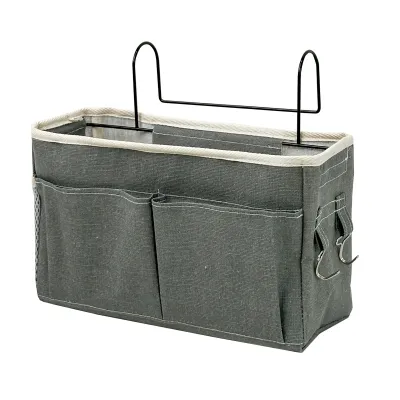
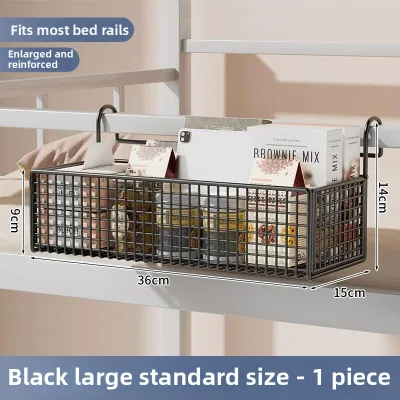
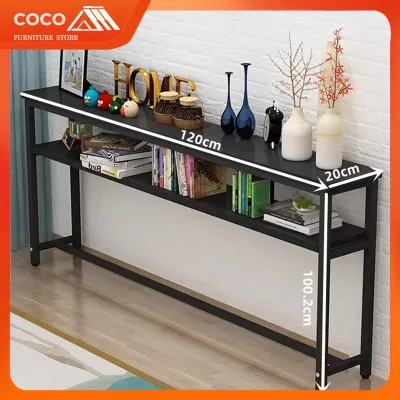
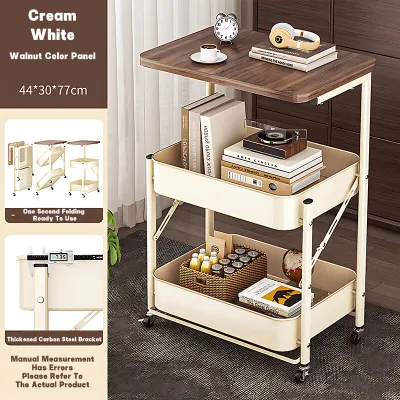
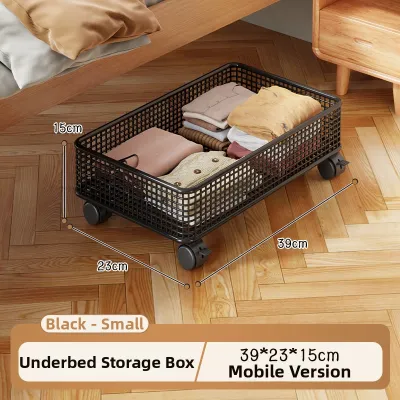
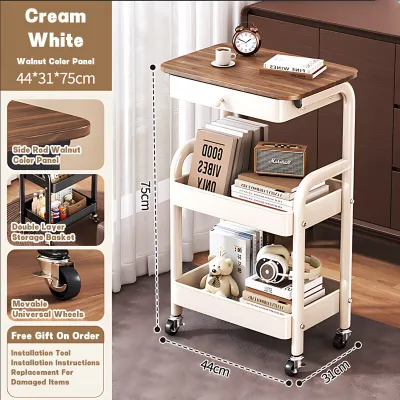
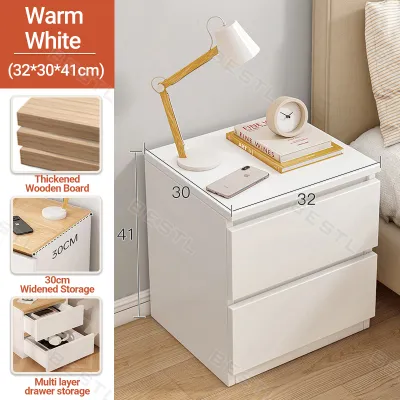
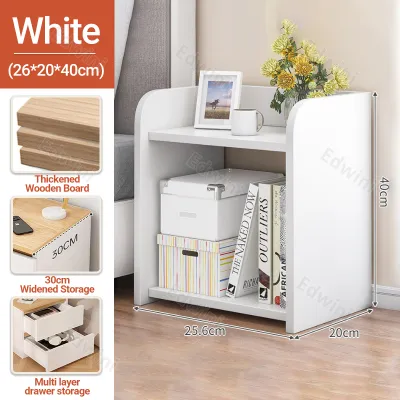
Prices are valid at publication and may change. Please refer to the product page for the latest price.
Beyond the port types, you must check the power output labels on the manufacturer’s specification sheet. Power output is typically measured in watts or amperes; a standard port offering only 5V/1A will charge devices slowly, whereas ports with higher amperage or USB Power Delivery (PD) capabilities will charge your devices much faster. Ensure the total power output of the integrated charging module can handle multiple devices simultaneously without overheating or dropping charging speeds.
Storage layout is another critical feature that dictates how well the organizer functions in your daily life. If you prefer a clean, minimalist look, look for units with drawers or closed cabinets that hide personal items, cables, and daily clutter from view. Conversely, if you need quick access to items like glasses, books, or medication, open shelves or tiered compartments are highly practical.
Effective cord management is the key to preventing a tangled mess of wires next to your bed. High-quality organizers feature integrated routing holes, recessed cable trays, or built-in clips that guide charging cables neatly from the power source to your devices. These features prevent cables from slipping behind the furniture or bending at sharp angles, which can damage the internal wiring over time.
Finally, pay attention to the spacing of any integrated AC outlets. If the organizer includes standard plug sockets alongside USB ports, ensure they are spaced far enough apart to accommodate bulky power adapters. Sockets that are positioned too closely together can block adjacent outlets, rendering them unusable and limiting your ability to plug in bedside lamps or other essential appliances.
Space and Dimension Checks Before Buying
Before purchasing any bedside furniture, taking precise measurements of your available bedspace is crucial. Use a physical tape measure to determine the exact width, depth, and height of the area next to your bed. In compact bedrooms or shared bedspaces, even a few centimeters of discrepancy can prevent the organizer from fitting or make the room feel uncomfortably cramped.

In addition to the unit’s static footprint, you must account for the clearance required to operate drawers or cabinet doors. Measure the drawer swing radius to ensure that drawers can open fully without hitting your bed frame, wardrobe, or bedroom door. If the pathway to your closet or the main bedroom door is narrow, a unit with sliding doors or open shelving may be a more practical choice than one with swinging doors.
Height alignment is another factor that directly impacts comfort and safety. The top surface of your bedside organizer should ideally sit level with or slightly below the top of your mattress. This alignment allows you to reach your phone, a glass of water, or a lamp switch easily from a lying position without straining your arm or risking knocking items over in the dark.
Proximity to your room’s wall outlets is also a vital consideration. Measure the distance from the organizer’s intended position to the nearest wall outlet to ensure the unit’s main power cord can reach safely. Avoid stretching the power cord tight or running it across high-traffic walking paths, as this creates a serious tripping hazard and can damage the cord over time.
Electrical Safety and Material Durability
Because charging organizers connect directly to your home’s electrical system, verifying safety standards is paramount. Look for units that carry recognized electrical safety certifications, such as the Philippine Standard (PS) mark, the Import Commodity Clearance (ICC) sticker, or international equivalents like UL or CE. These marks indicate that the integrated electrical components have undergone rigorous testing for safety and reliability.
Given the frequent power fluctuations and tropical storms in the Philippines, choosing an organizer with built-in surge protection is highly recommended. A surge-protected power strip safeguards your expensive smartphones, tablets, and laptops from sudden voltage spikes. This feature prevents electrical damage to your devices and reduces the risk of electrical fires caused by short circuits.
Material selection plays a significant role in how well the organizer withstands the local climate. High humidity can cause untreated engineered woods, such as low-grade particleboard, to swell, warp, or develop mold over time. To ensure longevity, look for materials treated with moisture-resistant finishes, such as melamine laminates, powder-coated metal frames, or solid wood sealed with protective polyurethane coatings.
Examine the structural joints and hardware of the organizer to assess its overall build quality. Sturdy cam locks, dowels, and reinforced metal brackets indicate a stable frame that will not wobble under weight. If the unit features drawers, look for smooth-gliding metal tracks rather than plastic runners, which can easily crack or become misaligned over time.
Always check the manufacturer’s specified weight capacity limits for the top surface and individual shelves. Overloading a bedside organizer with heavy books, large lamps, and multiple electronic devices can cause the shelves to sag or compromise the unit’s stability. Ensuring your items fall well within the stated weight limits prevents structural damage and potential tip-over accidents.
Matching Organizer Types to Your Storage Needs
Different lifestyles and bedroom layouts require different styles of bedside organizers. Open-shelf and tiered designs are excellent for readers who want immediate, visible access to their books, tablets, and daily essentials. These designs make it easy to grab what you need in the middle of the night, though they do require regular dusting to keep the open surfaces looking clean and tidy.
For those who prefer a tidy, clutter-free environment, drawer-based units are the ideal choice. Enclosing your items in drawers keeps personal belongings, medications, and charging cables out of sight, creating a calmer visual space. Furthermore, closed drawers provide an extra layer of protection against dust and ambient humidity, keeping your items cleaner for longer.
If you are dealing with an exceptionally tight bedspace, such as a narrow gap between the bed and the wall, a slim vertical tower organizer is a highly efficient solution. These units utilize vertical space rather than floor width, offering multiple tiers of shelving and integrated charging ports within a very small footprint. They are particularly useful in studio apartments, dormitories, or shared bedrooms.
Multi-functional hybrid designs combine the best of both worlds, offering a mix of open shelving, drawers, and dedicated device slots. These units are perfect for tech-heavy users who need to charge multiple devices, such as a phone, tablet, and smartwatch, while still requiring space to store physical books, journals, and personal items in separate compartments.
Assembly, Maintenance, and Cord Management
Proper assembly is the foundation of a safe and stable bedside organizer. When assembling the unit, follow the manufacturer’s step-by-step instructions carefully and ensure all structural screws, dowels, and brackets are tightened securely. A loose or wobbly frame can put unnecessary strain on the integrated electrical components and increase the risk of the unit tipping over.
Once the organizer is assembled, take the time to route your charging cables safely. Use the designated grommets, routing holes, or cable clips to secure the wires along the back or inside of the unit. Ensure that cables are not pinched between the organizer and the wall or bed frame, as compressed wires can overheat, damage the insulation, and create a fire hazard.
Maintaining a clean charging station requires specific care, especially around electronic components. Dust the organizer regularly using a dry, lint-free microfiber cloth or a soft brush. Never use wet wipes, liquid cleaners, or chemical sprays directly on or near the charging ports, outlets, or power cords, as moisture can seep into the electronics and cause short circuits or corrosion.
Periodically inspect the organizer’s main power cord and plug for any signs of wear, fraying, or damage. Ensure the plug fits snugly into your wall outlet without sparking or feeling loose. If you notice any damage to the cord or the charging ports, discontinue using the electrical features immediately and consult a qualified professional or the manufacturer for repairs.
Frequently Asked Questions (FAQ)
Can I plug a high-wattage appliance into a bedside organizer's USB port?
No, built-in USB ports are designed exclusively for low-voltage mobile devices such as smartphones, tablets, smartwatches, and wireless headphones. They do not deliver enough power to run high-wattage household appliances like hair dryers, electric kettles, or space heaters. Attempting to power such appliances through USB ports is impossible, and plugging them into low-capacity integrated AC outlets on the organizer can overload the circuit. Always check the maximum wattage rating label on the organizer’s power strip before connecting any appliance.
How do I clean the charging ports without damaging the electronics?
To clean the charging ports safely, always unplug the organizer’s main power cord from the wall outlet first to eliminate any electrical current. Use a can of compressed air to blow out any accumulated dust, lint, or debris from inside the ports, or gently sweep them with a dry, soft-bristled brush. Never insert metal objects like paperclips, damp cloths, or liquid cleaning solutions into the ports, as these can bend the delicate internal pins, cause corrosion, or result in a short circuit when the unit is plugged back in.

Community discussion
Share your experience or ask a question. Comments are reviewed before publication.