
Finding the perfect coffee table is more than just picking a surface to hold your drinks; it is about finding the anchor that ties your entire living room together. The right table bridges the gap between your seating and your overall design theme, creating a cohesive and functional layout. To make the best choice, you must balance visual weight, material durability under local climate conditions, and the physical flow of your space.
By analyzing your existing furniture and understanding how different design styles interact, you can select a piece that feels intentional rather than accidental. Whether you are furnishing a compact high-rise condominium in a bustling city or a spacious suburban home, the process begins with a clear assessment of your current environment.
Assess Your Current Living Room Aesthetic
Before browsing online marketplaces or visiting local showrooms, take a step back and analyze the dominant design elements already present in your living room. Look closely at the lines of your largest furniture pieces, particularly your sofa and entertainment console. If your seating features sharp, clean angles and low profiles, your room already leans toward a modern or minimalist foundation. Conversely, plush, rounded cushions and rolled arms suggest a more traditional or transitional setting.
Products mentioned in this guide
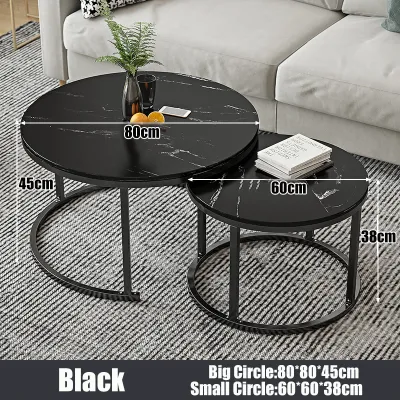


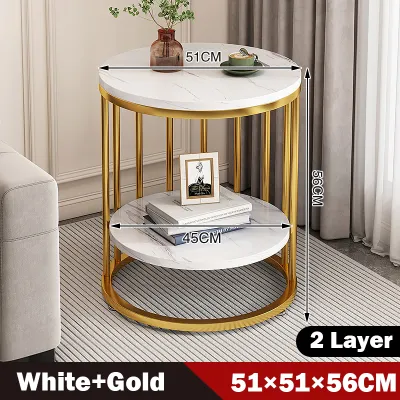
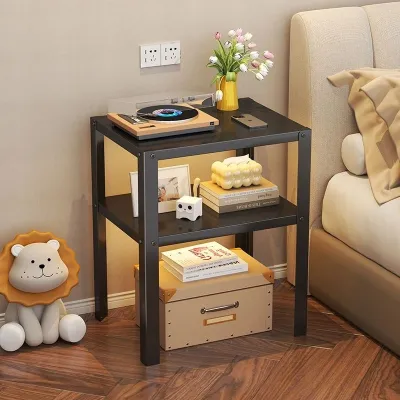
Prices are valid at publication and may change. Please refer to the product page for the latest price.
Next, identify the primary materials and color palettes that define the room. Take note of the wood tones in your bookshelves, the metal finishes on your light fixtures, and the textures of your upholstery. Introducing a coffee table with a completely different wood grain or metal finish can create visual discord if it does not share a common undertone with your existing decor.
Consider the architectural features of your home, such as large windows, exposed concrete walls, or tiled flooring. In tropical climates like the Philippines, tiled or polished concrete floors are common for their cooling properties, and they provide a distinct backdrop for furniture. A heavy, dark wood table might feel overly dominant on a light tiled floor, whereas a lighter frame can create a more balanced, airy feel.
Finally, evaluate the visual weight and negative space within the room. Visual weight refers to how heavy an object looks, which is influenced by its color, material, and design density. A solid block-style wooden table has high visual weight and can ground a large, open-plan living space. If your room already feels crowded, a table with open legs or a glass top preserves negative space, allowing the eye to travel through the room without interruption.
Match Coffee Table Styles to Your Decor
Once you understand your room’s baseline, you can explore specific coffee table styles that complement or intentionally contrast with your current setup. Aligning these styles ensures that your new purchase enhances your home’s overall design narrative.

Minimalist and Scandinavian designs are defined by their simplicity, functional focus, and clean lines. These tables often feature light-colored woods like ash or beech, slender legs, and uncluttered surfaces. They work exceptionally well in bright, airy spaces that prioritize natural light and neutral color schemes. If your living room focuses on calm, functional simplicity, a Scandinavian-style table will maintain that serene atmosphere.
Industrial aesthetics embrace raw, unfinished elements and a utilitarian feel. Look for tables that combine matte black metal frames with distressed wood or concrete-look tops. This style pairs naturally with exposed brick, metal shelving, and leather seating. The rugged nature of industrial tables makes them highly forgiving of daily wear, making them a practical choice for active households.
Mid-century modern tables are easily recognized by their organic geometric shapes, tapered legs, and warm wood tones like walnut or teak. These pieces often feature gently curved triangular or oval tops, which help soften the rigid lines of rectangular sofas. If your living room features retro-inspired furniture, a mid-century modern coffee table adds a timeless, sculptural element to the center of the room.
Transitional styling offers a middle ground for homes that do not fit neatly into a single design category. These tables balance classic traditional details, such as subtly turned legs, with contemporary simplicity and clean profiles. A transitional table is highly versatile, allowing you to update your decor over time without needing to replace your central furniture pieces.
Factor in Size, Shape, and Small-Space Functionality
A coffee table must fit your daily physical movements just as well as it fits your design aesthetic. Proper spacing ensures that you can move comfortably around your seating area without bumping your shins or feeling cramped.
Start by measuring the clearance between the edge of your sofa and the edge of the coffee table. A distance of 30 to 45 centimeters is ideal, as it provides enough legroom while keeping the table surface within easy reach. Additionally, ensure the table leaves at least 60 to 75 centimeters of clearance from other major furniture pieces, such as a television console or armchair, to maintain clear walkways.
The shape of your table should complement your seating configuration. Rectangular tables are highly traditional and pair exceptionally well with standard multi-seat sofas. If you have an L-shaped sectional, a round or square coffee table fits neatly into the corner nook, providing equal access from all seating angles. Round tables are also excellent for high-traffic areas, as the lack of sharp corners prevents painful bumps in tight spaces.
For compact living rooms or studio apartments, multi-functional tables are invaluable. Nesting tables consist of two or three pieces of graduating sizes that slide completely underneath one another when not in use, offering flexible surface area on demand. Lift-top coffee tables feature mechanisms that raise the tabletop to dining or working height, which is ideal if your living room doubles as a home office. Tables with built-in drawers or lower shelves help keep remote controls, magazines, and daily clutter out of sight.
Evaluate Materials and Finishes for Daily Use
The material you choose determines not only the table’s appearance but also how much effort you must dedicate to its upkeep. Different materials react uniquely to household activity and environmental conditions.
Solid wood offers natural warmth and unique grain patterns, but it requires careful maintenance in humid environments. High humidity can cause untreated or poorly sealed wood to expand and contract, potentially leading to warped joints over time. If you opt for solid wood, look for high-quality protective finishes and always use coasters to prevent moisture rings from cold drinks, which are common in warm climates.
Glass and acrylic tables are excellent for creating an illusion of space because they do not block the view of your flooring. They are highly resistant to moisture damage, making them easy to wipe clean after spills. However, glass surfaces show fingerprints, dust, and smudges quickly, requiring frequent cleaning to maintain their pristine look. They may also pose a safety concern if you have active toddlers or pets.
Metal tables, particularly those made of powder-coated steel or aluminum, offer exceptional durability and a sleek, modern profile. They are highly resistant to scratches and impact. When selecting metal furniture, check the quality of the finish to ensure it is rated to resist rust, especially if your home is located in a coastal area or experiences high indoor humidity.
Engineered wood, such as medium-density fiberboard with a high-quality laminate or veneer finish, provides a budget-friendly alternative to solid wood. These materials are highly stable and less prone to warping from humidity. When evaluating engineered wood, check the product specifications to ensure the edges are well-sealed against moisture penetration, which can cause the material to swell.
Finalize Your Selection and Verify Before Buying
Before making your final purchase, run through a practical checklist to ensure your chosen table will transition smoothly from the store to your living room. Taking these final steps prevents delivery day surprises and protects your home investment.
First, verify the delivery path. Measure the width of your front door, hallway corners, stairwells, and any elevator doors the packaged table must pass through. Even if a table fits perfectly in your living room, it can be incredibly frustrating to find that the shipping box cannot clear a tight turn in your apartment building’s stairwell.
Next, double-check the height of the table relative to your sofa. Ideally, the tabletop should be level with or slightly lower than your sofa’s seat cushions, typically within a range of 2 to 5 centimeters. A table that is too high feels awkward to reach over, while one that is too low can make placing a cup down uncomfortable.
Finally, consider the assembly process and floor protection. If the table requires home assembly, review the manufacturer’s instructions to ensure you have the necessary tools and space. Before placing the assembled table on your floor, attach high-quality felt pads to the bottom of the legs. This simple step prevents heavy metal or wooden legs from scratching your tiles, polished concrete, or hardwood floors when the table is shifted during cleaning.
Frequently Asked Questions (FAQ)
Can I mix different design styles for my coffee table and sofa?
Yes, mixing design styles can create a layered, personalized look if done intentionally. The key to successful mixing is finding a common thread, such as a shared color palette, material undertone, or visual weight. For example, you can pair a sleek, modern metal coffee table with a traditional leather sofa if both pieces share clean lines and a similar scale. Avoid mixing too many contrasting styles in a single area, as this can make the space feel cluttered rather than curated.
How do I choose a coffee table for a very small living room?
For highly constrained spaces, prioritize tables that offer visual lightness and multi-functional utility. Look for round or oval shapes to maximize floor space and ease traffic flow. Glass-topped tables or open-frame metal designs keep the room feeling spacious by allowing light to pass through. Additionally, consider nesting tables that can be tucked away when not in use, or tables with built-in storage compartments to help keep the surface clear of daily clutter.
Community discussion
Share your experience or ask a question. Comments are reviewed before publication.