
Choosing a daybed sofa bed for a large Filipino home requires balancing daily family lounging with the sudden need for extra sleeping space during family reunions, holidays, and weekend visits. In a household where relatives frequently stay overnight, this single piece of furniture must serve as a comfortable daytime hub and a supportive nighttime bed. To make the right choice, you must evaluate the physical dimensions of your living space, the durability of the conversion mechanisms, and the resilience of the materials against local tropical conditions.
Assess Your Space and Household Needs
Before browsing online marketplaces or visiting local showrooms, you must establish the exact physical boundaries of your room. A daybed sofa bed requires two distinct sets of measurements: its compact footprint in sofa mode and its fully extended footprint in bed mode. Use a measuring tape to map out the floor area, ensuring that when the bed is fully deployed, there remains at least a two-foot walking path around it so family members can navigate the room safely at night.
Do not overlook the vertical and horizontal clearance of your home’s entry points. Many homeowners purchase large furniture only to find it cannot clear narrow hallways, low ceilings, tight stairwells, or condominium elevators. Measure every doorway, corner, and elevator cabin along the delivery path, and compare these dimensions with the manufacturer’s packaged box dimensions. If your access routes are particularly tight, prioritizing flat-packed models designed for on-site assembly is often the safest approach.
Products mentioned in this guide
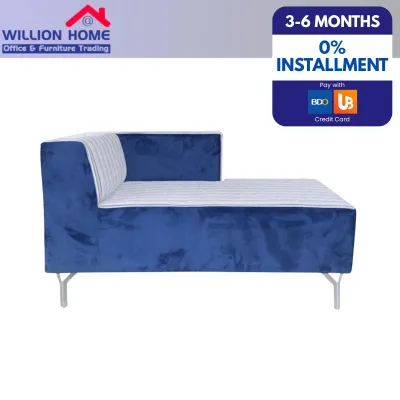


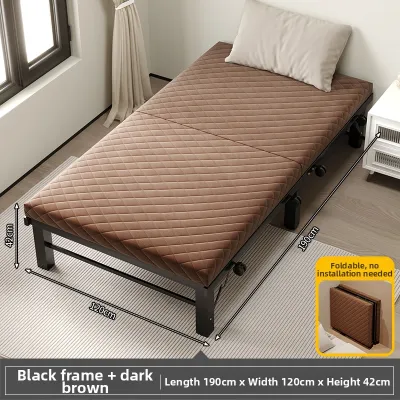
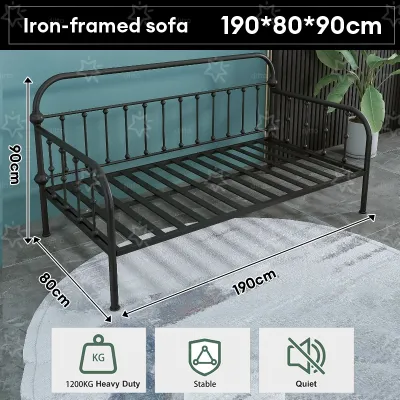


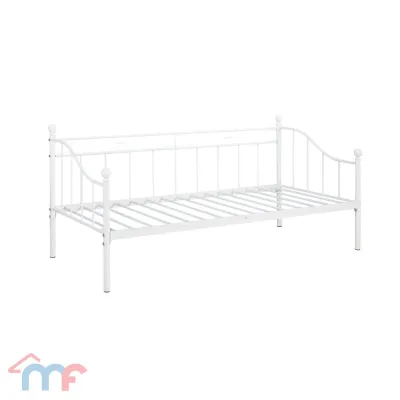
Prices are valid at publication and may change. Please refer to the product page for the latest price.
You should also define how often the sleeping function will be used. If the bed is intended for occasional weekend guests or holiday sleepovers, a standard pull-out mechanism with a lightweight frame may suffice. However, if an extended family member lives with you and uses the daybed as their primary nightly sleeping surface, you must prioritize heavy-duty frames and high-density mattress support systems that can withstand continuous, daily transitions without sagging.
Evaluate Seating and Sleeping Capacity
A large household needs ample seating during the day, making the sofa configuration of your daybed just as important as its sleeping capacity. Standard single-size daybeds function well as deep accent chairs or cozy three-seater couches, but they may not accommodate a large family gathering. For spacious living rooms, modular daybeds or L-shaped configurations offer generous seating areas where multiple family members can sit comfortably together during afternoon rests or movie nights.

When transitioning to sleep mode, the surface area must match the size of your guests. A single daybed with a pull-out trundle can sleep two people separately, which is highly practical for children or cousins sharing a room. Alternatively, a double or queen-size extension model provides a unified sleeping surface suitable for couples. Always check the manufacturer’s specifications for the exact dimensions of the extended sleeping area, as some non-standard sizes may require custom-fitted bed sheets.
If you opt for a modular setup, verify how the individual sections lock together. High-traffic living rooms benefit from secure interlocking brackets that prevent the modular pieces from sliding apart when family members sit down or shift their weight. This stability is crucial for maintaining both comfort and safety, especially in active households with young children or elderly relatives.
Compare Pull-Out and Trundle Mechanisms
The mechanism that converts your sofa into a bed determines how easily your family can use the furniture. Trundle systems, which slide out from underneath the main frame on wheels, are excellent for quick setups. They allow you to keep a second mattress tucked away completely out of sight until it is needed. When evaluating a trundle, look for high-quality, multi-directional casters that roll smoothly across your specific flooring type, whether you have polished concrete, ceramic tiles, or delicate wood laminates.
Pull-out mechanisms, which often involve folding metal frames or sliding wooden slats, require a bit more physical effort to operate. When testing these systems, check for smooth, fluid movement without grinding or catching. High-quality mechanisms should feature safety locks that keep the frame securely in place when fully extended, preventing accidental folding or shifting while your guests are asleep.
The mattress support system underneath is the foundation of comfort and durability. Slatted bases made of solid wood or reinforced metal grids are preferable to thin wire meshes, which tend to sag over time under heavy loads. Ensure the slats are spaced closely together according to the manufacturer’s guidelines to provide even weight distribution and prevent the mattress from sinking between the gaps.
Check Frame Materials and Structural Stability
In a tropical climate, high humidity and seasonal moisture can severely impact furniture longevity. Solid wood frames, such as those made from sustainably sourced hardwoods, offer excellent structural integrity but must be treated with moisture-resistant finishes to prevent warping or rot. If you prefer engineered wood, ensure it features high-quality laminates or veneers that seal the edges against ambient humidity.
Metal frames provide a sleek, modern aesthetic and exceptional weight capacity, making them highly suitable for large families. However, in coastal areas or high-humidity regions, untreated metal can rust over time. Look for powder-coated or rust-resistant metal frames, and regularly inspect the joints for any signs of paint chipping or oxidation. Regardless of the material, check the manufacturer’s official load capacity labels to ensure the frame can safely support the combined weight of multiple seated adults.
The quality of the joints and hardware is what keeps a daybed stable over years of heavy use. Inspect the connection points to see if they rely on sturdy metal brackets, dowels, or corner blocks rather than simple wood screws. Loose joints lead to wobbling, squeaking, and eventual structural failure. Choosing a frame with robust, replaceable hardware ensures you can easily tighten the connections if they loosen slightly after seasons of frequent use.
Plan for Delivery, Assembly, and Daily Maintenance
Bringing a new daybed sofa bed into your home requires careful logistical planning. When purchasing, clarify whether the retailer offers professional delivery and assembly services, or if you will need to assemble the unit yourself. Professional assembly is highly recommended for complex pull-out mechanisms, as incorrect installation can misalign the moving parts, leading to premature wear or operational failure.
Before finalizing your purchase, carefully review the manufacturer’s warranty terms. A reliable warranty should cover structural frame defects and mechanism failures for at least one to two years. Keep your receipt and warranty documents in a safe, dry place, and take note of any specific actions—such as exceeding the stated weight limit or using an incompatible mattress—that might void your coverage.
Maintaining your daybed sofa bed preserves both its appearance and functionality. Establish a simple routine to inspect the moving parts every few months, tightening any loose bolts and applying silicone-based lubricants to metal hinges if they begin to squeak. For upholstery care, follow the manufacturer’s cleaning codes strictly; removable, washable slipcovers are highly practical for busy households, while performance fabrics can be spot-cleaned with a damp cloth to manage spills and tropical dust. When planning your budget, remember to account for delivery and assembly fees, which are typically charged in ₱ depending on your distance from the retail warehouse.
Frequently Asked Questions (FAQ)
Can a daybed sofa bed support daily sleeping?
Yes, a daybed sofa bed can support daily sleeping, provided you select a model specifically engineered for continuous use. Standard models designed for occasional guests may wear out quickly if subjected to nightly folding and unfolding. For daily use, prioritize a heavy-duty solid wood or reinforced metal frame paired with a high-density foam or pocket-spring mattress. Always consult the manufacturer’s specifications regarding continuous load limits and frame durability to ensure the unit is rated for daily residential sleeping.
What mattress thickness works best for a pull-out daybed?
The ideal mattress thickness depends entirely on the specific design of your daybed’s pull-out or trundle mechanism. For trundle beds that slide completely underneath the main frame, you must measure the vertical clearance between the floor and the underside of the sofa seat. Typically, trundle mattresses must be relatively thin—often between 4 to 6 inches—to slide in and out without catching. For pull-out models where the mattress folds or stacks, check the manufacturer’s maximum height clearance guidelines to ensure the mechanism can close fully and securely without damaging the fabric or internal frame.
Community discussion
Share your experience or ask a question. Comments are reviewed before publication.