
To showcase a stuffed toy collection beautifully while keeping it safe, look for a display cabinet featuring clear tempered glass or acrylic panels, tight door seals, adjustable shelving, and integrated LED lighting. In a tropical climate where dust and humidity are constant challenges, a standard open bookcase often falls short. A dedicated display cabinet creates a controlled environment that protects delicate fabrics from airborne particles and moisture while keeping your favorite plushies fully visible.
Choosing the right display unit requires balancing aesthetics with protective features. By focusing on how a cabinet seals out dust, filters light, and adapts to different toy sizes, you can preserve the soft textures and vibrant colors of your collection for years to come.
Why Regular Storage Falls Short for Plush Collections
Standard bookcases and open shelves expose stuffed toys to a continuous barrage of environmental hazards. Unlike hard collectibles made of plastic or vinyl, plush toys are crafted from porous fabrics, synthetic fibers, and delicate stitching. These materials act like magnets for airborne dust, pet dander, and microscopic pollutants. Over time, dust settles deep into the pile of the fabric, leading to fiber degradation, discoloration, and a musty odor that is incredibly difficult to wash out without damaging the toy’s structural integrity.
Products mentioned in this guide
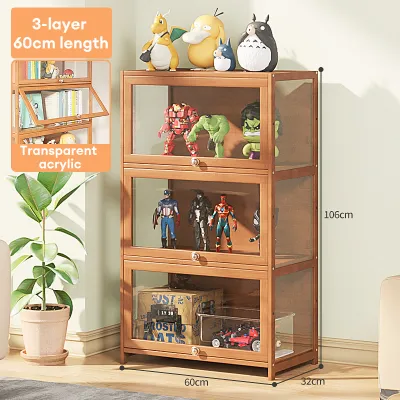
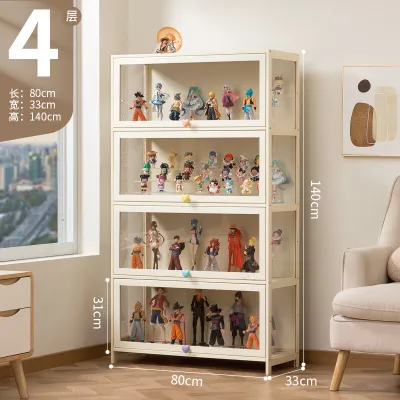
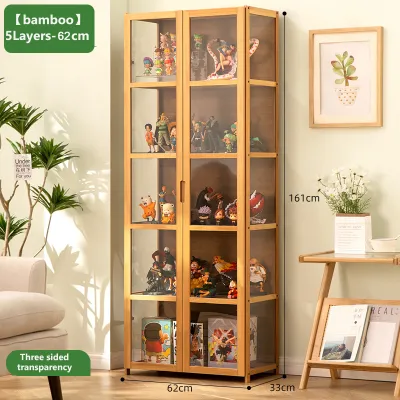
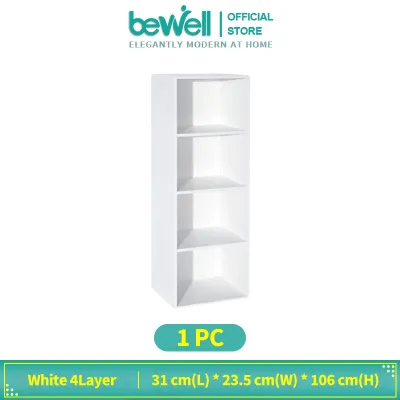
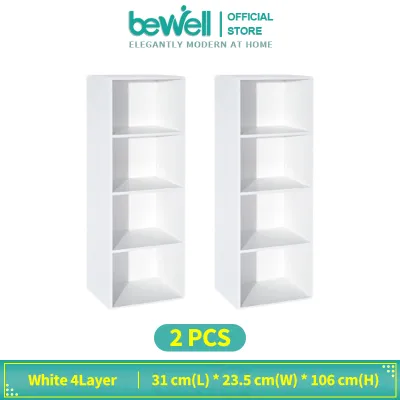
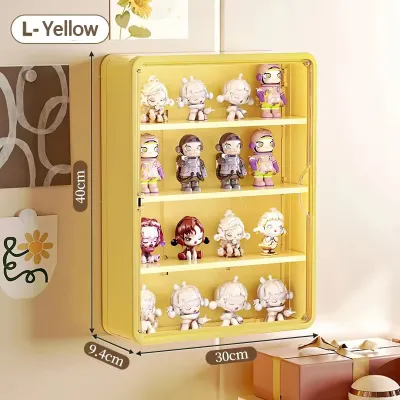
Prices are valid at publication and may change. Please refer to the product page for the latest price.
Exposure to light is another silent threat to plush collections. Direct sunlight from nearby windows or harsh ambient indoor lighting can cause rapid fading of vibrant dyes. Beyond cosmetic damage, prolonged exposure to ultraviolet rays and heat can make synthetic fabrics brittle, causing backing materials to crumble and seams to split. Standard shelving units offer absolutely no protection against these light-induced damages, leaving your valued items vulnerable to premature aging.
While opaque plastic bins or closed wooden wardrobes protect toys from dust and light, they defeat the primary joy of collecting: visual appreciation. Hiding your plushies away in dark storage containers turns a curated collection into mere clutter. A proper display cabinet solves this dilemma by acting as a protective barrier that keeps your items clean and safe while presenting them as a beautiful, organized exhibit.
Essential Features for a Stuffed Toy Display Cabinet
Selecting a display cabinet specifically for stuffed toys requires looking beyond basic shelving. A suitable unit must balance high visibility with a controlled internal environment. To achieve this, you need to evaluate four critical pillars of display design: transparency, sealing, structural flexibility, and illumination.

These four features work in tandem to create a stable micro-environment. When properly balanced, they minimize the need for frequent cleaning, prevent physical damage to the toys, and enhance the overall visual appeal of your room. Let us examine how each of these features contributes to the longevity of your collection.
Glass Panels and UV Protection
Maximum visibility is the primary goal of any display cabinet, making the choice of panel material highly important. Standard glass offers excellent clarity and scratch resistance, but it can be heavy and fragile. Tempered glass is a much safer alternative for home environments, as it is processed to be significantly stronger than regular glass and crumbles into small, blunt pieces rather than sharp shards if broken. Acrylic is another popular option; it is lightweight, highly shatter-resistant, and offers superb clarity, though it requires careful handling to avoid surface scratches.
To protect delicate fabrics from fading, check the manufacturer’s specifications for UV-filtering properties on the glass or acrylic panels. If the cabinet you prefer does not come with built-in UV protection, you can purchase and apply aftermarket UV-blocking window films directly to the panels. This simple addition helps filter out harmful rays without compromising the view of your collection.
Glare can also impact how well you can see your display, especially in bright rooms or spaces with large windows. When positioning your cabinet, observe how light reflects off the front panels at different times of the day. Choosing anti-reflective glass or placing the cabinet perpendicular to windows can dramatically reduce glare, ensuring your plushies remain the main focus.
Dust Protection and Door Seals
Minimizing dust ingress is essential to reducing the time spent vacuuming and cleaning your plush toys. Look for cabinets designed with tight-fitting doors that feature magnetic closures or integrated weather-stripping. Magnetic latches pull the doors flush against the cabinet frame, creating a firm seal that keeps floating dust particles from drifting inside every time someone walks past.
While open shelving allows for easy access, fully enclosed cabinets are far superior for long-term preservation. In humid tropical climates, however, completely sealed spaces can trap moisture, which may lead to mold growth on organic fabrics. To counter this, look for cabinets that offer a balance: tight seals to block dust, but with small, filtered ventilation gaps or doors that you can easily open periodically to let the air circulate on dry days.
Before finalizing a purchase, inspect the gap tolerances around the hinges, sliding tracks, and panel joints. Gaps wider than two millimeters are large enough to let dust and small insects enter. If you find a cabinet you love that has slightly wider gaps, you can easily remedy this by applying slim, transparent silicone seal strips or brush seals along the door edges.
Adjustable Shelving and Weight Capacity
Plush collections are rarely uniform; they often range from tiny keychain plushies to oversized, heavy teddy bears. A cabinet with fixed shelves limits your display options and can lead to wasted vertical space. Look for units featuring pre-drilled peg holes or continuous metal track systems. These allow you to adjust the height of each shelf to perfectly frame different sizes of toys, maximizing your storage capacity.
Although stuffed toys are generally lightweight, a dense collection of large plushies can add up to a surprising amount of weight. Check the manufacturer’s stated weight limit per shelf to ensure it can support your items without bowing. Glass shelves should be made of thick, tempered glass supported by sturdy metal brackets, while wooden or engineered wood shelves should be checked for center support bars if they span a wide distance.
Shelf depth is another critical dimension to verify. Stuffed toys often have deep-seated profiles or wide limbs that require ample space. Measure your largest plush items from back to front and ensure the cabinet shelves are deep enough to accommodate them comfortably. Forcing a plush toy against the glass door can compress its stuffing, leading to permanent deformation over time.
Lighting Options for Visual Appeal
Integrated lighting transforms a simple storage unit into a striking focal point. When selecting a cabinet with built-in lights, or when planning to install your own, always prefer LED strips over traditional incandescent or halogen bulbs. LEDs run exceptionally cool, which is crucial because heat buildup in a closed cabinet can degrade synthetic fibers, melt adhesives, and pose a fire hazard.
Consider how the lighting system is powered and wired. High-quality display cabinets often feature built-in wiring channels, pre-drilled pass-through holes, or hidden grooves that allow you to run power cords neatly to the back of the unit. If the cabinet lacks these features, you can opt for clean, battery-operated LED puck lights that stick to the underside of the shelves, eliminating the need for visible wires.
Color temperature plays a major role in how your collection looks. Warm white lighting (around 3000K) creates a cozy, inviting atmosphere that complements soft, pastel-colored plushies. Neutral white lighting (around 4000K) provides a clean, daylight-mimicking glow that highlights intricate details and vibrant colors accurately. Avoid extremely cool blue tones, which can make your display look clinical and cold.
Space, Dimensions, and Placement Checks
Before purchasing a display cabinet, you must verify that it will physically fit into your home and remain stable. Begin by measuring the exact floor space where you plan to place the unit, taking note of baseboards, light switches, wall outlets, and window frames. Compare these measurements against the cabinet’s fully assembled external dimensions to ensure a perfect fit.
Do not forget to measure the path the cabinet must take to reach its final destination. Check the width and height of all entry doorways, narrow hallways, stairwells, and elevator doors. If you are purchasing a pre-assembled unit, these clearance checks are critical to avoid delivery day disasters. For flat-pack furniture, ensure you have enough open floor space in the room to safely lay out the parts and assemble the unit.
Consider the cabinet’s footprint in relation to the room’s traffic flow. Ensure that there is ample clearance in front of the cabinet for the doors to swing open fully without hitting nearby furniture, walls, or blocking walkways. Sliding glass doors are an excellent, space-saving alternative if you are placing the cabinet in a narrow hallway or a compact bedroom.
Stability is paramount, especially for tall, narrow, or top-heavy display cabinets. Stuffed toys are light, but the cabinet itself—especially one with multiple glass panels—can be highly unstable on uneven floors or thick carpeting. Always verify that the cabinet includes an anti-tip kit. Anchoring the unit securely to the wall studs is a non-negotiable safety step to prevent tipping hazards, protecting both your collection and the members of your household.
Material and Finish Considerations
In tropical environments characterized by high humidity, the materials used to construct your cabinet require careful evaluation. Solid wood, while beautiful and durable, can expand and contract with seasonal humidity changes, potentially causing doors to stick or joints to loosen. Engineered wood, such as medium-density fiberboard (MDF) or particleboard, is more stable in humid conditions but must be completely sealed with a high-quality laminate or veneer to prevent moisture from seeping in and causing the material to swell.
Always review the manufacturer’s care and maintenance instructions for the specific finishes used on the cabinet. Metal frames should have a rust-resistant powder coating to prevent corrosion in humid air. If you choose a wooden cabinet, ensure it has a smooth, non-porous protective topcoat that can be easily wiped down with a damp cloth without stripping the finish.
Inspect the interior surfaces of the cabinet before placing your plushies inside. Run your hand along the shelves, backboards, and door frames to check for rough spots, exposed staples, un-sanded wood grain, or sharp metal edges. These imperfections can easily snag delicate plush fabrics, tear embroidery threads, or pull loose fibers, causing permanent damage to your favorite items.
Pay close attention to the quality of the edge banding on engineered wood shelves. High-quality, thick PVC edge banding protects the vulnerable edges of the shelves from moisture and physical wear. Check that the joints where the panels meet are tight, flush, and reinforced with sturdy hardware, ensuring the cabinet remains rigid and level over years of use.
Your Pre-Purchase Feature Checklist
To help you compare different display cabinets and make an informed decision, use this structured checklist before finalizing your purchase:
- Dimensions & Clearance: Have you measured the available floor space, ceiling height, and door clearances? Will the cabinet doors open fully without blocking walkways?
- Dust & Moisture Protection: Does the cabinet feature magnetic door closures or integrated seals? Are the gap tolerances around the doors under two millimeters?
- Shelving Flexibility: Are the shelves adjustable? Is the weight capacity per shelf clearly specified by the manufacturer? Are the shelves deep enough for your largest plushies?
- Lighting Compatibility: Does the cabinet support LED lighting? Are there built-in wiring channels or grommets to hide power cords?
- Material Quality: Are the interior surfaces completely smooth and free of snags? Is the finish suitable for your room's humidity levels?
- Safety & Stability: Does the cabinet include an anti-tip wall-anchoring kit? Is the base wide and stable enough for your flooring type?
When setting your budget, remember to prioritize essential protective features over purely cosmetic extras. A basic, well-sealed cabinet that keeps dust out is far more valuable to the preservation of your collection than an expensive, unsealed unit with ornate carvings. Allocate a realistic amount, such as ₱8,000 to ₱15,000, for a sturdy, mid-range cabinet that offers tempered glass and adjustable shelving.
Before checking out, verify the retailer’s return policies, assembly requirements, and warranty terms. Some cabinets arrive flat-packed and require extensive assembly, while others may offer professional installation services for a small fee. Finally, take the time to cross-reference user reviews, looking specifically for feedback regarding door alignment, shelf sagging under load, and how well the unit keeps out dust over months of real-world use.
Frequently Asked Questions (FAQ)
How often should I clean the inside of a sealed display cabinet?
Even in a well-sealed cabinet, microscopic dust particles will eventually find their way inside over time, especially in high-traffic rooms or areas near open windows. Generally, a sealed display cabinet only requires a thorough interior cleaning once every six to twelve months. If you notice a fine layer of dust settling on the top shelves, or if the door seals show signs of wear, it is time to schedule a cleaning.
When cleaning, remove all plush toys carefully. Use a soft, dry microfiber cloth to wipe down the interior surfaces. For glass panels, a standard glass cleaner applied to a cloth works perfectly. For acrylic panels, avoid using glass cleaners, ammonia, or alcohol-based sprays, as these chemicals can cause the acrylic to cloud or develop tiny surface cracks; instead, use a specialized acrylic cleaner or a soft cloth dampened with mild, soapy water.
Can I use adhesive hooks inside the cabinet to hang smaller plush toys?
Using adhesive hooks is a popular way to utilize vertical space for hanging smaller plush keychains, but you must check the cabinet’s interior material first. Adhesives bond exceptionally well to smooth, non-porous surfaces like glass, metal, or high-gloss laminates. However, they may not adhere well to unfinished wood or textured backboards, and removing them later can peel away paint, veneer, or paper backings, potentially voiding your cabinet’s warranty.
If you decide to use adhesive hooks, choose high-quality, damage-free hanging strips designed for clean removal. To avoid surface damage entirely, consider alternative hanging methods. You can install a slim tension rod between the cabinet walls to hang plushies with clip-on hangers, or use small magnetic hooks if your display cabinet features a metal frame or steel support pillars.
Community discussion
Share your experience or ask a question. Comments are reviewed before publication.