
Choosing a double deck bed for a compact condo bedroom in the Philippines requires balancing vertical space with floor-level functionality. In metropolitan areas where residential developments favor compact layouts, maximizing every square meter is essential for maintaining a comfortable home. A double deck bed offers an excellent way to utilize vertical space, freeing up valuable floor area for study desks, wardrobes, or open walkways. However, finding the right fit involves more than just selecting an appealing design; it requires precise spatial planning, structural evaluation, and logistical preparation.
To ensure your new bed enhances your living space rather than crowding it, you must approach the purchase with a clear plan. This guide walks you through the essential measurements, configuration choices, safety checks, and delivery logistics needed to confidently select a double deck bed that physically fits and functions seamlessly in your compact condo.
Measure Your Space and Ceiling Clearance First
Before browsing online catalogs or visiting furniture showrooms, you must establish the exact physical boundaries of your bedroom. Begin by measuring the available floor footprint, keeping in mind that a bed frame is always slightly larger than the mattress size it accommodates. When mapping out where the bed will stand, account for the swing radius of wardrobe doors, bedroom entry doors, and any nearby cabinet drawers. You should maintain a clear walkway of at least 60 centimeters around the accessible sides of the bed to ensure comfortable movement throughout the room.
Products mentioned in this guide
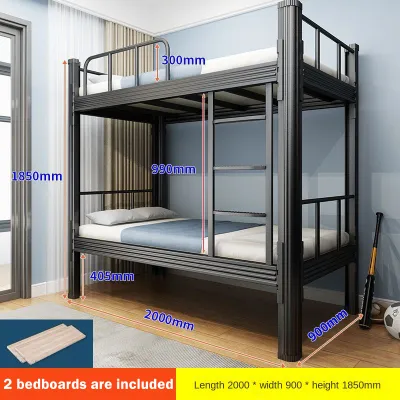
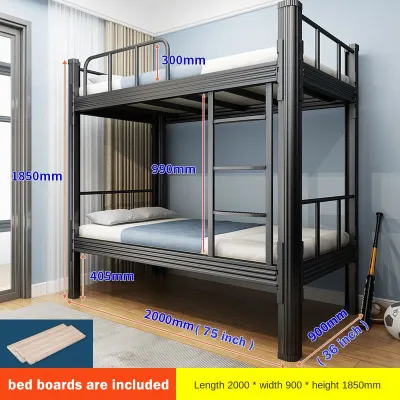
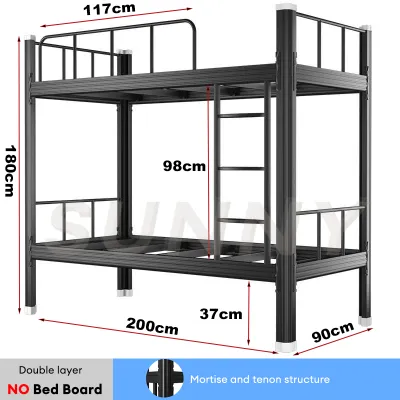
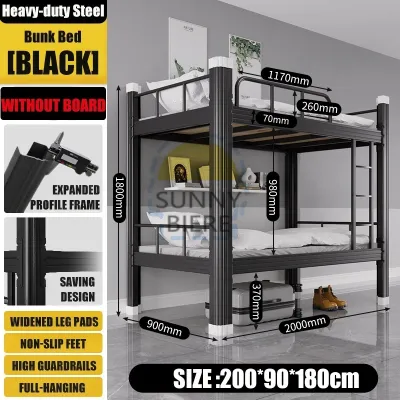
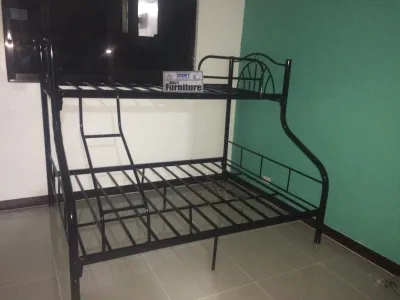
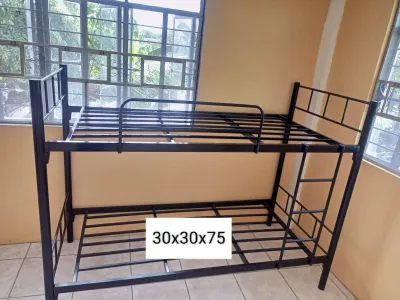
![[Manila 24-hour Boat] Iron Bed Up and Down Staff Dormitory Student High and Low Bed 180 * 200 * 90/120CM Dormitory Apartment 90CM Iron Bed Up and Down Double Iron Frame Bed](https://img.lazcdn.com/g/p/d01a5b9ff7546a0690487f60f7d22389.jpg_400x400q80.jpg_.webp)
Prices are valid at publication and may change. Please refer to the product page for the latest price.
Ceiling height is the most critical and often overlooked measurement when planning for a double deck bed. In many Philippine condominium developments, standard ceiling heights range between 2.4 and 2.7 meters. To determine if a bed is suitable, measure from the floor to the ceiling, then subtract the height of the bed frame and the thickness of the top mattress. For safety and comfort, the top bunk occupant needs at least 75 to 90 centimeters of vertical clearance between the top of their mattress and the ceiling to sit up comfortably without risk of head injury.
In addition to basic height, you must inspect the ceiling and upper walls for potential structural obstacles. Look for split-type air conditioning units, ceiling fans, light fixtures, and structural beams that might protrude into the sleeping space. A top bunk positioned too close to an active ceiling fan or directly in the path of an air conditioning draft can create safety hazards and discomfort. Ensure the bed placement leaves a safe distance of at least one meter between the top bunk guardrail and any moving or heating fixtures.
Evaluate Bed Configurations and Footprints
Double deck beds come in several configurations, each offering distinct spatial advantages depending on your room’s layout. A standard twin-over-twin configuration features two identical single beds stacked directly on top of each other, offering the most compact footprint and leaving the maximum amount of floor space open. If you need to accommodate sleepers of different ages or sizes, a twin-over-full configuration provides a wider lower bed, though this design requires a wider floor area and can make a narrow room feel more restricted.

For rooms with unique layouts, L-shaped double deck beds position the top and bottom bunks perpendicularly. While this configuration creates a cozy, open feel underneath the top bunk and often accommodates a built-in desk or shelving unit, it demands a much larger, square-shaped floor area. If your condo bedroom is long and narrow, a linear stacked design is almost always the more efficient choice to preserve natural traffic flow.
Integrated storage features are highly beneficial in compact condo units, as they eliminate the need for standalone dressers or chests of drawers. Look for double deck beds that feature built-in under-bed drawers, shelving units built into the frame, or integrated study desks. When evaluating these options, verify that you have sufficient clearance to fully extend any drawers or pull out desk chairs without blocking walkways or colliding with other furniture pieces.
The choice between a ladder and a staircase also significantly impacts both safety and the overall footprint of the bed. Vertical ladders that attach directly to the side of the frame occupy zero additional floor space, making them the ideal choice for extremely tight rooms. However, they require more physical effort and agility to climb. Staircases with built-in storage drawers are much easier and safer to navigate, but they can add 30 to 50 centimeters to the overall length of the bed unit, which may not fit in a highly restricted space.
Check Structural Safety and Weight Limits
When elevating a sleeping surface, structural integrity is paramount to ensure the safety of all occupants. Always verify the manufacturer’s specified weight limits for both the top and bottom bunks, which are typically listed on the product packaging, assembly manual, or manufacturer specification sheets. Keep in mind that these weight limits must accommodate not only the weight of the sleeper but also the weight of the mattress, pillows, and heavy bedding.
Guardrails are a non-negotiable safety feature for any top bunk configuration. Inspect the height of the guardrails to ensure they extend at least 12 to 15 centimeters above the top surface of the mattress. If you plan to use a thick spring mattress, ensure the guardrails are tall enough to maintain this safety margin; otherwise, opt for a thinner foam mattress on the top bunk. Additionally, check that the gaps between the guardrail slats are narrow enough to prevent accidental slips or entrapment.
The materials and joint construction of the bed frame directly influence its long-term stability and durability. In the tropical climate of the Philippines, high humidity levels can affect furniture materials over time. When choosing a frame, inspect the quality of the joints and fasteners; look for heavy-duty steel bolts and reinforced corner brackets rather than simple wood screws. For wooden frames, check that the wood is properly sealed and treated to resist moisture, while metal frames should feature a durable, rust-resistant powder-coated finish to prevent corrosion.
Plan for Delivery and Condo Access
A common oversight when purchasing large furniture for a condominium is failing to plan for the delivery process. Before finalizing your order, you must verify that the packaged boxes can physically transition from the delivery truck to your bedroom. Measure the height, width, and depth of your building’s service elevator, as well as the width of the corridors, stairwell turns, and your unit’s front door frame. Many condo associations have strict guidelines regarding delivery hours and elevator usage, so coordinate with your property management office in advance.
Review the assembly requirements and tools needed before the delivery day. Double deck beds are typically delivered flat-packed and require assembly inside the bedroom due to their size. Ensure you have a clear workspace within the room to lay out the components and safely assemble the frame. Some designs require the frame to be assembled flat on the floor and then raised upright, which demands significant ceiling clearance and floor space during the build process.
Finally, decide whether to undertake the assembly as a DIY project or hire professional installers. While DIY assembly can save on upfront costs, complex double deck beds with integrated stairs, desks, or heavy solid wood components are often best left to professionals. Professional installers have the specialized tools and experience to ensure the frame is perfectly level, all joints are securely tightened, and the structure is safely anchored to the wall if required by the manufacturer’s instructions.
Frequently Asked Questions (FAQ)
Can I use a double deck bed if my room has a low ceiling?
Yes, you can use a double deck bed in a room with a low ceiling by selecting a low-profile frame design. Low-profile double deck beds sit closer to the floor, reducing the overall height of the unit and maximizing the space above the top bunk. To ensure safety, pair the top bunk with a thin mattress, typically between 10 and 15 centimeters thick, to preserve as much vertical clearance as possible so the occupant can sit up comfortably without hitting the ceiling.
Are metal or wood frames better for small bedrooms?
Both materials offer distinct advantages for compact spaces, and the choice depends on your aesthetic preferences and structural needs. Metal frames generally feature slimmer profiles and lighter visual weights, which can make a small bedroom feel more open and less cluttered. Wood frames tend to be bulkier but offer a classic, sturdy aesthetic and excellent long-term stability. Whichever material you choose, verify that the joints are reinforced with high-quality hardware and check the manufacturer’s care instructions to ensure the frame remains stable and squeak-free over time.
Community discussion
Share your experience or ask a question. Comments are reviewed before publication.