
Selecting the right dresser stool is more than just finding an attractive seat that matches your vanity table. A well-chosen stool acts as the functional anchor of your daily grooming routine, directly impacting your posture, comfort, and the overall organization of your bedroom. If a stool is too tall, you will find yourself hunching over your mirror; if it is too wide, it will block pathways and clutter your room. To find the ideal balance, you must look beyond surface aesthetics and evaluate key features such as physical clearance, cushion density, upholstery durability under tropical conditions, and structural stability. This guide provides a practical, step-by-step framework to help you analyze these measurable features, ensuring your purchase perfectly complements both your personal routine and your living space.
Measure First: Sizing, Clearance, and Stability
Before browsing online marketplaces or local furniture showrooms, you must take precise measurements of your vanity table’s knee hole or the under-desk opening. Use a metal measuring tape to record the width, height, and depth of this empty space. If your bedroom has limited floor space, a stool that cannot tuck in completely will constantly obstruct foot traffic. Pay close attention to any low-hanging drawers, decorative aprons, or support bars underneath the table surface, as these structural elements can significantly reduce the actual vertical clearance available for your knees and the stool itself.
Ergonomic comfort during detailed makeup application or skincare routines depends heavily on the vertical distance between the seat cushion and the tabletop. As a general standard, aim for a seat-to-table height difference of 10 to 12 inches (approximately 25 to 30 centimeters). This gap allows your thighs to clear the underside of the table comfortably while keeping your elbows at a natural angle for precise hand movements. If the stool is too low, you will struggle to reach the mirror properly, leading to neck strain; if it is too high, you will be forced to bend your back constantly.
Products mentioned in this guide
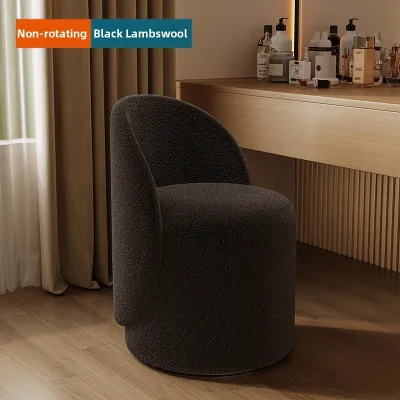
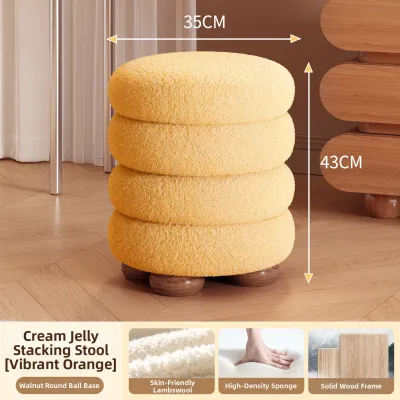
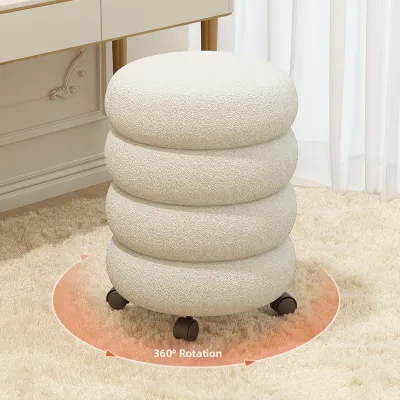
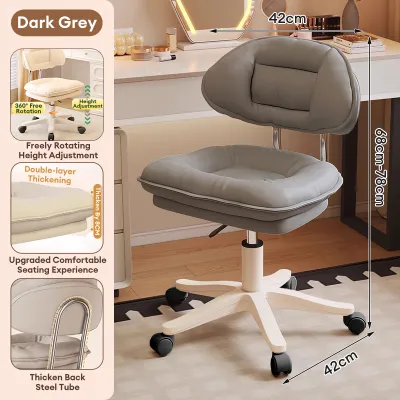
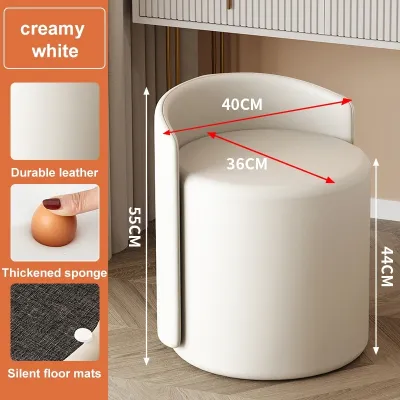
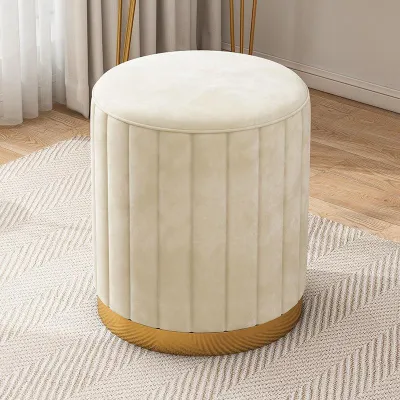
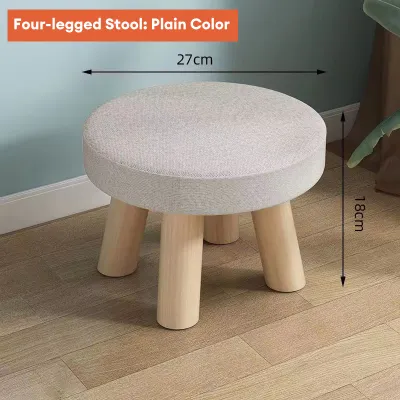
Prices are valid at publication and may change. Please refer to the product page for the latest price.
A stable base is essential for preventing accidents, especially when you are leaning forward to apply eyeliner or style your hair. When reviewing product specifications, check the manufacturer’s stated weight capacity and the physical footprint of the stool’s base. Stools with a wider leg splay generally offer superior stability compared to those with highly vertical, narrow legs. Because many homes in the Philippines feature polished tile, vinyl, or hardwood flooring, look for stools equipped with non-slip rubber foot pads or dense felt glides. These small components prevent the stool from sliding unexpectedly on smooth surfaces and protect your flooring from unsightly scratches.
If you are considering a stool with a swivel mechanism or built-in casters, you must evaluate the potential safety risks within your household. Swivel mechanisms should operate smoothly without excessive resistance, but they must also possess a heavy, centered base to prevent tipping when you sit down or stand up. In households with active pets or young children, lightweight rolling stools can easily slide away when stepped on or pushed, posing a fall hazard. Always verify that any wheeled model features locking casters or a sufficiently heavy frame to remain stationary when required.
Comfort and Upholstery: Choosing the Right Cushion and Fabric
The interior construction of the seat cushion determines how comfortable the stool will remain over months of daily use. High-density polyurethane foam is the preferred choice for those who spend 30 minutes or more on their daily beauty routines, as it offers firm, resilient support that keeps your spine aligned and resists sagging over time. Conversely, softer fills like standard memory foam or loose polyester fiberfill provide a plush, cloud-like feel initially, but they tend to compress rapidly under weight. Over time, low-density cushions can flatten completely, leaving you sitting directly on the hard wooden or metal support plate underneath.

Selecting the right upholstery requires balancing aesthetic preferences with the realities of tropical climates and inevitable cosmetic spills.
- Faux Leather and PU: Polyurethane (PU) and faux leather are highly practical for vanity setups because you can easily wipe away liquid foundation, powder fallouts, and toner spills with a damp cloth. However, in warm, humid rooms without continuous air conditioning, these synthetic materials can feel sticky and trap body heat against your skin during extended use.
- Linen and Cotton Blends: Natural linen and cotton fabrics offer excellent breathability and a relaxed, classic look that keeps you cool in tropical weather. The primary drawback is their high susceptibility to staining from makeup pigments and skincare oils. If you prefer woven fabrics, look for product descriptions indicating stain-resistant treatments, or choose a stool that features a removable, machine-washable slipcover.
- Velvet: Velvet upholstery adds an undeniable touch of luxury and visual warmth to a bedroom. However, velvet acts as a magnet for loose powder, hair strands, and dust. Maintaining its plush texture requires regular brushing with a soft-bristled fabric brush and immediate, careful spot-cleaning with specialized upholstery cleaners when spills occur.
Do not rely solely on generic marketing claims like “completely waterproof” or “stain-proof” when choosing a dresser stool. Instead, read the manufacturer’s detailed material tags and official care instructions. True stain resistance is often the result of specific chemical coatings or synthetic fiber weaves, which should be explicitly detailed in the product manual. If the care instructions warn against water exposure or suggest dry-cleaning only, the fabric is likely highly delicate and may not be suitable for a high-use makeup vanity.
Hidden Storage and Functional Features
For those living in compact apartments or condominiums, maximizing vertical and hidden storage is a constant priority. A lift-top storage ottoman serves as a highly efficient double-duty furniture piece, providing a comfortable seat while concealing a spacious compartment underneath. This hidden space is ideal for stashing bulky hair dryers, curling irons, seasonal cosmetics, or extra towels, keeping your vanity tabletop completely clutter-free. However, keep in mind the physical trade-off: storage ottomans are structurally solid down to the floor, making them significantly heavier and more difficult to slide out of the way compared to open-legged stools.
If your bedroom layout requires you to move frequently between your vanity table, wardrobe, and full-length mirror, a stool with functional mobility can streamline your routine. A 360-degree swivel base allows you to turn freely without scraping the stool’s legs across the floor. Rolling casters offer effortless movement, but they are highly sensitive to flooring types. On thick area rugs, small plastic casters can easily snag and tilt, while on unsealed hardwood floors, hard plastic wheels can leave permanent track marks. If you choose a rolling stool, ensure the wheels are made of soft polyurethane or rubber designed for your specific flooring.
Shared vanity spaces—such as a master bathroom or bedroom vanity used by partners or family members of different heights—benefit greatly from height-adjustable stools. These models typically utilize a pneumatic gas lift or a manual screw-thread mechanism to raise or lower the seat. Before purchasing an adjustable model, verify the manufacturer’s weight limits and read customer feedback regarding the durability of the hydraulic cylinder. Over time, lower-quality gas lifts can lose pressure, causing the seat to sink slowly while in use.
Frame Materials and Style Coordination
The high relative humidity experienced throughout the Philippines means that structural materials must be chosen with environmental resilience in mind. If you prefer the sleek look of metal frames, ensure the product specifications state that the metal has been treated with a rust-resistant powder coating, chrome plating, or electroplated finish to prevent oxidation. For solid wood frames, raw or poorly treated timber can absorb atmospheric moisture, leading to warping, joint loosening, and mold growth. Look for wooden stools that have been thoroughly sealed with protective polyurethane, lacquer, or specialized wood oils that block moisture penetration.
Transparent acrylic or Lucite stools have become highly popular for modern and minimalist vanity setups. Because they are visually clear, they allow light to pass through, making small bedrooms feel more spacious and less visually crowded. Despite their airy appearance, high-quality acrylic stools can be incredibly sturdy, provided you check the material thickness. Look for acrylic sheets that are at least 10 to 15 millimeters thick to prevent bowing under weight. Keep in mind that acrylic is highly prone to surface scratches; avoid using harsh chemical sprays or abrasive microfiber cloths, and clean the surface only with mild soapy water and a soft, non-abrasive cotton cloth.
To create a cohesive bedroom aesthetic, your stool should harmonize with the design language of your existing vanity table. For instance, if you own a mid-century modern walnut vanity, look for a stool featuring tapered wooden legs and neutral-toned fabric to maintain clean, organic lines. If your vanity is a glamorous, high-gloss white table, a stool with polished gold-plated metal legs and a button-tufted velvet cushion will elevate the luxurious feel of the space. Rather than relying on stylized marketing photos, compare the official dimension diagrams and color swatches of both items to ensure the wood stains, metal finishes, and physical proportions align beautifully.
Recommended Dresser Stool Profiles for Different Vanity Setups
Compact and Foldable Stools for Small Spaces
If your vanity corner is tucked into a tight hallway or a small bedroom nook, a compact, backless, or foldable stool is the most practical choice. These designs prioritize utility and a minimal physical footprint, allowing you to fold the frame flat and store it in a closet or slide it completely under the vanity desk when not in use. When shopping for foldable models, always verify the folded dimensions to ensure they fit your intended storage spot. Most importantly, carefully inspect the locking mechanism; a high-quality safety lock or bracing bar is essential to prevent the frame from folding or collapsing unexpectedly while you are seated.
Storage Ottomans for Clutter-Free Vanities
For individuals who struggle with limited drawer space, a dedicated storage ottoman is an excellent organizational tool. Look for cube or rectangular designs that feature reversible lids—these clever designs offer a thickly padded cushion on one side for comfortable seating, which can be flipped over to reveal a hard wooden tray surface on the other side, perfect for holding a cup of coffee or a makeup brush holder. When evaluating these ottomans, check the internal storage depth to ensure your tallest hair spray bottles or styling tools can stand upright. Additionally, prioritize models with high-quality, slow-closing safety hinges to prevent the heavy lid from slamming down on your fingers.
Backrest vs. Backless Stools for Posture and Space
Choosing between a backrest and a backless silhouette is a direct trade-off between ergonomic support and spatial efficiency. Backless stools are visually lightweight, highly versatile, and can be pushed entirely underneath your vanity table, keeping your walkways clear. They are ideal for quick, 10-to-15-minute grooming routines. However, if your daily makeup and hair styling routine regularly exceeds 30 minutes, a backless design can lead to slouching and lower back fatigue. A stool with a supportive backrest provides essential lumbar support, helping you maintain proper spinal alignment during long sessions. The trade-off is that backrest models require significantly more clearance space behind the vanity and cannot be tucked away out of sight, making them better suited for larger bedrooms.
Frequently Asked Questions (FAQ)
What is the ideal height difference between a vanity table and its stool?
The standard ergonomic guideline is to maintain a 10 to 12-inch (25 to 30 cm) gap between the top surface of the stool’s seat cushion and the underside of the vanity table or drawer apron. This spacing ensures your legs have plenty of room to move while keeping your arms and shoulders at a comfortable, unstrained angle for applying cosmetics. When making this calculation, remember to account for cushion compression; a very soft, plush cushion may sink by 1 to 2 inches when you sit down, which can alter your viewing angle in the mirror.
Are backless stools bad for your posture during long makeup routines?
Backless stools are not inherently bad, but they require active muscle engagement to maintain an upright posture. During a brief grooming routine, a backless stool can actually help strengthen your core muscles. However, if you sit for extended periods—such as during elaborate makeup applications that take 30 minutes or longer—your core muscles will naturally fatigue, leading to slouching, rounded shoulders, and lower back strain. If you prefer a backless look but have long routines, look for a seat with slight ergonomic contouring or a shallow saddle shape, which helps distribute weight more evenly. Otherwise, opting for a stool with a low-profile backrest is highly recommended for long-term comfort.
Community discussion
Share your experience or ask a question. Comments are reviewed before publication.