
Finding a versatile foldable bed to sofa that seamlessly integrates into a Japandi-style living room requires a thoughtful balance of form, function, and material integrity. The Japandi aesthetic—a harmonious blend of Japanese minimalism and Scandinavian warmth—demands furniture that is both highly functional and visually serene. To achieve this balance, prioritize low-profile wooden frames, clean geometric lines, and highly textured, matte upholstery in earthy, neutral tones. The transition mechanism should be discreetly integrated, ensuring that the piece looks like a refined designer sofa by day and a comfortable, inviting bed by night. In tropical climates like the Philippines, where heat and humidity are constant factors, your choice of materials must also account for breathability, moisture resistance, and structural durability.
Defining Japandi Style for Convertible Furniture
Japandi design is rooted in the appreciation of simplicity, natural elements, and functional beauty. When searching for a foldable bed to sofa that fits this aesthetic, the silhouette of the piece is your first consideration. Traditional sleeper sofas often feature thick, padded armrests and heavy, skirted bases that feel too visually heavy for a minimalist room. In contrast, Japandi-aligned furniture emphasizes clean lines, low-slung profiles, and a sense of lightness. Look for designs with slender, tapered wooden legs that raise the sofa slightly off the floor, allowing light and air to pass underneath, which visually expands the room.
Color plays a pivotal role in establishing the serene, grounding atmosphere characteristic of Japandi interiors. The color palette should draw inspiration from nature, avoiding stark, sterile whites or overly saturated primary colors. Instead, focus on warm, muted tones that evoke a sense of calm. Excellent choices include soft oatmeal, warm cream, sandy beige, muted olive, and gentle charcoal gray. These shades not only complement the natural wood tones in your living room but also create a neutral backdrop that can be easily styled with textured cushions or throws made from organic materials.
Products mentioned in this guide
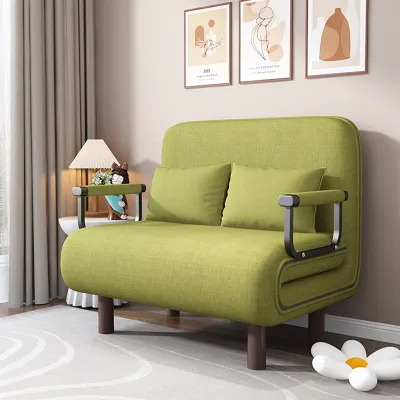
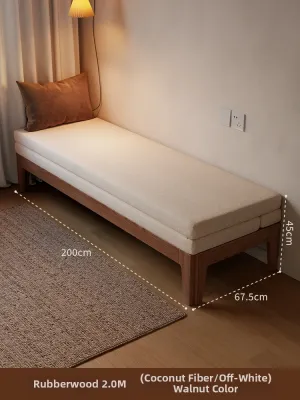
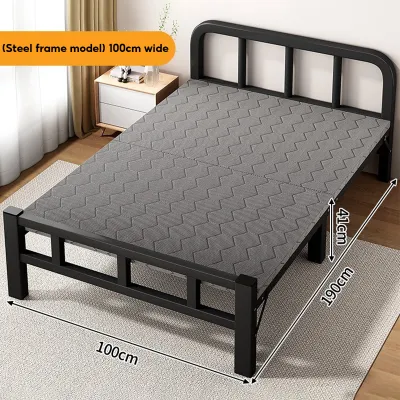

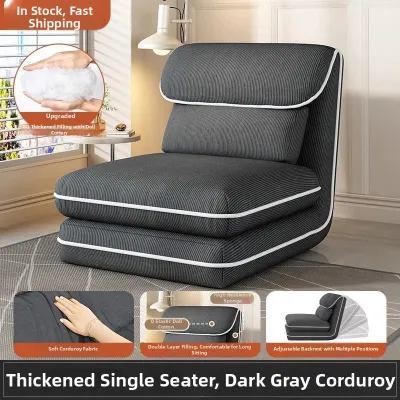

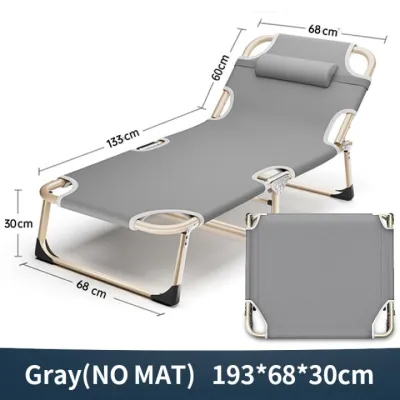
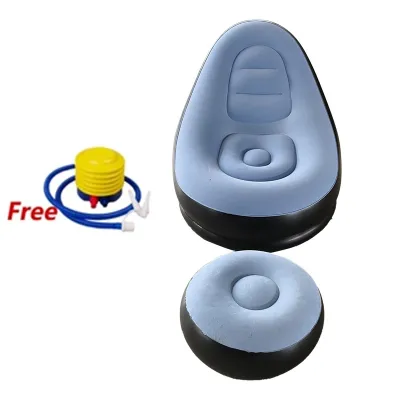
Prices are valid at publication and may change. Please refer to the product page for the latest price.
Natural textures are essential for adding warmth and depth to a minimalist space. A Japandi foldable bed to sofa should showcase the beauty of raw or lightly finished materials. Look for frames crafted from light-colored woods such as oak, ash, rubberwood, or beech, where the natural wood grain remains visible. The upholstery should feature a matte, tactile finish rather than a shiny or synthetic texture. Woven fabrics, linen blends, and textured cottons are ideal, as they introduce a subtle organic quality that softens the clean, straight lines of the wooden frame.
Evaluating Space, Dimensions, and Folding Mechanisms
Before committing to a specific foldable bed to sofa, precise spatial planning is essential to ensure the piece fits comfortably in both its configurations. Begin by measuring the exact floor area where the sofa will sit. Next, consult the manufacturer’s specifications for the fully extended bed dimensions. Use painter’s tape to outline the bed’s footprint on your living room floor. This visual aid helps you verify that there is still adequate walking clearance—ideally at least 60 centimeters of open space—around the extended bed, allowing guests to move freely without bumping into other furniture or walls.

In addition to the room’s footprint, you must carefully evaluate the delivery path from the street to your living room. Many homeowners face challenges when trying to transport large furniture items through narrow doorways, tight hallways, low-clearance stairwells, or compact condominium elevators. Measure the height, width, and diagonal clearance of every entry point along the delivery route. Compare these measurements against the packaged dimensions provided by the retailer. If the unit is delivered fully assembled, ensure the frame can negotiate tight corners without damaging your walls or the furniture itself.
The type of folding mechanism you choose directly impacts the sofa’s daily usability, longevity, and visual profile. Different mechanisms offer distinct advantages and spatial requirements:
- Click-Clack Systems: These models feature a backrest that folds flat with a simple clicking motion. They are highly efficient and easy to operate, but they often require you to pull the sofa away from the wall before converting it into a bed.
- Pull-Out Mechanisms: These designs house a hidden frame and mattress beneath the seat cushions. While they provide a traditional bed height and do not require rear clearance, they demand significant floor space in front of the sofa when extended.
- Futon Fold Frames: Utilizing a classic wooden A-frame, these pieces allow the mattress to fold over the seat and backrest. They are highly aligned with the Japandi aesthetic due to their visible wooden slats, but they may require more physical effort to fold and unfold.
Finally, always verify the manufacturer’s published weight capacity and frame stability specifications. A high-quality convertible sofa must support the combined weight of multiple seated adults as well as sleeping guests. Look for robust joint construction, such as mortise-and-tenon joinery or reinforced metal brackets, which prevent the frame from wobbling, shifting, or squeaking over time.
Assessing Materials, Upholstery, and Comfort
The tropical climate of the Philippines introduces unique challenges for furniture preservation, making material selection a critical factor in your decision. High humidity levels can cause solid wood frames to warp, expand, or contract if they are not properly treated. When evaluating wooden components, check that the manufacturer has applied a protective, moisture-resistant finish, such as a matte polyurethane or a water-based sealant. These finishes protect the wood from humidity-induced damage while preserving the natural, low-sheen appearance that is central to the Japandi style.
Upholstery fabrics must be chosen for both comfort and durability in warm weather. Synthetic materials like polyester blends can sometimes trap heat, leading to discomfort during warm afternoons. Natural fibers like linen and cotton are highly breathable and feel cool against the skin, making them excellent choices for tropical living. However, because pure natural fibers can be prone to staining and wear, performance fabric blends that combine the breathability of cotton or linen with the stain-resistant properties of synthetic fibers offer a practical compromise. Ensure the fabric has a tight weave to prevent dust accumulation and snagging.
The internal support system determines how comfortable the piece will be for both sitting and sleeping. Because a foldable bed to sofa serves a dual purpose, the cushioning must strike a balance between supportive firmness and plush comfort. High-density polyurethane foam is a reliable choice, as it retains its shape and resists sagging over years of use. For enhanced comfort, look for models that incorporate pocket springs within the foam layers, which provide localized pressure relief similar to a traditional mattress. Wooden slat support bases are also highly recommended, as they allow air to circulate beneath the mattress, preventing moisture buildup and mold growth.
To confirm the quality and safety of the materials, always read the product labels and care instructions carefully. Look for certifications regarding foam safety and low chemical emissions. Additionally, check the manufacturer’s cleaning codes to understand how to address spills and stains. Fabrics labeled with code “W” can be cleaned with water-based solutions, while code “S” requires dry-cleaning solvents. Understanding these requirements beforehand ensures you can maintain the pristine appearance of your light-colored Japandi upholstery without accidentally damaging the fibers.
Building Your Shortlist and Verifying Product Specs
With a clear understanding of your spatial constraints and material preferences, you can begin building a shortlist of potential foldable beds from reputable furniture retailers. Create a structured comparison matrix to evaluate each option side-by-side. Your matrix should include columns for exact sofa and bed dimensions, the type of folding mechanism, frame and upholstery materials, warranty terms, and the total price in Philippine Pesos (₱). This systematic approach prevents you from making an impulsive purchase based solely on visual appeal and ensures that your final choice meets all practical requirements.
Whenever possible, transition your search from online marketplaces to physical showrooms. Seeing the furniture in person is the most reliable way to verify color accuracy, fabric texture, and overall build quality. Fabric colors can appear vastly different under showroom lighting or on a computer screen compared to the natural light in your living room. If visiting a showroom is not feasible, contact the retailer to ask if they can provide fabric swatches. Testing the folding mechanism yourself allows you to assess how smoothly it operates and whether it produces any unwanted noise or resistance.
Before finalizing your order, thoroughly review the retailer’s policies regarding delivery, assembly, and returns within your specific region. Some retailers offer professional assembly services for a nominal fee in ₱, which is highly recommended for complex pull-out or click-clack mechanisms to ensure they are installed correctly. Confirm the terms of the structural warranty, paying close attention to what is covered—such as the frame and mechanical parts—and the duration of the coverage. A robust warranty is a strong indicator of the manufacturer’s confidence in the product’s durability.
Be vigilant for red flags that may indicate a low-quality product. Avoid listings that feature vague material descriptions, such as “hardwood” without specifying the species, or “synthetic fabric” without detailing the composition. The absence of a specified weight limit or a structural warranty is another major warning sign. In a tropical environment, poorly constructed furniture made with low-grade adhesives or untreated engineered wood can deteriorate rapidly, leading to sagging cushions, misaligned joints, and mechanical failures within a short period.
Caring for Natural Materials and Moving Parts
Proper maintenance is essential to preserve the serene beauty and mechanical functionality of your Japandi foldable bed to sofa. Establish a routine cleaning schedule to prevent dust and dirt from settling into the textured fabric fibers and wooden joints. Vacuum the upholstery weekly using a soft brush attachment to gently remove loose particles without causing pilling. For the wooden frame, use a dry or slightly damp microfiber cloth to dust the surfaces. Always wipe in the direction of the wood grain to avoid scratching the finish.
The moving parts of a convertible sofa require periodic inspection to ensure smooth, quiet operation. Every six months, check all visible hardware, bolts, and brackets. Over time, the repeated motion of folding and unfolding the bed can cause these connections to loosen slightly, leading to structural instability or annoying squeaks. Use the appropriate tools to gently tighten any loose fasteners, taking care not to overtighten, which could strip the threads or crack the surrounding wood. If the mechanism begins to feel stiff, consult the manufacturer’s care guide for recommended lubricants.
Protecting your furniture from environmental hazards is crucial for its long-term survival. Avoid placing your sofa in direct sunlight, as prolonged exposure to ultraviolet rays can fade light-colored upholstery and dry out natural wood finishes, leading to cracking. Never use harsh chemical cleaners, bleach, or abrasive scrubbing pads on either the fabric or the wood. If a spill occurs, address it immediately to prevent permanent staining or moisture damage to the internal frame.
While routine cleaning and hardware tightening are safe to perform yourself, know when to seek professional assistance. If the folding mechanism becomes severely jammed, misaligned, or damaged, attempting a DIY repair can void your warranty or cause further structural harm. Contact the manufacturer or a qualified furniture repair professional in your area to handle complex mechanical adjustments or structural repairs, ensuring your investment remains safe and functional for years to come.
Frequently Asked Questions (FAQ)
Can a foldable bed to sofa provide adequate daily sleeping support?
While many foldable beds are designed primarily for occasional guest use, some high-quality models can support daily sleeping if they feature the right structural components. For daily use, prioritize models with a high-density foam cushion or an innerspring mattress that is at least 10 to 12 centimeters thick. The support base is equally important; closely spaced wooden slats or a robust steel grid will prevent the mattress from sagging and provide proper spinal alignment. If the built-in cushioning feels too firm for daily sleep, you can easily enhance comfort by adding a removable, high-quality mattress topper made of memory foam or latex, which can be stored away during the day to maintain the clean, uncluttered look of your Japandi living room.
How do I protect light-colored Japandi upholstery from stains?
Protecting light-colored fabrics like oatmeal, cream, or light gray requires a proactive approach to maintenance. Before applying any aftermarket stain-resistant sprays, check the manufacturer’s care label to ensure such treatments will not damage the fabric fibers or void your warranty. When spills do occur, act immediately: use a clean, dry, absorbent white cloth to gently blot the liquid from the outside of the spill inward. Never rub or scrub the fabric, as this pushes the stain deeper into the fibers and can cause pilling. For high-traffic living rooms, households with young children, or pet owners, consider selecting a foldable bed to sofa that features fully removable, machine-washable slipcovers, allowing you to maintain a pristine, minimalist aesthetic with minimal stress.
Community discussion
Share your experience or ask a question. Comments are reviewed before publication.