
Selecting the right food storage cabinet for tropical environments like the Philippines requires prioritizing moisture-resistant materials, adequate ventilation, and tight structural seals. These features protect both the furniture piece and the food stored inside from intense heat, high humidity, and local pests. A standard cabinet designed for temperate climates often fails when subjected to persistent tropical moisture, leading to warped shelves, spoiled dry goods, and mold growth. By focusing on specific design elements, homeowners can ensure their pantry items remain fresh and their cabinetry remains structurally sound for years.
How Tropical Heat and Humidity Affect Food Storage
Tropical climates present unique challenges for kitchen organization and food preservation. High relative humidity levels mean the air carries a constant load of water vapor, which naturally seeks out porous surfaces. When dry goods such as flour, sugar, crackers, and spices are stored in an unventilated or poorly sealed environment, they quickly absorb this airborne moisture. This absorption leads to clumping, staleness, and a significantly shortened shelf life, turning pantry staples into waste.
Temperature fluctuations throughout the day also accelerate food spoilage. In many households, kitchens can become exceptionally warm during the midday heat, especially when cooking appliances are active. This heat buildup inside closed cabinet doors creates a microclimate that encourages bacterial activity and speeds up the degradation of oils, canned goods, and packaged snacks. Without a way to regulate this internal temperature, food safety becomes a constant concern.
Products mentioned in this guide
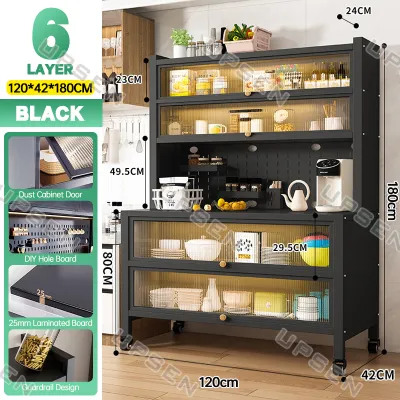
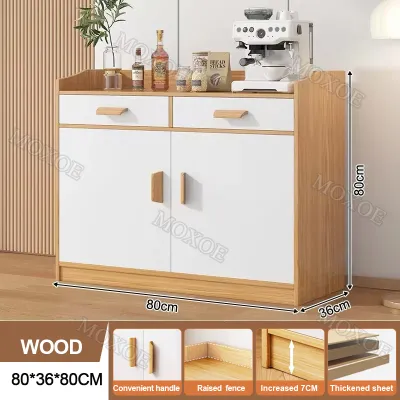
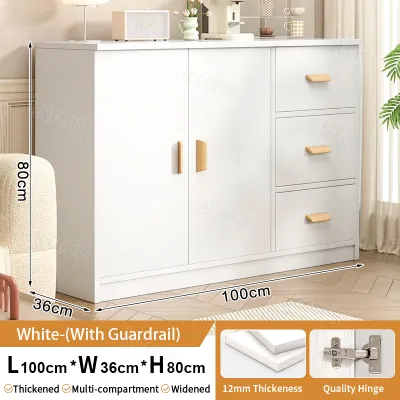
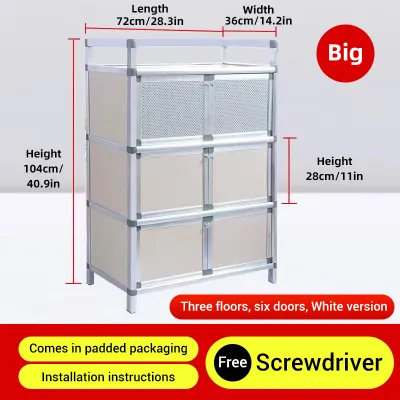
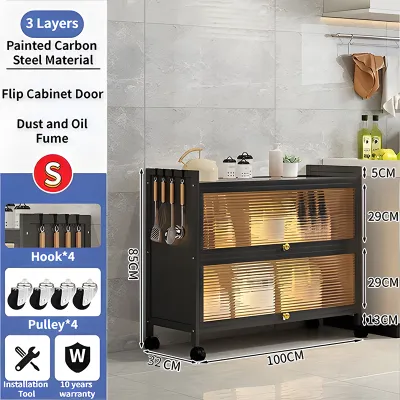
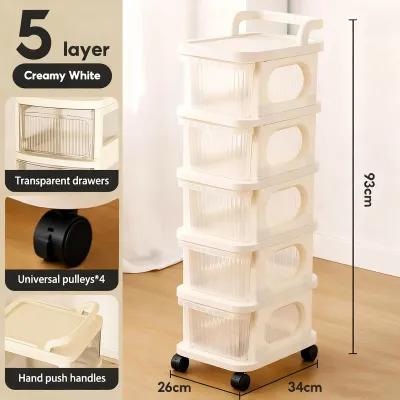
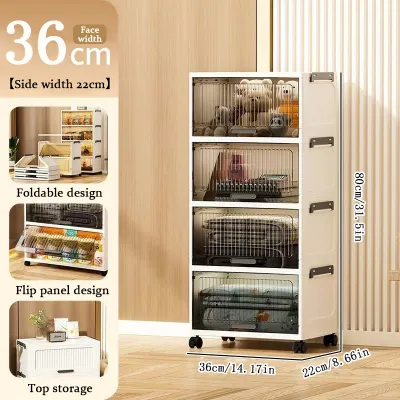
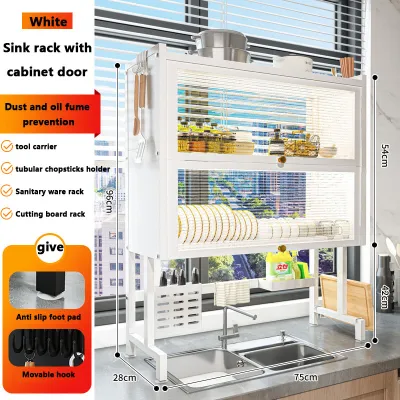
Prices are valid at publication and may change. Please refer to the product page for the latest price.
Furthermore, persistent humidity acts as a catalyst for structural damage within the cabinet itself. Mold and mildew thrive in dark, damp, and stagnant spaces, often taking root in the corners of shelves or along the back panels. For furniture, this moisture can cause untreated wood to swell, warp, or split, while metal components like hinges and drawer slides begin to rust and seize. Understanding these environmental pressures is the first step in choosing a cabinet that can withstand the elements.
Choosing Moisture-Resistant Materials and Finishes
When shopping for a food storage cabinet, the choice of material determines how well the unit survives the tropical climate. Engineered wood, such as medium-density fiberboard (MDF) or particleboard, is highly susceptible to moisture damage unless it is completely sealed. If water vapor penetrates the outer laminate or veneer, the underlying fibers swell and crumble, permanently ruining the structure. If choosing engineered wood, look for moisture-resistant grades and verify that all edges are fully banded.

Solid wood offers excellent durability and natural beauty, but it requires careful selection and treatment to prevent warping. Hardwoods like teak, mahogany, or acacia are traditionally favored in tropical regions because their natural oils provide inherent resistance to moisture and insects. However, even high-quality solid wood must be properly seasoned and sealed with a polyurethane or lacquer finish to block humidity. Homeowners should inspect the joints of solid wood cabinets, ensuring they allow for minor natural expansion and contraction without splitting.
Metal and plastic cabinets present alternative options that offer superior moisture resistance, though they come with different maintenance needs. Heavy-duty plastic or resin cabinets are completely immune to water damage and rust, making them highly practical, though they may lack the aesthetic appeal of traditional kitchen furniture. Metal cabinets, particularly those made of stainless steel or powder-coated steel, provide a sleek, modern look and excellent durability. When evaluating metal options, it is crucial to check for rust-inhibiting treatments and high-quality powder coating, as any exposed steel will quickly corrode in humid air.
Regardless of the material, buyers must look beyond generic material names and verify the manufacturer’s specific care instructions and humidity ratings. Inspect the finished dimensions of the cabinet to ensure it fits comfortably within your kitchen layout, leaving enough clearance for air to circulate around the exterior. Additionally, check the load capacity of the shelves, as heavy canned goods and glass jars require stable, sag-resistant support that will not bend under weight over time.
Evaluating Ventilation and Airflow Features
Proper airflow is a critical defense against heat buildup and condensation inside a food storage cabinet. When air remains stagnant, moisture accumulates, creating an ideal breeding ground for mold and accelerating food spoilage. Selecting a cabinet with built-in ventilation features helps maintain a consistent internal temperature and allows dampness to dissipate.
Louvered doors are highly effective for tropical food storage, as the angled slats permit continuous air exchange while keeping the cabinet’s contents hidden from view. Another excellent option is the use of breathable mesh panels, wire mesh, or traditional rattan webbing on door fronts. These materials allow maximum ventilation while adding a distinct tropical aesthetic to the kitchen. Inside the cabinet, slatted shelves are preferable to solid wooden planks, as they allow air to flow vertically between different levels, preventing pockets of hot, humid air from becoming trapped.
While maximizing airflow is beneficial, it must be balanced with protection from external elements. Open ventilation can expose stored food to direct sunlight, which degrades food quality and fades packaging. Choose a cabinet design where ventilated panels are positioned away from direct light sources, or place the cabinet in a shaded area of the room. Additionally, very open mesh can allow dust to settle on your food containers, meaning semi-closed louvered designs often provide the best compromise between breathability and cleanliness.
Internal spacing and shelf adjustability also play a vital role in maintaining airflow. Overcrowding shelves blocks air movement, even in a well-ventilated cabinet. Look for units with adjustable shelving, which allows you to customize the vertical clearance based on the size of your storage containers. By leaving a few centimeters of space between items and avoiding packing the shelves to their absolute limit, you ensure that air can circulate freely around every jar and package.
Structural Integrity and Pest-Proofing Details
A durable food storage cabinet must do more than resist moisture; it must also protect its contents from pests. In tropical climates, insects such as ants, weevils, and cockroaches, as well as rodents, are constantly searching for food sources. The structural integrity of the cabinet’s doors, joints, and seals determines how successfully it keeps these unwanted visitors out.
Inspect the door seals and closure mechanisms closely before making a purchase. Magnetic catches or tension latches are essential for keeping doors firmly shut, preventing gaps from forming as the cabinet settles or shifts. For cabinets with solid doors, look for tight-fitting joints and minimal gaps around the frame. If the cabinet features ventilated mesh, ensure the mesh weave is fine enough to block small insects while still allowing air to pass through.
The quality of the hardware is another critical indicator of long-term durability. In humid environments, cheap screws, hinges, and drawer slides quickly succumb to rust, leading to squeaking, misalignment, and eventual failure. Look for cabinets equipped with stainless steel, brass, or specially coated corrosion-resistant hardware. Soft-close hinges and heavy-duty drawer runners not only improve the user experience but also reduce the physical stress on the cabinet joints during daily use.
Finally, pay close attention to the cabinet’s base design and leg height. Cabinets that sit directly on the floor are highly vulnerable to moisture migrating upward from damp tiles, especially during floor cleaning or humid weather. Choosing a unit with raised legs—ideally made of moisture-resistant materials or fitted with protective rubber glides—keeps the main body of the cabinet elevated. This elevation protects the base from water contact, improves air circulation underneath, and makes it much easier to sweep and mop away dust and pests.
Strategic Placement and Daily Maintenance
Even the most durable food storage cabinet requires proper placement and regular upkeep to perform at its best in a tropical climate. Positioning the cabinet correctly within your home can significantly reduce its exposure to environmental stressors. Avoid placing the unit directly against exterior walls, which can transfer outdoor heat and moisture directly into the cabinet back panel; instead, leave a gap of at least five to ten centimeters to allow for rear ventilation.
Keep the cabinet away from heat-generating appliances such as ovens, stoves, and refrigerators, as well as areas prone to high moisture, like the kitchen sink or laundry zone. Direct sunlight should also be avoided, as solar heat can rapidly raise the internal temperature of the cabinet, causing food to spoil and finishes to fade or crack. A cool, dry, and shaded corner of the dining area or kitchen pantry is the ideal location.
Establishing a routine cleaning and inspection schedule is vital for catching early signs of mold, rust, or pest activity. Once a month, empty the cabinet completely to inspect the corners, shelf undersides, and hinges. Wipe down the interior surfaces with a soft, slightly damp cloth, avoiding harsh chemical cleaners that can strip away protective moisture-resistant coatings. Always dry the shelves thoroughly with a clean towel before restocking the cabinet, as leaving any residual moisture behind defeats the purpose of your cleaning efforts.
Frequently Asked Questions (FAQ)
Do I need a dehumidifier inside my food storage cabinet?
While a mechanical dehumidifier is rarely practical for a standard kitchen cabinet, using passive moisture absorbers can be highly beneficial. Small, disposable dehumidifier tubs or silica gel packets placed on shelves help capture excess moisture in closed compartments. These are particularly useful in cabinets with solid doors where airflow is limited. If you use these products, check them regularly and replace them once they fill with water to prevent accidental spills that could damage the cabinet shelves.
Are glass doors better than solid doors for humid environments?
Glass doors offer distinct advantages and disadvantages when it comes to managing humidity and temperature. On the positive side, glass is completely impervious to moisture, will not warp, and is easy to wipe clean, making it a highly durable option for cabinet fronts. However, glass doors allow light to enter, which can heat up the interior if the cabinet is placed near a window. If you prefer the look of glass, choose frosted or tinted glass to minimize light exposure, and ensure the cabinet is positioned in a shaded area of your home.
Community discussion
Share your experience or ask a question. Comments are reviewed before publication.