
Setting up a dedicated space for prayer and reflection is a deeply rooted tradition in many households. When floor space is limited, a hanging wooden shelf offers an elegant, respectful, and space-saving solution for displaying religious statues, candles, and offerings. However, choosing the right shelf requires more than just matching your home’s decor. You must consider the structural demands of holding heavy devotional items, the environmental challenges of tropical humidity, and the safety risks associated with open flames and incense.
To find the best hanging wooden shelf for your home altar, prioritize structural stability, moisture-resistant finishes, and adequate depth. A well-chosen shelf not only honors your sacred space but also ensures that your cherished icons remain safe and secure for years to come. By evaluating material properties, weight limits, and installation requirements, you can create a beautiful and stable sanctuary in any room of your home.
Key Requirements for Altar Shelves
Before purchasing any wall-mounted shelf, you must carefully assess the physical dimensions of your religious items. Many decorative shelves sold online are designed for lightweight items like picture frames, offering a depth of only 10 to 12 centimeters. This is often insufficient for traditional religious statues, which frequently require a deeper platform to sit securely. Measure the base of your largest statue or icon, and ensure the shelf you select provides at least 5 centimeters of extra clearance in the front and back. This extra space prevents items from sitting dangerously close to the edge and allows room for small decorative offerings or flower vases.
Products mentioned in this guide
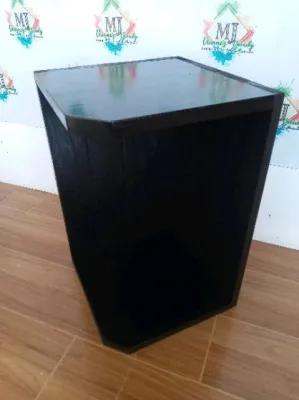
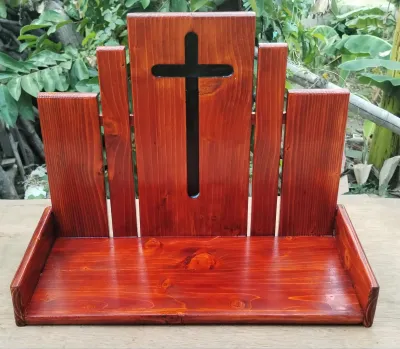
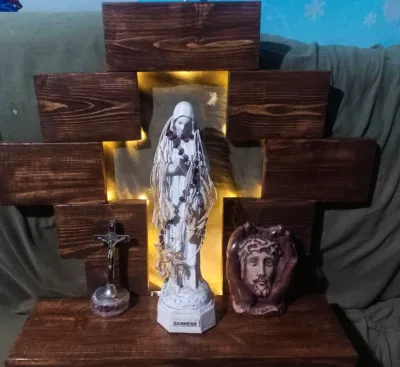
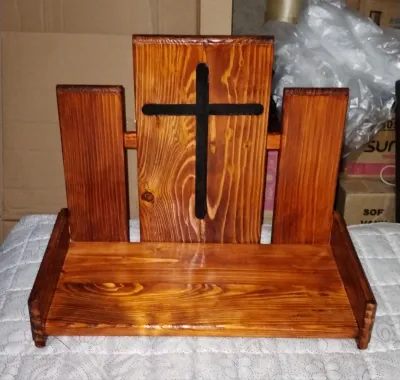
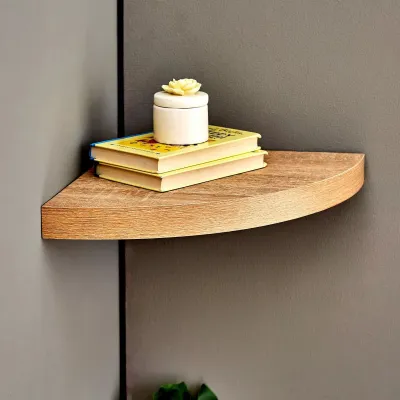

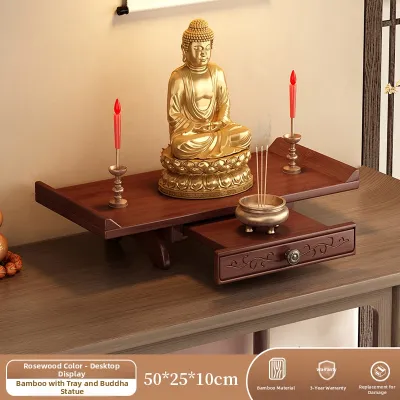
Prices are valid at publication and may change. Please refer to the product page for the latest price.
Weight capacity is another critical factor that cannot be overlooked. Devotional statues made of plaster, heavy resin, ceramic, or solid wood can be surprisingly heavy, especially when grouped together. Additionally, glass candle holders, metal incense burners, and fresh flower vases add to the total load. Do not rely on visual estimates of a shelf’s strength. Use a household scale to weigh all the items you plan to display on the altar. Once you have a total weight, compare it against the manufacturer’s specified maximum load capacity. Always choose a shelf with a weight rating that comfortably exceeds your total calculated load to ensure a safe margin of error.
The structural design of the shelf plays a vital role in preventing accidental falls. Look for shelves that feature a raised front lip, a small guardrail, or a recessed surface. These design elements act as a physical barrier, preventing statues or candles from sliding off if the shelf is accidentally bumped or during minor seismic vibrations. Furthermore, pay close attention to the bracket design. While hidden internal brackets offer a clean, floating look, visible external brackets made of reinforced metal or solid wood provide superior load distribution and long-term stability. If you plan to display multiple heavy items, a shelf supported by sturdy, visible brackets underneath is always the safer choice.
Wood Types and Finishes for Shrine Environments
The choice of wood material directly impacts the shelf’s durability, especially in tropical climates characterized by high humidity and seasonal temperature shifts. Solid wood remains the gold standard for altar shelves due to its natural strength, density, and longevity. Local hardwoods such as acacia, mahogany, and tanguile are excellent choices because they hold mounting screws tightly and are highly resistant to sagging over time. These woods possess natural oils and dense grain structures that help them withstand environmental stress, making them a reliable foundation for heavy religious icons.

Engineered wood options, such as Medium-Density Fiberboard (MDF) or particleboard, are widely available and budget-friendly. However, they require careful consideration when used in a tropical environment. Unprotected engineered wood can absorb moisture from the air, leading to swelling, warping, and a significant reduction in load-bearing capacity over time. If you choose an engineered wood shelf, ensure it is completely sealed on all sides with a high-quality laminate or veneer. Be particularly cautious about placing water vessels or fresh flower vases directly on engineered wood, as any water seepage can quickly ruin the material.
The surface finish of your altar shelf is just as important as the wood itself. Home altars are frequently exposed to heat from candles and soot from burning incense. A raw, unfinished wooden shelf will easily absorb wax spills and smoke residue, leading to permanent staining and discoloration. Look for shelves treated with a durable, heat-resistant protective coating such as polyurethane, lacquer, or a specialized wood varnish. These smooth finishes seal the wood pores, allowing you to easily wipe away soot, dust, and hardened wax without damaging the underlying wood. Always check the manufacturer’s care instructions to ensure the finish can withstand regular cleaning and mild heat exposure.
Design Styles to Complement Your Space
Your home altar should harmonize with the existing interior design of your living space, creating a seamless and peaceful environment. Minimalist floating shelves are highly popular in modern apartments and condominiums. With their clean lines, concealed mounting hardware, and simple profiles, they provide a sleek, contemporary look that keeps the visual focus entirely on your sacred items. These shelves work beautifully in minimalist or Scandinavian-inspired interiors, where simplicity and uncluttered spaces are prioritized.
For homes with a more traditional or classic aesthetic, carved wooden shelves or those featuring decorative brackets are an ideal match. These designs often incorporate elegant moldings, arched back panels, or intricate woodwork that mirrors traditional church architecture. A carved shelf adds a sense of formality and heritage to your home shrine, making it a prominent focal point in your living room or hallway. When selecting a style, consider the color palette of your room. Darker wood stains like walnut, espresso, or deep mahogany evoke a sense of solemnity and warmth, while lighter stains, natural oak, or white-painted finishes create a bright, modern, and serene atmosphere.
If you are working with limited wall space, consider alternative configurations such as multi-tiered or corner shelves. A multi-tiered hanging shelf allows you to organize your altar vertically, which is highly practical if you have a large collection of devotional items. You can place your primary statues on the top tier to signify their importance, while reserving the lower shelves for candles, prayer books, and daily offerings. Corner shelves are another excellent space-saving solution. They utilize often-neglected corner areas, providing a stable, out-of-the-way nook that is less likely to be bumped during daily household activities.
Installation and Wall Safety Checks
A secure installation is paramount to ensure the safety of your household and the preservation of your sacred items. The mounting process depends heavily on the type of wall in your home. Most residential walls in the Philippines are constructed from concrete or concrete hollow blocks (CHB). Mounting a shelf to a concrete wall requires a masonry drill bit, plastic wall plugs (commonly referred to as tox), and heavy-duty steel screws. Ensure the drill holes are deep enough to accommodate the entire length of the wall plug, providing a tight, friction-fit grip that can support the downward pull of a loaded shelf.
If you are installing the shelf on a drywall partition or a wooden stud wall, standard plastic wall plugs will not suffice. Drywall is relatively fragile and can easily crumble under the weight of a heavy shelf. You must locate the vertical wooden or metal studs behind the drywall using a stud finder and drive your mounting screws directly into them. If positioning the shelf on a stud is not possible, you must use specialized heavy-duty toggle bolts or hollow wall anchors designed to expand behind the drywall and distribute the weight over a larger surface area.
Determining the correct mounting height is both a practical and a respectful decision. Traditionally, home altars are placed at or above eye level to show reverence. Practically, the shelf should be mounted high enough to keep open flames from candles and hot incense burners out of reach of young children and curious pets. However, it must remain low enough for you to safely light candles, clean the shelf, and place daily offerings without needing a step stool. Additionally, ensure the chosen location is clear of ceiling fans, air conditioning vents, drafty windows, and low-hanging light fixtures to minimize fire hazards and prevent drafts from blowing out candles. If you are unsure about your wall’s strength or lack the necessary tools, always stop and consult a qualified local carpenter or handyman to complete the installation safely.
Evaluating Options and Purchasing Guidelines
When shopping for a hanging wooden shelf on online marketplaces or at local furniture retailers, it is easy to be swayed by attractive product photos. To avoid disappointment, always base your decision on verifiable product specifications. Carefully read the product listing for exact dimensions, material composition, and maximum weight ratings. Do not assume a shelf is sturdy just because it looks thick in a photo; verify whether it is solid wood or hollow-core engineered wood. Ensure that the product description explicitly states what mounting hardware is included in the package, as you may need to purchase higher-quality screws or anchors separately if the provided ones seem flimsy.
Customer reviews are an invaluable resource when evaluating potential purchases. Look for reviews from buyers who have used the shelf for a similar purpose. Pay close attention to any feedback regarding shelf sagging, bracket failure, or finishes that peel or discolor over time. Photos uploaded by customers in the review section can give you a much more accurate representation of the wood’s true color, grain pattern, and overall build quality than polished promotional images. If multiple reviews mention that the shelf tilts forward or feels unstable, it is best to look for an alternative option.
Finally, always verify the seller’s return policy and warranty coverage before completing your transaction. Wood is a natural material that is susceptible to cracking, warping, or splitting during transit, especially when subjected to temperature and humidity changes during shipping. A reliable seller should offer a clear return or replacement window for products that arrive damaged, have missing hardware, or fail to match the advertised specifications. Investing a few extra minutes to check these policies provides peace of mind and ensures that your journey to creating a beautiful home altar begins on a solid foundation.
Frequently Asked Questions (FAQ)
Can floating shelves support heavy religious statues?
Floating shelves can support religious statues, but their weight capacity is strictly limited by their internal bracket design and the wall material they are mounted on. Because floating shelves rely on hidden metal rods inserted into the back of the shelf, they experience higher leverage forces than shelves with visible support brackets underneath. If you are mounting a floating shelf on a solid concrete wall with high-quality anchors, it can typically support moderate weight. However, on drywall, the capacity is significantly reduced. Always check the manufacturer’s explicit weight limit, subtract the weight of the shelf itself, and choose a shelf with visible, heavy-duty brackets if you plan to display exceptionally heavy statues.
How do I clean wax and incense residue from wood?
Cleaning wax and soot from a wooden altar shelf requires a gentle touch to avoid scratching the protective finish. If candle wax drips onto the wood, let it cool and harden completely. Gently slide a plastic card, such as an old gift card or a plastic scraper, under the edge of the hardened wax to pop it off the surface; avoid using metal knives or sharp tools that can gouge the wood. For soot and incense residue, wipe the shelf with a slightly damp microfiber cloth. If necessary, use a drop of mild dish soap diluted in warm water, but immediately follow with a dry microfiber cloth to remove any leftover moisture. Always consult the manufacturer’s care label before applying commercial wood polishes or chemical cleaners, as some can strip the protective varnish.
What is the ideal height for mounting a home altar shelf?
The ideal height for a home altar shelf balances cultural respect with household safety and accessibility. Traditionally, altars are mounted above eye level—typically around 1.5 to 1.8 meters from the floor—to signify reverence and keep the sacred space elevated. From a practical standpoint, the shelf must be high enough to prevent young children and pets from reaching candles, incense, or delicate statues. However, it should still be low enough that you can comfortably reach it to light candles, clean the surface, and arrange offerings without straining. When choosing a spot, also ensure the shelf is positioned away from ceiling fans, air conditioning vents, and window curtains to prevent fire hazards.
Community discussion
Share your experience or ask a question. Comments are reviewed before publication.