
Finding a reliable heavy duty double deck bed for children in the Philippines requires looking past marketing labels to verify actual structural integrity. In many Philippine households, maximizing bedroom space is a practical necessity, especially in urban condominiums, townhouses, or shared family rooms. However, a double deck bed—commonly referred to locally as a bunk bed—must be exceptionally sturdy to withstand the active daily play of growing children. Choosing the wrong frame can lead to wobbling, structural sagging, or even serious safety hazards over time.
To make an informed decision, parents must understand the engineering behind a truly heavy-duty frame. This involves evaluating the materials used, inspecting the joints, verifying weight capacities, and ensuring the bed fits safely within the physical limits of the bedroom. By focusing on objective structural indicators rather than generic retail descriptions, you can select a double deck bed that offers long-lasting stability, safety, and peace of mind for your family.
What "Heavy Duty" Actually Means for Kids' Bunk Beds
When browsing furniture stores or online marketplaces, the term “heavy duty” is frequently used as a marketing catchphrase. To identify a genuinely robust double deck bed, you must look at the specific engineering and material specifications of the frame. Standard bunk beds are often constructed from thin-walled metal tubing or softwoods that can easily warp or loosen under stress. In contrast, a heavy-duty frame is built from thick-gauge steel or solid hardwoods that resist bending, warping, and structural fatigue over years of continuous use.
Products mentioned in this guide

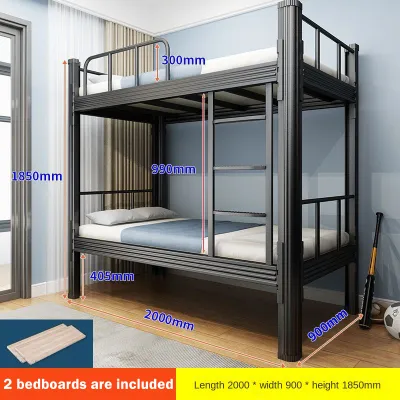
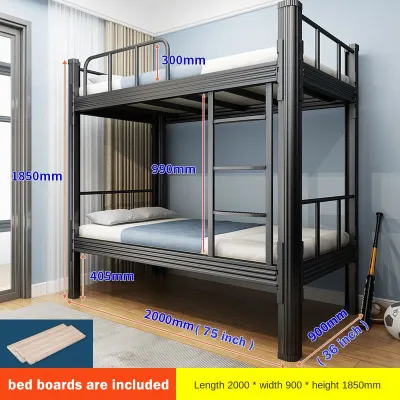

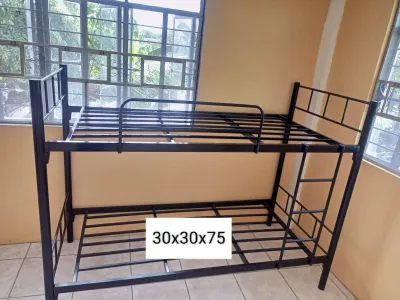


Prices are valid at publication and may change. Please refer to the product page for the latest price.
The thickness of the materials is a primary indicator of strength. For metal frames, heavy-duty options typically utilize thick-walled steel pipes or square tubing with a substantial wall thickness. For wooden frames, premium hardwoods such as mahogany, tanguile, or acacia are preferred over softwoods like pine, as hardwoods possess higher density and greater resistance to denting and joint loosening. The weight of the packaged bed itself often reflects this material density; a heavier frame generally indicates more robust, solid materials.
Joint construction is another critical factor that separates standard beds from heavy-duty models. Standard frames often rely on simple wood screws or basic bolt-and-nut configurations that can strip or loosen as the bed sways. Heavy-duty wooden beds employ reinforced joint systems, such as mortise-and-tenon joints, heavy steel corner brackets, or through-bolts with barrel nuts that clamp the wooden components tightly together. Metal frames should feature continuous, clean welds at all major connection points rather than small spot welds, which are prone to cracking under dynamic loads.
Weight distribution is managed through strategic structural reinforcements. A true heavy-duty double deck bed does not rely solely on the outer posts to support the weight. It incorporates center support rails, mid-frame legs, and reinforced corner gussets to distribute the load evenly across the entire structure. These features prevent the mattress from sagging in the middle and reduce the leverage forces exerted on the corner joints when children climb or move around on the bed.
Finally, interpreting manufacturer weight capacity labels is essential for verifying safety claims. A reliable manufacturer will provide explicit weight limits for both the top and bottom bunks, often verified through independent structural testing. These limits should comfortably exceed the combined weight of the mattress, bedding, and the maximum expected weight of the child. When reviewing these specifications, remember that weight capacities are calculated based on static loads; sudden movements, such as jumping, exert significantly higher dynamic forces on the frame, making a high weight rating even more critical.
Structural Features to Inspect Before You Buy
Before finalizing your purchase, conducting a thorough physical inspection or carefully reviewing detailed technical specifications is crucial. Start by examining the frame materials and joint types in detail. If you are visiting a physical showroom, run your hands over the joints to check for gaps or movement. For wooden beds, ensure the wood is free of large knots, splits, or cracks that could compromise its strength. For metal beds, inspect the weld lines; they should be smooth, even, and completely cover the seam between the joined metal pieces.

The slat system serves as the foundation for the mattress and the sleeper, making it one of the most important safety components. A heavy-duty double deck bed should feature a robust slat system rather than thin, flexible slats. Look for closely spaced, thick wooden slats or a welded metal wire grid. The gap between individual slats should not exceed 75 millimeters to provide adequate support for the mattress and prevent it from pocketing or sagging. Additionally, verify if the bed includes a center support rail that runs perpendicular to the slats, providing an extra line of defense against structural failure.
Guardrails on the top bunk are non-negotiable safety features designed to prevent accidental falls during sleep or play. Inspect the height of the guardrails; they must extend at least 127 millimeters above the top surface of the mattress. This means you must consider the thickness of the mattress you plan to use, as an overly thick mattress will dangerously reduce the effective height of the guardrail. The gaps between the guardrail slats or between the guardrail and the bed frame must be narrow enough—typically less than 90 millimeters—to prevent a child’s head or limbs from becoming trapped.
The ladder or staircase is the primary means of accessing the top bunk and must be exceptionally stable. Evaluate how the ladder attaches to the bed frame; it should be securely bolted or hooked with heavy-duty metal brackets that prevent it from shifting or detaching. Avoid ladders that simply rest against the frame without a positive locking mechanism. The rungs or steps should be wide enough to provide comfortable, slip-resistant footing for children. If you opt for a staircase design, ensure the staircase structure is solid, features secure handrails, and is firmly anchored to the main bed frame to prevent tipping.
Room Measurements and Delivery Access Checks
Selecting a heavy-duty double deck bed requires precise spatial planning to ensure it fits safely within your home. The first and most critical measurement is ceiling clearance. Measure the height of your bedroom ceiling from the floor. To ensure a child can sit up comfortably on the top bunk without bumping their head, you need a minimum of 760 to 900 millimeters of clear space between the top of the mattress and the ceiling. Be sure to subtract the height of the bed frame and the thickness of the mattress from your total ceiling height to calculate this clearance accurately. Additionally, ensure the top bunk is positioned well away from ceiling fans, light fixtures, and air conditioning units.
Next, calculate the total floor footprint of the bed. Double deck beds require more space than their nominal mattress size suggests. You must account for the projection of the ladder, which often extends at least 300 to 500 millimeters beyond the side of the bed. If you choose a model with a built-in staircase or integrated storage drawers, these features will significantly increase the overall length or width of the unit. Measure the surrounding walkways to ensure there is at least 600 millimeters of clear space around the bed, allowing doors, wardrobes, and cabinet drawers to open fully without obstruction.
Delivery access is an often-overlooked aspect of purchasing heavy-duty furniture. Because heavy-duty beds are constructed from solid, dense materials, they are shipped in large, heavy boxes. Measure the width, height, and clearance of all entry points in your home, including front doors, hallway corners, stairwells, and elevator cabins. In many Philippine residential buildings, particularly high-rise condominiums or older townhouses, tight corners and narrow stairwells can make transporting long side rails or solid headboards extremely difficult. Confirm the packaged dimensions with the retailer beforehand to ensure the delivery crew can safely transport the components to your designated bedroom.
Assembly, Anchoring, and Ongoing Safety Maintenance
Proper assembly and anchoring are vital to maintaining the structural integrity of a heavy-duty double deck bed. Because these beds are tall and carry significant weight, they can pose a tip-over hazard if children attempt to climb the outer frame. Anchoring the bed to a solid wall is highly recommended. In the Philippines, bedroom walls are commonly constructed from concrete or concrete hollow blocks. To anchor the bed securely, use appropriate masonry wall plugs, heavy-duty screws, and L-brackets attached to the top bunk’s frame. If your walls are made of gypsum board or light partition materials, ensure the anchors are fastened directly into the internal studs.
When assembling the bed, strictly follow the manufacturer’s step-by-step instructions. Use only the hardware provided in the package, and avoid substituting random screws or bolts from a local hardware store, as they may not match the required tensile strength. Pay close attention to the torque specifications; tighten all bolts firmly to eliminate wobbling, but avoid over-tightening, which can strip the threads in metal frames or split the wood in wooden frames. If you encounter missing parts, damaged components, or confusing instructions, stop the assembly process immediately and contact the manufacturer or retailer for assistance rather than attempting a temporary fix.
The tropical climate of the Philippines, characterized by high humidity and temperature fluctuations, can affect the materials of your double deck bed over time. Wood naturally expands and contracts with changes in moisture levels, which can gradually loosen joint connections. Similarly, the physical vibrations from children climbing, tossing, and turning can cause bolts in both wood and metal frames to back out slightly. Establish a routine maintenance schedule to inspect the bed every three to six months. Use this time to check all bolts, nuts, and brackets, tightening any that have become loose.
During your routine maintenance checks, perform a visual inspection of the entire frame. Look for signs of structural wear, such as hairline cracks in wooden posts, splitting around bolt holes, or paint flaking near metal welds, which could indicate metal fatigue. Check that the guardrails remain securely attached and do not wobble when pressure is applied. If you detect any structural damage or persistent instability that cannot be resolved by tightening the hardware, discontinue use of the bed immediately and consult a professional furniture repair service or the original manufacturer.
How to Vet Furniture Retailers and Verify Claims
Purchasing a genuine heavy-duty double deck bed requires careful vetting of furniture retailers, whether you are shopping at a physical showroom or an online marketplace. Start by requesting essential technical documentation from the seller. A reputable retailer should be able to provide detailed assembly manuals, material safety data sheets, and structural testing certificates that verify their weight capacity claims. If a seller cannot provide basic information about the wood species, metal gauge, or maximum load limits, it is best to look elsewhere.
Evaluate the retailer’s warranty and return policies thoroughly before making a commitment. A high-quality, heavy-duty bed should be backed by a manufacturer’s warranty that covers structural defects, such as frame cracking, joint failure, or welding defects, for at least one year. Read the warranty terms carefully to understand what actions might void the coverage, such as self-modification or improper assembly. Additionally, clarify the return policy in case the bed arrives with missing parts, shipping damage, or does not match the advertised specifications.
While online shopping offers convenience, physical showroom testing remains the most reliable way to verify a bed’s sturdiness. If possible, visit a local furniture showroom to inspect the model you are considering. Apply physical pressure to the frame, shake the posts gently, and climb the ladder to assess its stability and rigidity. A well-constructed heavy-duty bed should feel solid and silent, without any noticeable swaying, creaking, or flexing.
If physical testing is not an option, rely on detailed online specifications and verified customer reviews. Look for reviews that specifically discuss the bed’s long-term durability, ease of assembly, and structural stability under daily use. Pay close attention to feedback from buyers who have owned the bed for several months or years, as this provides valuable insight into how the materials perform over time. Avoid listings that feature vague descriptions, generic stock photos, or prices that are significantly lower than the market average for solid-wood or heavy-gauge metal furniture, as these are often indicators of substandard construction.
Frequently Asked Questions (FAQ)
Can I use a standard mattress on a heavy-duty bunk bed?
Yes, but you must verify the mattress thickness and weight. Check the manufacturer’s guidelines for the maximum allowable mattress thickness on the top bunk to ensure the guardrails remain effective. A mattress that is too thick will reduce the effective height of the guardrail, increasing the risk of falls. Additionally, ensure the combined weight of the mattress and the sleeper does not exceed the specified weight capacity of the slat system.
How often should I check the bolts and joints?
It is highly recommended to inspect and tighten all bolts and joints approximately two to four weeks after the initial assembly, as the frame settles under use. After this initial check, establish a routine inspection every three to six months. Look for signs of wear, such as wood splitting, metal bending, or loose brackets, and address them immediately to maintain the bed’s structural safety.
Community discussion
Share your experience or ask a question. Comments are reviewed before publication.