
Choosing a heavy-duty folding bed for the festive Ber months in the Philippines requires balancing structural stability, mattress support, and compact storage. As family gatherings and overnight stays peak from September through December, a reliable guest bed must withstand continuous use while remaining easy to pack away in humid tropical conditions. By focusing on verified frame specifications and proper space planning, you can ensure your guests enjoy a comfortable stay without cluttering your home.
Core Needs for Hosting Guests During the Ber Months
The Ber months bring a unique hosting rhythm to households across the Philippines. Relatives travel from provinces or overseas, turning living rooms, study areas, and multi-purpose rooms into temporary guest quarters. This high turnover means a guest bed cannot just be a novelty; it must perform reliably night after night as different family members visit.
Standard folding beds often feature thin aluminum tubes and tension springs that sag under adult weight. Over a few consecutive nights, this lack of support leads to poor sleep and morning discomfort for your guests. When hosting for multiple days, providing a supportive sleeping surface becomes a priority for a welcoming home.
Products mentioned in this guide
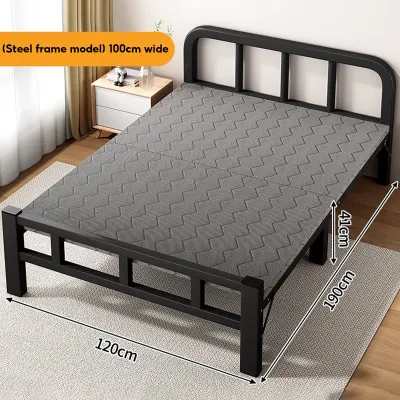
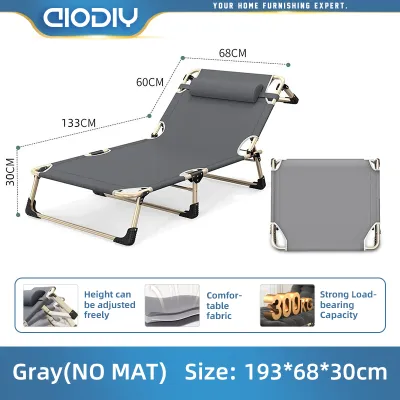
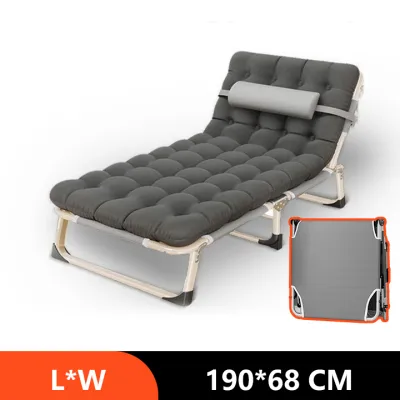
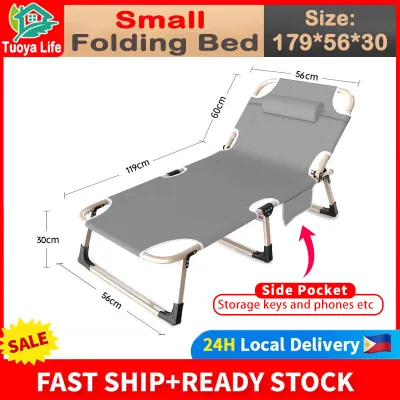
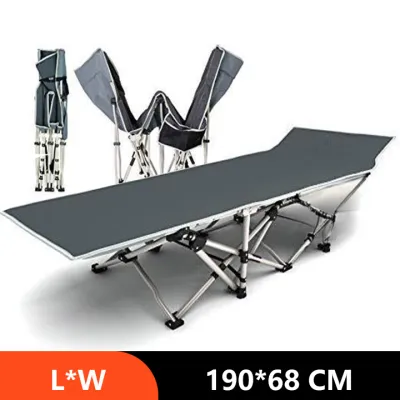
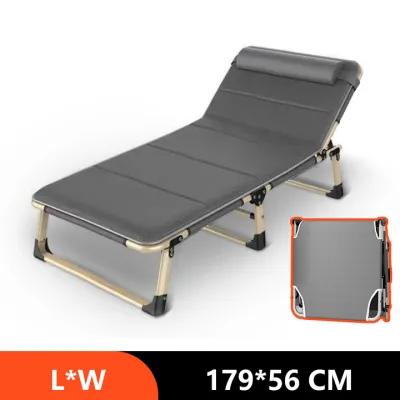
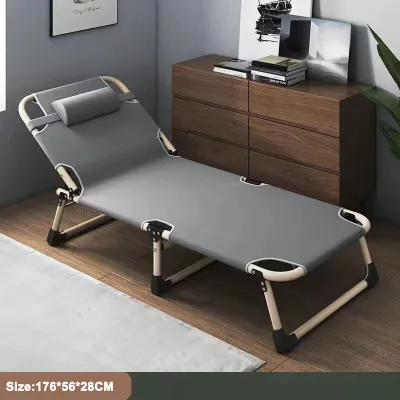
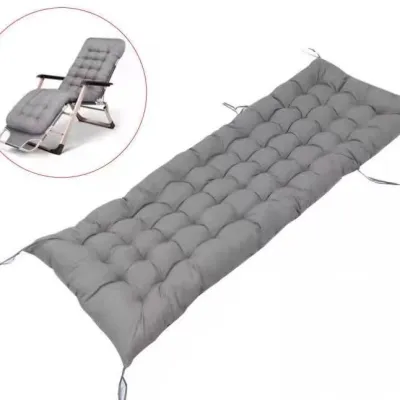
Prices are valid at publication and may change. Please refer to the product page for the latest price.
A heavy-duty folding bed, typically constructed with reinforced steel frames and robust support decks, provides the stability of a traditional bed. It bridges the gap between rapid setup and genuine sleeping comfort. Investing in a stronger frame ensures your home remains accommodating throughout the long holiday season without the risk of sudden frame failures.
Evaluating Heavy-Duty Frame and Mattress Specifications
To ensure you are selecting a truly durable option, look past marketing buzzwords and inspect the physical specifications provided by the manufacturer. Start by checking the stated weight capacity on the product tag or user manual. A reliable heavy-duty frame should explicitly support a high weight limit, often starting around 130 to 150 kilograms for single sizes, to safely accommodate various adult guests.

Examine the frame material thickness directly. Heavy-duty models utilize thicker gauge steel tubing, which resists bending under sudden shifts in weight. Look for powder-coated finishes, which offer better resistance to scratches and the moisture-induced rust common in humid tropical climates. Inspect the weld points along the joints; smooth, continuous welds indicate better structural integrity than thin spot welds.
Mattress quality is the next critical factor for guest comfort. Instead of relying on vague terms like “orthopedic” or “luxury,” check the actual mattress thickness and density labels. A mattress thickness of at least 5 to 10 centimeters is generally necessary to prevent sleepers from feeling the metal support bars underneath. High-density foam or fiber-filled options provide firmer, more consistent support over multi-day stays.
Do not overlook the hardware. Inspect the hinge mechanisms, wheel locks, and leg stabilizers. Heavy-duty beds feature reinforced pivot points and locking pins that secure the frame in its open position. If the bed has wheels for mobility, ensure at least two of them feature robust, manual locking brakes to prevent the bed from sliding when a guest sits down or rolls over.
Finally, verify the folded dimensions against your home’s entry points. Measure your doorways, hallways, and especially condominium lift doors if you live in a high-rise. A bed that is too wide or tall when folded will become a major obstacle before it even reaches your designated storage area.
Space Planning and Safety Checks for Holiday Setups
Before purchasing, map out the exact location where the bed will be deployed. Use a tape measure to check the clear floor space. You need to account for two distinct sets of dimensions: the compact folded footprint for storage and the fully expanded footprint when the bed is flat.
Leave a clearance path of at least 60 centimeters around the sides of the bed. In shared spaces like living rooms or home offices, this clearance ensures that family members can walk past safely at night without tripping over the frame or bedding. Proper spacing also makes it easier for guests to get in and out of bed comfortably.
Always place the folding bed on level flooring. Uneven tiles or warped wooden planks can cause the frame to wobble, putting uneven stress on the joints and increasing the risk of a tip-over. Once the bed is unfolded, double-check that all locking pins are fully engaged in their slots and that the wheel brakes are locked tight against the floor.
Perform a quick stability check before letting a guest use the bed. Gently press down on the center and the edges to ensure there is no excessive swaying or creaking. If you notice loose bolts, misaligned hinges, or a persistent wobble that cannot be resolved by adjusting the position, stop the setup immediately and consult the manufacturer’s manual or customer service.
Post-Holiday Storage and Frame Maintenance
Once the holiday season winds down, proper maintenance ensures your investment lasts for years. Begin by wiping down the metal frame with a dry or slightly damp microfiber cloth to remove dust and sweat. Spot-clean the mattress cover strictly according to the manufacturer’s care instructions, avoiding harsh chemicals that can degrade the foam.
In the Philippines, high humidity is a constant challenge. Never fold or store the bed while the mattress or frame is damp. Allow the mattress to air out completely in a well-ventilated room, away from direct sunlight which can break down foam materials, before folding it up. This step is crucial to prevent the growth of mold, mildew, and musty odors during the off-season.
Store the folded bed in a dry, temperature-stable area. Avoid damp corners, unventilated closets, or areas prone to leaks. If possible, use a breathable fabric dust cover to protect the mattress while allowing air circulation.
Before storing the bed for several months, and again when retrieving it next year, check the moving parts. Apply a small amount of silicone-based lubricant to the hinges if recommended by the user manual, and verify that the wheels spin freely.
Frequently Asked Questions (FAQ)
Can a heavy-duty folding bed be used as a permanent daily bed?
While heavy-duty folding beds offer excellent support for temporary guest stays, they are not designed to replace a permanent daily bed. Continuous daily use can accelerate wear on the folding hinges, springs, and locking mechanisms. Additionally, folding mattresses are designed to bend, meaning they may soften faster under daily, long-term pressure compared to standard stationary mattresses. Always check the manufacturer’s warranty, as daily residential use of a folding bed may void the coverage.
How do I know if my floor type is suitable for a folding bed with wheels?
The suitability depends largely on the wheel material and your flooring finish. Hard plastic or metal wheels can scratch delicate surfaces like hardwood, engineered wood, or laminate. If you have these floor types, look for folding beds equipped with rubber or polyurethane wheels, which glide smoothly without leaving marks. For added protection and stability, place a low-pile area rug or a protective utility mat under the bed’s contact points to prevent sliding and protect your floor finish.
Community discussion
Share your experience or ask a question. Comments are reviewed before publication.