
Finding a durable, heavy-duty kids chair for a study space in the Philippines requires looking beyond bright colors and cartoon designs. A truly robust chair must withstand daily active use, resist the wear and tear of a tropical climate, and provide stable support as your child grows. The ideal choice depends on verifying structural materials, joint construction, and weight capacity ratings rather than relying on generic marketing claims. By focusing on reinforced frames, robust adjustability mechanisms, and stable bases, you can select a chair that ensures safety and longevity in your home learning corner.
What Defines a "Heavy-Duty" Kids Chair?
Frame materials serve as the foundation of any heavy-duty furniture piece. Solid hardwoods, such as sustainably sourced rubberwood or local mahogany, and reinforced steel tubing offer superior structural integrity compared to standard particleboard, medium-density fiberboard (MDF), or thin, single-layer plastics. While lightweight plastics are easy to move, they are highly prone to stress fractures, warping, and degradation, especially under continuous load or when exposed to warm, humid environments over time.
Joints and connection points dictate how well a chair maintains its stability under daily movement. Look for traditional woodworking joints like mortise and tenon or finger joints in wooden chairs, ideally reinforced with heavy-duty metal brackets or corner blocks. For metal or hybrid chairs, inspect the welds; continuous, clean welds are far more durable than spot welds or simple screw-together connections that can loosen, strip, or shear under repeated stress.
Products mentioned in this guide
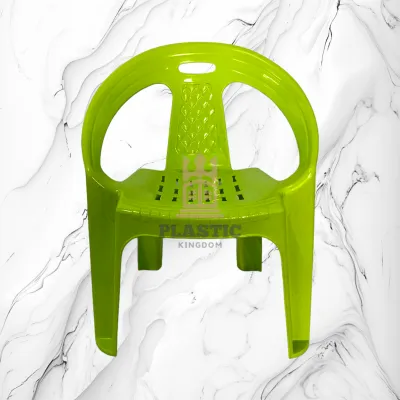
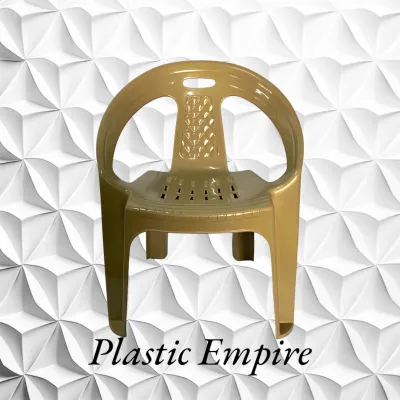
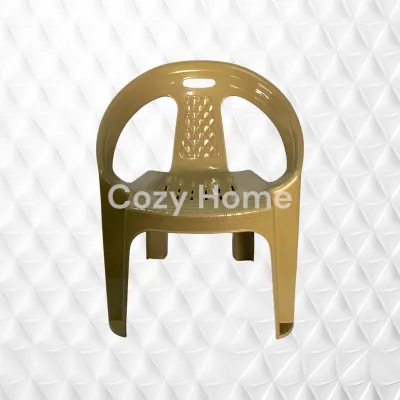

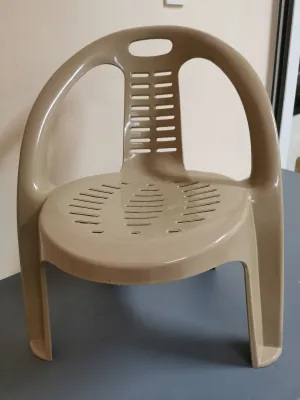
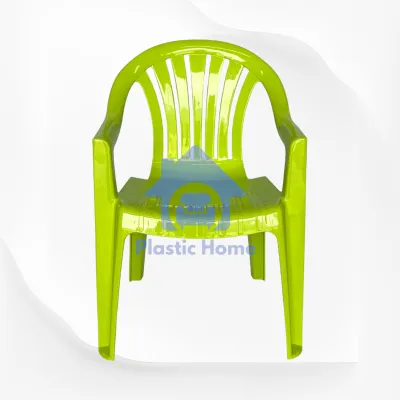


Prices are valid at publication and may change. Please refer to the product page for the latest price.
True heavy-duty chairs carry explicit weight capacity ratings backed by manufacturer testing. Rather than accepting a seller’s verbal assurance or a vague online marketplace description, ask to see the manufacturer’s technical specification sheet. Look for certifications or testing standards, such as BIFMA standards for safety and durability, which verify the chair has undergone rigorous load and drop testing to ensure it can handle active daily use.
Essential Durability and Safety Checks Before Buying
Children rarely sit perfectly still while studying; they lean, reach, and shift weight constantly. A wide, stable base is critical to prevent tip-over accidents. For mobile chairs, a five-star base with weighted, smooth-rolling casters offers the best resistance to tipping in any direction. For stationary chairs, look for wide-set, splayed legs that distribute weight evenly and prevent the chair from sliding or tipping when a child leans over the backrest.

Surface treatments and finishes must be resilient enough to handle the unique challenges of the Philippine climate, including high humidity and salt air in coastal areas. These conditions can accelerate wood rot, metal corrosion, and finish peeling. Check that wooden chairs feature a high-quality, non-toxic polyurethane or water-resistant lacquer finish to seal out moisture. For metal frames, prioritize powder-coated finishes over simple spray paint, as powder coating provides a thick, durable barrier against scratches, rust, and chipping.
If you choose an adjustable chair, the mechanisms must be robust enough for daily use. Inspect the gas lift cylinder on pneumatic chairs; it should have a heavy-duty rating and operate smoothly without sinking under weight. For manual adjustment chairs, check that the locking knobs, pins, or collars are made of solid metal or high-impact plastic with deep threads that will not strip when tightened securely.
Types of Heavy-Duty Chairs for Different Study Setups
When planning a study corner, you must balance structural rigidity with ergonomic adjustability. Highly adjustable chairs offer excellent posture support but contain more moving parts that require maintenance. Conversely, fixed-frame chairs offer unmatched structural simplicity and durability but require careful matching to the desk height to ensure a comfortable, ergonomic sitting position.
Adjustable Ergonomic Chairs with Reinforced Bases
Adjustable ergonomic chairs are designed to grow with your child, making them an excellent long-term investment for dedicated study spaces. These chairs typically feature adjustable seat heights, backrest depths, and sometimes integrated footrests to support proper posture, keeping knees at a 90-degree angle and feet flat.
When evaluating these models, check the quality of the gas lift cylinder and ensure the casters have a locking mechanism, either manual or weight-activated, to keep the chair stationary during study sessions. A reinforced footrest is also essential for younger children whose feet cannot yet reach the floor.
The primary limitation of these chairs is their mechanical complexity. The presence of multiple adjustment levers, joints, and moving parts means there are more points of potential wear. They generally carry a higher price point and require periodic inspection and tightening to maintain their structural integrity.
Solid Wood or Metal-Frame Fixed Chairs
For maximum simplicity, minimal maintenance, and absolute structural rigidity, solid wood or metal-frame fixed chairs are highly effective. These chairs have no moving parts to wear out, strip, or break, making them virtually indestructible under normal study conditions. They are particularly suited for older children, shared family study spaces, or setups with a fixed-height desk.
When inspecting a fixed chair, check the wood grain direction at key stress points, such as where the legs meet the seat; the grain should run parallel to the length of the leg for maximum strength. For metal frames, look for clean, continuous welds and non-slip, non-marking rubber or plastic foot pads to protect your flooring and prevent sliding.
The main drawback is the lack of adjustability. To prevent slouching, neck strain, or shoulder fatigue, you must ensure the chair’s seat height matches your desk perfectly. If the child is too small for the setup, you may need to add external accessories like footrests or seat cushions to achieve an ergonomic posture.
Sizing and Space Planning for the Study Corner
A heavy-duty chair is often bulkier and heavier than standard children’s furniture, making careful space planning essential. Begin by measuring the physical footprint of the study corner. You must allow adequate clearance for the chair to rotate, push back from the desk, and recline without striking walls, bookshelves, or nearby wardrobes. A minimum clearance of 70 to 80 centimeters behind the desk is generally recommended to allow your child to sit down and stand up comfortably.
Next, consider the logistics of getting the chair into your home. Because heavy-duty frames are often shipped fully assembled or in large, heavy boxes, you must verify the dimensions of your doorways, stairwells, and elevator cabins. Measure the narrowest points along the delivery path to ensure the package can pass through without damaging your walls or the furniture itself.
Finally, match the chair’s dimensions to your existing study desk. Measure the distance from the floor to the underside of the desk drawer or frame to ensure the chair’s armrests or seat can slide completely underneath when not in use. This saves valuable floor space in smaller bedrooms or shared living areas. Ensure the seat depth allows your child to sit fully back against the backrest while leaving a small gap, about two fingers wide, between the back of their knees and the edge of the seat.
Maintenance Routines to Preserve Structural Integrity
Even the most durable heavy-duty chair requires regular maintenance to preserve its structural integrity over years of active use. Establish a routine tightening schedule. Every three to six months, use the appropriate tools, such as Allen keys or screwdrivers, to check and tighten all screws, bolts, and adjustable joints. Active children shift their weight constantly, creating micro-vibrations that can gradually loosen fasteners, leading to wobbling and accelerated wear on the joints.
Cleaning protocols should match the specific materials of the chair. For solid wood frames, wipe down surfaces with a slightly damp microfiber cloth to remove dust and sweat, then dry immediately with a soft towel. Avoid harsh chemical cleaners or excessive water, which can penetrate the finish and cause the wood to swell or warp in humid tropical conditions. For powder-coated metal frames, a mild soap-and-water solution is sufficient to clean off dirt and oils. Regularly vacuum any fabric upholstery or mesh backrests to prevent dust mites and dirt from grinding into the fibers.
It is vital to recognize when a chair is no longer safe to use. Establish clear stop conditions: if you observe visible cracks in wooden legs or joints, a gas lift cylinder that repeatedly sinks under weight, or stripped screw threads that can no longer be tightened, halt use immediately. Do not attempt temporary DIY fixes on critical structural components; instead, contact the manufacturer or a qualified furniture repair professional for replacement parts or guidance.
Frequently Asked Questions (FAQ)
How do I verify the actual weight capacity of a kids chair?
To verify the actual weight capacity, look for the manufacturer’s official product specification sheet or a physical safety label affixed to the underside of the seat. Reliable manufacturers test their products against recognized industry standards, such as BIFMA or EN standards, and will explicitly state the maximum weight limit. Be cautious of generic descriptions on online marketplaces that claim high weight capacities without providing official documentation or test certifications. Additionally, distinguish between static weight capacity, which is the weight the chair can hold when completely still, and dynamic load capacity, which is the force applied when a child sits down quickly, leans, or moves, as dynamic forces place significantly higher stress on the frame and joints.
Are heavy-duty chairs too heavy for a child to move independently?
Heavy-duty chairs are naturally heavier than standard plastic models due to their robust materials, but they are generally designed to be manageable for children of the target age group. When selecting a chair, compare its total weight against your child’s age and physical capability. For mobile ergonomic chairs, high-quality, smooth-rolling casters make repositioning easy even on hard floors, though you should look for lockable casters to prevent the chair from rolling away during study time. If independent portability is a primary concern, look for chairs constructed with reinforced aluminum frames; these offer the structural strength of metal while remaining significantly lighter and easier for a child to pull or push independently.

Community discussion
Share your experience or ask a question. Comments are reviewed before publication.