
Finding a heavy-duty modern swivel chair that fits a budget of ₱5,000 to ₱15,000 requires a careful balance of structural verification, material selection, and aesthetic compromise. In this price range, you are moving away from flimsy entry-level office chairs and entering a tier where robust steel-reinforced bases, high-density molded foam, and certified gas lifts become accessible. To make the right choice, you must look past superficial design trends and focus on verifiable specifications like cylinder classes, base materials, and actual seat dimensions. By understanding what this budget can realistically secure, you can confidently select a chair that supports your body comfortably through long working hours while complementing a clean, contemporary workspace.
Setting Realistic Expectations for Your ₱5,000 to ₱15,000 Budget
When shopping for a swivel chair in the ₱5,000 to ₱15,000 price range, it is important to understand what upgrades this budget actually unlocks. Below ₱5,000, chairs often rely heavily on lightweight plastics, thin-walled metal tubes, and low-density recycled foam that sags within months. In the mid-range tier, manufacturers can allocate more budget to structural integrity. You can expect heavier gauge steel plates under the seat, thicker nylon or aluminum bases, and more durable mechanical components. This transition is crucial for anyone seeking a heavy-duty rating, which typically implies a chair built to withstand consistent daily use by individuals requiring higher weight capacities.
Within this budget, you will encounter two primary base materials: heavy-duty reinforced nylon and cast aluminum or chrome-plated steel. Both offer excellent stability, but metal bases provide a more premium, modern look and a lower center of gravity. Upholstery also sees a significant upgrade. Instead of cheap, scratchy polyester mesh or thin vinyl that peels in the heat, this tier offers high-tensile elastomeric mesh, tightly woven fabrics, and thicker polyurethane (PU) leather. These materials are selected not just for their immediate feel, but for their ability to resist stretching and tearing over years of active swiveling.
Products mentioned in this guide
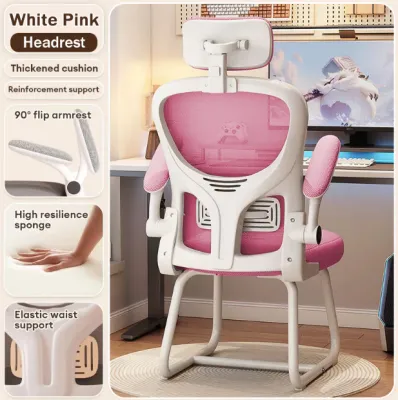
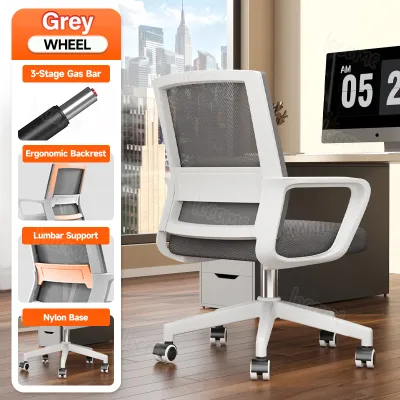
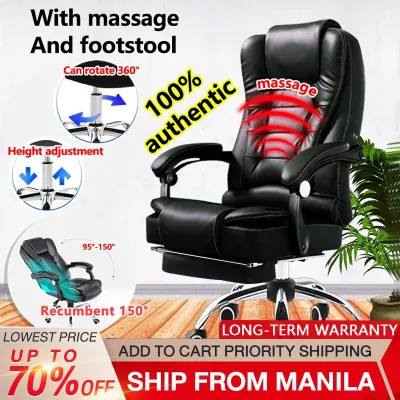
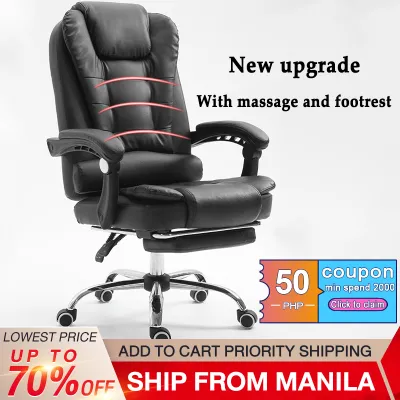
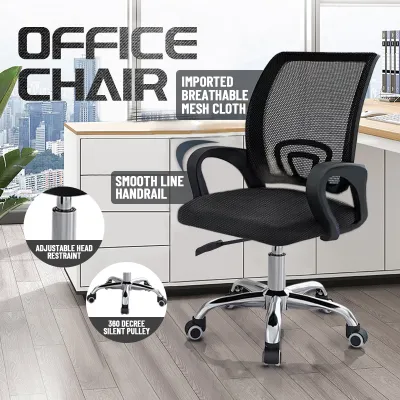
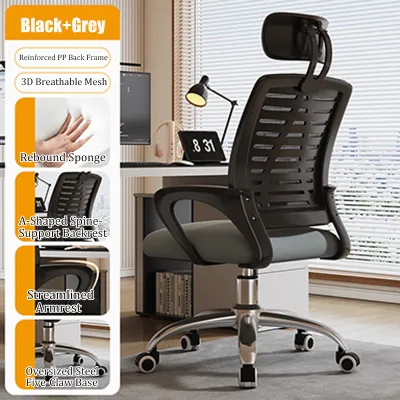
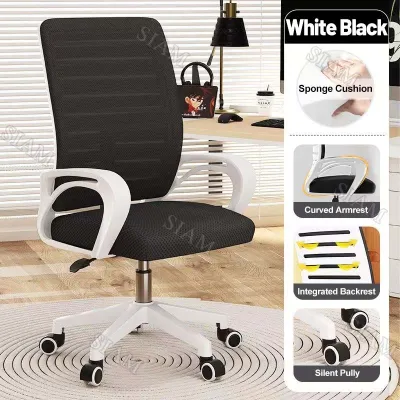
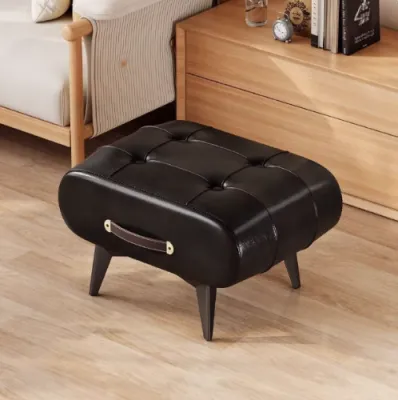
Prices are valid at publication and may change. Please refer to the product page for the latest price.
A sleek, minimalist profile often requires more sophisticated engineering to hide bulky mechanical parts. In the ₱5,000 to ₱15,000 bracket, you must decide whether you prioritize a highly adjustable ergonomic look or a streamlined, architectural aesthetic. Chairs with hidden tilt mechanisms and integrated lumbar supports often cost more due to specialized manufacturing, even if they have fewer manual adjustment levers. Understanding this trade-off helps you allocate your budget: if you need maximum adjustability for long hours, look for a more traditional ergonomic silhouette; if your priority is a clean, modern home office aesthetic, look for integrated designs with robust core components.
How to Verify Weight Capacity and Structural Stability
Do not rely on a simple “heavy duty” label in a product title. Instead, look for specific weight capacity ratings provided in the technical specifications. A true heavy-duty chair in this price range should explicitly state a weight limit, often ranging from 120 kg to 150 kg or more. To verify these claims, check if the manufacturer references international testing standards, such as BIFMA (Business and Institutional Furniture Manufacturers Association). While you do not need to be an engineering expert, seeing that a chair’s tilt, swivel, and base impact resistance have been tested under standardized conditions provides peace of mind.

The gas lift cylinder is the literal backbone of any swivel chair. It is responsible for height adjustment and absorbing the impact when you sit down. For a heavy-duty chair, you should verify that the gas lift is rated as Class 3 or Class 4. Class 4 cylinders have thicker steel walls and can safely support heavier loads over longer periods compared to the thinner Class 2 cylinders found in cheaper models. If a product listing does not specify the gas lift class, ask the seller directly or check the laser-engraved markings on the cylinder itself upon delivery.
The base diameter and material are equally critical for stability. A wider base diameter—typically 650 mm to 700 mm—prevents the chair from tipping when you lean back or swivel rapidly. Look for bases made of solid cast aluminum or heavy-duty glass-fiber reinforced nylon. When evaluating online listings, look closely at the underside photos. A high-quality base will have thick reinforcing ribs on the underside of the spokes to distribute weight evenly to the casters.
Finally, physical dimensions must match both your body and your workspace. Measure the seat width and depth, ensuring there is enough clearance for your hips and thighs without pressing against the armrests. Additionally, consider the practical logistics of your home. Measure your doorways, hallways, and even lift access if you live in a high-rise condominium. A heavy-duty chair often comes in a large, heavy box, and ensuring it can physically pass through your entryways and fit under your desk is a vital step before finalizing your purchase.
Balancing Ergonomic Adjustments With Modern Aesthetics
When shopping in the ₱5,000 to ₱15,000 range, you must distinguish between essential ergonomic adjustments and premium features that might inflate the price without adding real value. Essential adjustments include seat height, 360-degree swivel, and a reliable tilt-tension lock that allows you to recline comfortably. More advanced features, such as 4D armrests (which adjust in four directions) or complex synchro-tilt mechanisms that move the seat and backrest at different angles, are nice to have but can push a modern, heavy-duty chair toward the upper limit of your ₱15,000 budget. Prioritize a solid, stable frame with basic, high-quality adjustments over a highly adjustable chair made of flimsy materials.
Upholstery choice is particularly important in the Philippines, where high humidity and warm temperatures are constant factors. Mesh backrests are highly recommended for tropical climates because they allow air to circulate freely, keeping your back cool and preventing sweat buildup. If you prefer the plush feel of fabric or the sleek look of PU leather, ensure the room has adequate air conditioning. Fabric seats should be treated with stain-resistant coatings, while PU leather should be checked for thickness and breathability to prevent peeling and cracking under humid conditions.
The design of the backrest presents another choice between aesthetics and comfort. Many modern swivel chairs feature a sleek, continuous curve that looks beautiful in a minimalist home office but offers limited lumbar support. If you spend more than four hours a day in your chair, look for models that integrate adjustable lumbar support into their modern design. This can be a subtle, height-adjustable pad behind a mesh backrest or a flexible lower-back section that conforms to your spine without disrupting the chair’s clean lines.
Avoiding Quality Traps and Hidden Checkout Costs
The online marketplace is filled with generic chairs labeled “heavy duty” that fail to live up to the name. To avoid these quality traps, look for detailed product descriptions that include specific material specifications, dimensions, and weight limits. Be skeptical of listings that use overly dramatic marketing language but omit basic technical details like the base material, gas lift class, or warranty period. Reading customer reviews, particularly those written after several months of use, can reveal common failure points like squeaking joints, sinking cylinders, or tearing mesh.
When purchasing a heavy-duty chair online, the listed price is rarely the final cost. Because these chairs are constructed with heavy steel and solid bases, the shipping box is often bulky and heavy. Shipping fees to provinces outside Metro Manila can add a significant amount to your total expense, potentially pushing a ₱14,000 chair past your ₱15,000 budget limit. Always calculate the total cost, including shipping and any potential assembly fees, before checking out. Some sellers offer free shipping or discount vouchers, which can help you stay within your budget.
Finally, pay close attention to the warranty terms. A reputable manufacturer or distributor in the Philippines should offer at least a one-year warranty covering major structural components, including the gas lift cylinder, the swivel mechanism, and the base. High-wear parts like casters and armrest pads may have shorter coverage, but a complete lack of warranty is a major red flag. Keep your receipt and warranty card in a safe place, as you may need to contact the seller for replacement parts if a component fails prematurely under daily use.
Frequently Asked Questions (FAQ)
How can I test if a swivel chair is truly heavy duty?
Upon delivery or when visiting a showroom, you can perform a few quick physical checks to assess the chair’s build quality. First, lift the chair slightly or feel the base; a heavy-duty chair should feel substantial and solid, not light or hollow. Sit in the chair and swivel 360 degrees to check for any wobbling, grinding, or unusual noise in the mechanism. Finally, apply weight to the backrest and check if the gas lift holds its position firmly without sinking or flexing under pressure.
Does a modern design mean less padding for long hours?
Not necessarily. While some minimalist chairs feature thin profiles, modern heavy-duty chairs often utilize high-density molded foam rather than thick, soft padding. High-density foam provides superior support by distributing your weight evenly and maintaining its shape over long hours, preventing you from bottoming out against the hard seat pan. Additionally, ergonomic mesh designs conform to your body’s natural curves, offering excellent comfort and support without the need for bulky, heat-retaining cushions.
What maintenance is required for the swivel mechanism?
To keep your swivel chair operating smoothly and extend its lifespan, perform basic maintenance every few months. Start by inspecting the underside of the chair and tightening any screws or bolts that may have loosened from daily movement. Clean the casters by removing hair, dust, and debris that can clog the wheels and scratch your floors. If the swivel mechanism or gas lift begins to squeak, consult the manufacturer’s manual to see if a light application of silicone lubricant is recommended for the moving parts.

Community discussion
Share your experience or ask a question. Comments are reviewed before publication.