
Selecting a heavy-duty outdoor hammock with a built-in mosquito net for a garden requires a careful balance of structural strength, material durability, and reliable insect protection. In a tropical climate characterized by intense sun, high humidity, and sudden heavy downpours, a standard indoor or lightweight travel hammock will quickly degrade. To find a model that offers a safe, comfortable, and bug-free retreat, you must evaluate how the hammock’s materials, suspension systems, and netting designs perform under constant environmental stress. By focusing on verified weight capacities, weather-resistant fabrics, and secure installation methods, you can ensure your garden hammock remains a durable and relaxing fixture for years to come.
Key Features to Evaluate for Heavy-Duty Garden Hammocks
To identify a genuinely heavy-duty hammock, start by verifying the manufacturer’s specified weight capacity on the product label. A reliable heavy-duty rating typically supports at least 180 to 220 kilograms, accommodating multiple users or providing an extra margin of safety for a single occupant. Do not rely solely on marketing claims; instead, look for structural indicators such as double-layered fabric beds, triple-stitched interlocking seams, and reinforced attachment loops. These construction details distribute weight more evenly and prevent sudden fabric failures at high-stress connection points.
The fabric’s denier rating is a critical indicator of tear resistance and overall durability. Denier measures the thickness of the individual threads used to weave the fabric, with higher numbers indicating thicker, stronger fibers. For a heavy-duty garden hammock, look for fabrics with a rating of 70D (denier) or higher, preferably woven with a ripstop pattern. Ripstop weaves incorporate stronger threads at regular intervals, creating a grid pattern that stops small punctures or snags from spreading into large, catastrophic tears. Nylon and polyester are the most common materials, with polyester offering slightly better resistance to stretching and UV degradation over time.
Products mentioned in this guide
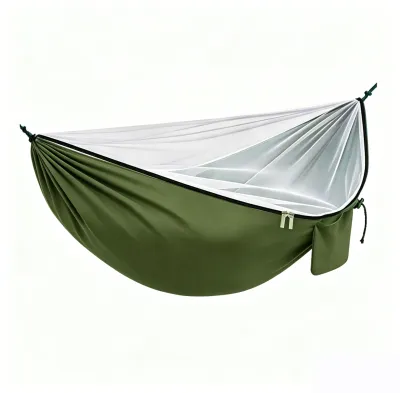
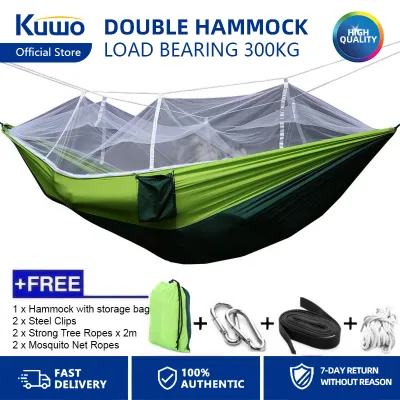
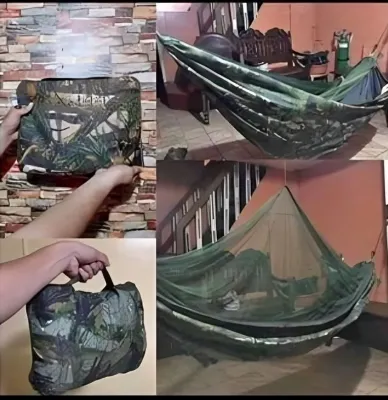
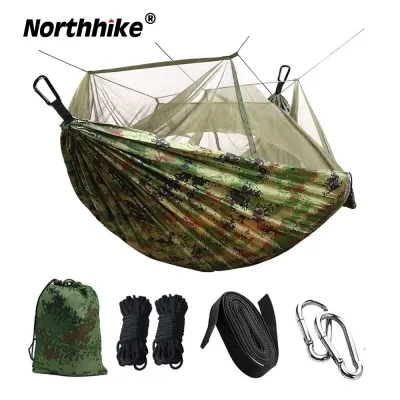
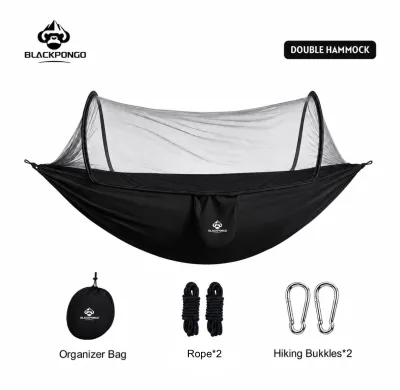
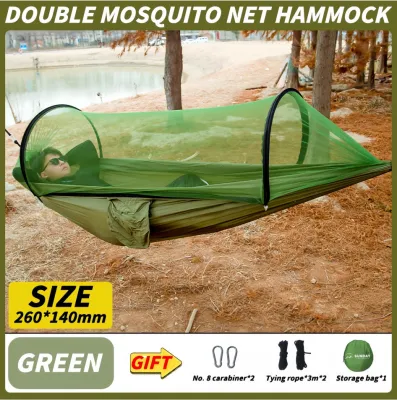
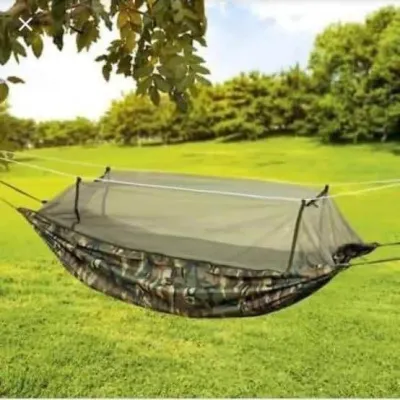
Prices are valid at publication and may change. Please refer to the product page for the latest price.
The suspension hardware must match the strength of the hammock fabric to ensure a safe setup. Examine the load ratings of all included carabiners, chains, S-hooks, and stand joints. Heavy-duty setups should feature solid steel or high-strength aluminum carabiners with clear weight ratings, rather than cheap, unrated wire gates. If you plan to use a metal stand, inspect the thickness of the steel tubing and ensure the joints are reinforced with heavy-duty locking pins or bolts. Any metal component exposed to the elements must feature a protective finish, such as powder coating or hot-dip galvanization, to prevent structural weakening from rust.
Mosquito Net Designs and Effectiveness
A mosquito net is only effective if it creates a complete, unbroken barrier against insects while remaining easy to use. Fully enclosed zippered nets are generally the most reliable design for garden use, as they zip directly to the hammock body to eliminate any gaps. Look for double-sided zippers that allow you to open and close the net easily from both the inside and the outside. Drawstring bottom closures, which pull tight around the underside of the hammock, can sometimes slip or leave small openings if not adjusted perfectly, making them less reliable in areas with high insect activity.

The density of the mesh determines which insects can pass through and how much air can circulate inside the hammock. In tropical climates, balancing insect protection with ventilation is crucial to prevent the interior from becoming uncomfortably hot and humid. Look for fine mesh netting, often labeled as “no-see-um” mesh, which features extremely small openings designed to block tiny biting midges, gnats, and mosquitoes. While ultra-fine mesh restricts airflow slightly more than coarser netting, it is essential for complete protection in lush garden environments where small pests thrive.
Interior headroom and structural support significantly impact your comfort and ease of movement inside the hammock. Some designs use a flexible ridge line or external spreader poles to suspend the netting high above the sleeping area, creating a spacious, tent-like canopy. This prevents the netting from resting directly on your face or body, which is important because mosquitoes can easily bite through thin mesh if it touches your skin. Ensure the entry and exit points are wide enough to allow you to sit up, swing your legs out, and stand up without straining the netting or the zipper seams.
Weather Resistance and Material Care for Tropical Climates
The tropical climate of the Philippines presents unique challenges for outdoor furniture, making weather resistance a primary consideration. Intense ultraviolet (UV) radiation from the sun can rapidly degrade synthetic fibers, causing them to fade, become brittle, and lose their tensile strength. When shopping, check product specifications for UV-resistant coatings or treatments applied to the fabric. Additionally, high humidity and frequent rain create an ideal environment for mold and mildew growth, which can rot natural fibers and stain synthetic materials. Choosing quick-drying polyester or treated nylon helps mitigate these risks.
Metal components require constant protection against moisture to prevent rust and corrosion. Whether your hammock uses a steel stand, chains, or metal carabiners, verify that these parts feature a durable powder-coated or galvanized finish. Powder coating creates a thick, protective barrier that resists chipping and scratching, while galvanization coats the steel in zinc to prevent oxidation. Inspect these metal parts regularly for any signs of wear, scratches, or rust spots, especially at joints and connection points where friction can wear away the protective coating.
Implementing a routine cleaning and drying protocol is essential to extend the lifespan of your heavy-duty hammock. After heavy rain or high-humidity periods, allow the hammock to dry completely in a well-ventilated, shaded area before folding or storing it. Avoid leaving the hammock pooled with water, as standing water accelerates fabric degradation and mold growth. During the wet season or periods of prolonged non-use, store the clean, dry hammock indoors or inside a breathable, waterproof storage bag to protect it from dust, pests, and continuous moisture exposure.
Space, Installation, and Safety Checks
Before purchasing a hammock, you must carefully measure your garden layout to ensure you have adequate space for installation. For freestanding stands, measure the flat ground area to confirm the stand will fit without blocking pathways or resting against garden walls. For suspended models, calculate the required hanging distance between your mounting points, which is typically the length of the hammock plus an additional two to four feet of clearance. Ensure there is enough vertical clearance so that the lowest point of the hammock sits at a safe, comfortable height above the ground when occupied.
If you plan to hang your hammock from trees, you must assess the health and structural integrity of the selected branches or trunks. Only use mature, healthy trees with a trunk diameter of at least 30 centimeters, and avoid any trees showing signs of rot, deep cracks, or insect damage. Always use wide, tree-safe suspension straps made of heavy-duty polyester webbing rather than thin ropes or chains, which can cut into the bark and damage the tree’s vascular system. Verify that the straps are rated for outdoor use and feature multiple attachment loops for easy adjustment.
Wind stability is another critical safety factor, particularly during stormy weather or the monsoon season. A hammock with a large mosquito net canopy can act like a sail in high winds, putting immense strain on the suspension points or tipping over a freestanding stand. If high winds or storms are forecasted, always take down the hammock fabric and net, and secure the stand or store it indoors. Regularly inspect all suspension straps, carabiners, and fabric seams for signs of fraying, cracking, or stretching to prevent unexpected failures during use.
Comparing Common Hammock Configurations
To help you choose the right setup for your garden, the table below compares the primary hammock configurations based on portability, setup requirements, and stability.
| Configuration Type | Portability | Setup Requirements | Space Requirements | Wind Stability |
|---|---|---|---|---|
| Freestanding Stand | Low to Moderate | Requires flat, level ground; no trees needed | High footprint; requires dedicated flat space | Moderate; can tip in extreme winds if unsecured |
| Tree-Hung Setup | High | Requires two sturdy, mature trees at correct distance | Flexible; depends on tree spacing | High; anchored directly to stable natural structures |
| Spreader-Bar Design | Low | Keeps fabric flat; requires precise tensioning | Medium to High; wider footprint | Low to Moderate; prone to flipping if weight shifts |
| Gathered-End Design | High | Conforms to body; easier to adjust height | Medium; compact storage | High; lower center of gravity reduces tipping risk |
Each configuration presents distinct trade-offs depending on your garden’s layout and how you plan to use the hammock. Freestanding stands offer excellent flexibility in placement, allowing you to position your hammock on a patio, lawn, or deck without relying on trees, though they are heavier and more difficult to move. Tree-hung setups are highly portable and ideal for shaded garden corners, but they limit you to specific locations where suitable trees exist. Spreader-bar designs keep the hammock bed flat and open, making them easy to enter but less stable, whereas gathered-end designs wrap around you for a secure, cocoon-like feel that maximizes wind resistance and safety.
Frequently Asked Questions (FAQ)
Can I leave my outdoor hammock outside during the rainy season?
Leaving your hammock exposed to continuous rain during the wet season is not recommended, as prolonged moisture exposure accelerates fabric rot, mold growth, and metal corrosion. Even weather-resistant synthetic fabrics like polyester and treated nylon will eventually degrade if they remain damp for extended periods. To protect your investment, bring the hammock fabric and mosquito net indoors during heavy monsoons or prolonged rainy spells. If you must leave the setup outside, use a breathable, waterproof hammock cover designed to shield the fabric from direct rain while allowing trapped moisture to evaporate.
How do I clean a hammock with a built-in mosquito net?
To clean your hammock safely, always refer to the manufacturer’s care label for specific instructions, as washing methods vary by material. Generally, hand-washing in a large tub of cool water with a mild, biodegradable soap is the safest way to clean both the heavy-duty fabric and the delicate mosquito netting. Avoid using harsh detergents, bleach, or fabric softeners, as these chemicals can strip away UV-resistant coatings, water-repellent finishes, and damage the fine mesh fibers. Rinse the hammock thoroughly with clean water, gently squeeze out the excess moisture without wringing, and hang it to air-dry completely in a shaded, well-ventilated outdoor area.
Community discussion
Share your experience or ask a question. Comments are reviewed before publication.