
Choosing the right heavy-duty outdoor hammock with a zipper requires balancing structural safety, fabric durability, and the physical constraints of your garden or balcony. In tropical climates where sudden downpours and high humidity are common, your choice must withstand intense sun exposure and moisture while providing a secure, comfortable place to rest. By focusing on verified weight capacities, frame stability, and the specific function of the zipper closure, you can select a model that fits your space and lasts for years.
Assessing Your Space: Garden vs. Balcony Constraints
Before purchasing any outdoor furniture, you must accurately measure your designated area to determine whether a freestanding frame or a suspended setup is more practical. For a balcony, floor space is often the limiting factor. You need to measure not just the length of the hammock itself, but also the necessary clearance on all sides to allow for a safe, gentle swing without hitting walls, railings, or sliding glass doors.
If you plan to install a hanging hammock on a balcony, you must identify structural concrete columns or overhead beams that can safely bear dynamic loads. Never anchor hardware into thin balcony railings, decorative cladding, or gutters, as these components are not engineered to support human weight. If structural anchors are not an option, a freestanding frame is the safest alternative, though it will occupy a permanent footprint on your balcony floor.
Products mentioned in this guide
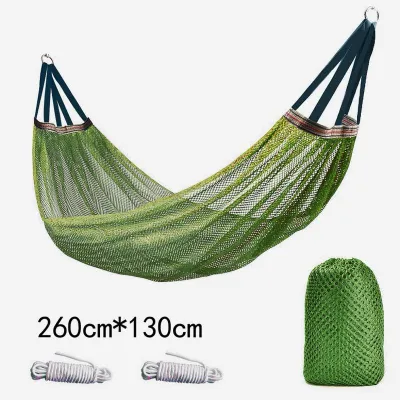
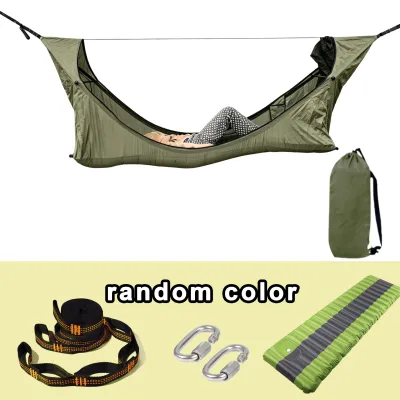

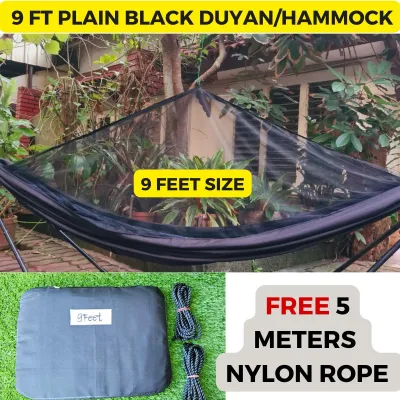
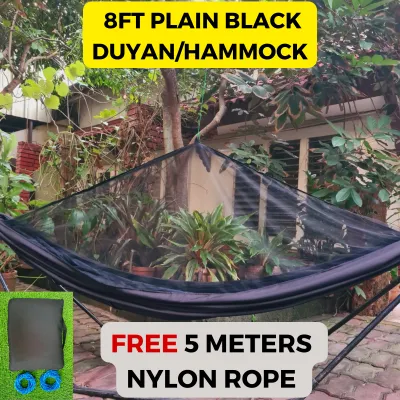
Prices are valid at publication and may change. Please refer to the product page for the latest price.
For garden installations, you have more flexibility but must still evaluate your support structures carefully. If you are hanging the hammock between two trees, ensure the trunks are mature, healthy, and free of rot or deep cracks. The distance between the trees should match the manufacturer’s recommended span, typically requiring additional straps or chains to adjust the tension and height.
Regardless of whether you choose a garden or balcony setup, consider the logistics of getting the product to its final location. Heavy-duty frames often come in large, heavy boxes. You should verify the dimensions of your doorways, stairwells, and elevator cabins to ensure you can easily transport the packaged components to your home for assembly.
Understanding "Heavy-Duty" and Weight Capacity Specs
The term “heavy-duty” is frequently used in marketing, but you must look past the labels to verify the actual structural integrity of the hammock. Start by checking the manufacturer’s official weight capacity rating, which is typically printed on the product packaging or the sewn-in care label. Compare this limit against the combined weight of the heaviest intended users, leaving a safe buffer rather than pushing the maximum limit.

Inspect the materials used in the frame and stand. High-quality heavy-duty stands are generally constructed from thick-walled steel tubing or solid hardwood. Look for powder-coated finishes on steel frames, which help protect the metal from moisture and prevent early rust formation. Examine the joint connections carefully; robust frames feature secure locking pins, heavy bolts, and reinforced brackets rather than thin, press-fit joints.
Fabric strength is equally critical for safety and longevity. Heavy-duty hammocks often utilize tightly woven synthetic fabrics, such as polyester or specialized outdoor blends, which resist tearing and stretching under load. Check the stitching along the seams and attachment loops, looking for double or triple stitching that indicates a higher standard of construction.
Stability is paramount, especially when placing a freestanding hammock on uneven garden turf or smooth balcony tiles. Look for frames with a wide base spread to prevent tipping when you get in or out. Some models feature non-slip rubber feet that protect your balcony tiles from scratches while providing extra grip to keep the frame securely in place. When planning your budget, allocating ₱ to a high-quality, certified frame rather than a cheap alternative ensures long-term safety and durability.
Evaluating the Zipper Feature and Outdoor Durability
The zipper on an outdoor hammock serves a specific functional purpose, and understanding its design will help you choose the right model for your needs. In many tropical environments, a zipper is used to secure an integrated mesh bug net around the sleeping area, keeping mosquitoes and other insects out while allowing air to circulate. Alternatively, some designs use zippers to attach a removable weather canopy or to secure thick cushion inserts inside the fabric casing.
Because the zipper is exposed to the elements, its material and construction are critical to the hammock’s overall durability. Look for heavy-duty plastic or nylon coil zippers, which are less prone to corrosion than standard metal zippers when exposed to high humidity and rain. The zipper pulls should be made of rust-resistant alloys or covered in protective synthetic tabs to ensure smooth operation over time.
To prevent water from seeping through the zipper teeth during a downpour, high-quality outdoor hammocks often feature protective fabric flaps or storm guards that cover the zipper track. This design detail helps keep the interior dry and protects the zipper mechanism from direct sun exposure, which can degrade synthetic materials over time.
Review the manufacturer’s care labels for specific details on UV resistance and water repellency. Fabrics treated with UV inhibitors will retain their strength and color longer under intense sunlight, while water-repellent coatings help moisture bead up and roll off the surface rather than soaking into the fibers.
Mounting, Assembly, and Safety Checks
Proper assembly and installation are vital to ensure your heavy-duty hammock remains safe to use. Always follow the manufacturer’s step-by-step instructions carefully, using the specified hardware and tools. When assembling a metal frame, tighten all bolts securely but avoid over-tightening, which can strip the threads or damage the protective powder coating.
If you are using hanging hardware, select heavy-duty carabiners, S-hooks, and tree-saver straps that are rated for outdoor furniture use. Avoid using standard household ropes or thin hardware store chains that do not have certified load limits. Ensure that the suspension straps are positioned at a safe angle—typically around 30 degrees from the horizontal—to distribute the weight evenly and reduce stress on the anchor points.
Establish a routine inspection schedule to maintain safety throughout the hammock’s lifespan. Before each use, take a moment to visually check the fabric for any signs of fraying, thinning, or loose threads, especially near the suspension loops. Inspect the zipper track for dirt, debris, or bent teeth that could cause the slider to jam or split the zipper open.
Periodically check the frame joints and hardware connections to ensure nothing has loosened from regular swinging or temperature changes. If you notice any rust spots on a metal frame, clean the area gently and apply a rust-inhibiting touch-up paint to prevent the corrosion from spreading and weakening the structure.
Frequently Asked Questions (FAQ)
Can I leave a heavy-duty outdoor hammock outside all year?
Whether you can leave your hammock outdoors continuously depends on the specific materials and the manufacturer’s care guidelines. While heavy-duty frames and fabrics are designed to withstand outdoor conditions, prolonged exposure to intense tropical sun, heavy monsoon rains, and high humidity will accelerate wear and tear. To prolong the life of your investment, it is best to store the fabric portion indoors during periods of extended non-use or severe weather. If your hammock features a zippered cover or removable cushions, you can easily unzip and store these softer components while leaving the main frame outside, provided the frame has a weather-resistant finish.
What does the zipper on an outdoor hammock usually do?
The zipper on an outdoor hammock typically serves one of three primary functions depending on the product design. Most commonly, it secures a fine mesh mosquito net around the perimeter of the hammock, creating an enclosed, insect-free sleeping pod that is highly beneficial for evening relaxation in tropical gardens. In other designs, zippers are used to attach or detach a protective overhead canopy that shields you from light rain or direct sunlight. Finally, some heavy-duty models feature zippered compartments that allow you to insert or remove padded cushions, making the fabric easier to clean and store. Always review the product specifications to confirm the exact zipper configuration before making your purchase.
How do I clean a heavy-duty hammock with a zipper?
To clean your hammock safely, always consult the manufacturer’s care label for specific washing instructions, temperature limits, and recommended detergents. Before cleaning, fully unzip and detach any removable parts, such as bug nets, canopies, or cushion inserts, to prevent the zipper teeth from snagging or damaging the fabric during the process. Hand washing with mild soap and cool water is generally the safest method for outdoor fabrics, using a soft brush to gently scrub away dirt or pollen. After washing, rinse all components thoroughly and allow them to air dry completely in a shaded, well-ventilated area before reassembling or storing them, as trapping moisture inside the zipper tracks or fabric folds can lead to mold, mildew, and rust.
Community discussion
Share your experience or ask a question. Comments are reviewed before publication.