
Selecting a heavy-duty stainless round table requires looking far beyond surface shine. In busy commercial venues, outdoor patios, and modern homes, a bar table must withstand constant physical use, heavy leaning, and exposure to environmental moisture without tipping or developing unsightly rust spots. To find a table that remains rock-solid and pristine over years of service, you must evaluate the engineering of its base, the specific chemistry of its steel, the integrity of its joints, and its spatial compatibility with your environment.
By understanding how these structural elements interact, you can avoid the common pitfalls of flimsy construction, such as thin-walled tubing, low-grade steel alloys, and weak spot welds. This comprehensive guide provides the practical knowledge and verification steps needed to identify a genuine heavy-duty round bar table that delivers long-term stability and corrosion resistance.
How to Evaluate Base Construction for Wobble-Free Stability
The stability of a round bar table depends heavily on the design, weight, and footprint of its base. Because bar tables are taller than standard dining tables—typically standing between 100 and 110 centimeters high—they have a higher center of gravity. This height makes them naturally more susceptible to tipping and wobbling if the base is poorly engineered. When evaluating a table, the first step is to analyze how the base distributes weight and contacts the floor.
Products mentioned in this guide
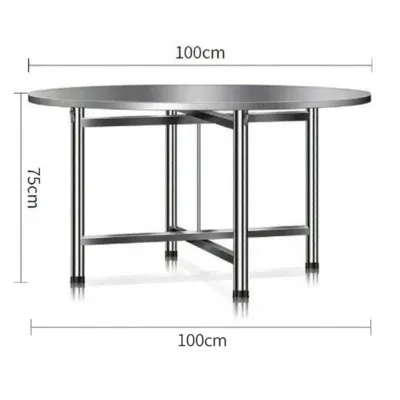
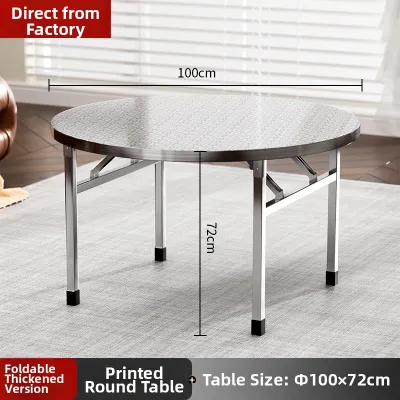
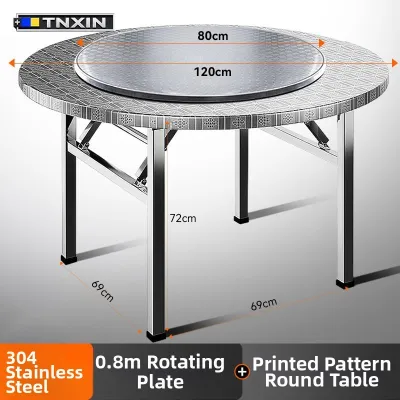
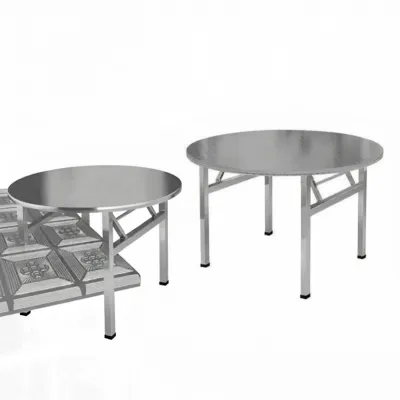
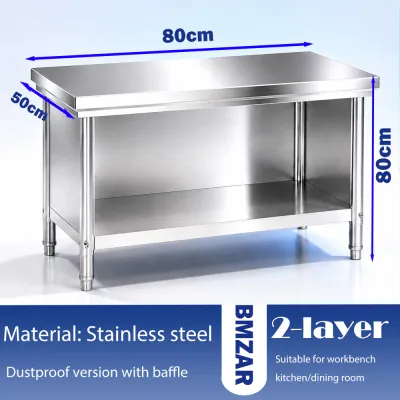
Prices are valid at publication and may change. Please refer to the product page for the latest price.
Base designs generally fall into two categories: single pedestal disc bases and cross-base (X-shape) designs. A single pedestal disc base uses a heavy, circular plate at the bottom to lower the center of gravity. For maximum stability, the diameter of this bottom disc should scale with the size of the tabletop; a safe rule of thumb is that the base diameter should be at least 50% to 60% of the tabletop’s diameter. A cross-base design relies on four extended legs to distribute weight outward. While cross-bases offer excellent stability and more legroom, you must ensure the legs extend far enough to prevent the table from tipping when downward pressure is applied to the very edge of the tabletop.
Beyond the footprint, the central column or leg tube must be robust enough to resist flexing. Check the product specification label for the steel gauge and tube diameter. In metal manufacturing, a lower gauge number indicates thicker steel. For heavy-duty applications, look for columns made from 14-gauge (approximately 1.9 millimeters) or 16-gauge (approximately 1.5 millimeters) steel. The outer diameter of the central column should ideally be 76 millimeters or larger. Thin-walled columns, often made from 20-gauge steel or higher, will flex under lateral pressure, causing the tabletop to sway even if the base plate remains flat on the floor.
Even the heaviest base will wobble if the floor surface is slightly uneven. This is why adjustable leveling feet, often called leveling glides, are essential. These threaded components screw into the bottom of the base, allowing you to make micro-adjustments to compensate for sloped concrete, uneven floor tiles, or outdoor pavers. Verify that the leveling feet are made from durable materials, such as stainless steel threads paired with high-density nylon bases, which protect your flooring from scratches while providing a stable foundation.
Checking Steel Grades and Finishes for Rust Resistance
Not all stainless steel is created equal, and assuming that all stainless products are completely immune to rust is a common mistake. Stainless steel resists corrosion because of its chromium content, which reacts with oxygen to form an invisible, protective chromium oxide layer on the metal’s surface. However, the presence of other alloying elements, such as nickel and manganese, determines how well the steel can maintain this protective barrier in challenging environments.

When reviewing manufacturer specifications, look for the specific grade of stainless steel used. The most common grades found in heavy-duty furniture are Grade 304 and Grade 201. Grade 304 contains a high concentration of chromium (typically 18%) and nickel (typically 8% to 10%), making it highly resistant to rust, organic acids, and moisture. This grade is the industry standard for commercial kitchens and high-quality outdoor furniture. In contrast, Grade 201 substitutes cheaper manganese for a portion of the nickel. While Grade 201 is strong and more affordable, it is significantly more prone to corrosion when exposed to moisture, making it unsuitable for humid environments or outdoor use.
The surface finish of the steel also plays a critical role in both maintenance and corrosion resistance. A brushed or satin finish is popular because it excels at hiding fingerprints, smudges, and minor scratches. However, the brushing process creates microscopic grooves on the surface that can trap moisture, salt, and cleaning residues if not maintained. A polished or mirror finish is smoother, leaving fewer microscopic crevices where corrosive elements can settle, which makes it highly resistant to rust. The trade-off is that polished surfaces show smudges and scratches much more easily, requiring more frequent wiping to maintain their appearance.
Environmental factors must guide your material choice, especially in tropical climates like the Philippines, where high relative humidity and coastal salt air accelerate oxidation. If your table will be placed near the coast, on an open patio, or in a high-humidity indoor space, Grade 304 is the minimum standard required to prevent rust. For extreme coastal environments directly exposed to salt spray, look for Grade 316, which contains molybdenum for superior chloride resistance. Always review the manufacturer’s care instructions to understand the environmental limitations of the specific finish you select.
Inspecting Welds and Joints for True Heavy-Duty Durability
A table with a heavy base and high-grade steel can still fail if the joints connecting its components are weak. The points of connection—where the tabletop mounting plate meets the column, and where the column meets the base—experience the highest amount of physical stress. Inspecting these joints is crucial to verifying that a table is built for genuine heavy-duty use.
Begin by examining the welds. High-quality heavy-duty tables utilize continuous TIG (Tungsten Inert Gas) welding, which creates clean, uniform, and incredibly strong joints. Look closely at the seams where metal parts meet. A high-quality weld should look like a neat, continuous bead of overlapping scales. Avoid tables that feature rough, bubbly, or uneven weld seams, as these are signs of poor heat control and weak penetration. Most importantly, beware of spot welding, where the metal is joined only at small, isolated points. Spot welds are highly susceptible to cracking under lateral stress, which can cause the joint to fail completely over time.
To handle the leverage exerted on a tall bar table, the connection between the central column and the tabletop mounting plate (often called the spider plate) requires reinforcement. Look for the presence of triangular metal brackets, known as gussets, welded into the corners where the column meets the plate. These gussets distribute lateral forces across a wider area, preventing the mounting plate from bending or tearing away from the column when someone leans heavily on the edge of the table.
Finally, consider the assembly method of the table. Fully welded tables, where the top, column, and base are permanently fused together at the factory, offer the ultimate in rigidity and eliminate the risk of loose joints. However, they are difficult to transport and store. If you choose a modular, bolt-together table, inspect the hardware provided. Heavy-duty modular tables should use high-tensile stainless steel bolts paired with spring washers or nylon-insert lock nuts (Nyloc nuts). These specialized washers and nuts prevent the bolts from gradually backing out and loosening due to the vibrations and micro-movements of daily use, keeping the table tight and wobble-free.
Pre-Purchase Checklist: Space, Dimensions, and Weight Capacity
Before finalizing your purchase, you must ensure that the physical dimensions of the table align with your space and that its rated weight capacity matches your intended use. Proper planning prevents spatial crowding and ensures that the furniture can be safely delivered and installed without damaging your property.
First, measure your available floor space and plan for adequate clearance. A standard round bar table tabletop diameter ranges from 60 to 90 centimeters. However, you must account for the footprint of the bar stools and the space required for guests to sit and move comfortably. Allow at least 75 to 90 centimeters of clear space around the perimeter of the table. This clearance ensures that stools can be pulled out easily and that walkways remain clear for foot traffic, preventing a cramped and uncomfortable layout.
Second, verify the delivery path and assembly conditions. If you are purchasing a fully welded table, you must measure the width and height of every doorway, hallway, elevator cabin, and stairwell turn that the table must pass through to reach its final destination. A table that cannot clear a tight corner or fit into a residential lift will present major installation challenges. If the table is a flat-pack or modular design, ensure you have the necessary tools and space to assemble it safely on-site, following the manufacturer’s step-by-step instructions.
| Dimension / Specification | Recommended Heavy-Duty Standard | Purpose / Benefit |
|---|---|---|
| Steel Thickness (Gauge) | 14-gauge to 16-gauge (1.5mm – 1.9mm) | Prevents denting and structural flexing |
| Column Diameter | 76 mm or larger | Provides lateral stability and resists swaying |
| Base-to-Top Ratio | Base diameter $\ge$ 50% of top diameter | Lowers center of gravity to prevent tipping |
| Walkway Clearance | 75 cm to 90 cm around the table | Ensures comfortable seating and safe foot traffic |
Lastly, match the manufacturer’s stated weight capacity with your expected usage. A genuine heavy-duty table should have a clearly defined static weight rating, often exceeding 100 kilograms. Consider how the table will be used; commercial environments where guests might lean heavily on the edges require a much higher weight capacity and better off-center stability than a quiet residential corner. Never exceed the manufacturer’s rated capacity, and ensure that weight is distributed as evenly as possible across the tabletop surface.
Red Flags: Warning Signs of Poor Construction to Avoid
When shopping for a stainless round table, being able to quickly spot the warning signs of low-quality manufacturing can save you from a frustrating and costly mistake. Many low-end tables are designed to look heavy-duty on a website or showroom floor, but simple physical and visual checks will reveal their true build quality.
One of the easiest physical tests is the “tap test.” Tap your knuckles or a coin against the tabletop and the central column. A high-pitched, tinny, or hollow ring indicates that the table is made from very thin sheet metal, which will dent easily and fail to support heavy loads over time. A high-quality, heavy-duty table will produce a dull, solid thud, indicating thick-gauge steel or the presence of sound-dampening reinforcement under the tabletop. Additionally, if the fully assembled table feels surprisingly light when you attempt to lift it, the base is likely constructed from lightweight materials that will not provide adequate resistance against tipping.
Another major red flag is the absence of detailed technical specifications. Reputable manufacturers of heavy-duty furniture are proud of their materials and will clearly state the exact stainless steel grade (such as Grade 304), the steel gauge, the weight capacity, and the warranty terms on the product label or specification sheet. If a product description uses vague terms like “premium metal,” “heavy-duty steel,” or “rust-resistant finish” without providing specific grades or measurements, it is highly likely that the table is made from lower-grade materials like Grade 201 or chrome-plated carbon steel, which will rust quickly in humid conditions.
Finally, conduct a close visual inspection for manufacturing defects. Look for visible gaps where metal parts should meet seamlessly, misaligned mounting plates that cause the tabletop to sit at an angle, and rough or sharp unfinished edges along the underside of the tabletop rim. These defects not only indicate poor quality control but also present safety hazards for guests and staff. A well-constructed table will feature smooth, deburred edges, precise alignments, and clean joints throughout its entire structure.
Frequently Asked Questions (FAQ)
How do I clean a stainless steel bar table without damaging the finish?
To clean your stainless steel bar table safely, use a soft microfiber cloth dampened with warm water and a mild dish soap. Always wipe in the direction of the brushed grain to avoid scratching the surface. For stubborn grease or smudges, you can use a specialized stainless steel cleaner, ensuring it is formulated without harsh chemicals. Strictly avoid using bleach, ammonia, highly alkaline cleaners, abrasive scrubbing powders, or steel wool, as these substances will scratch the metal and strip away the protective chromium oxide layer, leaving the steel vulnerable to rust. After cleaning, dry the table thoroughly with a clean, dry microfiber cloth to prevent water spots and mineral buildup from hard water.
Can a heavy-duty round bar table be used outdoors?
Yes, a heavy-duty round bar table can be used outdoors, provided it is explicitly rated for outdoor or commercial exterior use by the manufacturer. For outdoor environments, especially in humid or coastal regions of the Philippines, the table must be constructed from Grade 304 or Grade 316 stainless steel to withstand rain, direct sunlight, and salt air. Grade 201 stainless steel should never be used outdoors as it will rust rapidly. To maintain the table’s appearance and protect your warranty, rinse the table regularly with fresh water to remove accumulated salts and environmental pollutants. When the table is not in use for extended periods, protect it with a breathable, weather-resistant furniture cover or store it in a dry, sheltered area.
Community discussion
Share your experience or ask a question. Comments are reviewed before publication.