
Finding a sofa convertible to bed that fits a Japandi aesthetic requires balancing two distinct design philosophies: Japanese rustic minimalism and Scandinavian functionalism. The ideal piece must offer seamless utility without disrupting the serene, uncluttered atmosphere of a minimalist living room. By focusing on low-profile silhouettes, natural timber frames, and textured, organic upholstery, you can select a convertible sofa that serves as a quiet visual anchor while providing practical guest accommodations.
Core Japandi Principles for Dual-Purpose Living Spaces
Japandi style is a thoughtful fusion of Japanese wabi-sabi—the appreciation of imperfection, natural simplicity, and slow living—and Scandinavian hygge—the pursuit of cozy, functional comfort. In a living space, this translates to furniture that feels grounded, intentional, and highly organized. Every item in a Japandi room must justify its presence through either clean utility or quiet beauty, and ideally both.
A sofa convertible to bed perfectly embodies this dual philosophy. Traditional sleeper sofas often present a design challenge because their bulky frames, thick cushions, and complex mechanical parts conflict with the light, airy feeling required by minimalist spaces. A carefully selected convertible sofa solves this conflict by hiding its multi-functional nature within a clean, streamlined silhouette. It allows a single room to transition effortlessly from a peaceful daytime lounge to a comfortable sleeping area, maximizing the utility of the square footage without introducing visual noise.
Products mentioned in this guide
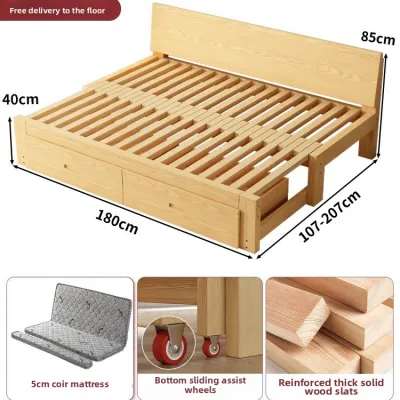
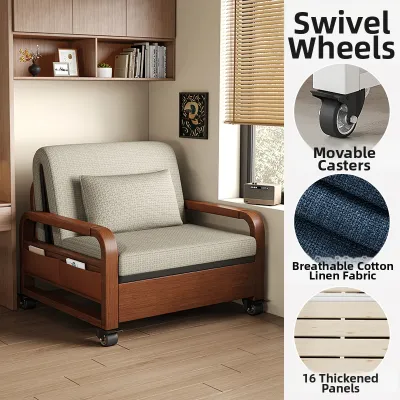

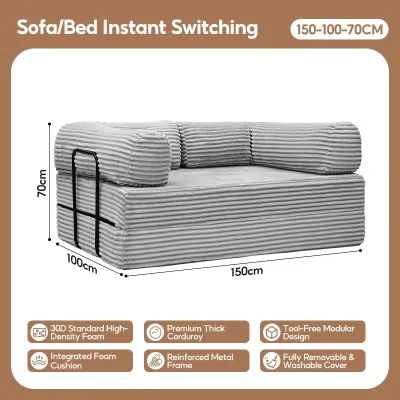




Prices are valid at publication and may change. Please refer to the product page for the latest price.
To maintain this balance, the visual weight of the furniture must be carefully managed. Japandi interiors rely on open space, allowing light to flow freely across the floor. A convertible sofa with a heavy, boxy base that sits flat on the ground can make a small room feel cramped. Instead, designs that incorporate raised legs, slender wooden frames, or modular sections help preserve a sense of lightness, ensuring that the room feels spacious and calm even when the bed is fully deployed.
Color plays an equally critical role in establishing this atmosphere. Japandi spaces eschew bright, saturated colors in favor of a muted, nature-inspired palette. Warm neutrals, soft sand tones, muted terracottas, olive greens, and charcoal grays form the foundation of this style. When selecting a convertible sofa, choosing upholstery in these organic tones helps the piece blend into the surrounding walls and floor, reducing its visual impact and reinforcing the overall sense of tranquility.
Top Design Archetypes for a Japandi Sofa Convertible to Bed
When browsing online furniture stores or visiting local design showrooms, identifying the right design archetype can simplify your search. Not all convertible sofas are created equal, and focusing on specific structural styles will help you find a piece that aligns with Japandi aesthetics.

Low-Profile Solid Wood Frame Futons
Low-profile solid wood frame futons represent a traditional yet deeply minimalist approach to convertible seating. These designs feature an exposed timber frame, often showcasing natural wood grain and traditional joinery techniques like mortise-and-tenon joints. By keeping the seating height close to the floor, these frames ground the room and create an illusion of higher ceilings, which is particularly beneficial in compact urban apartments.
Unlike Western-style futons from past decades, modern Japandi-aligned wood frames utilize clean, geometric slats and hidden support legs. The folding mechanisms are kept as simple as possible, often relying on a smooth slide-out wooden deck or a basic click-clack hinge. This avoids the use of bulky, highly reflective metal hardware that can ruin the organic feel of the piece. When styled with a high-quality, tuft-free mattress in a neutral linen cover, this archetype offers an understated, rustic elegance.
Modular Linen or Cotton Slipcover Sofa Beds
For those who prefer a softer, warmer aesthetic, modular slipcover sofa beds offer excellent comfort and high practical value. This archetype relies on relaxed, natural fabric drapes that soften the clean lines of the underlying structure. The slipcovers are typically made from textured linen or heavyweight cotton, which adds depth to the minimalist design without relying on patterns or bright colors.
Modular configurations are highly valued in Japandi design because they allow for flexible living arrangements. You can easily rearrange individual seating components to fit different social settings or to accommodate a sleeping guest. Because the covers are removable, maintaining the pristine look of light-colored fabrics becomes much easier. The lack of visible seams and the continuous drape of the fabric create a cohesive, monolithic look that feels both modern and incredibly inviting.
Minimalist Fold-Down Designs with Neutral Upholstery
Minimalist fold-Down designs focus on modern engineering and streamlined silhouettes. These sofas feature hidden hinges and integrated mechanisms that allow the backrest to fold flat in a single, fluid motion. The transition from sofa to bed is virtually seamless, leaving no awkward gaps or exposed metal bars that disrupt the room’s visual flow.
Upholstery for this archetype typically consists of matte, highly textured fabrics such as bouclé, flat-weave wool, or heavy canvas. These fabrics absorb light rather than reflecting it, contributing to a cozy, quiet atmosphere. The design avoids decorative tufting, deep buttoning, or ornate stitching, relying instead on clean, straight seams and soft, rounded corners to provide visual interest.
Material and Upholstery Checklist for Authentic Japandi Pieces
To ensure your chosen sofa convertible to bed is truly authentic to Japandi principles, you must look beyond the surface design and evaluate the materials used in its construction. Use this practical checklist to verify the quality and aesthetic alignment of any piece before making a purchase.
- Wood Finishes: Examine the exposed wooden elements of the frame. Authentic Japandi furniture utilizes matte, low-sheen, or lightly oiled natural woods such as oak, ash, beech, or rubberwood. Avoid high-gloss lacquers, dark cherry stains, or highly polished finishes, as these reflect too much light and look artificial. The wood should feel slightly textured to the touch, celebrating the natural grain rather than sealing it beneath a thick plastic layer.
- Upholstery Fabrics: Prioritize breathable, natural fibers over shiny synthetics. Look for linen, cotton, wool blends, or high-quality hemp. If you must choose a synthetic blend for durability, ensure it has a completely matte, flat finish that mimics the texture of natural yarn. Avoid velvet, faux leather, or fabrics with metallic threads, as these introduce an unwanted level of glamour that conflicts with minimalist principles.
- Cushioning and Support: Inspect the inner construction of the cushions. Look for high-density polyurethane foam (ideally with a density of 30 to 40 kg/m³) or natural latex. These materials provide firm, supportive seating and sleeping surfaces that retain their shape over time. Avoid overly plush, sink-in cushions that sag easily, as well as decorative elements like deep tufting, contrast piping, or ornate stitching that add unnecessary visual clutter.
- Verification Steps: Always check the product specification label or ask the manufacturer for detailed material composition sheets. Verify whether the wood is sustainably sourced and if the fabrics have been treated with harsh chemical flame retardants or stain-resistant coatings that might emit strong odors. Understanding the exact materials used ensures you are investing in a piece that is healthy for both your home and the environment.
Space Planning and Climate Care in the Philippines
Integrating a Japandi sofa convertible to bed into a home in the Philippines requires careful consideration of local living conditions. From tight condominium layouts in Metro Manila to the high humidity levels of a tropical climate, practical planning is essential to protect your investment and ensure comfortable daily use.
When planning your space, always measure your room’s finished dimensions and compare them against the fully extended dimensions of the sofa bed. Ensure there is at least 60 centimeters of clearance around the bed when it is completely open to allow for easy movement. Additionally, verify the delivery access route: measure your doorways, hallway turns, and elevator cabin dimensions. Many high-rise residential lifts have strict height and depth limits that can prevent large, fully assembled furniture frames from reaching your unit.
+-------------------------------------------------------------------------+
|                     JAPANDI SOFA BED SPACE PLANNING                     |
+-------------------------------------------------------------------------+
|                                                                         |
|      +-----------------------------------------+                        |
|      |                                         |                        |
|      |            Sofa Bed (Folded)            |                        |
|      |                                         |                        |
|      +-----------------------------------------+                        |
|                           |                                             |
|                           v                                             |
|      +-----------------------------------------+                        |
|      |                                         |                        |
|      |                                         |                        |
|      |          Sofa Bed (Fully Extended)      |                        |
|      |                                         |                        |
|      |                                         |                        |
|      +-----------------------------------------+                        |
|      <---------------- 60 cm Clearance --------->                       |
|                                                                         |
+-------------------------------------------------------------------------+
The tropical, humid climate of the Philippines presents unique challenges for natural materials. High humidity can cause solid wood frames to swell, warp, or develop mold, while natural fibers like linen and cotton can trap moisture and harbor dust mites. To prevent these issues, ensure your living room has consistent air circulation. Position your sofa bed away from walls to allow air to flow behind it, and use ceiling fans, air conditioning, or dehumidifiers during the rainy season to keep indoor humidity levels below 60%.
Direct, prolonged sunlight from large windows can also damage your furniture, causing natural wood finishes to dry out and crack, and fabrics to fade. Use sheer curtains or UV-blocking window films to filter harsh afternoon sunlight. For maintenance, regularly inspect the wooden joints and the convertible mechanism. The expansion and contraction of wood due to temperature fluctuations can loosen screws and hinges over time; gently tighten them as needed to maintain structural stability.
Finally, always verify the weight capacity and structural stability of the convertible mechanism from the manufacturer’s official specifications. A high-quality sofa convertible to bed should easily support at least 150 to 200 kilograms when fully extended. Avoid jumping on the frame or placing concentrated weight on the folding joints, as this can bend the internal hinges and ruin the alignment of the sleeping platform.
Frequently Asked Questions (FAQ)
Is a low-profile Japandi sofa bed comfortable for everyday sleeping?
While low-profile Japandi sofa beds are excellent for space-saving and occasional guest use, their comfort for everyday sleeping depends heavily on their internal construction. Low-slung frames offer less vertical space for thick, multi-layered mattress systems, meaning they tend to feel firmer than traditional beds. This firmness can support spinal alignment, but side sleepers may find it too hard on their shoulders and hips.
To determine if a specific model is suitable for nightly use, check the foam density specifications; a density of 35 kg/m³ or higher is recommended for durability and support. If you plan to sleep on it regularly, consider adding a high-quality, removable latex or memory foam mattress topper. This allows you to enjoy a softer sleeping surface at night while preserving the clean, low-profile minimalist aesthetic of the sofa during the day.
How do I clean and maintain natural linen upholstery on a convertible sofa?
Natural linen is highly valued for its beautiful texture and breathability, but it requires gentle, consistent care to maintain its appearance. Vacuum the upholstery weekly using a soft brush attachment to remove dust, pet dander, and loose dirt that can abrade the fabric fibers over time. If a spill occurs, blot it immediately with a clean, dry white cloth; never rub the stain, as this can push the liquid deeper into the weave.
For general spot cleaning, use a mild, pH-neutral detergent diluted in distilled water, testing it first on a hidden area of the sofa to check for colorfastness. Always refer to the manufacturer’s care label before attempting any deep cleaning. If your sofa features removable slipcovers, verify whether they require professional dry cleaning or if they can be washed at home on a gentle, cold-water cycle. Avoid using bleach or harsh chemical cleaners, and always air-dry the fabric away from direct sunlight to prevent shrinkage and color fading.
Community discussion
Share your experience or ask a question. Comments are reviewed before publication.