
Quick Answer: What Makes a Storage Sofa "Japandi"?
A Japandi-style storage sofa seamlessly blends the warm, rustic simplicity of Japanese wabi-sabi with the practical, cozy functionality of Scandinavian hygge. To fit this aesthetic, a sofa with storage box must prioritize “invisible utility.” This means the storage compartment is completely integrated into the sofa’s frame, maintaining a clean, low-profile silhouette without visible hinges, handles, or bulky protrusions.
Unlike traditional storage furniture that can look heavy or blocky, a Japandi storage sofa preserves visual lightness. It achieves this through geometric simplicity, natural textures, and clever engineering that hides the storage mechanism entirely when closed. The goal is to keep your living space uncluttered and serene while secretly housing daily essentials.
Recommended Design Configurations for Japandi Spaces
Selecting the right storage sofa configuration requires balancing your room’s layout with your specific storage needs. Because Japandi design relies heavily on open space and natural light, the way your sofa opens and functions can dramatically affect the room’s flow. In tropical climates where indoor humidity can impact air circulation, choosing the right mechanism also helps protect your stored items from mustiness.
Products mentioned in this guide
![[Thick Solid Wood Board] Sofa Bed with Storage Cabinet 108*78*85CM Foldable Dual Purpose Lazy Sofa Latex Pad Multi-functional Bed Small Unit Single Person Fabric Sofa Lunch Bed 2 Free Pillows Side Pockets](https://img.lazcdn.com/g/p/1a98b29ce255d35d478fa6052e8e1a3c.jpg_400x400q80.jpg_.webp)
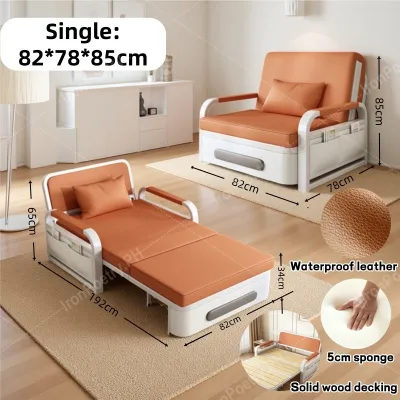
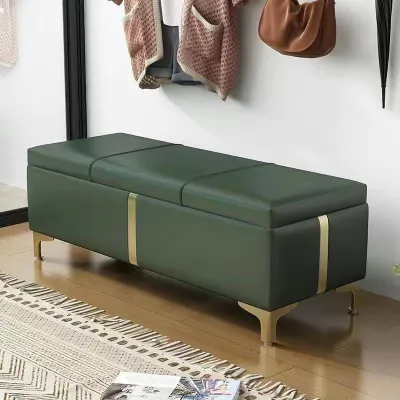
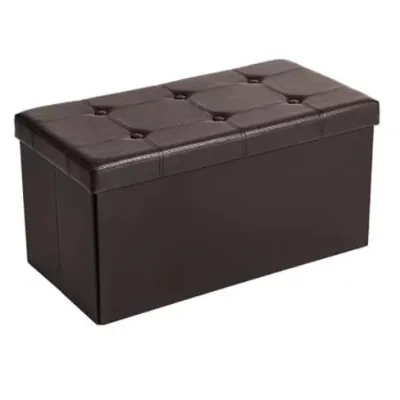
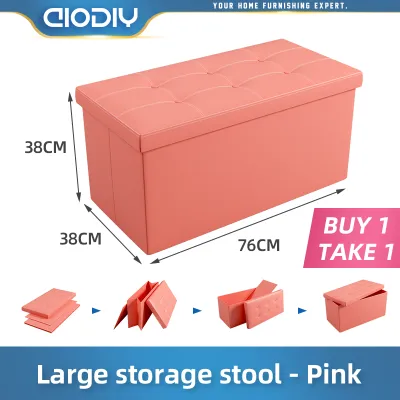
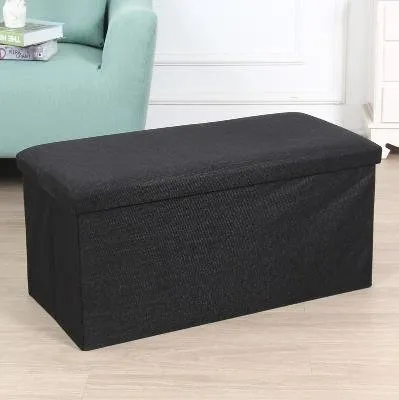
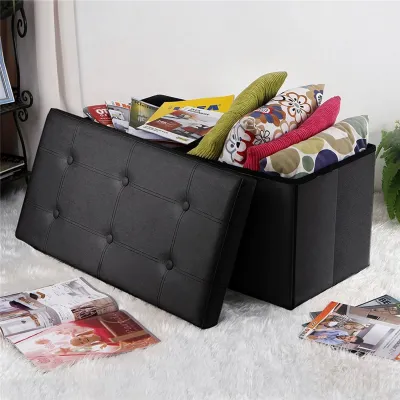
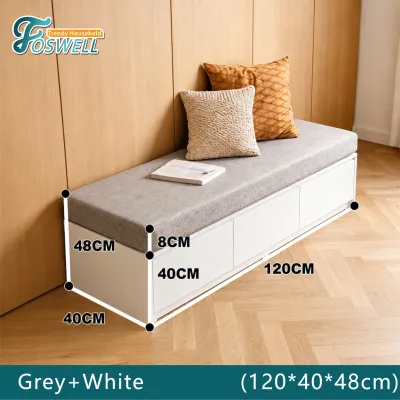
Prices are valid at publication and may change. Please refer to the product page for the latest price.

Rather than searching for specific brand names, focus on how the sofa’s physical structure interacts with your living room. The two primary storage styles—lift-up compartments and pull-out drawers—each require different spatial clearances and offer distinct visual profiles.
Low-Profile Lift-Up Sofas for Compact Rooms
For smaller living areas, a low-profile sofa with a gas-lift or hydraulic storage box is highly efficient. These designs utilize the entire footprint of the sofa base for storage without requiring extra floor space in front of the unit to open. To maintain the Japandi aesthetic, look for models with low backrests, armless profiles, or very slim, squared arms. This prevents the sofa from dominating a small room visually.
Operating a lift-up mechanism requires vertical and forward clearance. When the seat cushion is raised, it swings upward and slightly forward, meaning you must ensure wall-mounted shelves, art, or low-hanging pendant lights do not obstruct the path. The primary trade-off with lift-up systems is accessibility. Because you must remove throw pillows and lift the entire seating platform, this configuration is best reserved for seasonal or infrequently used items, such as extra bedding, holiday decorations, or spare linens.
Modular Sectionals with Hidden Drawers for Open Plans
In larger, open-concept living spaces, a modular sectional with integrated base drawers offers excellent flexibility. Modular designs allow you to configure the seating to match the natural flow of your home, keeping walkways clear and open. The storage in these sectionals is typically divided into separate drawers built into the base of individual modules, allowing you to organize items systematically.
To preserve the minimalist Japandi look, the drawer fronts must be completely flush and handle-less, utilizing push-to-open hardware or subtle, integrated finger pulls along the bottom edge. Before choosing this style, evaluate your flooring and rug placement. Drawers require smooth, level surfaces to slide open easily. If you plan to place a rug in front of the sofa, ensure it is a low-pile or flat-weave design; thick, high-pile rugs can catch on the bottom of the drawers, making them difficult to operate and causing premature wear to both the rug and the drawer tracks.
Minimalist Daybed-Style Sofas with Under-Seat Storage
Daybed-style sofas offer a striking nod to traditional Japanese interiors, featuring exposed wooden frames and a highly structured, bench-like appearance. These are ideal for multi-purpose rooms, study nooks, or transition spaces. The storage in a daybed-style sofa is often semi-visible, consisting of shallow pull-out wooden trays or dedicated compartments built directly into the lower wooden platform.
Because the frame is elevated, the storage depth is naturally limited compared to fully upholstered box sofas. This configuration is best suited for flat items like books, magazines, or thin floor cushions. To maintain visual balance, style a daybed sofa with a low-profile coffee table or a simple side table made of matching wood. This keeps the overall sightline of the room low to the ground, which is a core principle of Japanese spatial design.
Key Visual and Structural Elements to Verify
When browsing online marketplaces or visiting local showrooms, it is easy to be distracted by generic style labels. To ensure a sofa with storage box truly aligns with a Japandi aesthetic, you must carefully inspect its visual and structural details.
- Silhouette and Lines: Look for clean, geometric simplicity. Avoid sofas with heavily rolled arms, deep button tufting, or overly plush, bulging cushions that lean too traditional or Victorian. Instead, prioritize straight lines, soft block shapes, and gently rounded corners that feel modern yet organic.
- Leg and Base Design: A common challenge with storage sofas is that the storage box can make the piece look heavy and grounded. To counter this, look for designs with recessed plinth bases, which sit slightly back from the sofa edge to create a subtle "floating" illusion. Alternatively, choose models with short, tapered solid wood legs that elevate the frame just enough to let light pass underneath without exposing the storage compartment.
- Color Palette: Stick to a palette of warm neutrals and earthy tones. Cream, beige, oatmeal, soft sand, and light grey are classic choices that reflect natural light beautifully. If you want to introduce color, opt for muted, nature-inspired shades like soft olive green, warm terracotta, or dusty clay, avoiding highly saturated or synthetic-looking dyes.
- Hardware Concealment: Inspect the sofa in both its open and closed states. When closed, no metal brackets, hinges, drawer runners, or plastic components should be visible from any angle. High-quality Japandi furniture relies on precise joinery and recessed hardware to keep the mechanical elements completely hidden from view.
Material and Upholstery Selection Criteria
In Japandi design, materials must feel authentic, tactile, and grounded in nature. However, because a storage sofa is a high-use item, you must balance these aesthetic desires with practical durability and maintenance considerations.
Fabric Textures and Composition
To bring tactile warmth into a minimalist room, look for fabrics with visible, organic weaves. Linen blends, cotton canvas, and soft bouclé are excellent choices that add depth without relying on busy patterns. However, do not rely solely on product titles like “pure linen,” as natural linen can stretch, wrinkle easily, and absorb moisture in humid tropical environments.
Instead, verify the exact material composition on the product tag or specification sheet. A blend of natural fibers and high-quality synthetic yarns (such as a cotton-polyester or linen-acrylic blend) often provides the organic look of natural weave while offering superior resistance to stretching, sagging, and moisture absorption.
Wood Finishes and Joint Construction
If the sofa features an exposed wooden frame, legs, or base, inspect the finish carefully. Japandi style favors matte, oiled, or very lightly stained wood finishes that showcase the natural grain and character of the timber (such as oak, ash, or rubberwood). Avoid high-gloss lacquers or heavy, dark varnishes, which can look artificial and reflect harsh glare under indoor lighting.
Additionally, remember that a material name alone does not guarantee durability. Check the manufacturer’s details regarding joint construction; look for mortise-and-tenon joints or reinforced corner blocks rather than simple glued-and-stapled frames, which can loosen over time under the weight of stored items.
Care, Maintenance, and Durability Ratings
Because light-colored fabrics are central to the Japandi palette, practical maintenance is crucial. Check the manufacturer’s care instructions to see if the sofa features removable, washable cushion covers, or if the fabric has been treated with a water-resistant finish.
To verify the fabric’s long-term durability, look for the Martindale or Wyzenbeek rub test ratings in the product specifications rather than relying on generic marketing terms like “heavy-duty.” For a standard household living room, a Martindale rating of 15,000 to 20,000 rubs is suitable for general domestic use, while a rating of 25,000 rubs or higher is recommended for high-traffic homes to prevent premature wear and pilling.
Space Planning and Clearance Measurements
Before finalizing your purchase, you must ensure the sofa fits your physical space, allows for comfortable movement, and can actually be delivered into your home. Storage sofas are often heavier and less flexible than standard sofas due to their built-in wooden or metal storage frames.
+-----------------------------------------------------------------+
|                  SPACE PLANNING MEASUREMENT GUIDE               |
+-----------------------------------------------------------------+
| 1. ROOM FOOTPRINT                                               |
|    [ ] Measure wall-to-wall floor space.                        |
|    [ ] Maintain 60 to 90 cm of clear walking paths around sofa. |
|                                                                 |
| 2. MECHANISM CLEARANCE                                          |
|    [ ] Lift-Up: Check vertical height & forward swing radius.   |
|    [ ] Drawers: Measure full extension depth + standing room.   |
|                                                                 |
| 3. DELIVERY PATHWAY                                             |
|    [ ] Measure elevator door, interior height, and depth.       |
|    [ ] Check stairwell turn clearance and ceiling heights.      |
|    [ ] Verify entry door width and hallway corners.             |
|                                                                 |
| 4. WALL & UTILITY OBSTRUCTIONS                                  |
|    [ ] Account for baseboard thickness (prevents flush fit).    |
|    [ ] Check that sofa won't block floor or wall outlets.       |
+-----------------------------------------------------------------+
First, map out the room’s proportions. Use painter’s tape on the floor to outline the exact dimensions of the sofa. Ensure there is at least 60 to 90 centimeters of walking space between the edge of the sofa and other furniture pieces, such as coffee tables or media consoles, to maintain an airy, uncluttered feel.
Next, calculate the specific clearance required to operate the storage mechanism. For drawer-style bases, measure the depth of the drawer when fully extended, and add at least 40 centimeters of space so you can comfortably stand or kneel in front of the drawer to access your items. For lift-up models, check the maximum height of the seat when fully raised to ensure it does not strike low-hanging wall decor or light fixtures.
Finally, plan the delivery route. Because storage sofas often feature solid, non-disassembling base boxes, they can be incredibly difficult to maneuver through tight spaces. Measure the width and height of your entry doors, hallway corners, stairwells, and elevator cabins. Compare these measurements against the manufacturer’s packaged shipping dimensions to avoid a costly delivery failure.
Pre-Purchase Inspection and Ordering Checklist
To ensure your chosen sofa with storage box meets all your aesthetic and functional expectations, complete this final verification sequence before placing your order:
- Verify the Dimensional Diagram: Do not rely on general product descriptions (like "three-seater"). Download the manufacturer's detailed technical drawing and cross-reference every dimension—including seat height, armrest width, and total depth—with your taped floor layout.
- Review the Return and Assembly Policies: Read the retailer's terms carefully. Confirm if the sofa arrives fully assembled or if you must assemble the storage mechanism yourself. Check if there are restocking fees or return shipping charges for large furniture items if the piece does not fit your space.
- Calculate the Total Cost: Ensure you have a complete breakdown of all costs in ₱. This should include the base price of the sofa, delivery fees, and any potential surcharges for walk-ups if your building does not have a service elevator.
- Request Physical Swatches: If purchasing online, order fabric and wood finish swatches first. Digital screens can distort colors, and feeling the actual texture in your home's natural light is the only way to guarantee the material matches your Japandi design scheme.
Frequently Asked Questions (FAQ)
Can I use a sofa with visible storage bins in a Japandi room?
Yes, you can use a sofa with visible storage bins, provided the bins are carefully curated to match the room’s natural texture palette. Opt for uniform, high-quality baskets made from woven seagrass, rattan, water hyacinth, or simple organic canvas. Avoid mixing different materials, colors, or sizes, as this creates visual clutter. Keep the contents of the bins completely hidden and organized to preserve the clean, calm lines essential to the Japandi aesthetic.
How do I maintain natural wood legs on a storage sofa?
To maintain natural wood legs and frames, dust them regularly with a dry, soft microfiber cloth to prevent dirt buildup. Avoid using harsh chemical cleaners, multi-purpose sprays, or abrasive polishes, which can strip the matte protective finish and discolor the wood. For deep cleaning, use a slightly damp cloth and dry the surface immediately. Always consult the manufacturer’s specific care guide before applying any furniture oils, waxes, or wood conditioners.
Community discussion
Share your experience or ask a question. Comments are reviewed before publication.