
Finding the right kids chair with back rest is a critical step in setting up a healthy, productive study space. As children spend more time reading, writing, and attending online classes, their seating must actively support their physical development. A standard adult chair or a simple flat stool often forces young learners into awkward positions, leading to early fatigue and poor posture habits.
To ensure proper study posture, look for a chair that offers adjustable seat height, a contoured backrest that matches the natural curve of the spine, and a stable, non-tipping base. The goal is to keep the child’s body in a neutral, relaxed position where their feet are supported, their back is aligned, and their arms can rest comfortably at desk height.
Quick Guide: Core Ergonomic Features to Look For
When shopping for a kids chair with back rest, focus on three core areas: adjustability, support, and stability. A supportive study chair must adapt to your child’s rapid growth, meaning a single fixed-height chair will quickly become uncomfortable or unusable within a few months.
Products mentioned in this guide
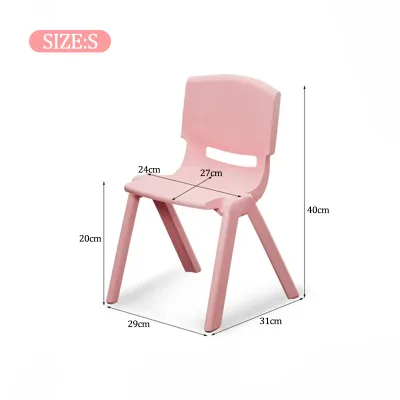
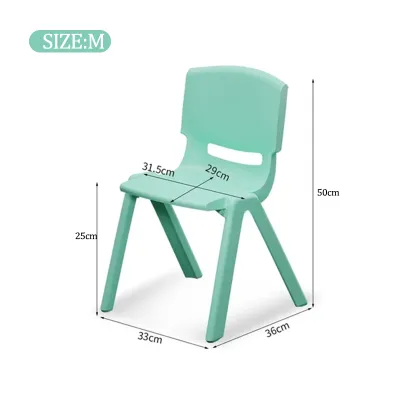
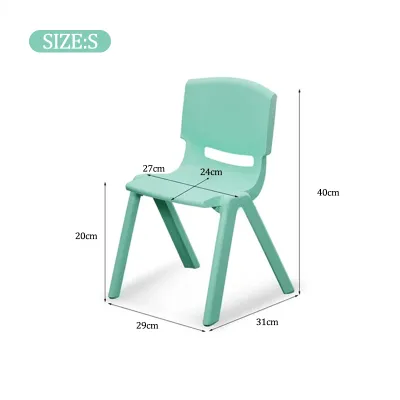
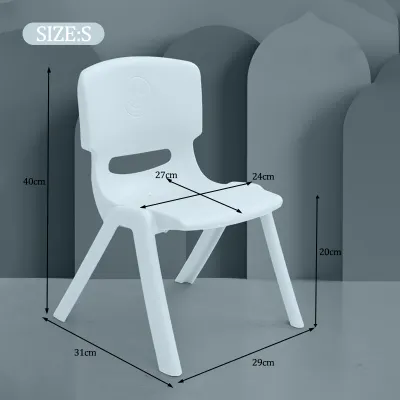

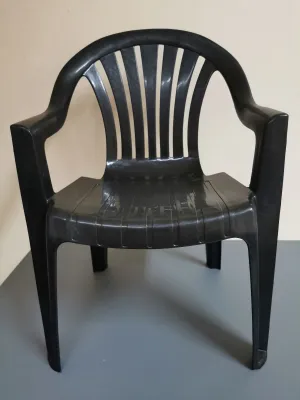
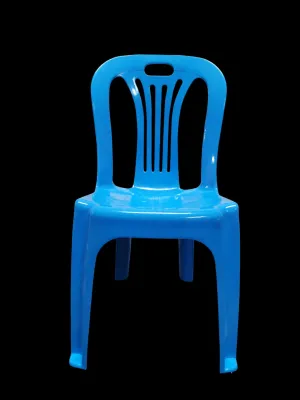
Prices are valid at publication and may change. Please refer to the product page for the latest price.
First, verify that the seat height and backrest can be adjusted independently. This allows you to align the lumbar support directly with the lower curve of your child’s spine as they grow taller.
Second, look for a contoured backrest rather than a flat panel. The curve should gently cradle the lower back to prevent slouching and reduce muscle fatigue.
Third, ensure the base is wide and stable, ideally with a five-star design, to prevent tipping when your child leans or moves. If the chair is too high for your child’s feet to touch the floor, a built-in or external footrest is a non-negotiable requirement to relieve pressure on the thighs.
How to Evaluate Backrest Contour and Lumbar Support
The primary job of a backrest is to maintain the natural curve of your child’s spine. When evaluating a kids chair with back rest, look closely at the shape of the backrest from the side. A flat backrest forces the lower spine to flatten or curve outward, which can lead to muscle strain and slouching over time.

Instead, choose a model with a distinct, built-in curve at the lower third of the backrest. This curve mimics the natural inward arch of the lower back, providing continuous lumbar support. Some advanced models feature adjustable lumbar pads that can be slid up or down, allowing you to position the support exactly where your child needs it.
The height of the backrest is equally important. It should be tall enough to support the mid-back and the shoulder blades, but not so high that it pushes the head forward or restricts shoulder movement. When your child sits back, their shoulder blades should be able to move freely when they reach for books or write.
Avoid backrests that are overly rigid or force the child into a single, stiff position. A slight, flexible give in the backrest allows for natural micro-movements, which keeps muscles active and prevents stiffness during longer study sessions.
How to Check Seat Adjustability and Dimensions
A well-designed seat pan is the foundation of good posture. When checking seat adjustability, start with the height range. The seat should adjust low enough so that your child’s feet can rest completely flat on the floor, with their knees bent at a comfortable 90-degree angle. If you plan to use the chair with a standard-height desk, you may need to raise the seat and use a footrest instead.
Next, evaluate the seat depth, which is the distance from the front edge of the seat to the backrest. If the seat is too deep, your child will not be able to sit all the way back to use the lumbar support without the front edge of the seat pressing into the back of their knees. This pressure can restrict blood circulation and cause discomfort. Look for chairs with an adjustable seat depth or a shallow seat pan designed specifically for children’s shorter thighs.
The front edge of the seat should have a rounded, downward slope. This design reduces pressure on the back of the thighs and knees, promoting healthy blood flow.
Some chairs also feature a slight seat tilt function. While a static, level seat is generally preferred for focused writing and typing, a gentle forward tilt can sometimes help children maintain a natural pelvic position during active tasks. However, ensure this tilt can be locked securely to prevent the child from sliding forward.
Assessing Base Stability, Materials, and Safety Limits
Safety and durability are paramount when choosing furniture for children. Start by inspecting the base of the chair. A five-star base—one with five legs extending from the center column—provides the highest level of stability and significantly reduces the risk of the chair tipping over when a child leans sideways or backward.
If the chair has wheels, look for gravity-lock or pressure-sensitive casters. These wheels lock in place when weight is applied, preventing the chair from rolling away when your child is sitting down or working. This feature is especially useful for younger children who might otherwise treat the chair as a toy.
Always check the manufacturer’s labels for weight limits and age recommendations. Children’s chairs are engineered to support specific weight ranges, and exceeding these limits can compromise the structural integrity of the gas lift cylinder or the base joints.
Material choice is another critical factor, particularly in warm and humid tropical climates like the Philippines. Synthetic leather can trap heat and sweat, causing discomfort and eventually cracking over time. Instead, prioritize breathable mesh backrests and high-density foam seats covered in durable, woven fabric. These materials allow for excellent airflow, keeping your child cool during afternoon study sessions. Additionally, check if the fabric is treated for stain resistance or if the seat cover is removable and washable, as spills and ink marks are common.
While basic plastic stools are inexpensive, allocating a portion of your budget (often starting around ₱3,000 for entry-level ergonomic models) to a proper kids chair with back rest is a long-term investment in your child’s physical development.
Step-by-Step Guide to Fitting the Chair to Your Child
Once you have selected a kids chair with back rest, you must adjust it to fit your child’s unique proportions. Start by having your child sit all the way back in the chair, ensuring their bottom touches the backrest.
First, adjust the seat height. Raise or lower the seat until your child’s feet are flat on the floor or on a stable footrest. Their hips should be level with or slightly higher than their knees, creating a comfortable angle that reduces strain on the lower back.
Second, adjust the backrest height and depth. Slide the backrest forward or backward until the lumbar curve fits snugly into the small of your child’s back. There should be a small gap—about the width of two or three fingers—between the front edge of the seat and the back of your child’s knees.
Third, pull the chair up to the study desk. Have your child rest their forearms on the desk surface. Adjust the seat height or the desk height so that their elbows form a 90-degree angle, and their shoulders remain relaxed and down. If their shoulders are shrugged, the desk is too high or the chair is too low; if they have to slouch forward, the desk is too low.
Regularly observe your child while they work. Physical signs of a poor fit include dangling feet, a rounded lower back, leaning forward to read, or frequent fidgeting. Because children grow quickly, make it a habit to check and readjust the chair dimensions every few months to maintain optimal support.
Frequently Asked Questions (FAQ)
Do kids need a footrest if their feet do not reach the floor?
Yes, if your child’s feet cannot rest flat on the floor while sitting at their desk, a footrest is essential. When feet dangle, the weight of the legs pulls on the lower back, leading to muscle strain, poor circulation, and rapid fatigue. This discomfort often causes children to slouch forward or sit on their legs, both of which disrupt spinal alignment.
To resolve this, you can use an adjustable footrest that attaches to the chair’s cylinder, or place a stable, non-slip box or wooden block on the floor. The footrest should be high enough to keep the knees level with or slightly below the hips.
Is a chair with armrests better for studying?
Armrests can be beneficial, but they require careful consideration. When properly adjusted, armrests support the weight of the arms, reducing tension in the shoulders and neck. This is particularly helpful during reading or typing tasks.
However, fixed or poorly designed armrests can pose a significant obstacle. If the armrests are too high or wide, they may prevent the chair from sliding fully under the study desk. This forces your child to sit too far away from their work, causing them to lean forward and slouch. If you choose a chair with armrests, opt for adjustable or flip-up designs that can be customized or tucked away to ensure proper desk clearance.
Community discussion
Share your experience or ask a question. Comments are reviewed before publication.