
Setting up a dedicated study corner for a growing child in the Philippines requires furniture that adapts as quickly as they do. A lifetime chair for kids is designed to bridge the gap between early childhood and adolescence, saving families from the cycle of buying new furniture every few years. To make a smart investment for the upcoming school year, parents must look beyond bright colors and focus on ergonomic adjustability, structural safety, and material resilience against tropical humidity.
Choosing the right seating solution involves understanding how a child’s body interacts with their study environment. A chair that is too large forces poor posture, while one that is too small causes discomfort and distraction. By focusing on a highly adjustable “grow-with-me” design, you can ensure your child remains comfortable, focused, and physically supported throughout their academic journey.
What Defines a True "Lifetime" Chair for Kids?
A true “lifetime” chair is not a permanent, unchanging fixture but a dynamic piece of furniture engineered to scale alongside a child’s physical development. Typically, these chairs are designed to accommodate users from early primary school through high school or even adulthood, depending on the specific manufacturer specifications. This means the chair must safely support a wide weight range and adjust across a significant height spectrum.
Products mentioned in this guide
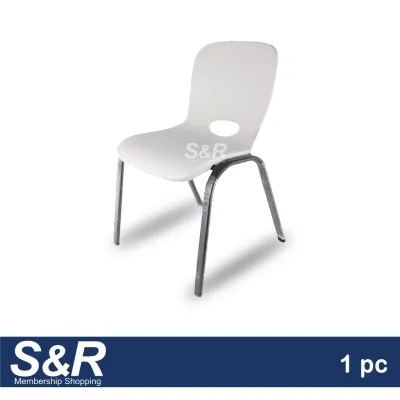
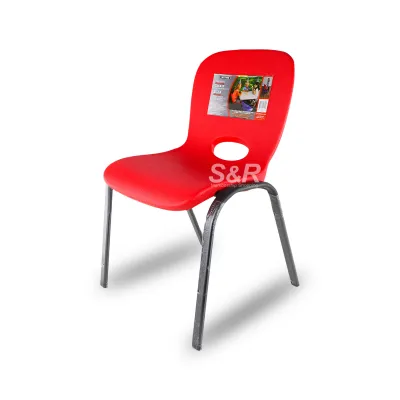
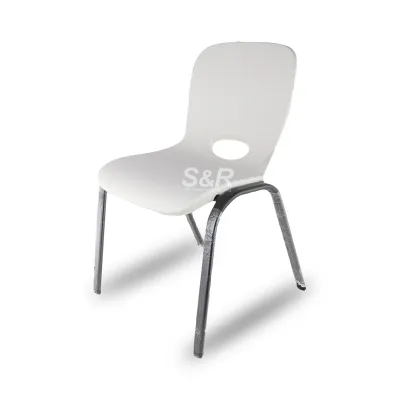
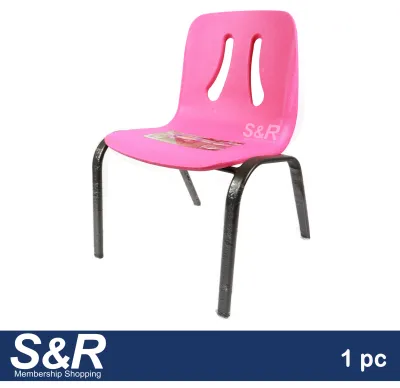
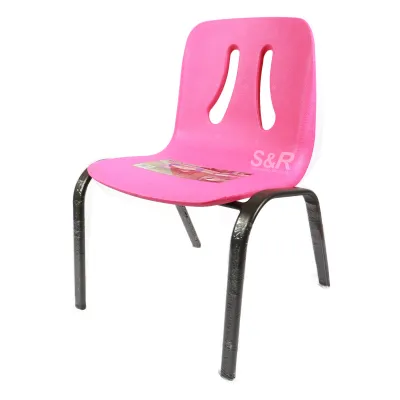
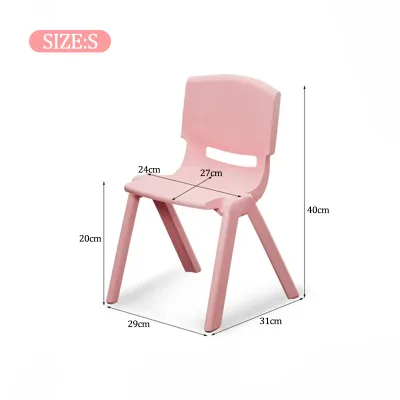
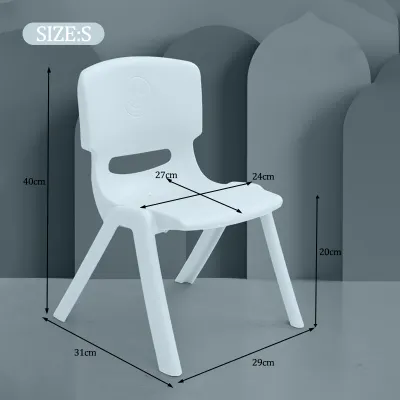
Prices are valid at publication and may change. Please refer to the product page for the latest price.
When evaluating these chairs, it is crucial to distinguish between two primary types of adjustments: tool-free daily adjustments and structural hardware modifications. Tool-free adjustments, such as pneumatic gas lifts or quick-release levers, allow for immediate changes when multiple children share a workspace. Structural modifications, which often involve repositioning wooden planks or metal brackets using hex keys, are designed for semi-permanent changes as a single child grows over several years.
The longevity of a grow-with-me chair depends heavily on its frame materials and joint construction. While solid wood and powder-coated steel frames offer excellent foundational strength, their durability is only as good as their joints. Look for heavy-duty metal-to-metal connections, mortise-and-tenon joints, or reinforced steel brackets rather than simple wood screws driven directly into engineered wood. In the humid Philippine climate, untreated joints can weaken, and low-grade adhesives may fail, making robust mechanical fasteners a necessity.
Furthermore, the term “lifetime” should be viewed through the lens of component wear. A high-quality chair will feature modular parts that can be cleaned, tightened, or replaced individually. If a single plastic lever or fabric cushion fails, the entire chair should not become obsolete. Prioritize manufacturers that offer accessible replacement parts and clear assembly instructions so you can maintain the chair’s structural integrity over a decade of daily use.
Essential Adjustability Features to Verify
Ergonomics for children differ significantly from adult setups because a child’s bodily proportions change rapidly. The first critical feature to verify is the seat height and depth adjustment mechanism. Proper thigh support requires a seat depth that allows the child’s lower back to rest firmly against the backrest while leaving a small gap behind their knees. If the seat is too deep, the child will slouch forward, losing back support; if it is too shallow, it can cause pressure points on the thighs.

Look for chairs that allow the seat pan to slide forward and backward independently of the height. This depth adjustment is crucial because a child’s femur length changes dramatically between the ages of six and sixteen. A seat that cannot adjust in depth will eventually become a major source of discomfort, forcing the child to sit on the edge of the chair without any lumbar support.
Backrest height and angle adaptability are equally vital for maintaining natural spinal alignment. A well-designed kids’ chair should feature a backrest that can be raised or lowered independently of the seat. This ensures that the lumbar support curve aligns precisely with the child’s lower spine. Some advanced models also offer depth-adjustable backrests that push forward to accommodate shorter torsos, ensuring the child does not have to stretch to reach the desk.
The angle of the backrest should support an active, upright study posture rather than a relaxed, reclining position. Look for mechanisms that lock the backrest securely in place at an angle of approximately 90 to 105 degrees. Avoid chairs with loose, free-floating recline functions for younger children, as they can encourage slouching and reduce the stability of the chair during active writing or typing tasks.
Footrest integration is a non-negotiable feature for younger children whose feet cannot yet reach the floor. When a child’s feet dangle, it cuts off circulation behind the knees and forces them to shift forward, ruining their posture. An adjustable footrest provides a stable platform that keeps the knees at a healthy 90-degree angle. As the child grows, this footrest must be easily lowerable and, eventually, completely removable once their feet can rest flat on the floor naturally.
Space, Safety, and Desk Compatibility Checks
Before purchasing any adjustable chair, physical compatibility with the study corner must be verified through precise measurements. Start by measuring the finished dimensions of the chair, including its maximum width, depth, and the height of the armrests. Ensure there is sufficient clearance for the chair to slide fully under the study desk when not in use. This is especially important in compact Philippine bedrooms or shared living spaces where keeping walkways clear is essential.
Consider the doorway and lift access when ordering pre-assembled or bulky furniture. If you live in a high-rise condominium or a home with narrow hallways, verify that the packaged box or the fully assembled chair can easily pass through your entryways. Measuring these clearances beforehand prevents the frustration of receiving a delivery that cannot physically reach the designated study corner.
Safety is paramount when dealing with active children who may lean, twist, or reach while seated. Verify the chair’s base stability and anti-tip features by checking the manufacturer’s safety labels. A five-star base with a wide diameter offers the best resistance against tipping. If the chair features casters, look for gravity-locking wheels that lock automatically when weight is applied, preventing the chair from rolling away when the child sits down or stands up.
For younger children, a stationary base or glides may be safer than active wheels, as they eliminate the temptation to use the study chair as a toy. If you choose a wheeled model, ensure the locking mechanism is robust and easy to engage. The base should also be low-profile to prevent it from catching on the legs of the study desk or causing a tripping hazard in tight spaces.
Finally, match the chair’s height adjustment range with your existing or planned study desk. Standard study desks in the Philippines typically stand around 75 centimeters high. If you are using a fixed-height desk, the chair must be able to rise high enough for the child’s elbows to rest comfortably on the desktop at a 90-degree angle, which will necessitate a robust footrest. If you are pairing the chair with an adjustable-height desk, ensure the two pieces of furniture can synchronize their height ranges across all developmental stages.
Building Your Shortlist: Evaluation Criteria
To make an informed decision, compile a comparison matrix of your top candidates. Focus your evaluation on three core pillars: the total adjustment range (minimum and maximum seat heights), the ease of making adjustments, and the manufacturer’s warranty terms. A longer warranty period often indicates the manufacturer’s confidence in the chair’s structural integrity and moving parts.
Upholstery and surface materials require careful scrutiny, particularly regarding cleanability and comfort in a tropical environment. While plush, padded fabric chairs look cozy, they can trap heat and sweat, leading to discomfort during warm afternoons. Breathable mesh backrests offer superior ventilation, keeping the child cool. For the seat cushion, high-density molded foam covered in a removable, washable fabric cover or a wipeable, non-toxic synthetic leather is ideal for handling accidental spills, ink stains, and daily wear.
If you select a wooden chair, inspect the quality of the finish. A smooth, non-toxic polyurethane or water-based lacquer coating protects the wood from moisture absorption and makes it easy to wipe clean with a damp cloth. Avoid rough, unfinished wood surfaces that can snag clothing or harbor dust and allergens. The finish should also be resistant to minor scratches from school supplies and toys.
Always check product labels and specifications for certified safety standards, such as BIFMA or local equivalent certifications, and clear age-grade recommendations. Avoid chairs that rely on vague marketing terms like “indestructible” without providing concrete load capacities or material specifications. A reliable manufacturer will clearly state the maximum weight limit and the recommended age or height range for safe operation.
Lastly, consider the assembly conditions of the chair. Some models arrive fully assembled, while others require extensive home assembly with specialized tools. If you prefer a hassle-free setup, look for options that include clear, step-by-step instructions and all necessary hardware in the package. Checking customer feedback regarding assembly difficulty can save you significant time and effort during the back-to-school rush.
Maintenance and Long-Term Care
An adjustable chair can only last a lifetime if it is properly maintained. Establish a routine check every six months to inspect all joints, screws, and locking mechanisms. Active children generate constant movement, which can gradually loosen hardware over time. Use the appropriate tools to gently retighten any loose bolts, and clear out any dust, hair, or debris that may have accumulated in the caster wheels or adjustment tracks.
Follow the manufacturer’s specific cleaning guidelines to prevent premature material degradation. Avoid harsh chemical cleaners that can strip protective finishes from wooden frames or break down the fibers of synthetic upholstery. In high-humidity regions, keeping the metal parts dry and occasionally wiping wooden components with a damp cloth followed by a dry microfiber towel will prevent rust and mold growth.
Pay close attention to the moving parts of the adjustment mechanisms. If the chair uses a pneumatic gas lift, avoid exposing the cylinder to excessive dust or moisture, which can damage the seals and cause the lift to fail. For manual wooden or metal slot adjustments, ensure the locking pins are fully engaged and free of debris before allowing your child to sit.
Lastly, teach your child to recognize structural warning signs. If the chair begins to wobble excessively, if the height adjustment mechanism slips under weight, or if you notice hairline cracks in plastic or wooden joints, stop using the chair immediately. Do not attempt makeshift repairs on load-bearing parts; instead, consult the manufacturer or a qualified furniture repair professional to source genuine replacement parts.
Frequently Asked Questions (FAQ)
At what age should a child transition to an adjustable study chair?
A child is typically ready to transition to an adjustable study chair when they begin engaging in structured activities like drawing, writing, or reading at a desk, usually around age five or six. Rather than focusing solely on a specific age, look for physical milestones: the child should be able to sit independently with their back supported and maintain focus for short periods. Introducing a dedicated, properly sized chair at this stage helps establish healthy posture habits early on.
It is also important to observe how they interact with standard adult furniture. If your child is constantly shifting, kneeling on chairs, or slouching to reach the table, it is a clear sign that their current seating arrangement does not fit their body. Transitioning to an adjustable chair provides the immediate physical support they need to stay comfortable and focused during homework sessions.
Do adjustable kids chairs need a footrest?
Yes, a footrest is essential for any child whose feet cannot rest flat on the floor while sitting with their hips fully back in the chair. Without a footrest, the child’s legs will dangle, causing pressure on the back of the thighs, restricting blood circulation, and leading to fidgeting or slouching. The footrest should remain in use until the child grows tall enough for their feet to plant firmly on the floor, at which point it can be adjusted downward or removed entirely.
When selecting a chair, ensure the footrest is wide enough to support both feet comfortably and has a non-slip surface. An adjustable footrest that moves independently of the seat height allows you to fine-tune the chair’s ergonomics as your child’s lower legs grow. Once their feet can rest flat on the floor naturally with their knees at a 90-degree angle, the footrest can be safely detached.

Community discussion
Share your experience or ask a question. Comments are reviewed before publication.