
A living room comes together through a careful curation of textures, scales, and functional accents. While sofas and coffee tables often command the initial design focus, a luxury side table serves as a crucial anchor that bridges seating, lighting, and decor. In the Philippines, where tropical humidity and warm temperatures influence indoor climates, selecting a premium side table requires balancing aesthetic appeal with material resilience. A truly high-end side table does more than hold a cup of coffee; it acts as a functional sculpture, elevating the entire room’s design narrative while standing up to daily use. To find the ideal piece, one must look beyond high price tags and focus on structural integrity, material authenticity, spatial harmony, and the specific environmental demands of Filipino homes.
Defining Luxury in Side Tables
Genuine luxury in furniture is defined by artisanal craftsmanship rather than mass-produced premium finishes. Mass-produced items often rely on superficial finishes, such as thin veneers over medium-density fiberboard or quick-drying spray lacquers that easily chip under daily wear. In contrast, high-end side tables showcase meticulous construction methods, including hand-carved solid wood joints, hand-polished stone slabs, and custom-cast metal bases where no two pieces are identical.
The design hallmarks of a premium side table lie in its proportion, balance, and intentional detailing. A well-crafted table features perfectly aligned wood grains, seamless metal welds, and concealed hardware that preserves the clean lines of the silhouette. The weight distribution is carefully engineered so that the table feels grounded and stable, preventing any wobbling when holding heavy decorative items or lighting fixtures.
Products mentioned in this guide
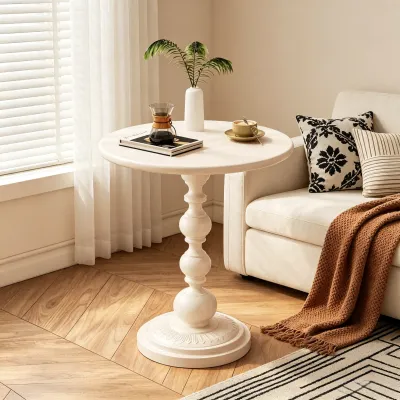
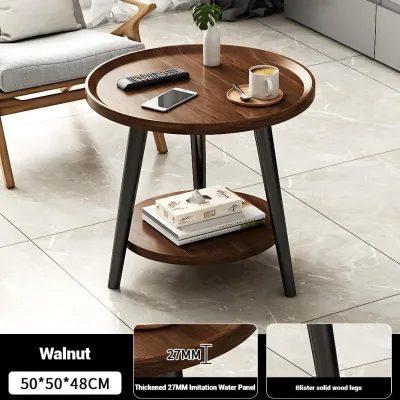
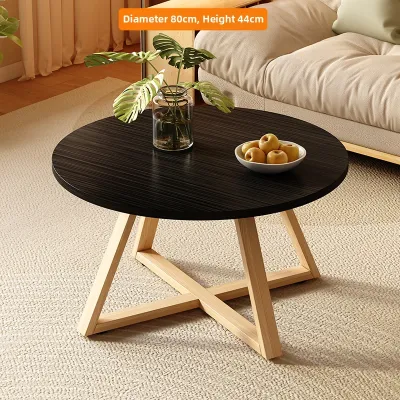
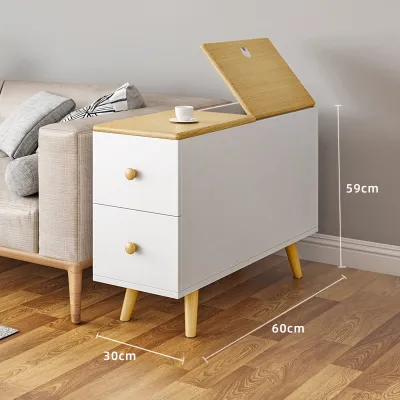
Prices are valid at publication and may change. Please refer to the product page for the latest price.
Evaluating the brand heritage or designer provenance is another key factor in determining long-term value. Established design houses and local artisanal workshops bring decades of refined techniques to their creations, ensuring that each piece is built to last. Investing in a side table with a documented design history ensures that the furniture retains its aesthetic and structural value over time, transforming a simple household item into a collectible heirloom.
In the Philippine context, luxury also means adaptability to the local climate. High humidity can cause lesser materials to warp, peel, or corrode over time. Premium manufacturers design their pieces with climate-appropriate curing, sealing, and joinery methods that accommodate natural wood expansion and contraction without compromising the structural integrity of the table.
Key Dimensions and Space Planning
Achieving ergonomic comfort and visual balance in your living room requires precise measurements. The top surface of your side table should ideally align with the height of your sofa or armchair’s armrest. If the armrest is exceptionally high or low, aim for a table surface that sits within two to three inches of the seating height to ensure that reaching for a drink, book, or remote control feels natural and effortless.

Before purchasing, map out the floor area using painter’s tape to visualize the table’s footprint. Ensure there is sufficient clearance—typically at least 18 to 24 inches—between the side table and adjacent coffee tables or walls to allow for comfortable foot traffic. If the table is placed near a doorway or a cabinet, verify that it will not obstruct door swings or drawer paths.
Luxury furniture often arrives fully assembled, which means you must measure your home’s entry points before ordering. Check the clearance of your doorways, hallways, stairwells, and elevator cabins to guarantee the delivery team can safely transport the piece into your living room. A heavy stone or solid metal table cannot be easily maneuvered around tight corners if the access path is too narrow.
Consider the weight capacity required for your intended use. A heavy ceramic table lamp, a stack of art books, or a bronze sculpture requires a table with a high load capacity and a low center of gravity. Check the manufacturer’s specifications for weight limits, and opt for wide, weighted bases if you plan to place substantial decorative objects on the surface.
Evaluating Materials and Craftsmanship
When inspecting wooden side tables, look closely at the joints. High-end woodwork utilizes traditional joinery techniques like mortise-and-tenon or dovetail joints rather than simple nails or glue. If the table features wood veneer, inspect the edges to ensure the veneer is thick and seamlessly bonded to the core, with no signs of lifting or bubbling along the seams.
Natural stone, such as marble, travertine, or granite, adds instant luxury but requires careful inspection. Check the surface for consistent polishing and verify whether the stone has been pre-sealed with a high-quality penetrating sealer. Unsealed stone is highly porous and will absorb liquids rapidly, leading to permanent staining in a humid tropical environment.
Metal elements should be inspected for weld quality and surface treatment. Premium brass, bronze, or stainless steel frames should feature smooth, ground welds that are virtually invisible to the eye. Ensure the metal has been treated with a corrosion-resistant coating or a protective lacquer to prevent tarnishing and rust, which can be accelerated by coastal air or high indoor humidity.
Every luxury material demands a specific level of upkeep. Before committing to a purchase, review the manufacturer’s care guidelines to ensure they align with your household’s lifestyle. For instance, high-gloss lacquered surfaces require frequent dusting with microfiber cloths to avoid micro-scratches, while oiled solid wood may need periodic re-oiling to maintain its rich luster.
Matching Styles to Your Living Room
The silhouette of your side table sets the tone for the entire seating area. Minimalist sculptural bases, often made of cast concrete, matte ceramic, or geometric metal, create a clean, contemporary focal point. Conversely, traditional silhouettes featuring fluted legs, hand-carved details, or classical proportions offer a timeless, formal elegance that complements classic Filipino-Spanish or colonial-inspired interiors.
Harmonizing the side table with your existing furniture involves balancing textures and tones. If your living room features a plush fabric sofa, pairing it with a cold, smooth material like polished marble or brushed brass creates an appealing sensory contrast. For spaces dominated by leather seating, a dark, rich hardwood side table with subtle leather-wrapped accents can unify the room’s material palette.
Decide whether you want the side table to command attention or blend seamlessly into the background. A statement piece might feature an unusual shape, a vibrant stone pattern, or an eye-catching metallic finish that draws the eye to a specific corner. A subtle accent table, on the other hand, prioritizes clean lines and neutral tones, quietly supporting the main coffee table and sofa without competing for visual dominance.
Consider how the table interacts with light. In bright, airy living rooms common in modern Philippine homes, glass-topped or highly polished metal side tables can reflect natural sunlight, making the space feel larger and more dynamic. Matte finishes, such as brushed stone or open-grain oak, absorb light, offering a softer, more intimate ambiance that works well in cozy, dimly lit reading nooks.
Sourcing Premium Furniture in the Philippines
To ensure authenticity and quality, purchase luxury side tables from authorized brand showrooms or established high-end department stores in major metropolitan areas like Metro Manila. Visiting a physical showroom allows you to run your hands over the surfaces, test the stability of the table, and inspect the craftsmanship under natural light before making a significant investment.
High-end furniture retailers typically offer white-glove delivery services, which are highly recommended for heavy or delicate items. Confirm that the delivery terms include transport into your specific room of choice, professional assembly, leveling on your flooring, and the complete removal of all packaging materials. This prevents accidental damage to your home’s walls or floors during the installation process.
A genuine luxury purchase should be backed by a comprehensive warranty. Inquire about the specific coverage terms for structural defects, joint separation, or finish degradation. Reliable retailers in the Philippines will provide clear documentation detailing how they handle repairs, refinishing, or replacements, ensuring your investment remains protected against manufacturing flaws over the years.
Frequently Asked Questions (FAQ)
How do I protect a marble or natural stone side table from stains?
To protect a natural stone side table, check the manufacturer’s recommended sealing schedule, as most porous stones require re-sealing every six to twelve months. Always use coasters, trivets, or decorative trays under glasses, mugs, and vases to prevent direct contact with acidic liquids, oils, or hot items. Clean spills immediately using a soft, damp cloth and a mild, pH-neutral stone cleaner, avoiding abrasive scrubs or acidic household cleaners like vinegar.
What is the standard height for a living room side table?
The standard height for a living room side table ranges between 16 to 22 inches, which generally aligns with the average sofa armrest height. For a comfortable ergonomic experience, measure your specific seating and select a table that is level with or up to two inches lower than the armrest. If you plan to use the table primarily for a reading lamp or decorative display, a slightly taller table can help elevate the light source and create visual interest.
Community discussion
Share your experience or ask a question. Comments are reviewed before publication.