
Finding a dining table that comfortably accommodates 6 to 10 people without overwhelming your dining room is a common design challenge. In many modern homes, a massive piece of furniture can quickly make a space feel cramped and heavy. A dining table minimalist design solves this by prioritizing clean lines, slender profiles, and smart structural engineering, allowing you to host large gatherings while keeping your home feeling airy and open.
Sizing a 6-10 Seat Minimalist Table for Comfort
To seat up to ten people comfortably, you must balance individual personal space with the overall footprint of the furniture. Each diner requires about 60 to 70 centimeters of lateral table width to eat comfortably without bumping elbows. For a rectangular table to seat six people, a length of 180 centimeters is typically the baseline, while seating eight requires at least 210 to 240 centimeters, and a full ten-person gathering demands a length of 260 to 300 centimeters.
Depth is equally critical for placing serving dishes and individual place settings. Aim for a table width of 90 to 100 centimeters; anything narrower makes face-to-face dining feel cramped, while anything wider can make the table look unnecessarily bulky.
Products mentioned in this guide
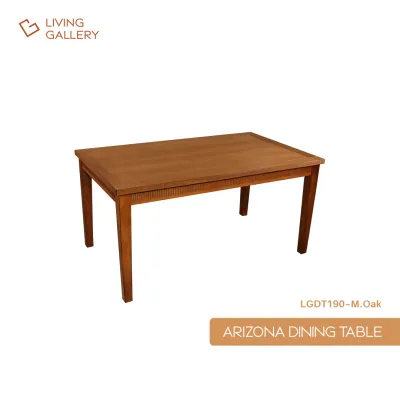
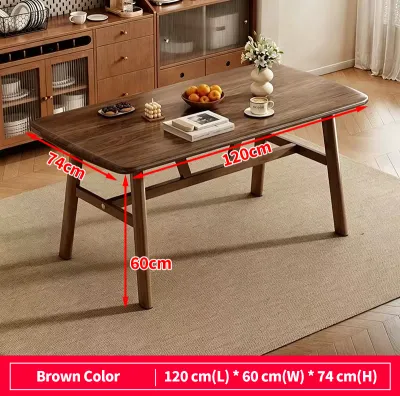
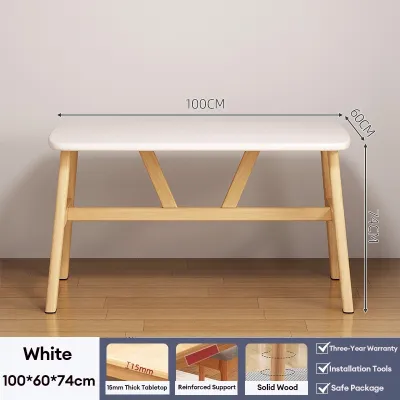
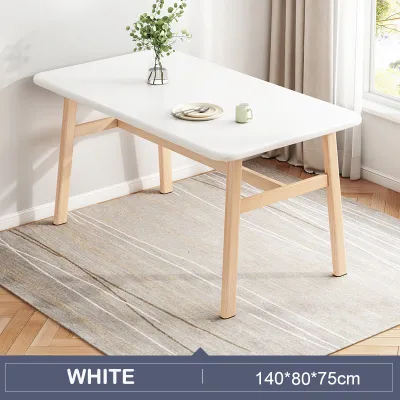
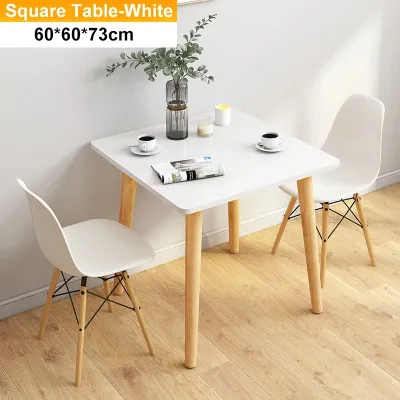
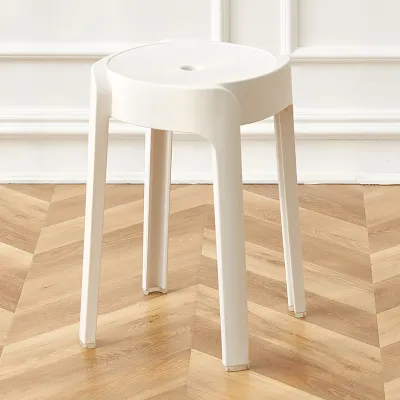
Prices are valid at publication and may change. Please refer to the product page for the latest price.
The shape of the table also influences both the visual weight and the flow of conversation. Rectangular tables are the traditional choice for large groups, offering structured seating arrangements that align well with long walls. However, oval tables are an excellent minimalist alternative. The rounded corners of an oval profile soften the room’s visual lines, eliminate sharp edges in tight walkways, and naturally encourage a more inclusive conversation flow among guests.
Finally, pay close attention to the table’s height and under-table clearance. Standard dining tables stand around 75 to 76 centimeters tall. To ensure maximum comfort, check that the clearance from the floor to the underside of the table apron is at least 60 to 64 centimeters. This space allows guests to cross their legs comfortably and ensures that chairs with armrests can be tucked completely under the table when not in use, preserving precious floor space.
Design Elements That Prevent Large Tables From Looking Bulky
A large dining table does not have to dominate a room visually. By selecting specific design elements, you can trick the eye into perceiving a 2.5-meter table as light and graceful.

The design of the legs and base plays the most significant role in this visual deception. Traditional four-legged tables with thick, blocky wooden posts create a heavy, closed-off look. Instead, look for tables featuring slender metal frames, tapered legs that narrow toward the floor, or trestle bases. A central pedestal base is another outstanding minimalist option; by consolidating the support to the center of the table, it opens up the perimeter, provides maximum legroom, and allows you to slide chairs in easily without hitting corner obstacles.
Material and finish choices also dictate how much visual space a table occupies. In tropical environments where humidity can fluctuate, choosing the right material and finish is essential. Light-toned woods like ash, white oak, or light beech reflect natural light and keep the dining area looking bright. If you prefer darker woods, look for matte or satin finishes rather than high-gloss coatings, as matte surfaces absorb light softly and minimize the table’s perceived volume. Glass or slim ceramic tabletops are also excellent choices for a minimalist aesthetic, as their thin profiles and reflective properties prevent the room from feeling closed in.
The edge profile of the tabletop is a subtle detail that makes a massive difference. A thick, square-cut edge emphasizes the bulk of a large slab of wood or stone. To counter this, seek out tables with beveled, chamfered, or undercut edges. These profiles slope inward underneath the tabletop, creating the illusion of an incredibly thin, floating surface while maintaining the structural thickness needed for stability.
Fixed vs. Extendable Minimalist Tables for Large Families
When choosing a table for 6 to 10 people, you must decide whether a fixed-size table or an extendable model fits your lifestyle better.
An extendable minimalist table offers incredible flexibility, especially for families who host occasionally but prefer a spacious room for daily living. These tables typically function as a compact 6-seater for day-to-day meals and expand via hidden leaves to accommodate 8 or 10 guests when needed. The primary benefit is the preservation of floor space. However, you must carefully inspect the extension mechanism. High-quality extendable tables feature seamless joints where the leaves meet, ensuring that the clean, uninterrupted lines of the minimalist design are not compromised when the table is closed.
When shopping for an extendable table, perform a structural stability check. Fully extend the table in the showroom or check user reviews to ensure there is no sagging in the center when weight is applied. Look for robust metal glides and secure locking hardware underneath.
If your household regularly seats 8 to 10 people for daily meals, a fixed table is generally the more practical and durable choice. Fixed tables do not have moving parts, seams, or internal hardware that can wear down over time. Whether your budget is ₱15,000 or upwards of ₱50,000, prioritizing structural integrity over complex mechanisms is key for daily heavy use. To decide between the two, evaluate your daily room usage: if a fixed 260-centimeter table leaves less than 90 centimeters of walking space around it during normal weekdays, prioritize an extendable model to maintain a comfortable flow in your home.
Space Planning and Clearance Checks Before You Buy
Before committing to a purchase, precise space planning is required to ensure your new minimalist table fits both your room and your lifestyle.
To calculate the required room dimensions, start with the footprint of the table itself. Next, add at least 90 centimeters of clearance on all sides of the table. This distance allows guests to pull their chairs out comfortably and sit down without hitting walls or adjacent furniture. If the table sits along a primary walkway in your home, increase this clearance to 120 centimeters to allow others to pass behind seated guests without disruption.
Delivery access is another critical factor that is easily overlooked, especially for large, fixed-size tables. Measure the width and height of all doorways, hallways, stairwells, and elevator cabins that the delivery team must navigate. Many minimalist tables feature detachable legs, which simplifies delivery, but a solid 2.5-meter tabletop cannot be bent or disassembled. Always verify the packaged dimensions of the tabletop before finalizing your order.
To anchor your large dining table visually without cluttering the room, pay attention to the surrounding elements. If you use an area rug, it should extend at least 60 to 75 centimeters beyond the edges of the table so that chair legs remain on the rug even when pulled out. For lighting, choose a linear pendant or a series of small, minimalist drop lights that span roughly one-half to two-thirds of the table’s length. This distributes light evenly across the large surface while maintaining a balanced, proportional aesthetic.
Frequently Asked Questions (FAQ)
How do I keep a large minimalist table from showing fingerprints and scratches?
To maintain a pristine, smudge-free look on a large minimalist surface, prioritize matte or textured finishes over high-gloss options. Matte finishes diffuse light, making fingerprints, dust, and minor micro-scratches much less visible. For daily cleaning, use a soft microfiber cloth slightly dampened with water or a mild, pH-neutral wood cleaner, avoiding harsh chemical sprays that can strip the protective topcoat. To prevent scratches from serving dishes and hot plates, integrate minimalist felt coasters, woven placemats, or a subtle table runner that complements the clean aesthetic without hiding the beauty of the tabletop.
What chair styles best complement a large minimalist dining table?
The key to pairing chairs with a large minimalist table is maintaining visual balance and proportion. Avoid heavy, fully upholstered armchairs with thick skirts, as they will make the entire dining set look bulky. Instead, opt for chairs with slender wooden or metal legs and low-profile backs that keep the sightlines open. Mixed-material chairs—such as those combining a molded seat with thin steel legs—add modern texture without adding visual weight. If you want to maximize space and maintain an ultra-clean look, consider using a minimalist bench on one side of the table, which can be tucked completely underneath when not in use.
Community discussion
Share your experience or ask a question. Comments are reviewed before publication.