
A minimalist side table anchors your living room by balancing form and function, offering a dedicated surface without overwhelming the space. To choose the right piece, you must look beyond basic aesthetics and evaluate how its proportions, materials, and structural design interact with your existing sofa, daily habits, and the specific environmental conditions of your home. In tropical climates like the Philippines, where high humidity and open-plan layouts often influence interior choices, selecting a side table requires a careful balance of visual lightness and material resilience. By focusing on precise measurements, structural stability, and cohesive design styles, you can find a piece that elevates your living space while serving as a highly functional companion to your seating area.
Define Your Minimalist Aesthetic and Visual Weight
Minimalism is not a one-size-fits-all design philosophy; it encompasses several distinct sub-styles, each bringing a unique character to your living room. Clean-line modern minimalism focuses on sharp, geometric silhouettes, often utilizing industrial materials like polished steel, glass, or matte black metal. Japandi style, which has gained immense popularity in contemporary homes, blends Japanese simplicity with Scandinavian warmth, emphasizing organic shapes, light-toned natural woods, and soft, curved edges. Classic Scandinavian minimalism leans toward functional simplicity, featuring warm wood tones, tapered legs, and a bright, airy feel. Identifying which of these sub-styles aligns with your existing decor ensures the side table feels like an intentional extension of the room rather than an afterthought.
Beyond the stylistic category, you must evaluate the visual weight of the side table. Visual weight refers to how heavy or light an object appears based on its design, materials, and structure. A side table with a solid, block-like geometric base—such as a concrete cylinder or a solid wood plinth—creates a strong visual anchor. This style works well in larger, open-concept living rooms where you want to define the seating zone clearly. Conversely, an airy, open-frame silhouette with slender metal legs or a glass top allows light and sightlines to pass through, making it a practical choice for smaller spaces or when paired with a heavy, low-profile sectional sofa.
Products mentioned in this guide
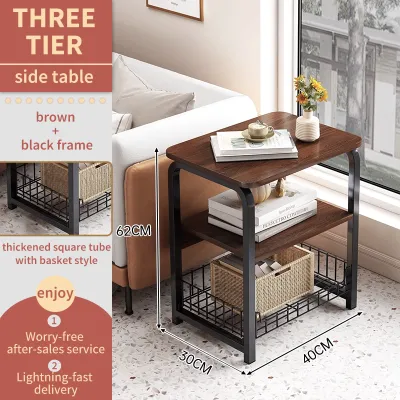
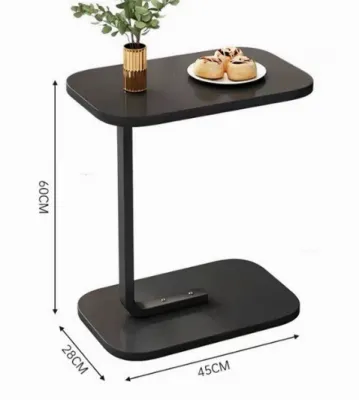
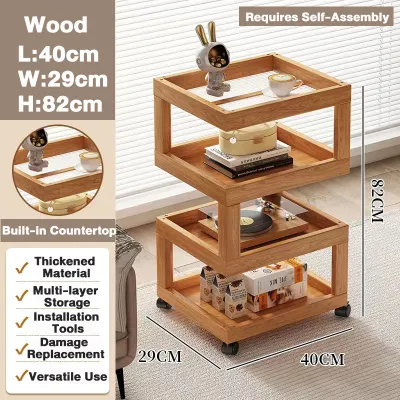
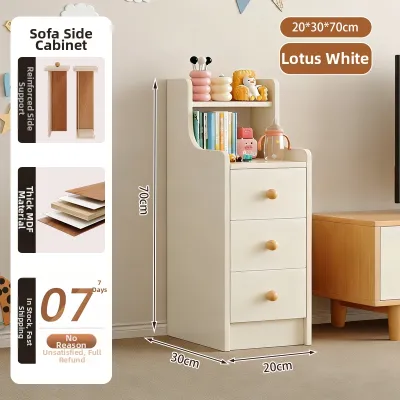
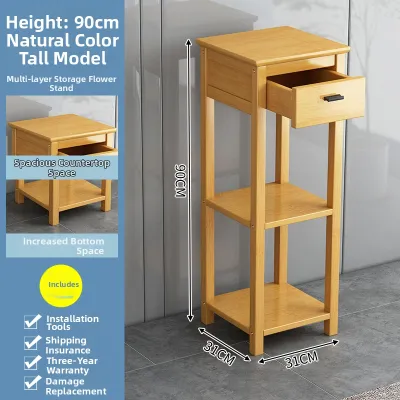
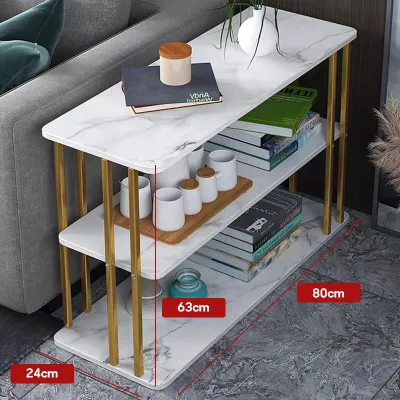
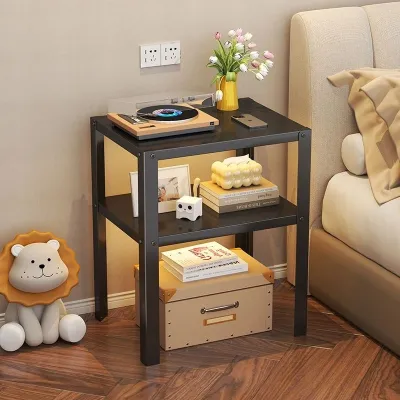
Prices are valid at publication and may change. Please refer to the product page for the latest price.
To tie the piece into your room seamlessly, establish a cohesive color palette that connects the side table to your sofa, rug, and surrounding walls. If your living room features neutral, warm tones like beige, terracotta, or cream, a light oak or warm walnut side table can enhance that cozy atmosphere. For cooler, contemporary spaces dominated by grays and whites, a powder-coated black metal or concrete-look table provides a striking, modern contrast. The goal is to create a harmonious visual flow where the table complements, rather than competes with, the dominant furniture pieces in the room.
Measure Proportions and Spatial Clearances
Achieving visual harmony and ergonomic comfort relies heavily on precise measurements. The most critical dimension to consider is the height of the side table relative to your sofa’s armrest. Ideally, the tabletop should sit within 5 centimeters of the armrest’s height—either slightly below or level with it. A table that is too tall forces you to reach upward awkwardly to set down a glass, while one that is too low requires bending down, increasing the risk of spills. If your sofa has a track arm or a low-profile design, measure from the floor to the top of the cushion or armrest to establish your target height range before browsing options.

In addition to height, you must calculate walking clearances and traffic flow around the seating area to prevent the living room from feeling cramped. If the side table is placed between a sofa and an armchair, or next to a high-traffic walkway, ensure there is adequate clearance for comfortable movement. A standard clearance of at least 30 to 45 centimeters between the side table and adjacent coffee tables or walls is recommended to allow for natural foot traffic. For homes with tight layouts, measuring the exact footprint of the table is essential to ensure it does not protrude into walkways or block access to doorways and balcony entryways.
Finally, compare the table’s overall footprint and depth against the scale of your sofa. A massive, deep sectional sofa will dwarf a tiny, spindly side table, making the arrangement look unbalanced. Conversely, a bulky, wide side table placed next to a delicate, mid-century modern loveseat can overwhelm the seating area. Aim for a proportional relationship where the depth of the side table does not exceed the depth of the sofa cushions, maintaining a clean, aligned look that supports the minimalist aesthetic.
Select Materials and Surface Finishes
Minimalist design relies on the inherent beauty of materials rather than ornate detailing, making your choice of material and finish incredibly important. Common options include solid wood, powder-coated metal, tempered glass, and natural stone, each offering a distinct visual and tactile experience. Solid wood brings warmth and organic texture, but it requires careful attention to finishes. Powder-coated metal provides a sleek, industrial edge and is highly versatile, while tempered glass offers maximum visual lightness, making it ideal for tight spaces. Natural stone, such as marble or travertine, adds a luxurious, tactile element but introduces significant physical weight.
Because a material’s name alone does not guarantee its performance, you must check manufacturer specifications and product labels for specific surface treatments and care instructions. In humid tropical environments, moisture resistance is a primary concern. For wooden tables, look for protective polyurethane or water-resistant lacquer finishes that prevent warping, swelling, or water rings from condensation. If choosing metal, verify that it features a high-quality powder coating or rust-resistant treatment to withstand ambient humidity. For stone surfaces, check if the material has been pre-sealed to prevent staining from spilled beverages or oils.
It is also essential to assess how the textures and finishes of the side table contrast or blend with your existing upholstery and flooring. If you have a plush fabric sofa and a soft, textured rug, a side table with a smooth, matte metal or polished glass surface can introduce a pleasing contrast of textures. If your flooring consists of polished tiles or smooth hardwood, a side table with a subtle, matte wood grain or a textured stone finish can soften the space. Balancing these tactile elements prevents a minimalist room from feeling cold or sterile, adding depth through subtle material contrasts.
Balance Clean Lines with Everyday Functionality
A successful minimalist side table balances clean, unadorned lines with practical utility. Before choosing a design, evaluate your daily usage needs. If your side table will primarily hold a single cup of coffee and a phone, a simple pedestal or three-legged design may suffice. However, if you need a spot to keep reading glasses, remote controls, or books close at hand, a completely open tabletop can quickly become cluttered, defeating the purpose of a minimalist aesthetic.
To maintain a tidy appearance, look for side tables that incorporate discreet storage options. Some minimalist designs feature hidden drawers that blend seamlessly into the apron of the table, while others offer a lower shelf positioned well below the main surface to keep reading materials out of direct sight. These integrated features allow you to store daily essentials close by without disrupting the clean visual plane of the tabletop.
For compact living spaces, consider highly flexible, space-saving alternatives like nesting tables or C-tables. Nesting tables can be stacked together when not in use to save floor space and pulled apart when hosting guests. C-tables feature a cantilevered design with a low-profile base that slides under the bottom of your sofa, allowing the tabletop to hover directly over the armrest. This configuration maximizes floor space and brings the surface closer to you, making it an exceptionally functional choice for smaller apartments or cozy reading nooks.
Verify Build Quality and Structural Stability
A side table must be structurally sound to ensure safety and longevity in a busy household. Start by verifying the base design and weight distribution. Tables with a single, narrow pedestal base or top-heavy designs are more prone to tipping, especially when placed on thick rugs or slightly uneven tiled floors. Look for designs with a wide, weighted base or a sturdy four-legged frame that distributes weight evenly. If you have pets or young children, prioritizing a low center of gravity and rounded edges is a practical safety measure.
Next, inspect the joint construction and connection hardware. High-quality wooden tables often utilize mortise-and-tenon joints or sturdy dowels, whereas lower-quality options may rely solely on basic wood glue or thin screws that can loosen over time. For metal frames, look for clean, seamless welds rather than rough joints. If purchasing online, review the manufacturer’s assembly instructions and product descriptions to check if the hardware is robust and if the table requires specialized tools for setup.
Finally, always review the manufacturer’s stated weight capacity limits before finalizing your purchase. Even a minimalist table should be rated to hold standard items like heavy books, table lamps, or ceramic decorative pieces without flexing or wobbling. Checking these specifications beforehand ensures your chosen piece remains a stable, reliable, and safe addition to your living room for years to come.
Frequently Asked Questions (FAQ)
How do I style a minimalist side table without making it look cluttered?
To style a minimalist side table effectively, apply the rule of odd numbers—such as grouping three items of varying heights—and embrace negative space. Leave at least half of the tabletop surface completely empty to maintain a clean, uncluttered look. Select functional yet decorative items, such as a single structured book stack, a small ceramic tray to corral keys or remotes, or a single sculptural vase with a green leaf. This approach keeps the surface useful while ensuring the table remains a serene visual element in your living room.
Can a minimalist side table work in a small living room?
Yes, minimalist side tables are exceptionally well-suited for small living rooms because of their clean lines and efficient footprints. To maximize space, choose designs that offer visual lightness, such as those with slender metal legs, open-frame bases, or transparent tempered glass tops that keep sightlines clear. Additionally, multi-functional options like C-tables that slide over the sofa arm or nesting tables that stack together can provide excellent utility without consuming permanent floor space.
Community discussion
Share your experience or ask a question. Comments are reviewed before publication.