
Selecting a minimalist vanity table requires balancing clean, unembellished exterior aesthetics with highly functional, hidden utility. True minimalism in furniture design is not about sacrificing storage or daily usability; instead, it focuses on reducing visual clutter and removing unnecessary ornamentation. By choosing a piece with a streamlined silhouette, you can create a dedicated space for your daily routine that maintains the calm, orderly atmosphere of your bedroom.
When shopping for this style of furniture, you must evaluate both the outer frame and the inner organizational features. A well-designed minimalist vanity keeps your cosmetics, hair tools, and accessories completely out of sight when they are not in use. This approach ensures that the flat surfaces of your room remain clear, which is especially beneficial in modern, compact living spaces where visual noise can quickly make a room feel cramped.
This guide outlines the essential visual elements, storage configurations, ergonomic considerations, and material specifications to look for when selecting your vanity. By understanding these key features, you can make an informed decision and select a durable, practical piece that seamlessly integrates into your home.
Products mentioned in this guide
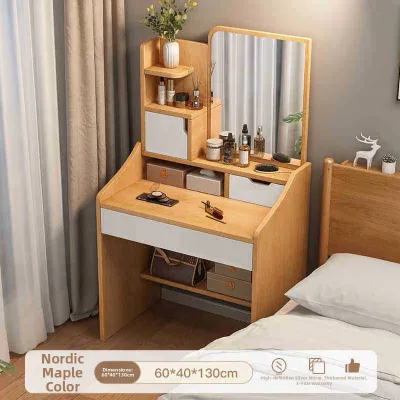
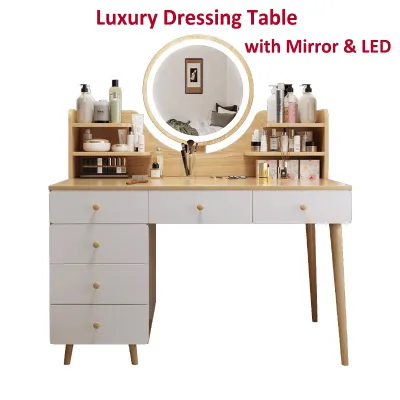
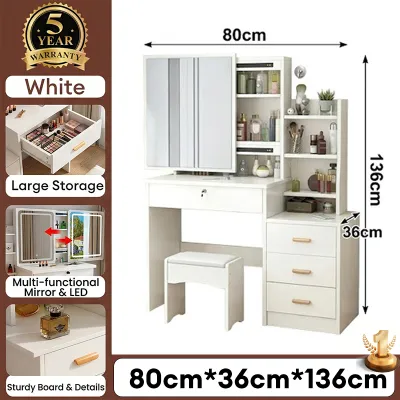
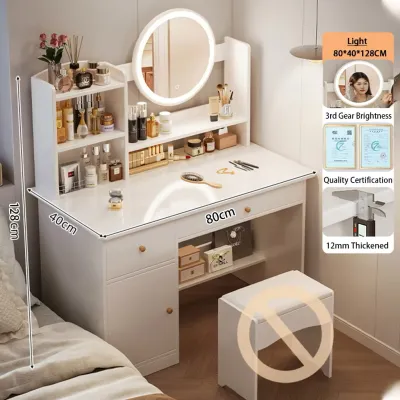
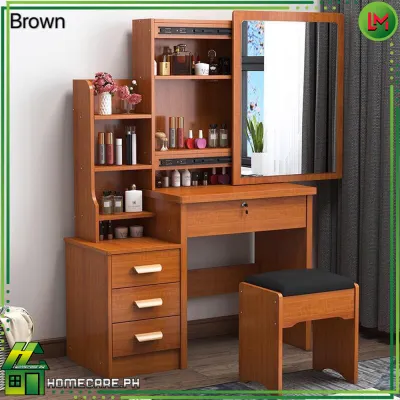
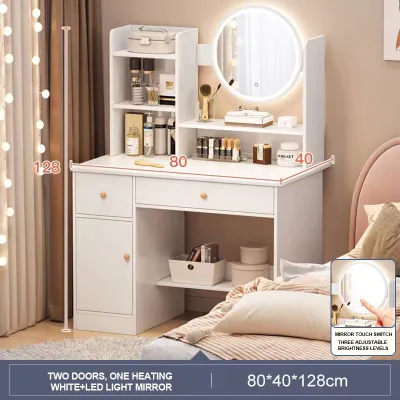
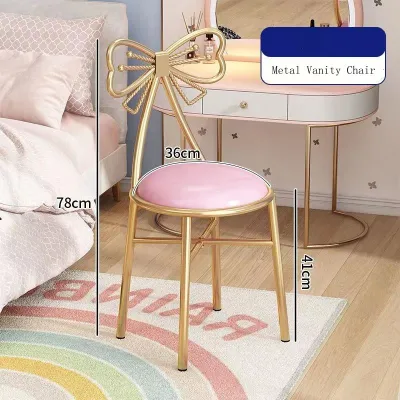

Prices are valid at publication and may change. Please refer to the product page for the latest price.
Visual Design Elements: Achieving the Minimalist Look
To identify a truly minimalist vanity table, you must first look at its basic shape and design details. The goal of a minimalist aesthetic is to create a sense of visual lightness and continuity with the surrounding walls and furniture.
Silhouette and Lines
Minimalist furniture relies on straight, clean edges and simple geometric forms. Look for tables with a rectangular top and slender, straight legs that avoid any decorative carvings, curves, or tapered flourishes. The frame should appear light and unobtrusive, often utilizing thin metal structures or flush wooden panels. Avoiding bulky or ornate legs keeps the floor area beneath the table open, which visually expands the footprint of your bedroom.
Color and Finish
Neutral palettes are essential for maintaining a low-profile look. Solid whites, warm greys, soft beiges, and natural, light-toned wood grains (such as oak, ash, or maple) work best to reflect light and blend into your wall colors. Avoid high-gloss finishes that create harsh reflections or heavily textured surfaces that attract dust. Instead, look for smooth matte or satin finishes that offer a soft, tactile feel while keeping the overall look understated.
Hardware and Drawer Fronts
Traditional drawer handles and decorative knobs add unnecessary visual detail to a vanity’s facade. To achieve a clean look, prioritize handle-less designs that feature push-to-open mechanisms or integrated, routed finger pulls along the bottom or top edges of the drawer fronts. If hardware is present, it should be incredibly streamlined, such as thin, matte-black or brushed-metal bar pulls that run parallel to the drawer lines.
Mirror Integration
The mirror is a central element of any vanity, but it can easily dominate the design if not chosen carefully. Frameless mirrors with clean, polished edges or simple geometric shapes (such as circles or rectangles) maintain a modern look. Alternatively, a flip-top vanity design features a mirror mounted to the underside of a hinged desktop panel. When closed, the mirror is completely hidden, leaving a flat, unbroken surface that can double as a writing desk.
Smart Storage and Functional Features
A minimalist vanity must work hard behind the scenes to keep your daily essentials organized. The key to successful minimalism is ensuring that every item has a dedicated, hidden home so your desktop remains entirely clear.

Concealed vs. Open Storage
While open shelving or glass-front cabinets might look appealing in showrooms, they quickly expose colorful product packaging, bottles, and brushes to plain sight, creating instant visual clutter. Prioritize deep, fully enclosed drawers over open compartments. Drawers keep your cosmetics protected from dust and sunlight, which can degrade certain skincare ingredients over time. Look for drawers that pull out fully so you can easily access items stored at the very back.
Flip-Top vs. Standard Drawers
Choosing between a flip-top compartment and standard drawers depends on your space and how you plan to use the table. A flip-top vanity is highly efficient for small bedrooms because it combines a mirror, storage, and desk space into a single footprint. However, you must clear the desktop every time you want to open the compartment. If you prefer to keep a few daily items on the surface or want quick access to your makeup while looking in the mirror, a standard drawer layout with a wall-mounted mirror is a more practical choice.
Cable Management
Modern beauty routines involve a variety of corded devices, including hair dryers, straighteners, lighted mirrors, and phone chargers. Without proper cable management, these cords will quickly drape over your vanity and ruin its clean lines. Look for tables that feature built-in rubber grommets, rear cutouts, or a dedicated under-desk channel where you can tuck away extension cords and power strips. This allows you to plug in your tools while keeping the wires completely hidden from view.
Lighting Integration
Proper lighting is crucial for makeup application, but bulky external lamps or clip-on ring lights can clutter your vanity setup. Look for vanity designs that feature flush, integrated LED strips built directly into the mirror frame. These strips provide even, shadow-free illumination without taking up physical space. Additionally, look for models that include a discreetly placed, built-in power outlet or USB port inside a drawer or along the side panel, allowing you to charge your phone or power your tools directly from the table.
Sizing, Ergonomics, and Room Layout
A vanity table must fit your physical body and your room layout just as well as it fits your design aesthetic. Taking precise measurements before purchasing will prevent layout mistakes and ensure daily comfort.
Table Dimensions and Height
Standard vanity tables generally stand between 75 and 78 centimeters tall, which aligns with standard desk heights and allows you to sit comfortably with your feet flat on the floor. The depth of the desktop is equally important; look for a depth of at least 40 to 50 centimeters. This provides enough surface area for your hands and products during use, while keeping the mirror close enough to your face so you do not have to lean forward excessively.
Seating Clearance
To maintain clean floor lines when the vanity is not in use, ensure that the table design allows your stool or chair to slide completely underneath the desktop. Measure the clearance between the floor and the bottom of the drawer frame to ensure your thighs will have comfortable clearance when seated. If you choose a vanity with side drawers that extend to the floor, make sure the center seating well is wide enough (typically at least 60 centimeters) to accommodate your chair and legs comfortably.
Traffic Flow and Clearance
When planning where to place your vanity, consider the space required to pull out the chair and open the drawers fully. You should allow for at least 60 to 70 centimeters of open space behind the vanity chair so you can stand up and sit down without bumping into your bed, wardrobe, or doorways. Avoid placing the vanity in high-traffic pathways where an open drawer or tucked-out stool could create a tripping hazard.
Mirror Placement and Seated Eye Level
If you are mounting a separate mirror on the wall above your vanity, its placement should be tailored to your height. Sit on your chosen vanity stool with your back straight and measure the distance from the floor to your eyes. The vertical center of the mirror should ideally align with this seated eye level, which typically falls between 110 and 120 centimeters from the floor. This positioning ensures you can see your entire face and hair without needing to slouch or stretch.
Material and Finish Checks for Humid Environments
In tropical climates like the Philippines, high relative humidity and warm temperatures can place significant stress on furniture. Selecting the right materials and finishes is essential to prevent warping, mold growth, and premature wear.
Moisture and Humidity Resistance
Standard particle board or low-grade fiberboard can easily absorb moisture from the air, causing the material to swell, sag, and degrade over time. When shopping, check product specifications for moisture-resistant ratings, such as Moisture Resistant Medium Density Fiberboard (MR-MDF). If you prefer solid wood, ensure it has been properly kiln-dried and treated with a protective, water-resistant topcoat like polyurethane or lacquer. Additionally, verify that all edges are sealed with high-quality PVC edge banding to prevent humid air from entering the inner core of the panels.
Surface Maintenance and Stain Resistance
Cosmetics, liquid foundations, facial oils, and acetone-based nail polish removers can easily stain or damage sensitive furniture surfaces. Look for non-porous, easy-to-wipe finishes that resist liquid penetration. High-pressure laminates, melamine coatings, and tempered glass tops are excellent choices because they can be easily cleaned with a damp cloth and mild soap. Avoid untreated, porous wood surfaces or cheap paper-foil laminates, which can bubble or peel when exposed to liquid spills.
Structural Integrity and Hardware Durability
The weight of heavy glass skincare bottles, hair tools, and organizer inserts can put a strain on drawer slides and joints. Look for vanities equipped with high-quality, ball-bearing drawer slides made of stainless steel or powder-coated metal, which resist rust in humid environments and ensure smooth drawer operation. Inspect the joint construction of the table; look for reinforced corner brackets, dowels, or solid wood joinery rather than simple glue-and-staple construction.
Safety and Care Verifications
Always cross-reference the manufacturer’s specific care instructions and weight capacity limits before making a purchase. Do not rely solely on generic material names like “wood” or “metal,” as the quality of the protective coatings and structural joints can vary widely. If you plan to use heavy beauty appliances or store large collections, verifying these specifications beforehand will ensure your vanity remains safe, stable, and beautiful for years to come.
Frequently Asked Questions (FAQ)
Can a minimalist vanity table provide enough storage for a large makeup collection?
Yes, a minimalist vanity can easily accommodate a large makeup collection if you utilize smart internal organization. Instead of relying on external storage boxes, look for deep drawers that can be customized with adjustable acrylic dividers, shallow trays, and vertical brush inserts. Utilizing the full depth and height of your drawers allows you to pack items tightly and systematically. You can also pair your vanity with a matching, minimalist under-desk drawer unit or a mobile cart that can be rolled out of sight when not in use.
What type of mirror works best with a minimalist vanity?
Frameless mirrors are the ideal choice for a minimalist aesthetic because they eliminate unnecessary visual borders and blend seamlessly with the wall. Simple geometric shapes, such as a tall rectangle or a soft oval, work best to complement the clean lines of the table. If you have limited desktop space, a wall-mounted mirror is highly recommended because it frees up the entire table surface. For maximum flexibility and a completely clean look when finished, a flip-top mirror that folds down flat into the desktop is an excellent option.
How do I manage lighting cords on a minimalist vanity without ruining the look?
To keep lighting cords hidden, look for a vanity with a built-in cable management grommet or a rear cutout where you can route cords underneath the desk. You can mount a small power strip to the underside of the table frame using adhesive hook-and-loop strips, allowing you to plug in your lights and hair tools out of sight. For a completely cord-free setup, consider using high-quality, rechargeable LED vanity lights that attach magnetically to your mirror and can be removed for charging when needed.
Community discussion
Share your experience or ask a question. Comments are reviewed before publication.