
Selecting the ideal mobile cooking cart or kitchen island with cabinet storage depends on matching the unit’s physical dimensions and material limits to your specific culinary habits and kitchen layout. A well-chosen mobile station expands your food preparation area, provides dedicated storage for heavy appliances, and adapts to changing spatial needs. To make the right choice, you must evaluate the structural integrity of the frame, verify the weight capacities of the shelves, and ensure the materials can withstand the local climate, particularly high humidity.
In many homes, a kitchen cabinet that doubles as a mobile workstation solves the common challenge of limited counter space. By focusing on verifiable specifications—such as finished dimensions, caster locking mechanisms, and surface care guidelines—you can find a durable unit that enhances your daily cooking workflow. This guide outlines the essential steps to measure your space, assess material durability, and select a configuration that aligns with your cooking style.
Assessing Your Kitchen Space and Workflow Needs
Before browsing online marketplaces or visiting local furniture showrooms, you must establish a precise map of your kitchen’s physical boundaries. Start by measuring the available floor area where you intend to park and operate the mobile cart. Maintain a minimum clearance of 90 to 120 centimeters around all sides of the cart to allow for comfortable movement, especially when carrying hot pots or sharp utensils.
Products mentioned in this guide
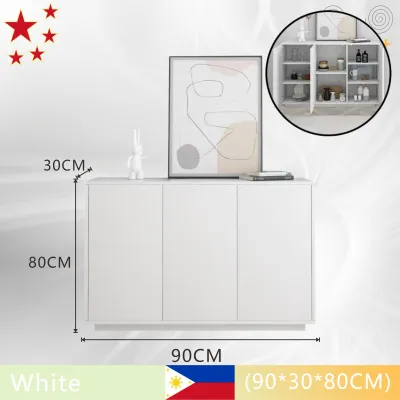
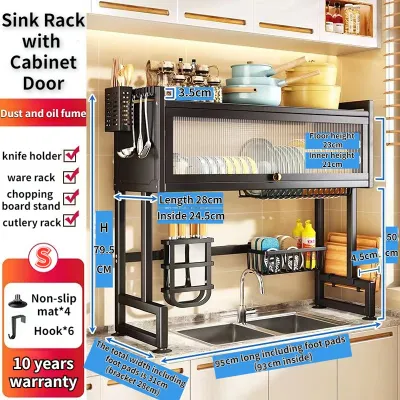
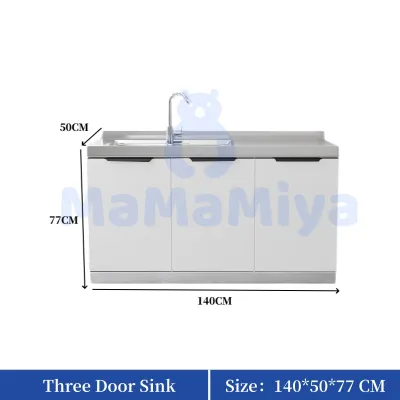
Prices are valid at publication and may change. Please refer to the product page for the latest price.
Next, account for the swing paths of existing fixtures and appliances. Open your refrigerator, oven, and built-in kitchen cabinet doors completely, then measure the remaining space to ensure the mobile cart will not block these essential pathways.
Identifying your specific workflow bottlenecks will help determine whether the cart should serve as a primary preparation zone or as supplementary storage. If your main countertops are permanently occupied by a rice cooker, microwave, or dish rack, your mobile cart will likely function as your primary chopping and mixing station. In this scenario, prioritize a cart with a comfortable working height—typically between 85 and 90 centimeters—and a highly durable, food-safe top surface.
Conversely, if you primarily need to clear clutter from your main counters, focus on the cart’s internal storage capacity and weight limits. Determine the weight of your heaviest kitchen appliances, such as stand mixers, air fryers, or heavy clay pots, before purchasing. Check the manufacturer’s specifications to verify that the cart’s shelves and overall frame can safely support these loads without bowing or compromising the unit’s stability.
Key Features to Evaluate in Mobile Kitchen Carts
Evaluating a mobile kitchen cart requires looking beyond aesthetic appeal to examine the structural components that dictate daily usability.

Prep Surfaces and Material Durability
The top surface of your mobile cart is the area most exposed to wear, moisture, and heat. Common countertop materials include solid wood, stainless steel, engineered wood, and natural or synthetic stone, each requiring specific maintenance routines. In tropical climates with high humidity, checking the manufacturer’s care instructions is critical to prevent warping, mold growth, or surface degradation.
Solid wood tops, such as rubberwood or bamboo, offer a classic look and a sturdy prep surface, but they must be sealed properly to resist moisture and stains. Verify if the wood has been treated with a food-safe protective coating, and be prepared to reapply mineral oil periodically to maintain its water resistance. Avoid placing hot pans directly on wood surfaces, as this can scorch the finish and damage the wood fibers.
Stainless steel tops are highly hygienic and resistant to heat and moisture, making them excellent for heavy food preparation. However, they are prone to scratching and can show fingerprints easily, requiring regular wiping with specialized cleaners.
Storage Configurations and Cabinet Integration
A mobile cart with integrated cabinet storage helps keep your kitchen organized, but the internal layout must match your specific storage needs. Look for units that offer adjustable shelving rather than fixed compartments. Adjustable shelves allow you to customize the interior height to accommodate tall items like blenders, large stockpots, or stacks of mixing bowls.
Examine the drawer construction, paying close attention to the weight limits and glide mechanisms. Drawers equipped with full-extension metal ball-bearing glides operate more smoothly and last longer than those with simple wooden tracks, especially when loaded with heavy cutlery or utensils. Check the product specifications to ensure the drawers can handle the weight of your daily tools without sticking or sagging.
Additionally, verify the door hinge clearance of the cabinet doors. Ensure that the doors can swing open fully to a 90-degree angle or wider without hitting adjacent walls, appliances, or dining furniture.
Mobility, Wheels, and Stability Mechanisms
The mobility of a kitchen cart is a major advantage, but it can become a safety hazard if the unit cannot be locked securely in place during active prep work. Ensure that the cart is equipped with heavy-duty casters, and verify that at least two of these wheels feature robust locking mechanisms. The locks should be easy to engage and disengage, providing a stable foundation when you are chopping vegetables or kneading dough.
Wheel material is another critical factor to consider based on your home’s flooring. Hard plastic wheels can scratch delicate wooden floors or crack under heavy loads on uneven tile surfaces. Polyurethane or rubber-coated casters are generally preferred, as they glide smoothly, absorb vibrations, and protect your floors from scuffs and scratches.
A well-constructed cart should not wobble or sway when you push it across floor transitions, such as the threshold between a tiled kitchen and a wooden dining area. Look for reinforced joints, thick corner posts, and a low center of gravity to ensure the cart remains stable even when fully loaded.
Matching Cart Types to Cooking Styles and Layouts
Different kitchen layouts and cooking habits require distinct cart configurations. Matching the cart’s design to your daily routine ensures that you do not end up with a unit that is either too small to be useful or too large for your space.
Compact Rolling Carts for Small Kitchens
For compact apartments, condominiums, or homes with narrow galley kitchens, a compact rolling cart is often the most practical choice. These slim utility carts typically feature a narrow footprint, allowing them to tuck neatly into unused corners or the gaps between appliances when not in use. They are ideal for storing frequently used spices, oils, and lightweight prep tools.
When selecting a compact cart, carefully check the width and depth dimensions to ensure it complies with your walkway requirements. Additionally, evaluate the vertical stability of multi-tier slim carts; because they have a narrow base, they can be prone to tipping if they are loaded unevenly or pushed too quickly over uneven surfaces. Keep the heaviest items on the bottom shelf to maintain a safe center of gravity.
Kitchen Islands with Cabinet Storage for Heavy Prep
If you cook large meals frequently, bake regularly, or use heavy appliances like stand mixers and food processors, a substantial kitchen island with enclosed cabinet storage is a better fit. These larger units provide the surface area and structural strength needed for vigorous mixing, kneading, and chopping. The enclosed cabinets also protect your cookware and pantry items from dust and kitchen grease.
Because these islands are significantly heavier than simple utility carts, you must verify your floor’s load limits and ensure you have ample surrounding clearance. These units are designed to function as semi-permanent fixtures that can be rolled away only when deep cleaning is required.
Drop-Leaf and Expandable Stations for Flexible Dining
Drop-leaf and expandable kitchen carts offer excellent versatility for multi-purpose spaces, serving as a compact prep station during meal preparation and expanding into a dining counter or breakfast bar when needed. These units feature a hinged surface extension that can be raised and supported by brackets or pull-out legs.
When evaluating an expandable cart, pay close attention to the hinge durability and the structural integrity of the support brackets. The extended leaf must be strong enough to support the weight of plates, cups, and elbows without sagging or bending. Check the manufacturer’s weight limit specifically for the extended portion of the top.
You must also verify both the folded and fully expanded footprints of the cart to guarantee it fits comfortably in your space in both configurations. If you plan to use the extended leaf for dining, assess the knee clearance and seating arrangements.
Pre-Purchase Checks and Assembly Considerations
Purchasing a mobile kitchen cart or kitchen cabinet unit online or from a retailer requires careful preparation to avoid delivery and assembly headaches. Before placing your order, confirm the delivery pathway dimensions of your home. Measure the width and height of all doorways, hallways, stairwells, and elevator doors that the delivery box must pass through to reach your kitchen.
Review the assembly requirements provided by the manufacturer. Most mobile carts require some degree of self-assembly, ranging from simply attaching the casters to building the entire cabinet frame from scratch. Check what tools are required; while some units include basic hex keys, you may need your own screwdriver, hammer, or level to complete the job properly. If you are not comfortable with DIY assembly, look for retailers that offer professional assembly services.
Be sure to check the return policies and potential restocking fees of the online marketplace or retailer before purchasing. Shipping large, heavy furniture items back to a seller can be expensive and logistically challenging if the product does not fit or meet your expectations. Understanding the return terms beforehand protects you from unexpected costs.
Once your cart is delivered, inspect the packaging for any signs of transit damage before opening it. Carefully unbox all components and lay them out to verify that all parts, hardware, and instructions are present. Inspect individual panels, doors, and the countertop for scratches, dents, or cracks before you begin assembly. If you discover any damaged or missing parts, contact the manufacturer or retailer immediately before attempting to put the cart together.
Maintenance and Care for Mobile Kitchen Stations
To preserve the structural integrity, appearance, and smooth operation of your mobile kitchen station, establish a regular maintenance routine. Cleaning protocols should always align strictly with the manufacturer’s guidelines for each specific material. For daily cleaning, use a soft, damp cloth and a mild dish soap to wipe down surfaces, avoiding harsh chemical cleaners or abrasive scrubbing pads that can scratch the finish.
In humid environments, moisture control is essential. Wipe up spills immediately, especially on wood or engineered wood surfaces, to prevent water from seeping into joints and causing swelling or warping. If your cart features a wooden top, consider applying a fresh coat of food-safe mineral oil every few months to maintain its protective barrier against moisture and stains.
The moving parts of your cart also require periodic attention. Lubricate the wheel axles and cabinet door hinges annually with a silicone-based lubricant to ensure they continue to roll and swing smoothly without squeaking. Check the casters regularly to remove any hair, dust, or kitchen debris that may have wrapped around the axles, which can lock the wheels and cause them to drag across your floors.
Finally, perform a quick structural inspection every six months. The vibrations from rolling the cart and the physical force of chopping or prepping food can cause screws and fasteners to loosen over time. Use a screwdriver or hex key to gently tighten all structural fasteners, drawer glides, and handle screws.
Frequently Asked Questions (FAQ)
Can I install a mobile kitchen cart on uneven flooring?
Yes, but you must take specific precautions to ensure safety and stability. If your kitchen floor has uneven tiles or a slight slope, look for a mobile cart that includes adjustable leveling feet or heavy-duty casters with built-in height adjustments. Using a standard wheeled cart on a sloped floor can cause it to roll unexpectedly if the brakes are not engaged, creating a serious safety hazard.
Rolling a heavily loaded cart over uneven transitions or deep tile grout lines can also place excessive stress on the caster mounts and the cart’s frame. This stress can lead to structural warping or joint failure over time.
How do I prevent a kitchen island cart from scratching hard floors?
To protect your floors from scratches and scuffs, pay close attention to the material of the casters. Avoid hard plastic or nylon wheels, which can easily scratch hardwood, laminate, or vinyl flooring under the weight of a loaded cart. Instead, choose casters made of soft polyurethane, rubber, or thermoplastic elastomer, which glide quietly and cushion the floor.
Keep your kitchen floor clean and free of grit, sand, or small food particles. When you roll the cart, these hard particles can get trapped beneath the wheels, grinding into the floor surface and leaving deep scratches. Regularly inspect the wheels and wipe them clean to remove any embedded debris or sticky residue.
Are mobile carts with cabinet storage safe for heavy appliances?
Mobile carts can safely house heavy appliances like stand mixers, microwaves, and air fryers, provided you strictly adhere to the manufacturer’s weight capacity limits. These limits are typically specified for the top surface, individual internal shelves, and the overall unit. Exceeding these limits can cause shelves to sag, drawers to stick, or the entire frame to fail.
When organizing your cart, always distribute the weight evenly and place the heaviest items on the bottom shelf or lowest cabinet tier. This practice lowers the cart’s center of gravity, making it significantly more stable and easier to steer when you need to move it.
Community discussion
Share your experience or ask a question. Comments are reviewed before publication.