
To find the best mobile kitchen cart with built-in storage for extra prep space, you must balance a durable, food-safe work surface with a highly organized, enclosed lower cabinet structure. Unlike a permanent kitchen storage cabinet, a mobile cart must be evaluated for its structural stability under dynamic movement, its wheel locking mechanisms, and its resistance to local environmental factors. Choosing the right cart involves analyzing your specific cooking habits, measuring your physical space, and verifying material specifications against manufacturer guidelines. This guide provides a step-by-step approach to selecting a mobile workstation that enhances your culinary workflow while keeping your kitchen organized and clutter-free.
Why Choose a Mobile Cart Over a Fixed Kitchen Storage Cabinet?
Freestanding mobile units offer a level of flexibility that traditional, built-in cabinetry simply cannot match. In dynamic cooking environments, the ability to reposition your workspace is a significant advantage. You can roll the cart directly next to your stove to keep prepped ingredients within arm’s reach, then wheel it to the dining area to serve as a mobile bar or buffet table. This adaptability is particularly useful in multi-purpose rooms or open-plan living spaces where the layout needs to shift depending on the occasion.
For renters or those living in compact apartments, permanent kitchen renovations are often restricted by lease agreements or structural limitations. A mobile kitchen cart serves as an excellent, non-permanent alternative to a fixed kitchen storage cabinet. It provides the necessary countertop area and storage capacity without requiring wall anchoring or professional installation. When it is time to move, the cart can be packed up and transported to your next home, making it a highly practical long-term investment.
Products mentioned in this guide
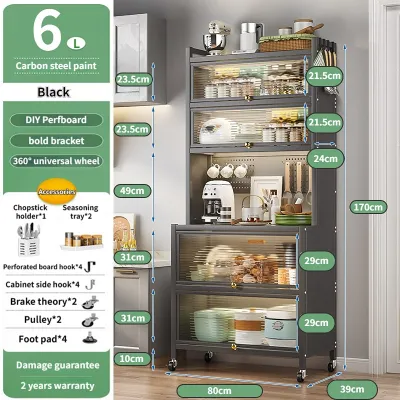
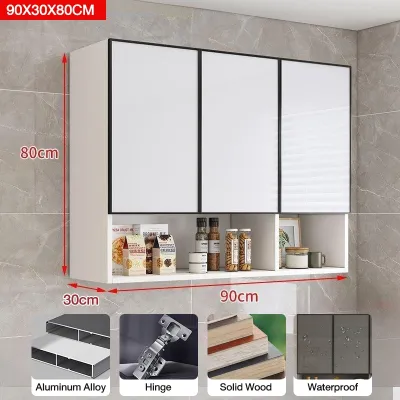
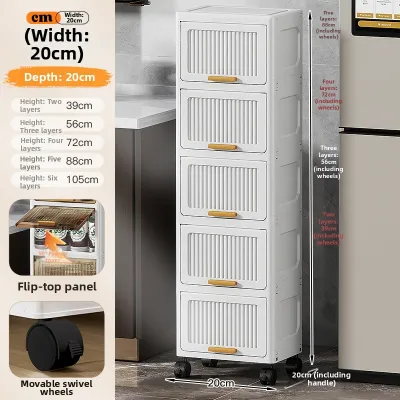
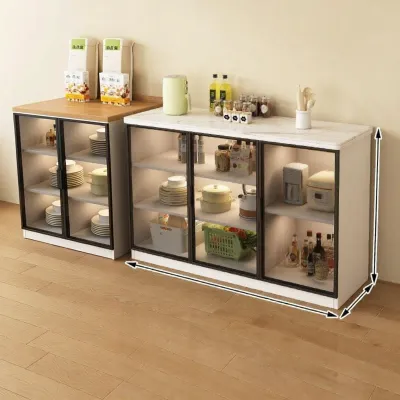
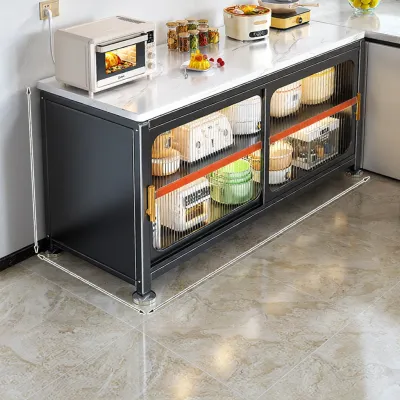
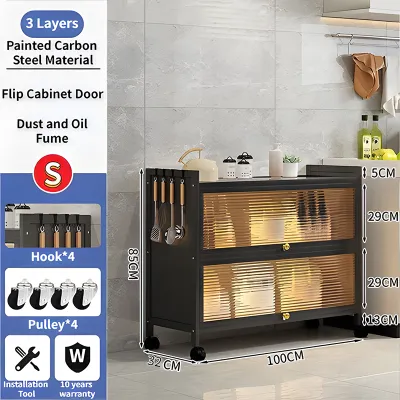
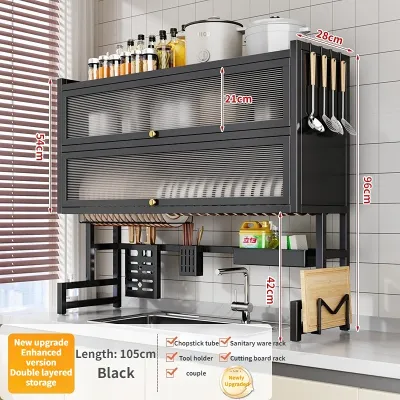
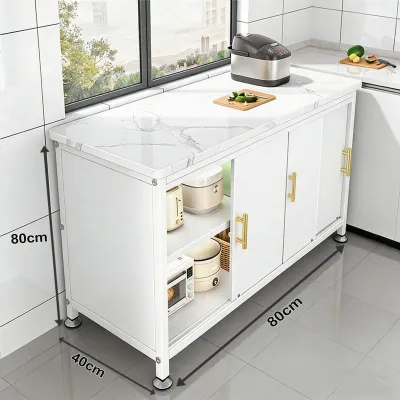
Prices are valid at publication and may change. Please refer to the product page for the latest price.
However, choosing a mobile cart does involve certain trade-offs. While a fixed kitchen storage cabinet typically offers greater total storage volume and absolute structural permanence, a mobile cart trades some of that capacity for versatility. You must weigh the long-term durability of heavy-duty casters and joints against the static stability of built-in units. Additionally, mobile carts generally have lower weight capacities than fixed cabinets, meaning you must be more selective about the items you store inside them.
Core Features to Evaluate for Prep Space and Hidden Storage
Selecting the right mobile cart requires a careful examination of its physical and functional dimensions. You must look beyond basic aesthetics to ensure the unit can withstand the physical demands of food preparation while keeping your kitchen tools organized.

The transition from assessing the overall footprint of the cart to examining its specific structural components is crucial. A successful purchase balances a spacious, usable countertop with an internal storage layout that remains easily accessible even when the cart is positioned in tight corners.
Countertop Materials and Workspace Dimensions
The countertop is the primary work surface of your mobile cart, making its material composition one of the most important decisions you will make. Common surface types include stainless steel, solid wood, engineered wood, and ceramic tile, each requiring different levels of maintenance and care.
In tropical climates characterized by high humidity, such as the Philippines, material selection requires extra caution. High humidity can cause unsealed wood to warp, swell, or develop mold over time if moisture is allowed to penetrate the surface. Stainless steel is highly recommended for these environments due to its exceptional moisture resistance, ease of sanitization, and imperviousness to rust. Solid wood, often referred to as butcher block, offers a classic aesthetic and a durable cutting surface, but it must be treated regularly with food-safe mineral oil and kept dry to prevent degradation.
When assessing the usable prep area, do not rely solely on the overall exterior dimensions of the cart. Look closely at the actual flat surface area of the countertop. Some carts feature integrated spice racks, towel bars, or knife blocks that extend from the sides, which can alter the physical footprint without adding to the actual workspace. Additionally, consider whether the cart features a drop-leaf extension, which can be raised to temporarily increase your prep area and folded down when space is limited.
Always verify the manufacturer’s surface treatment specifications to ensure the countertop is rated for direct food contact. If the product manual does not explicitly state that the surface is food-safe, you should never chop ingredients directly on it. Instead, plan to use protective cutting boards or silicone mats to prevent chemical leaching, scratches, or deep stains that can harbor bacteria.
Drawer Configurations and Concealed Organization
The lower portion of your mobile cart is where the primary storage magic happens. A well-designed kitchen storage cabinet configuration should feature a mix of drawers, closed cabinets, and specialized compartments to keep your kitchen tools and ingredients organized and out of sight.
Evaluate the depth of the drawers and the quality of the slide mechanisms. Heavy items, such as cast iron skillets, ceramic baking dishes, or small appliances, require deep drawers equipped with smooth, ball-bearing slides that can handle significant weight without sticking or sagging. Shallow drawers, on the other hand, are ideal for organizing flatware, knives, measuring spoons, and other small culinary gadgets.
Behind the closed cabinet doors, look for adjustable shelving. The ability to change the height of internal shelves is essential for accommodating tall items like olive oil bottles, blenders, or bulky mixing bowls. Enclosed storage is highly beneficial for keeping your cookware free from dust, airborne grease, and pests, ensuring that your items remain clean and ready for use at a moment’s notice.
Furthermore, look for specialized organizational features that maximize space without cluttering the main countertop. Built-in towel racks, spice shelves, and side hooks allow you to store frequently used items on the exterior of the cart, keeping the top surface entirely clear for food preparation. Some carts also include dedicated trash can compartments or pull-out wire baskets, which help streamline your cooking workflow by keeping waste and fresh produce organized.
Wheel Quality and Locking Mechanisms
Because mobility is the defining feature of a kitchen cart, the quality of the wheels, or casters, is paramount. The wheels must be strong enough to support the combined weight of the cart, your stored kitchen tools, and the downward pressure applied during active food preparation.
Review the manufacturer’s caster specifications to ensure they are rated for your specific floor type. Hard plastic wheels can scratch or gouge delicate hardwood floors and may slip on smooth ceramic tiles. Look for heavy-duty, non-marring rubber or polyurethane casters that roll smoothly and quietly across various surfaces. The wheels should also feature 360-degree swivel capabilities to allow for easy maneuvering in tight kitchen spaces.
Stability is a critical safety consideration when performing tasks like chopping vegetables, kneading dough, or using hand mixers. To prevent the cart from shifting or rolling unexpectedly, confirm that the unit features reliable locking mechanisms on at least two of its wheels. Ideally, these locks should be easy to engage and disengage with your foot, providing a secure, stable base when the cart is parked.
Finally, assess the design of the handle used to push and pull the cart. The handle should be ergonomically positioned and securely bolted to the main frame of the cart. A flimsy or poorly attached handle can break under the strain of moving a fully loaded cart, posing a safety hazard and potentially damaging your stored items.
Matching Cart Configurations to Your Kitchen Workflow
To get the most utility out of your mobile kitchen cart, you should match its configuration to your specific cooking habits and the layout of your home. Different culinary workflows require different structural designs and material priorities.
If you are an avid baker or frequently prepare large, multi-course meals, you should prioritize a heavy-duty prep station. These carts typically feature thick, solid wood or stainless steel countertops supported by a robust, wide frame. They are designed to absorb the dynamic vibrations and downward force of kneading bread, rolling pastry dough, or operating heavy motorized appliances. Look for models with substantial weight capacities and wide bases that resist tipping.
For those living in smaller apartments or townhouses, a compact utility cart is often the most practical choice. These smaller units focus on vertical storage, utilizing tiered shelving, wire baskets, and compact drawers to maximize capacity within a minimal footprint. A compact cart can easily serve as a supplementary ingredient station, a mobile coffee bar, or a dedicated space for storing fresh garlic, onions, and root vegetables that do not require refrigeration.
If you have an open-plan kitchen and dining area, consider an island-style cart with dual-sided access and a drop-leaf countertop. These versatile units can be positioned in the center of the room to act as a central kitchen island. When the drop-leaf is extended, it can serve as a casual dining counter or a breakfast bar, accommodating bar stools for guests. When the meal is over, the leaf folds down, and the cart can be rolled against the wall to open up floor space.
Pre-Purchase Checklist: Measuring and Verifying Specifications
Before making a final decision on a mobile kitchen cart, it is essential to perform a series of measurements and specification checks to ensure the unit will fit your home and meet your functional needs. Taking these steps beforehand prevents the frustration of purchasing a cart that is too large, too weak, or difficult to assemble.
First, measure all clearances along the path the cart will travel. This includes doorways, hallways, and the specific parking spot where the cart will be stored when not in use. Ensure there is ample room to roll the cart through your home without scraping walls or door frames. In the kitchen, verify that the cart’s dimensions do not block critical walkways, refrigerator doors, oven openings, or dishwasher racks when it is parked.
Next, cross-reference the manufacturer’s stated weight capacities for both the countertop and the individual internal shelves. When planning your budget—whether you are looking at entry-level options or investing up to ₱15,000 for a premium model—focus on structural integrity rather than just appearance. Never assume a cart can support heavy appliances like microwave ovens or stand mixers based on its visual sturdiness alone. Verify the exact weight limits in the product specifications to prevent structural bowing, joint failure, or tipping hazards.
Finally, review the assembly requirements and guidelines provided by the manufacturer. Most mobile kitchen carts are shipped flat-packed and require self-assembly. Check what tools are included in the package and whether you will need additional tools, such as a screwdriver or rubber mallet. Ensure you have a clean, flat, and protected floor space—such as a large rug or cardboard sheet—to assemble the unit safely without scratching the finishes or damaging your home’s flooring.
Frequently Asked Questions (FAQ)
Can a mobile kitchen cart support heavy appliances like stand mixers?
Yes, a mobile kitchen cart can support heavy appliances, but you must verify the manufacturer’s explicit weight capacity for the top surface before placement. Motorized appliances like stand mixers, food processors, or blenders generate significant dynamic vibrations during operation. To ensure safe use, always choose a cart with a wide, stable base and a low center of gravity. Additionally, you must engage the wheel locks on all locking casters before turning on the appliance to prevent the cart from shifting or walking across the floor.
How do I maintain and clean different countertop materials on a kitchen cart?
Proper maintenance depends entirely on the specific material of your cart’s countertop and the care instructions provided in the product manual. For stainless steel surfaces, use a soft microfiber cloth with mild dish soap and warm water, always wiping in the direction of the metal’s grain to prevent scratching. For solid wood countertops, wipe up liquid spills immediately to prevent water spots, warping, or mold growth, which can be exacerbated by tropical humidity. If recommended by the manufacturer, apply a food-safe mineral oil periodically to keep the wood hydrated and water-resistant. Avoid using harsh abrasive cleaners, bleach, or excessive water on engineered wood or veneered surfaces, as moisture can cause the underlying material to swell and delaminate.
Community discussion
Share your experience or ask a question. Comments are reviewed before publication.