
Finding the right furniture for a compact home requires balancing style, comfort, and utility. In many Filipino households, the living room—or sala—serves as a multi-purpose hub where family members gather to watch television, share afternoon merienda, study, and work. A standard, static coffee table often falls short in these dynamic spaces, either taking up too much floor area or failing to support daily activities.
Choosing a multi-functional sala table is one of the most effective ways to maximize a limited floor plan. These versatile pieces integrate hidden storage, transforming tops, or expandable surfaces to serve multiple roles without cluttering your home. By selecting a design that aligns with your daily routines, you can easily transition your living room from a cozy relaxation spot into a functional dining area or a productive home office.
However, finding the perfect multi-functional table is not just about picking an attractive design. You must carefully evaluate your available floor space, identify your primary household needs, and inspect the safety of any moving parts. The ideal table is one that fits seamlessly into your physical space while enhancing your daily comfort and convenience.
Products mentioned in this guide
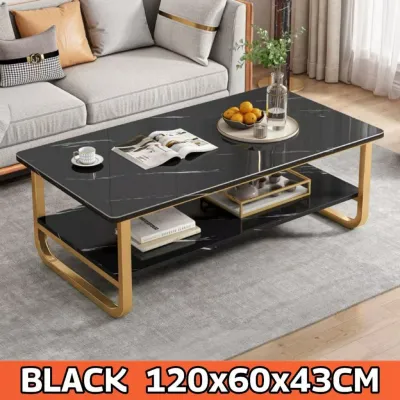
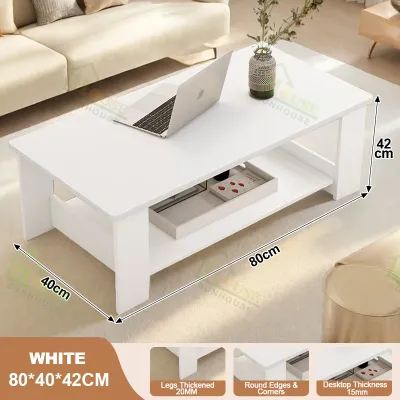
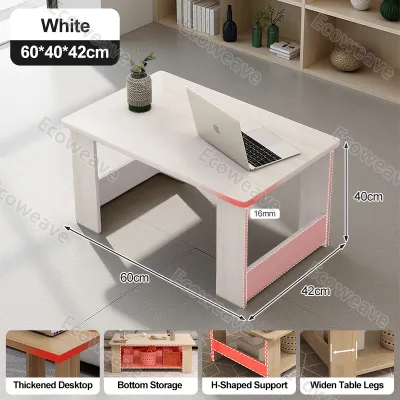
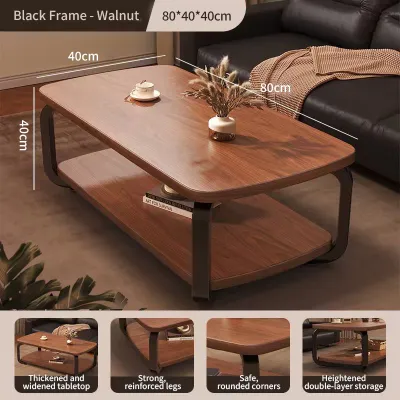

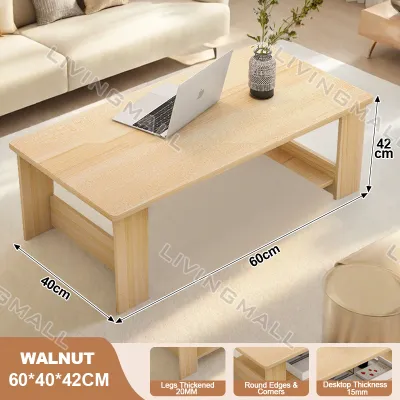
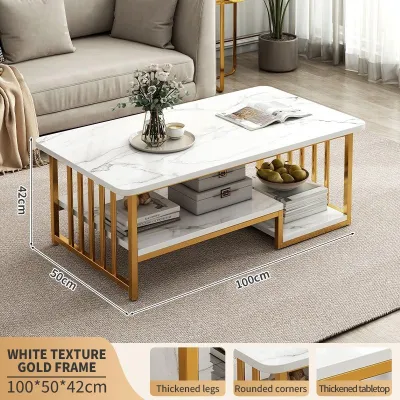
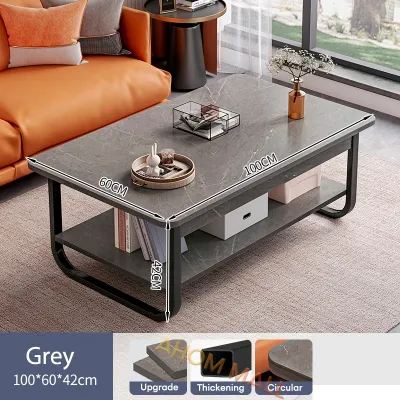
Prices are valid at publication and may change. Please refer to the product page for the latest price.
How to Measure Your Space and Define Your Needs
Before browsing online marketplaces or visiting local furniture showrooms, you must establish the physical boundaries of your living room. Start by measuring the exact footprint of your seating area. Use a metal measuring tape to determine the distance between your sofa and your television console, as this will dictate the maximum width and depth of your new table.
To maintain a comfortable flow of traffic, you must leave adequate clearance around the table. Aim for a distance of 30 to 45 centimeters between the edge of the sofa cushion and the table. This spacing provides enough legroom for sitting and standing without forcing you to stretch too far to reach a drink. Additionally, ensure there is a clear walkway of at least 60 to 90 centimeters around the outer perimeter of the seating area so family members can move through the room without bumping into furniture.
Do not forget to plan for the delivery process, which is a common bottleneck in high-rise condominiums and tight residential subdivisions. Measure the height and width of your front door frame, any narrow hallway corners, stairwell clearances, and elevator doors. A multi-functional table, particularly one with a heavy base or pre-assembled mechanical parts, can be incredibly difficult to maneuver through tight spaces if you have not verified these dimensions beforehand.
Once you have established your spatial limits, identify the primary functional gap in your living room. Ask yourself what activity currently causes the most clutter or discomfort. If you frequently eat meals on the sofa while watching television, a table that raises to dining height is essential. If you work from home but lack space for a dedicated desk, you need a stable, elevated work surface. If your main struggle is managing clutter like remote controls, children’s toys, and extra cushions, prioritizing deep, hidden storage is your best path forward.
Top Multi-Functional Sala Table Designs for Compact Spaces
Multi-functional sala tables generally fall into three primary structural categories, each engineered to solve specific spatial challenges. Understanding these designs allows you to match the table’s mechanical features to your household’s daily habits.

Choosing the right style depends on whether you need to elevate your working and dining experience, create temporary surface areas for guests, or maximize your hidden storage capacity.
Lift-Top Coffee Tables for Dining and Working
Lift-top coffee tables feature a top surface mounted on mechanical hinges that allow it to lift upward and forward. This movement brings the tabletop closer to you while you sit comfortably on the sofa, eliminating the need to hunch over while typing on a laptop or eating a meal.
When evaluating a lift-top table, pay close attention to the lifting mechanism. Spring-loaded hinges are common and budget-friendly, but they can sometimes snap open or closed too quickly. Gas-strut mechanisms offer a much smoother, controlled, and quieter operation, which is highly desirable if you want to avoid spilling drinks or disturbing other household members.
Stability is a critical safety factor for lift-top designs. When the top is fully extended, the table’s center of gravity shifts forward. To prevent the table from tipping over when you place a laptop or a plate of food on the raised surface, the base must be sufficiently heavy and wide. Always check the manufacturer’s specified weight capacity for both the closed and extended positions, and avoid leaning heavily on the edge of the raised top.
Additionally, lift-top tables typically feature a spacious storage compartment directly beneath the moving platform. This hidden area is perfect for stowing away items you want to keep within arm’s reach but out of sight, such as chargers, notebooks, and remote controls. Ensure that accessing this compartment does not require you to completely clear the tabletop every single time you open it.
Nesting and Expandable Tables for Flexible Seating
Nesting tables consist of two or three individual tables of graduated sizes designed to slide completely underneath one another. This configuration allows you to maintain a minimal footprint during your daily routine while retaining the ability to expand your surface area at a moment’s notice.
These tables offer exceptional flexibility for small homes. When you are home alone, you can keep the tables stacked to keep your walkways clear. When hosting guests or family gatherings, you can pull the smaller tables out to serve as individual side tables for drinks, plates, or board games. This eliminates the need for multiple bulky pieces of furniture that permanently occupy valuable floor space.
Another option for flexible surface area is the drop-leaf or fold-out table. These pieces feature hinged side panels that can be raised and locked into place to extend the tabletop. This design is particularly useful if you occasionally need a larger surface for projects, crafts, or family meals but want to fold it down to a slim profile when the activity is finished.
Because nesting and expandable tables are often lightweight to allow for easy movement, they can be prone to sliding or tipping if bumped. When shopping, look for models with sturdy leg structures and non-slip rubber or felt pads on the feet. These pads not only keep the tables stable on tiled or polished wooden floors but also protect your flooring from scratches during frequent rearrangements.
Storage Ottomans and Trunk Tables
Storage ottomans and trunk tables prioritize deep, hidden storage capacity over mechanical work surfaces. These pieces are ideal for households that need to quickly clear away clutter to keep a small living room looking tidy and organized.
Trunk tables feature a solid wood or metal construction with a hinged lid, providing a rustic or industrial look. They offer a highly stable, flat surface for resting decorative items, books, or trays. Upholstered storage ottomans, on the other hand, feature padded tops that can double as comfortable footrests or extra seating for guests. To make an ottoman more practical for daily use, look for designs with reversible tops that feature a cushioned seat on one side and a hard wooden tray on the other.
Safety is a primary concern for any furniture with a heavy, hinged lid. Look for trunks and ottomans equipped with safety hinges, such as soft-close or tension hinges, that hold the lid open at various angles. This prevents the heavy top from slamming down suddenly, which can cause painful finger pinches or damage the frame of the table.
In the tropical climate of the Philippines, high humidity levels can pose a challenge for storage furniture. Fabric-covered ottomans can trap moisture, leading to musty odors or mold growth if they are placed in poorly ventilated areas. To mitigate this, consider synthetic leather (PU) upholstery that can be easily wiped clean, or ensure wooden trunks are treated with moisture-resistant sealants. Regularly airing out the interior storage compartment also helps keep your stored linens, pillows, or books fresh.
What to Check Before Buying a Multi-Functional Sala Table
Investing in a multi-functional sala table requires a careful inspection of its structural integrity and material quality. Because these tables feature moving parts and serve multiple purposes, they experience more wear and tear than standard, static furniture. Use the following guidelines to evaluate a table’s durability and safety before making a purchase.
- Structural Stability and Footprint: Verify that the table has a wide, balanced base. If the table features a lift-top or expandable leaves, the footprint of the base must be substantial enough to support the weight of the extended components without wobbling. Splayed legs or a solid plinth base generally offer superior stability compared to thin, vertical legs.
- Mechanism Safety and Smoothness: Test the moving parts of the table. The hinges, slides, or folding brackets should operate smoothly without requiring excessive physical force. Look for mechanisms with built-in safety features, such as locking pins to keep expandable leaves secure, or soft-close dampers to prevent accidental slamming.
- Material and Finish Durability: Since your sala table will likely host hot coffee mugs, cold water glasses, and plates of food, the surface finish must be highly resistant to heat and moisture. Untreated solid wood can easily warp or develop water rings. Look for tables finished with water-resistant polyurethane sealants, high-pressure melamine laminates, or tempered glass tops that can be wiped dry easily.
- Edge Profiling: In a compact living room, you are highly likely to bump into your furniture while navigating tight walkways. Sharp, 90-degree corners can cause painful bruises or injuries. Prioritize tables with rounded corners, bullnose edges, or chamfered profiles to make your living space safer and more comfortable to move around in.
- Joint Construction: Examine how the frame and legs of the table are joined together. Avoid tables that rely solely on glue and staples, as these joints can quickly loosen under the stress of moving parts. Look for robust construction methods such as mortise-and-tenon joints, metal-on-metal screw connections, or reinforced corner blocks.
Shopping Checklist and Delivery Considerations
To ensure a smooth purchasing experience and avoid costly mistakes, keep a detailed checklist of specifications and logistical details handy when shopping.
First, always verify the exact assembled dimensions of the table in both its closed and fully extended states. Do not rely solely on product photos, which can often make furniture look larger or smaller than it is in reality. Compare these measurements against your living room layout to confirm that the table will fit comfortably in all configurations.
Second, carefully review the retailer’s warranty policy, paying specific attention to the coverage of mechanical parts. While a standard warranty might cover the wooden frame, the moving hinges, gas struts, or folding brackets are the components most likely to experience wear over time. Confirm if replacement parts are readily available and if the retailer offers support for mechanical repairs.
Finally, clarify the delivery and assembly terms before finalizing your order. Multi-functional tables can be heavy and structurally complex, often requiring precise alignment of hinges and tracks during setup. If you are not confident in your assembly skills, check if the retailer offers professional home delivery and assembly services. If you choose to assemble the table yourself, ensure you have a flat, clean surface to work on, such as a soft rug or cardboard packaging, to prevent scratching the finish during the process.
Frequently Asked Questions (FAQ)
How do I clean and maintain the mechanical hinges on a lift-top table?
To keep the lifting mechanism operating smoothly, regularly vacuum the hinges and tracks using a soft brush attachment to remove dust, pet hair, and debris. Wipe the metal parts with a clean, dry microfiber cloth to prevent buildup. If the mechanism begins to squeak or feel stiff, consult the manufacturer’s instructions to identify a safe lubricant, such as a light silicone spray. Avoid using heavy household oils or harsh chemical cleaners, which can attract more dust and degrade the moving parts over time.
Can a multi-functional table safely hold a heavy television or large appliances?
No, multi-functional tables are generally not designed to support heavy, static electronics or large appliances. The moving parts, hinges, and lightweight bases of lift-top or nesting tables are engineered specifically for temporary, lighter loads such as laptops, books, and dining plates. Placing a heavy television on these tables can strain the mechanical joints, compromise structural stability, and create a severe tip-over hazard. For heavy electronics, always use a dedicated, stable media console.
What is the ideal height for a coffee table relative to the sofa seat?
As a general ergonomic rule, the top of your coffee table should sit at the same height as your sofa’s seat cushions, or about one to two inches lower. This alignment allows you to reach for items easily while seated without straining your back or shoulders. For multi-functional tables, ensure the closed height aligns with this standard, while the extended lift-top height should ideally rise to about 24 to 28 inches from the floor to provide a comfortable posture for dining or working.
Community discussion
Share your experience or ask a question. Comments are reviewed before publication.