
Quick Guide to Selecting a Lockable Plastic Cabinet
Choosing the right storage for your dining area requires balancing practical security, dust protection, and room aesthetics. In tropical climates like the Philippines, high humidity can cause traditional wooden furniture to warp or harbor mold, making high-quality plastic drawer cabinets an increasingly popular and durable alternative. A lockable plastic cabinet keeps your everyday plates, seasonal glassware, and sharp cutlery organized, clean, and safely out of reach of curious children or pets.
To find the ideal unit, you must evaluate several key factors beyond simple storage capacity. You need to consider the physical dimensions of your dining space, the weight-bearing limits of the drawers, the type of locking mechanism, and how well the unit seals against environmental dust and pests. By taking a systematic approach to these details, you can select a cabinet that serves as a highly functional, long-lasting addition to your home.
Assessing Your Dining Space and Storage Needs
Before browsing designs, you must accurately measure your designated dining area to ensure a proper fit. Use a metal tape measure to determine the available floor width and depth, keeping in mind that you need ample clearance in front of the cabinet. The drawers must be able to extend fully without hitting dining chairs, blocking busy walkways, or obstructing the flow of traffic during family meals.
Products mentioned in this guide


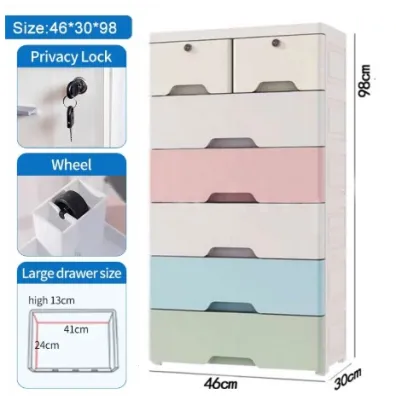

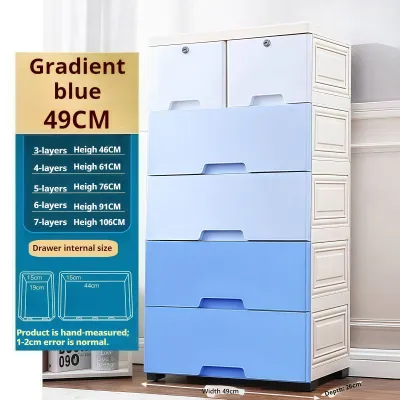
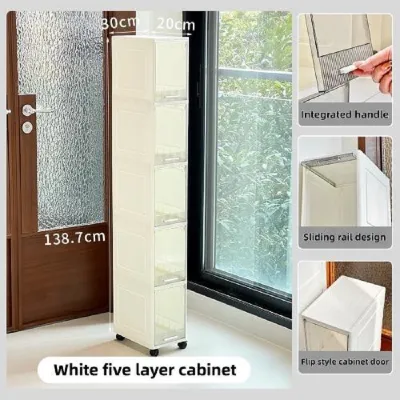
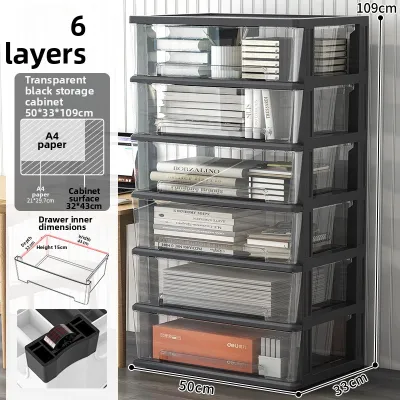
Prices are valid at publication and may change. Please refer to the product page for the latest price.

Next, take inventory of the specific tableware you plan to store, as this dictates the drawer configuration you require. Heavy ceramic dinner plates, stacked bowls, and serving platters need deep, structurally sound drawers, whereas lightweight table linens, placemats, and stainless steel cutlery are better suited for shallower compartments. Grouping your items beforehand helps you determine the exact number of drawers and the internal depth necessary to keep your dining essentials organized.
Finally, do not overlook the delivery and installation pathway. Measure the width of your front door, hallway corridors, and any tight stairwells the cabinet must pass through to reach the dining room. Even if the cabinet arrives as a flat-pack kit for home assembly, ensuring the packaged box or the fully assembled unit can easily navigate these spaces prevents unnecessary frustration during setup.
Evaluating Plastic Quality and Drawer Load Capacity
Tableware is deceptively heavy, meaning you must carefully verify the structural integrity of any plastic cabinet to prevent sagging, jamming, or structural failure. Rather than relying on generic material descriptions, look for manufacturer specifications that explicitly state the maximum load capacity per drawer and for the overall unit. High-density polypropylene (PP) is a standard choice for dining storage because it is rigid, food-safe, and highly resistant to moisture.
Inspect the structural design of the cabinet frame and the drawers themselves. Look for units that feature reinforced ribbing on the underside of each drawer panel, which prevents the plastic from bowing under the weight of heavy ceramic plates. The drawer tracks should be robust; look for reinforced double-track systems or smooth-rolling glides that prevent the drawers from sticking or sagging when fully loaded.
Safety features are equally important when dealing with heavy contents. Ensure the cabinet drawers are equipped with built-in physical stoppers. These stoppers prevent a heavily loaded drawer from sliding completely out of the frame and falling if pulled too quickly, protecting both your fragile tableware and your feet from accidental injury.
Choosing the Right Lock Mechanism for Tableware Security
Lockable drawers provide essential security in a busy household, but the right lock type depends on your daily routine and safety priorities. You will generally choose between a central locking system and individual drawer locks, each offering distinct operational advantages.
- Central Locking Systems: A single key mechanism secures all drawers simultaneously. This is highly convenient if you want to lock up the entire cabinet at the end of the day, though it means losing the key restricts access to all of your stored items at once.
- Individual Drawer Locks: Only specific drawers are fitted with locks, allowing you to secure sensitive items—such as sharp carving knives, matches, or expensive silver heirlooms—while leaving everyday placemats and plastic cups easily accessible to the rest of the family.
When evaluating the lock, inspect the build quality of the lock cylinder and the surrounding plastic housing. The key should turn smoothly without requiring excessive force, which can stress and eventually crack the plastic frame over time. If your primary goal is childproofing, a simple, sturdy key lock or a reliable combination lock integrated into the plastic mold will provide effective protection against curious toddlers.
Design, Aesthetics, and Dust Protection
Because your dining room is a central gathering space, the cabinet should complement your existing interior decor while keeping your tableware pristine. Modern plastic cabinets are available in a wide range of sophisticated finishes, including clean matte neutrals, elegant grays, and realistic wood-grain textures that blend seamlessly with wooden dining tables and contemporary home lighting.
When choosing drawer fronts, consider the balance between visibility and neatness. Opaque drawer fronts completely hide mismatched plates, colorful linens, and general clutter, maintaining a clean and minimalist look in your dining area. Semi-transparent or frosted drawer fronts, on the other hand, allow you to quickly locate specific serving bowls or glassware without having to open every single compartment.
In tropical environments, dust and household pests like ants or cockroaches can easily find their way into loosely sealed storage. To keep your tableware clean and ready for immediate use, look for cabinets designed with tight-fitting drawer panels and seamless joints. A well-sealed cabinet prevents dust accumulation and keeps pests out, saving you from having to rewash your plates and glasses before every meal.
Assembly, Stability, and Safety Checks
Proper assembly and positioning are critical to ensuring the long-term stability and safety of your plastic cabinet. When assembling the unit, follow the manufacturer’s step-by-step instructions precisely. Ensure that every snap-fit joint, locking pin, and screw is fully engaged and tightened; a slightly misaligned frame can cause the drawers to bind or make the entire cabinet wobble.
Because plastic is inherently lightweight, a tall cabinet can become top-heavy when the upper drawers are loaded with heavy ceramic plates and pulled open. To eliminate the risk of tipping, always anchor tall or narrow cabinets to the wall using appropriate mounting hardware. Many manufacturers include wall-anchoring straps or brackets, which are essential for securing the unit in homes with active children or pets.
Maintaining your cabinet is straightforward but requires consistency to preserve the plastic and the lock mechanisms. Clean the exterior and interior surfaces regularly using a soft microfiber cloth and mild, non-abrasive soapy water. Avoid harsh chemical solvents, bleach, or abrasive scrubbing pads, as these can scratch the plastic finish, cloud transparent panels, and degrade the smooth operation of the locks and drawer tracks.
Community discussion
Share your experience or ask a question. Comments are reviewed before publication.