
Finding the perfect balance between Japanese minimalism and Scandinavian functionality—collectively known as Japandi—presents a unique challenge when selecting multi-functional furniture. In the Philippines, where urban living spaces like Metro Manila condominiums demand high spatial efficiency, a sofa bed pull out bed serves as an essential centerpiece that maximizes square footage without sacrificing design integrity. Achieving this aesthetic requires looking beyond basic utility to find pieces that emphasize clean lines, organic textures, and low-profile structures.
The ideal Japandi sleeper sofa must seamlessly transition from a refined, uncluttered seating area by day to a supportive sleeping surface by night. In tropical environments, this decision involves more than just visual appeal; it requires careful evaluation of materials that can withstand high relative humidity while maintaining structural integrity. By focusing on minimalist frame profiles, breathable textiles, and precise spatial planning, you can select a dual-purpose piece that enhances both the visual harmony and the practical comfort of your home.
Identifying Japandi Silhouettes for Your Sofa Bed Pull Out Bed
The core of Japandi design lies in its quiet restraint, blending the rustic warmth of Japanese wabi-sabi with the clean, functional simplicity of Danish hygge. When shopping for a sofa bed pull out bed, your primary goal is to find a piece that conceals its dual-function mechanism within a streamlined, lightweight silhouette. Traditional convertible couches often feature bulky, overstuffed cushions and thick, heavy bases that dominate a room visually. In contrast, a Japandi-aligned piece maintains a low-profile stance, keeping the overall height of the backrest and seat closer to the floor to foster an open, airy atmosphere.
Products mentioned in this guide
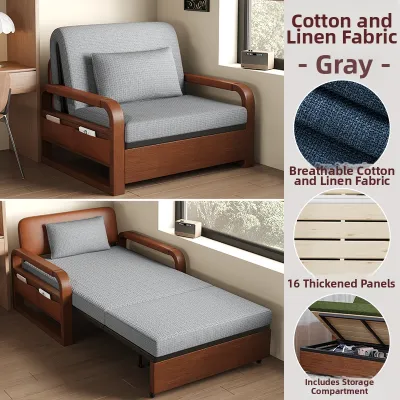
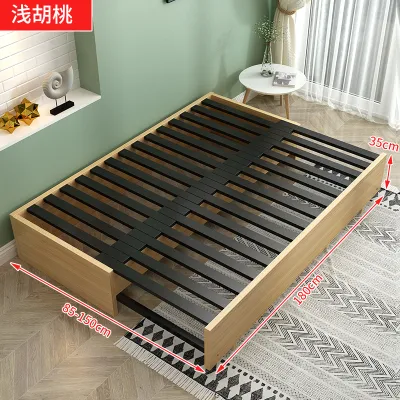
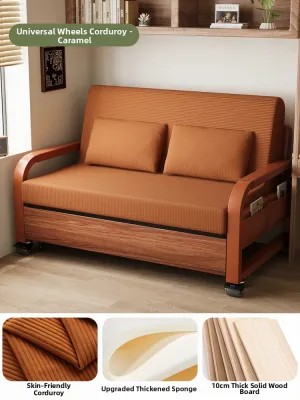

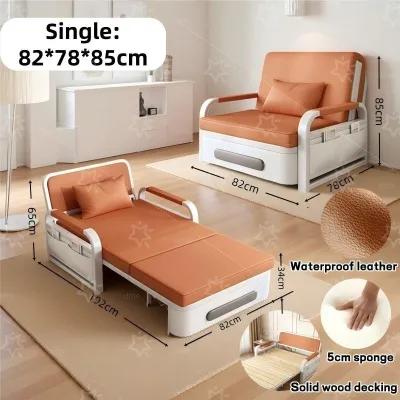

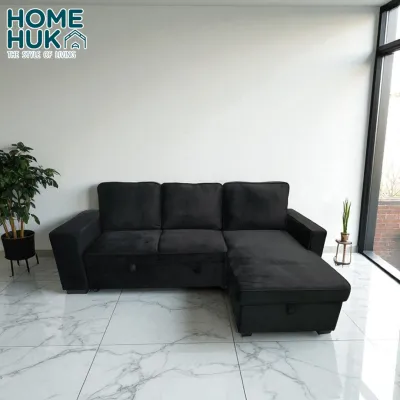
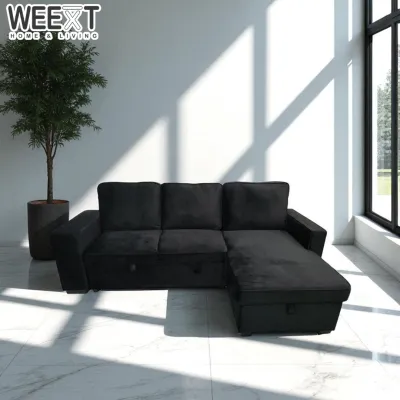
Prices are valid at publication and may change. Please refer to the product page for the latest price.
To achieve this uncluttered look, prioritize frames that feature exposed wooden bases or recessed, slender legs. Recessed legs create a subtle shadow line underneath the furniture, giving the illusion that the entire structure is floating slightly above the floor. This visual lightness is crucial for smaller living rooms, as it allows light to pass underneath the piece, making the floor area appear larger than it is. Avoid heavy, skirted bases or ornate, rolled arms that lean too traditional or Victorian, as these elements contradict the clean geometric lines central to the aesthetic.
Concealing a complex mechanical mattress frame inside a minimalist exterior requires clever engineering. High-quality Japandi designs hide the pull-out tracks and folding joints behind thin, tightly upholstered panels or integrated wooden aprons. When the bed is fully retracted, the sofa should look indistinguishable from a high-end, stationary Scandinavian couch. The arms should be narrow and block-like or gently rounded with a slim profile, ensuring that the functional components do not compromise the clean, unbroken perimeter of the frame.
Furthermore, the overall shape should emphasize horizontal lines rather than vertical volume. Low, wide cushions that stretch across the length of the frame help draw the eye outward, reinforcing the calm, grounded feeling characteristic of traditional Japanese interiors. By selecting a silhouette that balances these clean horizontal planes with delicate, structural supports, you ensure that your multi-functional furniture remains a peaceful, non-intrusive element in your living space.
Selecting Natural Materials for Tropical Living
Choosing the right materials for a tropical climate like the Philippines requires balancing authentic Japandi textures with practical durability. The aesthetic relies heavily on natural wood tones and organic fabrics, but the local climate’s high humidity and seasonal temperature shifts demand careful selection. When evaluating wood elements on a sofa frame, look for light-toned hardwoods such as ash, white oak, or beech, which bring a bright, natural warmth to the room. If your space leans toward a slightly moodier, rustic Japanese feel, matte walnut finishes can also work beautifully, provided they are balanced with lighter textiles.

The finish applied to the wood is just as important as the species itself. High-gloss lacquers and thick, shiny polyurethane coatings reflect light harshly and detract from the organic, tactile quality of Japandi design. Instead, seek out frames treated with matte, low-VOC varnishes or natural oil finishes that protect the wood while preserving its natural grain and texture. Be sure to inspect the joints where the wooden frame meets the upholstery; clean, seamless joinery is a hallmark of quality craftsmanship and ensures the frame can handle the physical stress of daily conversion.
Upholstery selection presents another critical decision point, particularly concerning moisture management. Natural fibers like linen and cotton blends are highly prized in Japandi interiors for their relaxed drape, subtle slubs, and breathable feel. These textures feel cool against the skin, which is highly desirable during hot, humid afternoons. However, natural fibers can absorb ambient moisture from the air if a room lacks consistent airflow. To prevent fiber degradation or mustiness, look for high-quality cotton-linen blends that incorporate synthetic fibers like polyester, which can enhance the fabric’s structural stability and resistance to stretching.
Because fabric performance varies widely based on weave and treatment, never assume a material is naturally suited to high-humidity environments without checking the specifications. Always read the manufacturer’s care labels, fabric composition tags, and cleaning codes before purchasing. Some fabrics are treated with water-resistant or stain-resistant finishes, but these must be verified against the manufacturer’s official documentation. Taking the time to confirm how a fabric handles spot cleaning and professional maintenance will help preserve both the look and the hygiene of your living room centerpiece over years of tropical monsoon seasons.
Measuring Space and Clearance for Pull-Out Mechanisms
A common pitfall when purchasing a convertible sofa is failing to account for the physical space required to operate the mechanical components. To ensure your living room remains functional, you must measure the exact footprint of the furniture in both of its states. Start by mapping out the dimensions of the piece when it is fully closed as a sofa, ensuring it leaves adequate space for side tables, floor lamps, and natural walkways. Next, calculate the total extended depth of the pull-out mechanism when the bed is fully deployed.
This extended measurement is critical because a pull-out bed can easily overwhelm a standard-sized living room, blocking access to balconies, main entryways, or adjacent dining areas. As a general rule, plan for a minimum of 60 to 75 centimeters of walking clearance around the three open sides of the extended bed. This buffer allows guests to get in and out of bed comfortably and ensures that you can still move through the room at night without having to climb over the mattress or squeeze against the walls.
Beyond the living room layout, you must carefully plan the delivery pathway from the street to your apartment or house. Many urban residential buildings in the Philippines feature tight stairwells, compact elevators, and narrow door frames that can block large, heavy furniture pieces. Measure the height, width, and diagonal clearance of every doorway, hallway corner, elevator cabin, and stairwell landing that the delivery team must navigate. Keep in mind that pull-out sofa beds are significantly heavier and less flexible than standard couches due to their internal steel or wooden mechanical frames, making them much harder to tilt or squeeze through tight spots.
When reviewing product specifications, check whether the sofa bed is shipped fully assembled or in flat-packed modules. Modular designs are often highly beneficial for high-rise living, as they allow individual sections—such as the arms, backrest, and mattress frame—to be carried through narrow corridors and assembled directly inside your living room. If the piece arrives fully assembled, compare its packaged carton dimensions against your pathway measurements to avoid a costly and frustrating delivery rejection on arrival day.
Evaluating Comfort and Structural Durability
Balancing the ultra-low, minimalist profile of Japandi design with the physical comfort required for both sitting and sleeping is a delicate task. Traditional pull-out designs often suffer from a noticeable trade-off: to keep the sofa’s seat height low and sleek, manufacturers may use thin, low-density mattresses that offer poor support, allowing sleepers to feel the metal support bars underneath. To avoid this, look closely at the internal construction of both the seat cushions and the pull-out mattress.
For daytime seating, high-density polyurethane foam or pocket-spring cores wrapped in a soft layer of down or fiberfill provide the best balance of structure and comfort. The cushions should feel firm enough to maintain their clean, geometric shape over time, preventing the sagging or slouching that can ruin a minimalist aesthetic. For the sleeping surface, a mattress thickness of at least 10 to 12 centimeters is generally recommended to provide adequate pressure relief for the shoulders and hips. Pocket-coil mattresses or high-resilience memory foam options tend to offer superior support compared to basic open-coil spring systems.
The mechanical hardware of the pull-out system requires equal scrutiny. A high-quality mechanism should operate smoothly with minimal physical exertion, gliding along its tracks without catching, grinding, or producing loud metallic squeaks. Look for frames made from powder-coated steel or reinforced kiln-dried hardwood that resist warping under weight. When the bed is fully extended, pay close attention to the stability of the fold-out support legs; they must sit perfectly flush against the floor and remain rock-solid when weight is applied to the edges of the mattress.
Keep in mind that low-slung furniture inherently positions the sleeping surface closer to the ground than a standard bed. While this low-profile look aligns beautifully with Japanese design principles, it may make getting in and out of bed more difficult for older adults or individuals with limited mobility. If your sofa bed will be used frequently by overnight guests who require easier access, look for hybrid designs that offer a slightly taller seat height while still utilizing clean, unembellished lines to preserve the overall Japandi aesthetic.
Verification Checklist Before You Buy
Purchasing a major furniture piece online or from a physical showroom requires a systematic verification process to protect your investment. Because stylized marketing photos are designed to maximize visual appeal under perfect studio lighting, they can sometimes obscure practical limitations or scale differences. Before committing to a purchase, use this practical checklist to verify all critical details with the seller:
Request Technical Diagrams Ask the retailer for detailed, dimensioned line drawings showing the exact measurements of the sofa, the fully extended bed, and the clearance required for the mechanism to unfold. Do not rely on general product descriptions that only list overall width and depth.
Verify Assembly Requirements Confirm whether the sofa bed requires professional assembly upon delivery or if it can be easily put together with basic household tools. Some heavy pull-out mechanisms must be securely anchored to the main wooden frame, which may require specialized alignment.
Check Wall-Anchoring Needs For certain ultra-slim or top-heavy designs, find out if the manufacturer recommends bolting the frame to the wall to prevent tipping when the bed is pulled out. If this is required, ensure your living room walls are compatible with the necessary mounting hardware.
Review Warranty Coverage Inquire about the specific warranty terms for the mechanical parts, frame, and upholstery. A reputable manufacturer should offer dedicated coverage for the pull-out mechanism itself, as this is the component most subject to mechanical wear and tear.
Confirm Delivery and Handling Fees Because pull-out sofa beds are exceptionally heavy, standard delivery rates may not apply, especially if the delivery team has to carry the item up multiple flights of stairs. Clarify these fees and the scope of the delivery service (such as in-room placement and packaging disposal) before finalizing your order.
Frequently Asked Questions (FAQ)
Is a pull-out sofa bed suitable for everyday sleeping?
While modern pull-out designs have advanced significantly in comfort, most are engineered and optimized for occasional guest use rather than daily sleeping. Continuous, everyday use can accelerate wear on the folding joints, springs, and foam cushions, potentially leading to premature sagging or mechanical misalignment. If you must use a sofa bed as your primary mattress due to space constraints, prioritize heavy-duty commercial-grade mechanisms and high-density pocket-spring mattresses. Always check the manufacturer’s specified weight limits and recommended usage guidelines to ensure the frame is rated for continuous daily operation.
How do I maintain linen upholstery in a humid climate?
Maintaining natural linen or cotton-blend fabrics in a humid tropical climate requires a consistent, low-risk care routine to prevent moisture buildup and fabric wear. Vacuum the upholstery at least once a week using a soft brush attachment to remove dust, skin cells, and pet dander, which can trap moisture and encourage mold growth. Ensure your living room is well-ventilated by utilizing ceiling fans, air conditioning, or dehumidifiers during the rainy season to keep indoor humidity levels stable. For spills, immediately blot the area with a clean, dry microfiber cloth, and strictly follow the manufacturer’s cleaning codes for spot treatment, avoiding harsh chemical detergents that can weaken natural fibers.
Community discussion
Share your experience or ask a question. Comments are reviewed before publication.