
Fitting a queen-sized bed into a compact bedroom—such as a typical high-rise condo in Metro Manila—requires a careful balance of comfort and visual space. A queen bed-in-a-bag set offers a convenient, coordinated styling solution, but choosing the wrong colors, heavy fabrics, or oversized patterns can quickly make your sleeping sanctuary feel cramped and claustrophobic. By selecting a set with light-reflective tones, streamlined profiles, and scale-appropriate designs, you can visually expand your room’s boundaries while enjoying the luxury of a larger mattress.
Assessing Your Small Bedroom's Layout and Lighting
Before purchasing any bedding set, observe how natural and artificial light moves through your room during the day. Small bedrooms with limited window exposure or those facing inner building courtyards often suffer from dim corners, making heavy or dark bedding feel like a visual black hole. If your room lacks abundant natural light, prioritize bedding materials and colors that maximize light bounce rather than absorbing it.
Take note of your room’s fixed architectural features, such as built-in wardrobes, low ceilings, or prominent window frames. A queen-sized bed frame already occupies a significant portion of a small room’s footprint, so its visual weight must be carefully managed against these existing structures. If your wardrobe doors swing outward or your bed sits close to a structural column, bulky bedding can physically and visually obstruct these areas.
Products mentioned in this guide
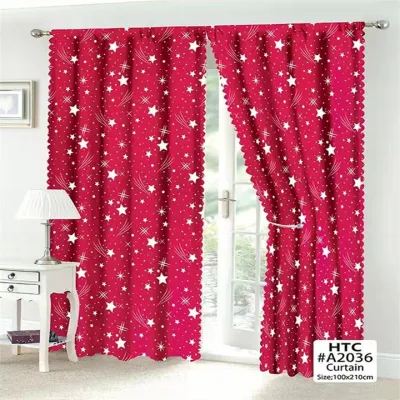
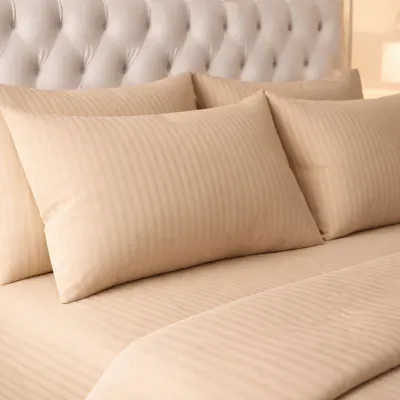
Prices are valid at publication and may change. Please refer to the product page for the latest price.
Measure the clear floor space around your bed frame to ensure comfortable traffic flow. A standard queen mattress measures 60 inches by 80 inches (approximately 152 cm by 203 cm), which leaves limited clearance in a compact room. Ensuring at least 60 to 70 centimeters of walking space on either side of the bed prevents the room from feeling choked, and your bedding choices should respect these tight physical boundaries.
Additionally, consider the height of your bed frame in relation to the windows and electrical outlets. A bed that sits too high can block natural light sources, while a low-profile frame paired with a streamlined bedding set can keep the window line clear, allowing more light to flood the space and enhance the feeling of openness.
Choosing Colors and Patterns That Create Visual Depth
Color is one of the most powerful tools for altering spatial perception in a compact bedroom. Light, cool tones—such as soft sky blues, pale seafoam, light grays, and classic whites—naturally appear to recede from the eye, making walls and furniture feel further away than they actually are. Alternatively, a monochromatic color scheme that closely matches your bedroom walls helps blur the physical boundaries of the bed, creating a seamless transition that tricks the brain into perceiving a larger area.

When evaluating patterns within a bed-in-a-bag set, scale is critical. Oversized floral prints, bold geometric blocks, or wide horizontal stripes can easily overwhelm a compact queen bed, drawing too much attention to the center of the room and highlighting its limited size. Instead, opt for micro-patterns, delicate pinstripes, or subtle textures like seersucker or jacquard, which add visual interest without dominating the limited space.
If you prefer dark accents, they do not have to be entirely avoided, but they must be balanced strategically. A dark navy or charcoal accent line on a pillow sham or a thin border on a comforter can ground the design without shrinking the room. The key is to ensure these darker elements act as subtle frames or focal points rather than covering the entire surface of the bed.
Texture can also create depth without adding visual weight. A solid-colored comforter with a light, waffle-weave texture or subtle pintucks catches the light differently throughout the day, adding dimension and sophistication to the bed without the need for busy, space-shrinking patterns.
Evaluating Bedding Proportions and Component Dimensions
The physical dimensions of the individual pieces in your bed-in-a-bag set can dramatically affect the room’s vertical and horizontal lines. For instance, a traditional bed skirt with a long drop can make a bed look blocky and heavy, cutting off the open space beneath the frame. If you use a bed skirt, ensure it is tailored and matches the wall color, or skip it entirely to keep the floor area beneath the bed frame visible, which instantly creates an illusion of openness.
Pillow shams and decorative cushions included in these comprehensive sets can quickly clutter a small headboard area. While a standard queen set often includes multiple shams, piling too many pillows against the wall reduces the visible length of the bed and makes the headboard look top-heavy. Limit your display to two standard pillows and perhaps one small accent cushion to keep the headboard area clean and streamlined.
In tropical climates like the Philippines, where humidity is high and air conditioning is frequently used, the thickness and profile of your comforter are especially important. A thick, overstuffed down-alternative comforter not only traps excessive heat but also creates a bulky, dominating presence in a small room. Look for sets featuring lightweight, low-profile comforters or coverlets that drape neatly over the mattress edges without billowing outward.
Check the finished dimensions of the comforter before buying to ensure it does not pool on the floor. A comforter that is too wide will drag, creating physical tripping hazards and a messy, crowded look. A clean, tailored drape that ends just below the mattress line keeps the floor clear and maintains a tidy, spacious aesthetic.
Coordinating the Bedding With Your Existing Furniture
To maintain a cohesive and spacious environment, coordinate your new bedding with your existing furniture finishes. If you have a light wood or white-painted bed frame, pairing it with high-contrast, dark bedding can break up the visual flow and make the bed look like an obstacle. Matching the undertones of your bedding to your wardrobe, bedside tables, or wall paint establishes a continuous visual path, allowing the eye to glide smoothly across the room.
Consider how your bedding interacts with multi-functional furniture placements common in compact layouts. For example, if your queen bed features built-in under-bed storage drawers, a long, draping comforter will constantly get caught in the tracks or block access. Choosing a set with a slightly shorter drop or tucking the comforter neatly into the frame ensures your storage remains fully functional and visually tidy.
Finally, plan for the storage and rotation of any extra components included in the set that you do not use daily. Small bedrooms rarely have spare closet space, so storing bulky seasonal blankets or extra decorative shams can be a challenge. Keep only the essential, breathable layers on the bed, and store any unused pieces in vacuum-sealed bags under the bed or on top of your wardrobe to keep your living space completely clutter-free.
If your room features a large mirror—a common trick to expand small spaces—be mindful of what the mirror reflects. Positioning your bed so that the mirror reflects a clean, light-colored bedding set will double the sense of brightness and space, whereas reflecting a cluttered, dark, or heavily patterned bed will only double the visual noise.
Frequently Asked Questions (FAQ)
Can I use a dark-colored bed-in-a-bag set in a small bedroom?
Yes, you can use dark colors, provided you balance them with high-contrast surroundings and excellent lighting. If your bedroom walls are painted a crisp white or light cream, a dark navy or charcoal bedding set can act as a sophisticated grounding element. To prevent the dark bedding from making the room feel like a cave, ensure the room receives plenty of natural light during the day and use warm, layered artificial lighting at night to keep the corners bright.
Should I use all the pieces included in a queen bed-in-a-bag set?
You do not need to use every piece included in the set. Bed-in-a-bag packages often come with extra decorative pillows, neckrolls, and heavy bed skirts that can easily overcrowd a small queen bed. To maintain a spacious and minimalist aesthetic, edit the set down to the essentials—such as the fitted sheet, flat sheet, two standard pillowcases, and the main comforter—and store or donate the excess decorative items.

Community discussion
Share your experience or ask a question. Comments are reviewed before publication.