
Choosing a ratan cabinet for clothes is a fantastic way to bring a light, organic, and tropical aesthetic into your bedroom. However, because clothing storage demands high durability and fabric protection, you cannot select a cabinet based on exterior looks alone. A great wardrobe must balance structural stability, smooth interior finishes that won’t snag delicate fabrics, and a smart ventilation-to-dust-protection ratio. By evaluating the frame construction, the type of rattan weave, and the internal organization system, you can find a piece that is both highly functional and visually stunning.
Define Your Storage Needs and Space Limitations
Before comparing different cabinet designs, you must diagnose your specific clothing storage requirements and the physical constraints of your room. Start by identifying the primary types of garments you need to store. If your wardrobe consists of long dresses, linen trousers, or formal wear, you will need a configuration dominated by hanging space. Conversely, if you primarily store folded t-shirts, knitwear, or activewear, a cabinet with multiple shelves and deep drawers will be more practical.
Next, measure your available floor space with absolute precision. Do not just measure the footprint of the cabinet; you must also account for the clearance required for doors to swing fully open and drawers to extend without hitting your bed, nightstands, or other furniture.
Products mentioned in this guide
![[ONHAND] [NEW] 2525 BAMBOO RATTAN DUAL CABINET /DUAL CABINET /RATTAN DESIGN/DAMITAN/STORAGE](https://img.lazcdn.com/g/p/a9ae1a8aef94d9d69b8393bda9c9283d.jpg_400x400q80.jpg_.webp)
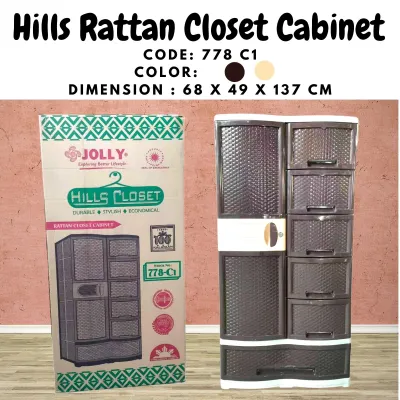

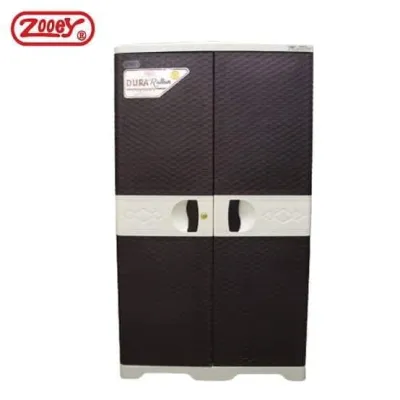
![[ FREE 2DOZEN BLACK HANGER ] [ SALE ] [ NEW ] 9000 R2 SANYOBOX GALAXY RATTAN CABINET / SANYO GALAXY RATTAN CABINET / GALAXY RATTAN DRAWER / RATTAN DRAWER #cabinet #drawer #sanyodrawer](https://img.lazcdn.com/g/p/d5208bbc6ca882e3c1d58cf0febd4ba6.png_400x400q80.png_.webp)
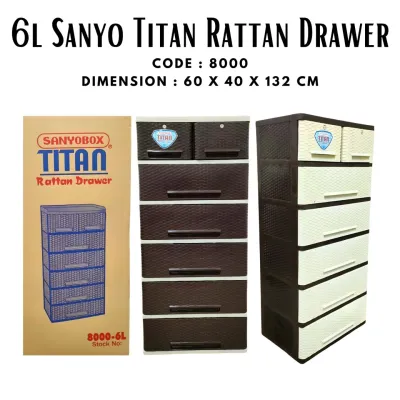
Prices are valid at publication and may change. Please refer to the product page for the latest price.
Equally important is verifying the delivery pathway. Because rattan cabinets often feature fully assembled woven panels and frames, they can be bulky and difficult to maneuver. Measure your doorway clearances, hallway widths, stairwells, and, if you live in a condominium, the dimensions of the elevator.
Finally, estimate the expected load weight. A wardrobe filled with heavy denim, winter coats, or bulky bedding requires a significantly stronger frame and sturdier shelf supports than one used solely for light summer linens. Understanding these baseline requirements will prevent you from purchasing a cabinet that bows or sags under the weight of your wardrobe.
Choose Between Natural and Synthetic Rattan Weaves
Rattan cabinets generally fall into two categories: natural rattan harvested from climbing palms, and synthetic alternatives made from polymers like polyethylene (PE) or polyvinyl chloride (PVC). Each material interacts differently with humidity, dust, and delicate fabrics.

Natural Rattan
Natural rattan peel and core offer a classic, warm aesthetic and exceptional breathability. The organic variations in color and texture bring a unique charm to any bedroom. Because natural rattan is highly breathable, it allows air to circulate freely through your clothes, which is incredibly beneficial in preventing musty odors.
However, natural fibers require careful inspection. Always check for smooth, sanded finishes and sealed edges. Unfinished natural rattan can have tiny, sharp fibers or split ends that will easily snag delicate fabrics like silk, lace, or fine knits.
Additionally, natural rattan is sensitive to moisture. You should evaluate its moisture resistance based strictly on the manufacturer’s surface treatment and care instructions. In highly humid tropical climates, natural rattan requires stable indoor humidity and should be kept away from damp walls or open windows where rain might drift in, as prolonged dampness can encourage mold growth.
Synthetic Rattan (PE or PVC)
Synthetic weaves, particularly high-quality polyethylene (PE) rattan, offer excellent moisture tolerance and structural consistency. Unlike natural fibers, PE rattan is completely waterproof and highly resistant to mold and mildew, making it an incredibly practical choice for homes with fluctuating humidity or rooms near windows.
When evaluating synthetic options, verify the texture and the tightness of the weave. High-quality synthetic rattan mimics the natural look beautifully without any rough, molded plastic edges that could damage your clothes.
If your cabinet will be placed in a spot that receives direct, intense sunlight, remember to check the product label for UV resistance. Unprotected synthetic materials can fade, warp, or become brittle over time when exposed to constant solar radiation.
Evaluating a Ratan Cabinet for Clothes: Internal Layout and Organization
While the exterior weave of a ratan cabinet for clothes defines its tropical aesthetic, the internal framework determines its daily utility. A beautiful cabinet is only as good as its capacity to keep your wardrobe organized and protected.
Hanging Rails and Adjustable Shelving
Begin your interior inspection by checking the hanging rail. Examine its material, diameter, and weight capacity. A high-quality wardrobe should feature a rail made of solid wood or reinforced metal rather than thin, hollow tubes that can bow or collapse under a full load of garments.
Next, look for adjustable shelf pins and pre-drilled holes along the interior walls. This feature allows you to customize the height of your shelves to accommodate different items, such as tall storage boxes, folded sweaters, or handbags.
Finally, verify the internal depth of the cabinet. Standard clothing hangers require an internal depth of at least 50 to 55 centimeters. If the cabinet is too shallow, your hangers will sit at an angle, causing your clothes to press against the doors, which can lead to wrinkles and damage to the woven panels.
Drawers and Base Compartments
The lower sections of the cabinet are essential for storing folded items, undergarments, and accessories. Inspect the drawer glide mechanisms carefully. Metal ball-bearing slides offer smooth, effortless operation even when the drawers are fully loaded. Traditional wooden runners, while visually appealing, can swell and stick during the humid rainy season, making them frustrating to open and close.
Additionally, check for dust-proof drawer bottoms and secure joinery, such as sturdy dowels or dovetail joints. The interior surfaces of the drawers must be sanded perfectly smooth to prevent splinters from catching on delicate fabrics.
Finally, evaluate the base compartments. Ensure they offer adequate clearance and structural support for heavier, bulky items like luggage, seasonal storage boxes, or extra linens.
Verify Dust Protection, Ventilation, and Structural Stability
One of the biggest design challenges of a rattan cabinet is balancing breathability with cleanliness. While the open weave of rattan is excellent for promoting airflow and preventing musty odors in humid climates, it also creates pathways for dust, lint, and small insects to enter. To mitigate this, look for cabinets that incorporate smart dust-protection features. High-quality designs often feature a solid wood back panel, tightly woven inner screens, or fabric liners (such as cotton or linen) mounted behind the rattan webbing. These liners allow air to circulate while acting as an effective barrier against airborne dust. Overlapping door lips and magnetic catch closures are also excellent features that help seal the cabinet doors tightly when closed.
Beyond dust protection, you must assess the cabinet’s structural integrity. Rattan panels are lightweight, which means the main frame must carry the structural load. Look for frames constructed from solid hardwoods (such as mahogany, teak, or gmelina) or high-density engineered wood. Inspect the joints to ensure they are secured with sturdy dowels, mortise-and-tenon joints, or heavy-duty screws rather than simple staples or cheap cam locks.
Finally, verify the cabinet’s overall stability. Tall wardrobes have a higher center of gravity and can become top-heavy when loaded with hanging clothes. Check if the unit includes anti-tip hardware and clear instructions for wall anchoring. Securing the cabinet to the wall is an essential safety step, especially in households with children or pets, to prevent tipping hazards.
Pre-Purchase Inspection and Long-Term Care Expectations
When you are ready to make a purchase, a thorough physical inspection is crucial to ensure you are getting a high-quality piece. Start by testing the weave tension. Press gently on the rattan panels; they should feel taut, firm, and springy. Any loose strands, sagging areas, or visible gaps indicate poor weaving technique and will likely degrade further with daily use.
Next, run your hand carefully along all interior edges, corners, and drawer frames. Feel for any protruding staples, sharp cane ends, or rough wooden splinters that could catch on your garments.
It is also important to align your expectations with the required long-term maintenance. Review the manufacturer’s care instructions before buying. Natural rattan thrives with simple, regular maintenance, such as light dusting with a soft brush or a quick wipe-down with a microfiber cloth. In highly humid environments, you may want to place moisture-absorbing sachets or silica gel packs inside the cabinet to protect your clothes from dampness.
Lastly, understand the warranty coverage. A high-quality cabinet represents a significant investment of several thousand pesos (₱), so make sure you clarify what the warranty covers. Typically, warranties cover structural defects in the frame and hardware, while normal wear and tear, fading, or minor stretching of the woven rattan panels over time may be excluded.
Frequently Asked Questions (FAQ)
Here is a quick reference guide to help you address common environmental and maintenance concerns when using a rattan wardrobe.
Can I place a natural rattan wardrobe in an air-conditioned room?
Yes, air-conditioned rooms are generally safe for natural rattan wardrobes. In fact, air conditioning helps regulate indoor humidity, which can protect the wood from mold and mildew during the rainy season. However, you must avoid placing the cabinet directly in the path of cold air vents. The continuous blast of dry, cold air can dry out the natural fibers excessively, causing the rattan to shrink, become brittle, or even crack over time. Position the cabinet away from direct drafts to maintain the wood’s natural moisture balance.
How do I clean the inside of a rattan cabinet without damaging my clothes?
To clean the interior safely, first remove all clothing from the cabinet. Use a vacuum cleaner equipped with a soft brush attachment to gently remove dust and lint from the woven crevices and corners. Next, wipe down the hard interior shelves and wooden surfaces with a microfiber cloth that is only slightly damp with clean water. Avoid using harsh chemical sprays or soaking the rattan, as excess moisture can warp the wood or trap dampness inside. Allow the cabinet to dry completely with the doors wide open before returning your garments.
Community discussion
Share your experience or ask a question. Comments are reviewed before publication.