
Finding the perfect bedside companion in the Philippines means balancing tropical aesthetics with modern convenience. A rattan side table brings natural warmth, organic textures, and a relaxed, coastal vibe to your bedroom. However, as our daily lives become increasingly digital, a simple table is often no longer enough. Integrating built-in charging ports and smart storage solutions turns a traditional piece of furniture into a highly functional hub for your nighttime routine.
Selecting the right rattan side table requires looking beyond surface-level looks. Because these pieces combine natural fibers with electrical components, you must carefully evaluate structural integrity, electrical safety, and spatial compatibility. This comprehensive guide outlines the essential factors to consider, helping you choose a durable, safe, and beautiful side table that perfectly fits your bedroom layout and charging needs.
Defining Your Bedroom Space and Size Requirements
Before browsing online marketplaces or local furniture showrooms, you must establish the physical boundaries of your bedside area. The height of your side table is the most critical dimension for daily comfort. Ideally, the tabletop should sit level with or up to five centimeters below the top of your mattress. This alignment allows you to reach for a phone, a glass of water, or a bedside lamp naturally without straining your shoulder or bending awkwardly from a lying position.
Products mentioned in this guide
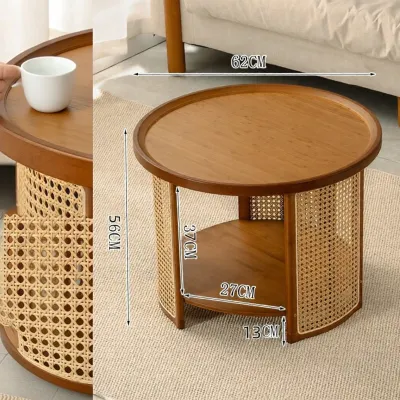
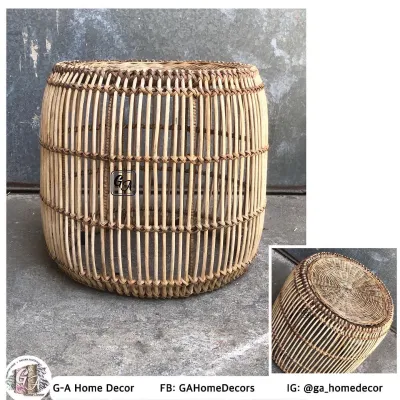




Prices are valid at publication and may change. Please refer to the product page for the latest price.
Next, measure the available floor space while keeping walkway clearances in mind. A cramped bedroom can quickly become frustrating if your bedside table blocks natural foot traffic. Ensure there is at least 50 to 60 centimeters of open space between the edge of the table and any adjacent walls or larger furniture pieces. If your bedroom features a wardrobe with swinging doors or under-bed storage drawers, map out their complete opening paths to prevent costly physical obstructions.
Do not forget to account for the depth of the table in relation to your headboard. A table that is too deep can make it difficult to get in and out of bed, especially in compact urban condominiums. Take precise measurements of your bed frame’s offset from the wall, and compare these dimensions against the manufacturer’s product specifications. Additionally, verify that the table will not completely cover or block access to your primary wall outlets, which you will need to plug in the table’s integrated charging hub.
Finally, consider the delivery and assembly path within your home. Measure the width of your doorways, hallway turns, and elevator doors if you live in a multi-story building. While many rattan side tables arrive fully assembled due to their hand-woven construction, some models with integrated electronics require minor assembly. Ensuring the packaged box can safely navigate your home’s entry points prevents unexpected delivery headaches.
Evaluating Rattan Construction and Material Quality
When shopping for a rattan side table, you will encounter both natural rattan and synthetic alternatives. Natural rattan, harvested from climbing palms native to tropical climates, is celebrated for its unique color variations, lightweight strength, and authentic texture. Synthetic rattan, typically made from high-density polyethylene (HDPE), is highly resistant to moisture and wear but lacks the organic feel of the real material. Carefully check the product description and manufacturer specifications to confirm which material is used, as this dictates both the care routine and the overall aesthetic.

Because rattan is a flexible material, the strength of the side table depends heavily on its internal frame. High-quality pieces feature solid wood frames, such as mahogany, gmelina, or sturdy mindi wood, which provide a rigid foundation. Alternatively, some modern designs utilize powder-coated metal frames wrapped in rattan fibers. Avoid tables that rely entirely on thin rattan poles or low-grade particle board for structural support, as these can warp or wobble over time under the weight of books, lamps, and charging devices.
Inspect the quality of the weave and the surface finish before making a final decision. Run your hands gently over the woven panels—such as the classic Filipino solihiya pattern—to check for loose fiber ends, sharp splinters, or uneven tension. A well-crafted table will have a consistent, tight weave with no visible gaps where dust can easily settle. Furthermore, ensure the rattan has been treated with a protective clear lacquer or polyurethane topcoat, which seals the porous fibers against minor spills and daily wear.
Pay close attention to the joints and connection points of the table. High-quality rattan furniture uses neat, tight bindings or hidden screws to secure the frame segments. If the table features wooden legs, check that they are level and equipped with floor protectors to prevent scratching your bedroom tiles or wooden planks. A stable, well-constructed frame ensures that your electronic devices remain safe and secure on the tabletop.
Navigating Built-In Charging Ports and Electrical Safety
Integrating electrical components into wooden and woven furniture requires strict attention to safety standards. When evaluating a side table with built-in charging ports, look for local safety certifications such as the Philippine National Standard (PNS) mark or an Import Commodity Clearance (ICC) sticker on the power strip module. If the product is sourced internationally, verify that the electrical components carry recognized global safety certifications like UL, CE, or FCC, ensuring the module has undergone rigorous testing for fire and shock hazards.
Examine the configuration of the charging panel to match your personal device ecosystem. A versatile bedside table should offer a mix of standard AC power outlets for traditional lamps or alarm clocks, alongside dedicated USB ports. Look for a combination of USB Type-A and USB Type-C ports to accommodate both older accessories and modern fast-charging smartphones or tablets. Check the manufacturer’s specifications for the total wattage output of the USB ports; a higher output ensures your devices charge efficiently overnight.
Cable routing is another essential factor for both safety and visual neatness. Observe how the main power cord exits the side table. The cord should emerge from the lower back or bottom of the piece, allowing you to route it directly to the wall outlet without creating a visible mess or a dangerous tripping hazard. Avoid designs where the main power cable exits from the side or top, as this can pull the table off-balance or clutter your bedside space.
Consider the physical placement of the charging ports on the table itself. Ports mounted flush on the top surface offer quick access but can expose the electrical outlets to accidental liquid spills from a bedside glass of water. Recessed charging compartments, side-mounted power strips, or ports tucked neatly inside an open shelf provide a safer, more discreet alternative. This placement keeps your cables organized and prevents your tabletop from looking like an office desk.
Comparing Storage Layouts for Bedside Essentials
Your nightly routine should dictate the storage configuration of your rattan side table. If you prefer a minimalist look, a table with a single drawer and an open lower shelf allows you to display decorative items while keeping personal essentials tucked away. For those who keep a variety of items close at hand—such as books, journals, sleep masks, and medication—a multi-drawer cabinet design or a table with deep cubby spaces is highly beneficial.
If the side table features drawers, inspect the glide mechanisms and hardware quality. In the humid Philippine climate, solid wood drawers without proper glides can swell and stick during the rainy season. Look for tables equipped with smooth metal drawer slides or well-fitted wooden runners that operate effortlessly. The drawer handles or pulls should be securely attached and comfortable to grip, complementing the overall tropical design of the piece.
Do not overlook the weight capacity of the tabletop and individual storage compartments. Woven rattan surfaces can sag over time if subjected to concentrated, heavy loads. Check the manufacturer’s guidelines to ensure the tabletop can safely support your bedside lamp, charging devices, and personal items. If you plan to place heavier items on the table, look for designs that feature a solid wood or tempered glass top over the rattan weave to distribute weight evenly.
Consider how the storage layout interacts with the built-in charging ports. Some advanced designs feature a dedicated “charging drawer” with a cable pass-through at the back. This layout allows you to charge your phone, tablet, or smartwatch completely out of sight, reducing blue-light distractions during the night and keeping your bedroom environment peaceful and clutter-free.
Routine Care and Environment Placement
To preserve the natural beauty and structural integrity of your rattan side table, proper placement and routine maintenance are essential. Woven rattan features numerous small crevices where dust, pet dander, and lint can accumulate. Use a soft-bristled brush, a feather duster, or a vacuum cleaner with a soft brush attachment once a week to gently clear out these hard-to-reach areas. Avoid using stiff wire brushes or abrasive scrubbing pads, which can scratch the protective finish.
Environmental factors play a massive role in the lifespan of natural rattan. Avoid placing your side table in direct path of intense afternoon sunlight streaming through your bedroom windows, as prolonged UV exposure can dry out the natural fibers, causing them to become brittle and fade. Similarly, position the table away from the direct blast of active air conditioning units. Rapid shifts between cool, dry air and warm, humid air can cause the wood frame to expand and contract, potentially loosening the woven joints.
Always consult the manufacturer’s care label for specific cleaning restrictions and moisture warnings. When cleaning is necessary, use a slightly damp microfiber cloth with a mild, diluted soapy water solution, ensuring you wipe down the surface gently. Never saturate the rattan with water, and always dry the piece thoroughly with a clean towel or allow it to air dry in a well-ventilated room. Keeping moisture away from both the natural fibers and the integrated electrical components is paramount for safety and durability.
Finally, protect the tabletop from moisture rings and heat damage by using coasters under cold water glasses or warm mugs. If you notice any loose fiber strands over time, avoid pulling them, as this can unravel the weave. Instead, carefully tuck the loose end back into the pattern or secure it with a tiny drop of clear wood glue, following the manufacturer’s recommended maintenance guidelines to keep your bedside table looking pristine for years to come.
Frequently Asked Questions (FAQ)
How do I manage cables if the charging ports are located at the back?
Managing cables on a bedside table with rear-facing ports requires a systematic approach to keep your sleeping area tidy. Start by using adhesive cable clips or silicone organizers along the back legs or underside of the table frame to guide the wires neatly toward the floor. This prevents cords from dangling loosely or tangling behind the furniture.
If your table features an open back or a woven pattern, you can route thin charging cables through existing gaps in the weave, provided doing so does not pinch the cord or strain the rattan fibers. Always ensure that your charging cables have sufficient slack. If a cable is pulled too tight, it can strain the port connection or cause the wire to pinch when you open and close the bedside drawers.
Is natural rattan suitable for bedrooms with high humidity?
Natural rattan can be used in humid environments, but it requires careful monitoring and proper room ventilation. Before placing the table in your bedroom, check the manufacturer’s specifications for humidity limits and indoor use guidelines. High humidity can trap moisture within the dense woven fibers, creating an environment where mold or mildew can develop if the air remains stagnant.
To mitigate moisture issues, ensure your bedroom has consistent airflow by utilizing ceiling fans, open windows, or a dehumidifier during the rainy season. Regularly inspect the underside of the table and the inner corners of the drawers for early signs of mold, warping, or fiber softening. If you detect any dampness or mildew, move the table to a dry, well-ventilated area immediately, clean it according to the manufacturer’s instructions, and ensure it is completely dry before returning it to use.

Community discussion
Share your experience or ask a question. Comments are reviewed before publication.