
Selecting a table top replacement is a practical and cost-effective way to refresh your home office setup without purchasing an entirely new desk frame. In the Philippines, where the work-from-home (WFH) lifestyle has become permanent for many professionals, desks face unique environmental challenges, including high tropical humidity and daily wear. Choosing the correct replacement surface is not merely a matter of finding an attractive piece of wood or laminate; it requires precise physical compatibility with your existing support structure. The successful integration of a new top depends entirely on matching the physical mechanism, footprint, and load capacity of your specific standing, foldable, or L-shaped desk frame.
Quick Guide: Matching Your Desk Frame to the Right Table Top
Before browsing online marketplaces or local furniture workshops, you must establish the operational parameters of your current desk frame. A misaligned or overly heavy surface can strain motorized components, cause foldable brackets to fail, or result in unstable, sagging corners on L-shaped setups.
Choose a standing desk top if your frame is motorized or utilizes a manual hand crank. For these adjustable-height systems, you must prioritize the frame’s specific thickness limits and look for pre-drilled inserts or secure mounting zones. This prevents motor strain and ensures the lifting mechanism operates smoothly without binding or tilting.
Products mentioned in this guide
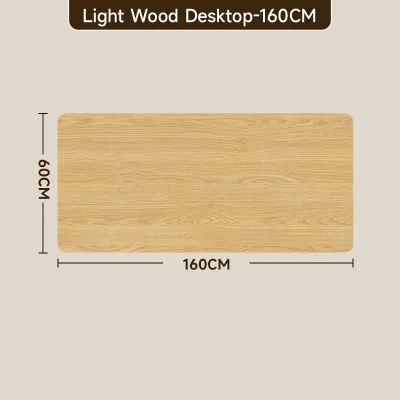


![TOP BOARD - DINING TABLE TOP BOARD COMPUTER/STUDY TABLE TOP BOARD (NO LEGS) [PLAIN BLACK]](https://img.lazcdn.com/g/p/d9071a58c6d1cfae64db67e36ce9cade.png_400x400q80.png_.webp)

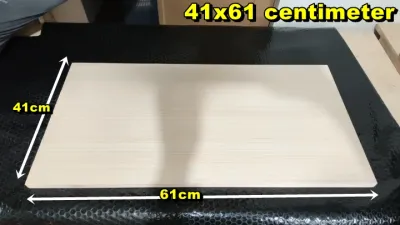
Prices are valid at publication and may change. Please refer to the product page for the latest price.
Choose a foldable desk top if you are using wall-mounted brackets or collapsible scissor hinges. For these space-saving configurations, you must prioritize lightweight materials and precise edge clearances. A top that is too heavy will overwhelm the locking hinges, while a top that is too thick may prevent the desk from folding flat against the wall or within its designated recess.
Choose an L-shaped top if you have a corner frame with a multi-leg layout. For these expansive workspaces, you must prioritize exact intersecting angles and multi-point leg support. This ensures the weight is distributed evenly across the entire frame, preventing structural torsion or sagging at the joint where the two wings meet.
The absolute core action before purchasing is to identify your exact frame model, consult its original manual if available, and physically measure the mounting points on your current setup. Selecting a top based on aesthetics alone can lead to mechanical failure or safety hazards.
Dimension and Shape Compatibility for Each Desk Type
Standing Desk Frames
Underneath almost every height-adjustable desk sits a metal frame, often featuring a telescopic crossbar that can expand or contract to accommodate different table top sizes. To select a compatible table top replacement, you must first measure the frame’s minimum and maximum telescopic width range. If you mount a top that is narrower than the frame’s minimum setting, the metal brackets will protrude from the sides, creating an unsightly and hazardous edge. Conversely, if the top is significantly wider than the frame’s maximum extension, the unsleeved overhang will lack structural support, leading to bowing or severe instability when you rest your arms on the edges.

Depth is another critical dimension that directly affects user safety. You must measure the length of the side brackets that directly support the table top from front to back. If the replacement top is too deep, the front or back overhang will exceed safe limits. When the desk is raised to its maximum standing height, this excessive overhang shifts the center of gravity, making the entire desk prone to tipping forward or backward under the weight of your monitors and computer equipment. As a general rule, ensure the front and back overhang does not exceed 10 to 15 centimeters beyond the supporting side brackets.
Finally, you must check the clearance between the frame’s central crossbars and your seating area. Some standing desk frames feature thick dual-motor housings or structural crossbeams that sit close to the underside of the table top. Ensure that the thickness of your new top, combined with these under-frame components, still leaves comfortable legroom when you are seated in your ergonomic office chair.
Foldable and Wall-Mounted Desks
Foldable and wall-mounted desks operate within strict spatial tolerances because they are designed to transition between active use and compact storage. When selecting a table top replacement for a collapsible desk, you must measure the exact length and width of the existing surface to ensure the folding mechanism clears nearby obstructions. If the replacement top is even slightly wider than the original, it may strike the wall, adjacent cabinets, or the floor when folded down, preventing the mechanism from locking securely into its closed position.
The edge profiles and corner radii of a foldable top require careful consideration. Standard square edges with sharp 90-degree corners can easily snag on clothing, cables, or skin during the folding and unfolding action. Opting for a replacement top with rounded corners (a gentle radius) or beveled edges reduces the risk of painful bumps and scrapes in tight spaces, which is especially important in compact Manila apartments or shared home offices.
Do not overlook the folded thickness of the assembly. Wall-mounted desks often fold into a shallow frame or sit flush against a wall behind a door. If you replace a slim 15mm engineered wood top with a chunky 30mm solid wood slab, the extra thickness might prevent the desk from folding flat, leaving it protruding into your walking path and putting constant outward leverage on the wall anchors. Always measure the clearance of the mounting brackets in their fully collapsed state before finalizing your purchase.
L-Shaped and Corner Desks
The geometry of an L-shaped desk is significantly more complex than a standard rectangular workspace because it involves two distinct intersecting planes. To ensure a perfect fit, you must measure both wings of the frame, paying close attention to the inner and outer corner angles. While most corner desks use a standard 90-degree angle, some ergonomic frames feature curved inner corners or slightly flared wings. Measuring the depth of both the primary wing and the return wing is crucial, as they are often different sizes to accommodate a computer monitor on one side and paperwork on the other.
When purchasing a table top replacement, you must decide whether to use a single solid custom-cut piece or two standard rectangular tops joined at a seam. A single-piece L-shaped top offers a seamless, premium look and eliminates the risk of uneven surfaces, but it is incredibly difficult to transport, navigate through narrow stairwells, or fit into standard residential elevators. Using two separate rectangular pieces joined with mending plates is much easier to ship and install, but it requires highly precise alignment to ensure the seam remains flush and smooth.
Lastly, examine the leg placement across both wings of your L-shaped frame. The replacement top must feature adequate support overhang at the outer edges, but it must not extend so far past the legs that the corners become weak points. If you place heavy office equipment, such as a printer or a multi-monitor mount, on an unsupported corner overhang, the top may warp or cause the frame to twist over time.
Mounting and Hardware Requirements for Secure Attachment
Motorized and Manual Standing Desks
The constant movement and vibration of a height-adjustable desk place unique mechanical stresses on the connection between the frame and the table top. When installing a table top replacement, you must choose between direct wood screws or threaded metal inserts. Direct wood screws are common and easy to install, but they are generally designed for one-time assembly. If you ever need to disassemble the desk for relocation, pulling the screws out of MDF or particleboard can strip the fibers, leaving the holes loose and compromised. Threaded metal inserts, which are pre-embedded into the underside of the table top, allow you to use machine bolts for repeated assembly and disassembly without ever degrading the holding power.
Before drilling any new holes into your replacement top, you must map out the exact locations of the motor housing, control boxes, hand controllers, and cable management trays. Motorized frames often have electronic components that sit flush against the underside of the wood. Drilling blindly can result in puncturing these sensitive electronic components or preventing them from mounting flat.
Always verify the screw length before driving any hardware into the top. Measure the thickness of the metal frame bracket, add the thickness of any rubber dampening washers, and compare this to the thickness of your replacement top. The screw must be long enough to achieve maximum thread engagement but at least 3 to 5 millimeters shorter than the total thickness of the top to prevent the tip from puncturing and ruining your finished work surface.
Foldable Mechanisms
Collapsible desks subject their mounting hardware to high levels of localized stress every time the surface is opened, closed, or leaned upon. The hinges and pivot points must be perfectly aligned across the width of the desk; even a minor 1-millimeter misalignment will cause the hinges to bind, placing immense leverage on the mounting screws and eventually ripping them out of the wood.
If your chosen table top replacement is made of a relatively thin or soft material, such as lightweight plywood or low-density particleboard, the areas around the hinge line will require reinforcement. You can install metal backing plates or secure a solid wood cleat to the underside of the top along the hinge line. This distributes the pulling force across a larger surface area, preventing the screws from pulling through the thin material when the desk is loaded with weight.
Before purchasing a pre-fabricated replacement top for a foldable desk, check if the pre-drilled holes match your existing bracket pattern. Because folding brackets vary widely between manufacturers, it is often safer to purchase an undrilled top and use the original top as a template to mark and drill precise pilot holes yourself.
L-Shaped Configurations
Securing an L-shaped table top replacement requires managing a large surface area supported by multiple legs, which can easily introduce structural torsion if not aligned correctly. If your floor is slightly uneven—a common occurrence in many homes—the individual legs of an L-shaped frame can pull the table top in different directions, leading to stress fractures or warping. You must adjust the leveling feet of your frame before tightening the mounting screws to ensure the frame sits perfectly flat against the underside of the new top.
If your replacement consists of two separate pieces joined at a seam, you must use heavy-duty steel mending plates or flush-mount countertop connectors (dog-bone joint fasteners) on the underside. These connectors pull the two pieces tightly together, preventing them from separating or shifting vertically when you apply downward pressure to one side of the desk.
Before purchasing, physically inspect the existing bracket sizes and screw hole patterns on your frame. Some L-shaped frames utilize specialized corner brackets that require specific screw spacings. Ensuring your new top is compatible with these patterns—or has enough solid material to allow for custom drilling—is essential for a secure, long-lasting installation.
Material Selection, Weight Limits, and Climate Care
Weight Capacity Verification Every desk frame has a strict maximum weight capacity set by the manufacturer, which is especially critical for motorized standing desks. Before choosing a table top replacement, locate the safety label on your frame or consult the manufacturer’s specification sheet to find the maximum load rating. Keep in mind that this rating represents the total weight the frame can support, which includes the weight of the table top itself. To find the allowable weight for your computer gear, you must subtract the net weight of the replacement top from the frame’s maximum capacity.
For example, if your standing desk frame has a lifting capacity of 80 kilograms, and you select a heavy, 30-kilogram solid oak or concrete-style top, you are left with only 50 kilograms of capacity for your monitors, PC tower, desk mats, and arms. Using an excessively heavy top on a low-capacity frame will cause motorized systems to overheat, trigger error codes, or fail prematurely.
Climate and Surface Considerations The tropical climate of the Philippines introduces high relative humidity and significant temperature fluctuations, which can wreak havoc on poorly prepared furniture materials. When selecting a replacement top, do not rely solely on the material name (such as “MDF” or “Rubberwood”) to assume it is durable. Instead, you must verify the manufacturer’s care instructions, the quality of the surface treatment, and the integrity of the edge banding.
Unsealed engineered woods like standard MDF or particleboard easily absorb airborne moisture, causing them to swell, bubble, and lose structural strength over time. To prevent this, look for tops sealed with high-pressure laminate (HPL) or those featuring seamless, factory-applied ABS edge banding. If you prefer the look of solid wood, ensure it has been properly kiln-dried and sealed on all sides—including the bottom and inside the pre-drilled holes—with a moisture-resistant polyurethane or lacquer finish to minimize warping and seasonal movement.
Material Thickness The thickness of your replacement top directly influences its rigidity, weight, and compatibility with mounting hardware. A top that is too thin (under 15mm) may sag in the middle under the weight of heavy dual-monitor mounts, or it may not offer enough depth for mounting screws to grip securely. If you must use a thin top to keep the weight down, consider adding an under-desk steel support channel or a sub-frame to distribute the load and prevent bowing.
Comparison Table: Replacement Needs by Desk Type
| Desk Type | Critical Dimension Check | Mounting Priority | Material/Weight Focus |
|---|---|---|---|
| Standing | Telescopic width range & depth overhang | Threaded inserts & motor clearance | Moderate weight to preserve motor lifespan |
| Foldable | Folded thickness & wall clearance | Hinge reinforcement & pivot alignment | Lightweight to reduce stress on hinges |
| L-Shaped | Intersecting angles & dual-wing leg placement | Multi-point bracket alignment & seam joining | High rigidity to prevent corner sagging |
Pre-Purchase Measurement and Safety Checklist
Follow these steps to verify compatibility and safety before ordering your table top replacement:
- Step 1: Measure the frame dimensions. Measure the frame's adjustable width range, maximum depth, and the distance between existing mounting holes.
- Step 2: Map the underside layout. Map and photograph existing screw holes, bracket locations, and cable grommets on the old top before discarding it.
- Step 3: Calculate the weight budget. Verify the new top's net weight against the frame's stated lift or static support capacity.
- Step 4: Check the delivery path. Measure doorways, stairwells, and elevator dimensions for delivery, especially for large, single-piece L-shaped tops.
Safety Boundary: If your existing frame shows signs of motor strain, structural bending, stripped threads, or missing hardware, you must stop and consult the manufacturer or a qualified technician before adding a new table top. Mounting a new surface on a compromised frame can lead to sudden structural failure or electrical hazards.
Frequently Asked Questions (FAQ)
Can I use a regular dining table top on a standing desk frame?
Yes, but with major caveats. Dining tops are often significantly heavier and thicker than standard desk tops, which can quickly exceed the lifting capacity of motorized frames. You must verify that the dining top’s weight, combined with your office equipment, does not exceed the frame’s maximum rating. Additionally, ensure the thickness allows for proper screw engagement without hitting internal motor housings or control boxes.
How do I fix stripped screw holes in my current table top?
If the mounting holes in your current top are stripped, you can use low-risk, reversible repair methods. For wooden or engineered wood tops, clean out the hole, insert a wooden dowel coated with high-quality wood glue, let it dry completely, and flush-cut the dowel before pre-drilling a new pilot hole. Alternatively, you can install threaded brass or steel inserts, which provide a much stronger and more durable connection. If the structural integrity near a critical hinge or motor mount is severely compromised or cracked, do not attempt a temporary fix; replace the top entirely to ensure safety.
Community discussion
Share your experience or ask a question. Comments are reviewed before publication.