
Finding the right book shelf rack for your child’s room in the Philippines requires balancing accessibility, structural durability, and safety. In a tropical climate where high humidity can affect furniture materials, selecting a shelf involves more than just picking an attractive design. You must evaluate how the unit handles moisture, how securely it anchors to your specific wall type, and whether its dimensions match your child’s physical reach. By focusing on verifiable manufacturer specifications and physical design features, you can select a storage solution that encourages reading while maintaining a secure environment.
A well-chosen bookshelf does more than organize stories; it fosters independence by allowing children to select and put away their own books. However, because children interact with furniture dynamically—often pulling, leaning, or climbing—standard adult shelving is unsuitable. This guide outlines the essential criteria for evaluating kids’ bookshelves, helping you navigate material choices, safety mechanisms, and spatial planning to make an informed purchase.
Core Criteria for Choosing a Kids' Bookshelf
Selecting a child-friendly bookshelf requires a balanced evaluation framework that prioritizes physical safety, material longevity, and spatial compatibility. Unlike adult furniture, which remains largely undisturbed, a child’s bookshelf is an active play zone. Children will pull on shelves, lean against the frame, and attempt to reach high items. Therefore, the foundational pillar of your selection process must be structural stability, followed closely by material safety and ease of access.
Products mentioned in this guide
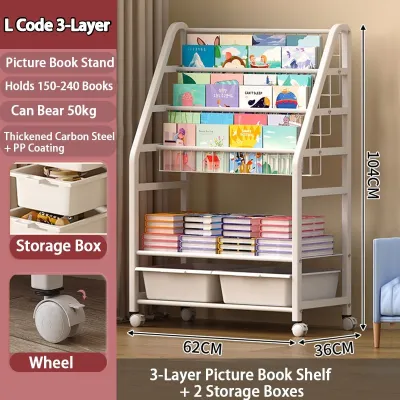
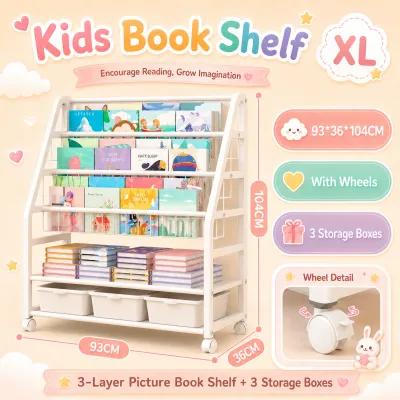
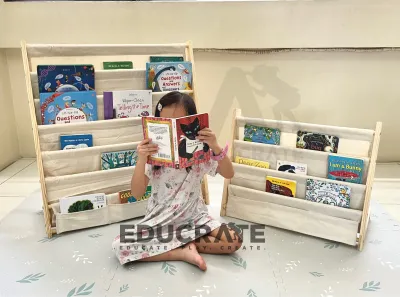
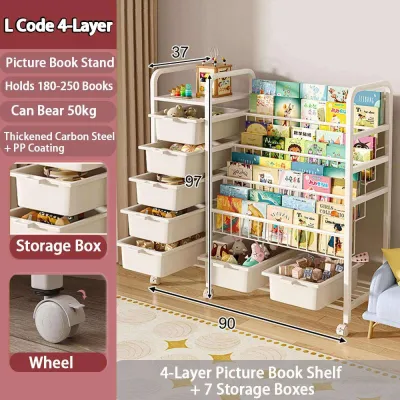
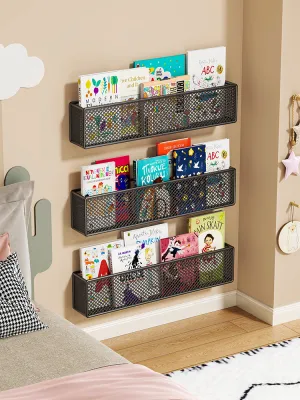
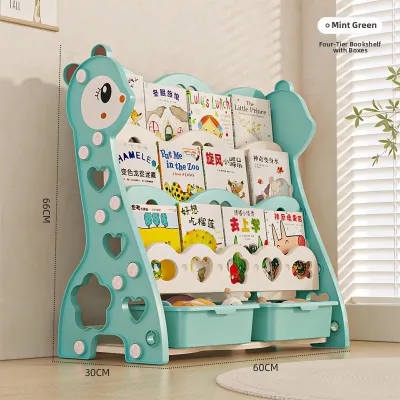
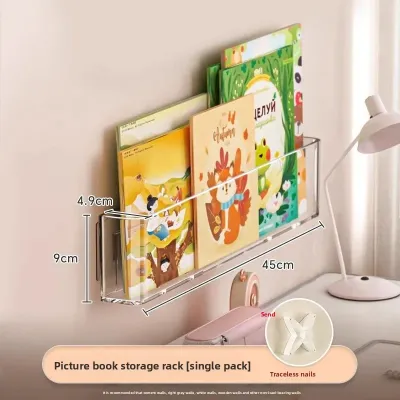
Prices are valid at publication and may change. Please refer to the product page for the latest price.
Rather than relying on subjective brand rankings or generic popularity lists, you should evaluate each option based on verifiable manufacturer specifications and physical design attributes. Look for clear labels indicating weight capacities, material compositions, and safety certifications. A reliable manufacturer will provide detailed documentation regarding the load limits of individual shelves and the entire unit, allowing you to match the furniture to your actual storage needs.
The design of the shelf must also align with your child’s current developmental stage and reading habits. Younger children, such as toddlers, benefit from highly visual, low-profile storage where book covers are fully visible. Older children who read chapter books require deeper, tiered shelving that can accommodate standard spines. As you evaluate different models, consider how easily the design can adapt to your child’s growing collection and changing physical height over the years.
Finally, spatial constraints in your home must guide your decision. In Philippine households, where space can be at a premium in urban condominiums or shared bedrooms, the footprint of the bookshelf is critical. You must measure not only the available floor space but also the clearance required for doors, drawers, and safe movement around the unit. A compact, vertical design might save floor space, but it also raises the center of gravity, making safety features like wall anchoring even more critical.
Essential Safety Features to Check Before Buying
The most critical safety feature of any freestanding kids’ bookshelf is an anti-tip restraint system. Because children may attempt to climb shelves to reach toys or books on upper levels, any tall or top-heavy unit poses a severe tipping hazard. When browsing options, verify that the product includes dedicated wall-anchoring hardware, such as straps, brackets, and heavy-duty screws. If the manufacturer does not supply these, you must purchase compatible aftermarket anti-tip straps before assembling the unit.

Edge treatments and corner designs are equally important for preventing minor injuries during active play. Inspect the product specifications or physical floor models for rounded corners and smooth, sanded edges. Sharp 90-degree corners on wooden or plastic shelves can cause painful bumps or cuts if a child falls against them. Additionally, if the bookshelf features doors, drawers, or adjustable sliding parts, check for pinch-point prevention mechanisms, such as soft-close hinges or safety stops that prevent drawers from being pulled completely out of the frame.
A bookshelf’s base stability determines its resistance to tipping even before it is anchored to a wall. Look for units with a wide, deep footprint and a low center of gravity. Shelves that taper outward toward the bottom or feature a flared base design offer inherently better stability than narrow, top-heavy columns. When inspecting a physical unit, gently push the top of the empty shelf to observe how quickly it recovers its balance; a stable unit should resist swaying and settle back onto its base immediately.
Chemical safety is another non-negotiable factor, as children frequently touch furniture surfaces and may even chew on edges during teething stages. Verify that the paints, varnishes, or laminates used on the bookshelf are certified non-toxic and lead-free. Look for official product labels indicating compliance with international safety standards, such as EN71-3 (European Toy Safety Standard) or ASTM F963 (Standard Consumer Safety Specification for Toy Safety). If these certifications are not clearly stated in the product description, request the safety data sheets from the manufacturer or retailer before finalizing your purchase.
Evaluating Durability and Material Suitability
Evaluating the durability of a kids’ bookshelf requires looking closely at the materials used and how they perform under daily wear and tear. Solid wood, engineered wood, metal, and high-density plastic each offer distinct structural characteristics. Solid wood, such as rubberwood or pine, provides excellent structural integrity and long-term load-bearing capacity, though it requires a protective finish to prevent moisture damage. Engineered wood, including medium-density fiberboard (MDF) and particle board, is highly common and affordable, but its durability depends heavily on the quality of the protective laminate or veneer.
In the tropical climate of the Philippines, high relative humidity and seasonal moisture can severely impact furniture longevity. Untreated or poorly sealed engineered wood is highly susceptible to absorbing moisture from the air, which leads to swelling, warping, and structural sagging over time. When selecting an engineered wood bookshelf, inspect the edges to ensure they are fully banded and sealed, leaving no raw fiberboard exposed to the humid air. For high-humidity areas, high-density polyethylene (HDPE) plastic or powder-coated metal frames offer excellent moisture resistance and are easy to sanitize.
The method of joint construction directly influences how well a bookshelf supports weight without bowing or collapsing. Look for units that utilize robust fastening systems, such as dowels, metal-on-metal cam locks, or reinforced corner brackets, rather than simple wood screws driven directly into raw fiberboard. If you are inspecting a pre-assembled unit, check for any wobbling or gaps at the joints when light pressure is applied. Well-constructed joints ensure that the frame remains rigid even when fully loaded with heavy hardcover books.
Surface treatments must be resilient enough to withstand scratches, spills, and frequent cleaning. Children’s rooms are high-traffic environments where crayon marks, water spills, and sticky fingers are common. Check the manufacturer’s care and maintenance instructions to verify if the surface can be wiped down with a damp cloth and mild soap without degrading the finish. Avoid delicate finishes that scratch easily or react poorly to standard household disinfectants, as maintaining hygiene is crucial in a child’s living space.
Sizing, Capacity, and Space Planning
Before purchasing a bookshelf, precise physical measurements are necessary to ensure a proper fit within your home. Begin by measuring the designated floor footprint, keeping in mind that you need at least one meter of clear space in front of the shelf for your child to sit, kneel, and browse books comfortably. Additionally, measure the doorways, hallways, and elevator cabins (if living in a condominium) through which the packaged or assembled furniture must pass during delivery.
Vertical reach is a critical dimension that directly affects your child’s safety and independence. For toddlers and preschool-aged children, the top shelf should not exceed 80 to 90 centimeters in height, allowing them to reach every book without stretching or climbing. For older children, taller units up to 120 centimeters are acceptable, provided they are securely anchored to the wall. Choosing a unit with adjustable shelf heights allows you to customize the vertical spacing, ensuring that tall picture books can stand upright without wasting valuable storage space.
To prevent structural bowing and potential collapse, you must interpret and adhere to the manufacturer’s weight limits. Check the specifications for both the individual shelf load capacity and the total unit capacity, which are typically expressed in kilograms. A standard children’s picture book can weigh between 300 to 500 grams, meaning a single shelf holding thirty books must safely support at least 15 kilograms. Distribute the weight logically by placing the heaviest, largest books on the bottom shelves to keep the unit’s center of gravity as low as possible.
Planning for future growth will save you from needing to replace the furniture within a few years. Children’s reading habits evolve rapidly, transitioning from oversized, thin picture books to thick chapter books and school textbooks. A modular bookshelf system that allows you to add extra shelves, storage bins, or side-by-side extensions offers the flexibility to adapt to these changing needs. When budgeting for a kids’ bookshelf in the Philippines, prices can range from ₱1,500 for basic plastic or fabric models to over ₱5,000 for solid wood units, making it essential to match your budget with the expected lifespan of the furniture.
Building Your Shortlist: Matching Shelf Types to Needs
When building your shortlist, matching the specific style of the bookshelf to your child’s age and your room layout will narrow down your options effectively. Forward-facing display racks are highly recommended for toddlers and early readers. These units display the front covers of the books rather than the spines, which naturally attracts a child’s attention and encourages independent reading. When evaluating forward-facing racks, check the depth of the display pockets and the strength of the front retaining lip to ensure books do not slip forward or tumble out when bumped.
Traditional tiered bookshelves are the most versatile option for older children and mixed-use storage. These units feature horizontal shelves that can hold a large volume of books arranged spine-out, alongside toys, storage baskets, or decorative items. When choosing a tiered shelf, verify if it includes adjustable vertical dividers to keep books upright when the shelf is not fully packed. Ensure the overall height of the unit is appropriate for your child’s reach, and prioritize models with solid back panels to prevent books from falling behind the unit.
Mobile or modular units offer excellent flexibility for shared bedrooms, playrooms, or multi-purpose living spaces. These shelves often feature heavy-duty casters that allow you to roll the unit against a wall when not in use or move it closer to a study desk. If you select a mobile unit, inspect the wheel locking mechanisms to ensure they lock securely, preventing the shelf from rolling unexpectedly when a child pulls a book. The base of a mobile unit must be exceptionally wide and heavy to offset the elevated center of gravity caused by the wheels.
Sling or fabric hammock bookshelves are lightweight, space-saving alternatives that work well for softcover books and paperbacks. These units utilize fabric pockets suspended from a wooden or metal frame, making them soft to the touch and highly accessible for very young children. When evaluating a sling bookshelf, check the quality of the fabric—canvas or heavy-duty polyester is preferred—and inspect the stitching at the suspension points for reinforcement. Keep in mind that fabric slings have lower weight capacities than solid wood shelves and are not suitable for heavy, oversized reference books.
Smart Shopping and Assembly Guidelines
When purchasing a kids’ bookshelf from an online marketplace or a local furniture retailer in the Philippines, careful preparation ensures a smooth delivery and assembly process. Before placing your order, verify the shipping dimensions and weight of the package to confirm it can be handled safely upon arrival. Review the retailer’s return policy and warranty terms, specifically checking if they cover transit damage, missing hardware, or manufacturing defects.
Once the package arrives, perform a thorough inspection of all components before beginning the assembly process. Lay out all wooden panels, metal frames, and hardware packs on a clean, carpeted floor or a large piece of cardboard to prevent scratching the finishes. Check each panel for cracks, warped edges, or peeling laminate, and count the screws, dowels, and brackets against the parts list in the instruction manual. If you discover any damaged or missing parts, contact the manufacturer or retailer immediately for replacements before proceeding.
Follow the manufacturer’s assembly sequence strictly, as skipping steps can compromise the structural integrity of the finished unit. Use the recommended tools and avoid using high-torque power drills on engineered wood, as excessive force can easily strip the pre-drilled holes and weaken the joints. Tighten all fasteners securely, but do not over-tighten them to the point of cracking the surrounding material. Once assembly is complete, place the unit on a flat, level surface and check for any wobbling or misalignment.
Executing the mandatory wall-anchoring procedure is the final and most crucial step of the installation. In many Philippine homes, interior walls are constructed from concrete hollow blocks (CHB) covered in plaster, which require different anchoring hardware than standard drywall. To secure a bookshelf to a concrete wall, you must use a masonry drill bit, plastic wall plugs (commonly referred to as tox), and heavy-duty screws that penetrate deep into the solid wall structure. If you are unsure about drilling into your walls or lack the necessary tools, consult a qualified local handyman or professional installation service to ensure the anchor is perfectly secure.
Frequently Asked Questions (FAQ)
At what age can a child safely use a freestanding bookshelf?
A child can begin using a low-profile, forward-facing freestanding bookshelf around 12 to 18 months of age, provided the unit is securely anchored to the wall and designed specifically for toddlers. At this developmental stage, children are learning to stand and pull themselves up, making wall anchoring absolutely mandatory to prevent tip-over accidents. For taller, traditional tiered bookshelves, children should be at least 3 to 4 years old and have developed the coordination to reach shelves without climbing or pulling on the frame. Regardless of the child’s age, adult supervision is recommended during active use.
How do I anchor a bookshelf to a wall without damaging it?
Anchoring a bookshelf safely requires making small, repairable holes in the wall, as there is no reliable adhesive-only method that can withstand the force of a tipping furniture piece. For concrete or plaster walls common in the Philippines, use a masonry drill bit to insert plastic wall plugs (tox) and secure the metal brackets or fabric straps provided with the furniture. When you eventually move or rearrange the room, these small holes can be easily patched with standard wall putty or spackling compound, sanded smooth, and touched up with matching paint. Always prioritize your child’s physical safety over minor, easily repairable wall cosmetic damage.
Community discussion
Share your experience or ask a question. Comments are reviewed before publication.