
Finding the right liquefied petroleum gas (LPG) cabinet for your kitchen in the Philippines requires balancing structural safety, space constraints, and material durability. Because LPG is heavier than air, any leak can lead to gas pooling at the lowest point of an enclosed space, creating a significant fire hazard. A safe cabinet must prioritize continuous ventilation, robust load-bearing capacity to support heavy steel cylinders, and resistance to the high humidity typical of Philippine households. By focusing on these critical safety features and verifying the physical dimensions of both your kitchen and your gas cylinder, you can secure a storage solution that protects your home while keeping your cooking area organized and functional.
Selecting a dedicated cabinet rather than leaving the tank exposed or shoving it into a standard cupboard is a smart way to improve both kitchen safety and aesthetics. However, not all kitchen cabinets are built to handle the unique demands of gas storage. A proper unit must serve as a protective barrier while allowing the gas system to operate under optimal conditions. Understanding what makes a cabinet safe will help you navigate the local market with confidence and avoid common purchasing mistakes.
Core Safety and Ventilation Requirements
Ventilation is the single most critical factor when selecting or evaluating an LPG cabinet. Unlike natural gas, which rises, liquefied petroleum gas is denser than air and naturally sinks to the floor when a leak occurs. In an airtight or poorly ventilated cabinet, escaping gas will accumulate silently at the base, creating an invisible, highly volatile pocket of fuel that can ignite with the smallest spark. To prevent this dangerous accumulation, a safe cabinet must feature active or passive ventilation pathways. Look for designs that incorporate louvered doors, wire mesh panels, or open slatted backs that facilitate continuous airflow. A significant gap at the bottom of the cabinet door is also highly effective, as it allows any escaping gas to dissipate outward into the room where it can dilute safely rather than pooling inside the enclosure.
Products mentioned in this guide
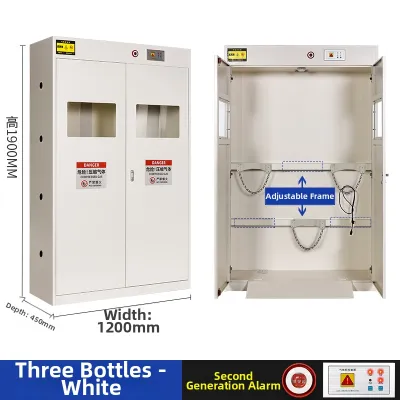
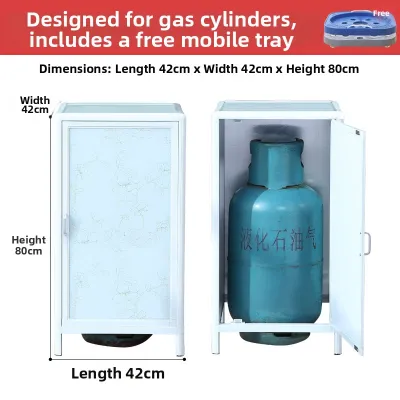
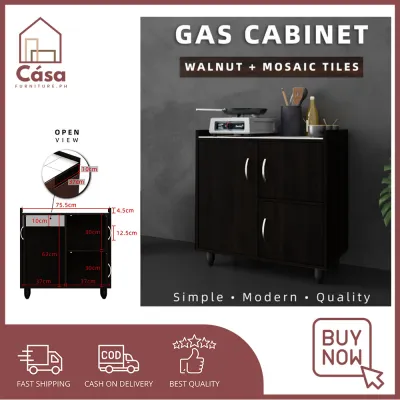
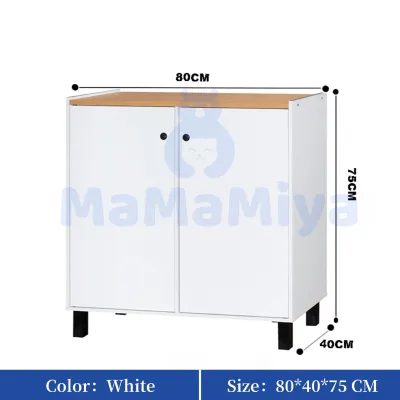
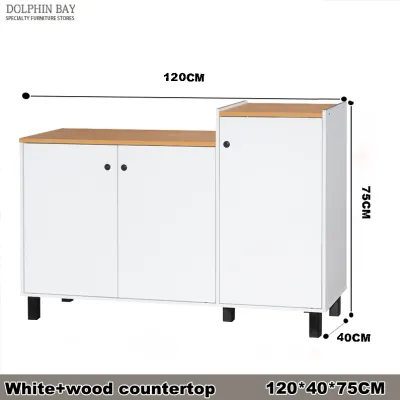
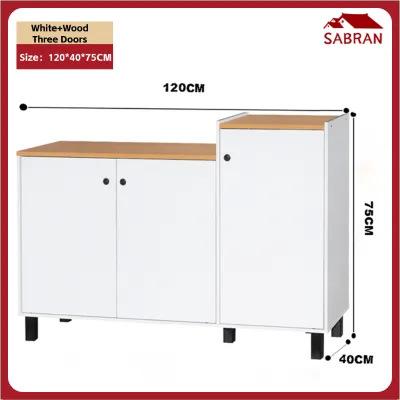
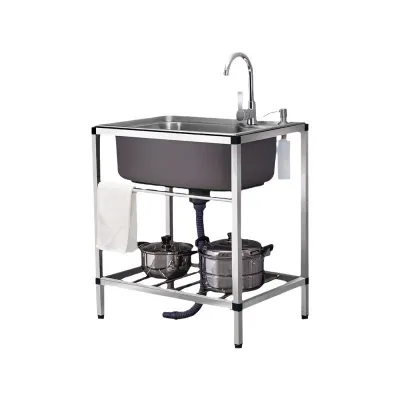
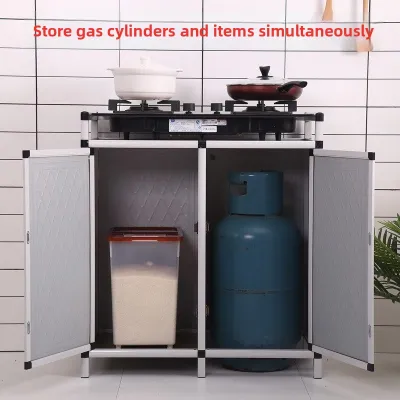
Prices are valid at publication and may change. Please refer to the product page for the latest price.
Equally important is the complete isolation of the cabinet interior from any potential ignition sources. You must verify that there are absolutely no electrical outlets, light switches, wiring junctions, or electronic appliances installed inside or directly adjacent to the cabinet compartment. Even a tiny spark from a cycling refrigerator compressor or a light switch can ignite accumulated gas. When planning your kitchen layout, ensure the cabinet is positioned away from wall outlets and that no extension cords are routed through or behind the storage unit. The interior should remain a dedicated, spark-free zone solely reserved for the gas cylinder and its immediate mechanical connections.
When browsing options in the Philippine market, look for manufacturer labels, product manuals, or safety certifications that explicitly state compliance with local fire safety guidelines, such as those outlined by the Bureau of Fire Protection. Reliable manufacturers will often highlight safety-first design choices in their documentation, detailing how their ventilation patterns meet standard indoor gas storage recommendations. If a product description lacks any mention of gas safety, ventilation, or fire-retardant properties, it is best to treat it as a standard storage cupboard and look for an alternative specifically engineered for gas cylinder containment.
Measuring Your Space and Tank Compatibility
Before purchasing any cabinet, you must take precise measurements of both your gas cylinder and the available space in your kitchen. In the Philippines, standard household LPG tanks typically come in 11-kilogram capacities, though smaller 2.7-kilogram or 5-kilogram cylinders are also common in compact apartments. You need to measure the exact height and diameter of your specific tank, keeping in mind that different gas brands may use slightly different cylinder shapes and collar designs. Crucially, your measurements must account for the height of the regulator and the natural curve of the gas hose attached to the top valve. Ensure there is at least 10 to 15 centimeters of vertical clearance above the valve to allow you to easily reach in, turn the handwheel, and inspect the regulator without straining your hand or bending the hose at a sharp angle.

The external footprint of the cabinet must be carefully assessed against your kitchen’s layout. A bulky cabinet can easily disrupt the flow of a busy kitchen, especially in typical urban condominiums or townhouses where floor space is at a premium. Measure the designated area to ensure the cabinet doors can swing fully open without striking countertops, dining tables, or major appliances like refrigerators and stoves. Most importantly, the cabinet must not block primary walkways, narrow corridors, or designated emergency exit routes. It should sit flush against a stable wall, ideally in a corner or at the end of a counter run where it is protected from accidental bumps.
Do not overlook the logistics of getting the cabinet into your home. Many high-quality LPG cabinets are delivered fully assembled or in large, heavy flat-packs. You must measure every doorway, hallway, stairwell, and elevator cabin along the delivery path from the street to your kitchen. In many Philippine residential buildings, tight corners in stairwells or narrow elevator doors present significant obstacles. Checking these clearance dimensions beforehand prevents the frustration of purchasing a cabinet that cannot physically enter your living space, ensuring a smooth delivery and installation process.
Evaluating Materials and Structural Durability
The tropical climate of the Philippines, characterized by high relative humidity and seasonal temperature shifts, demands careful material selection for kitchen furniture. An LPG cabinet must withstand not only the weight of the tank but also the moisture, steam, and occasional spills common in cooking areas. Stainless steel and aluminum are highly recommended for their exceptional resistance to rust and corrosion, making them ideal for wet kitchens or outdoor cooking areas. If you prefer wooden cabinets, avoid cheap, untreated particle board, which tends to swell, warp, and lose structural integrity when exposed to moisture. Instead, look for marine plywood, solid wood, or high-pressure laminates that feature water-resistant sealants and robust edge banding to protect the core from humidity.
The load-bearing capacity of the cabinet’s base shelf is a vital safety consideration. A fully loaded 11-kilogram LPG cylinder actually weighs between 22 and 25 kilograms when factoring in the weight of the steel tank itself. Over time, this concentrated weight can cause weak shelves to sag, warp, or collapse entirely, which could damage the gas hose or regulator and cause a catastrophic leak. Inspect the product specifications to verify the maximum weight capacity of the bottom panel. The base should be reinforced with metal support bars or constructed from thick, high-density materials that rest directly on the floor or on sturdy, adjustable leveling feet rather than suspended shelves.
Finally, examine the quality of the surface finishes and hardware. Hinges, handles, and magnetic catches are highly susceptible to rust in humid environments, especially if the kitchen is poorly ventilated or located near a coastal area. Look for hardware made from stainless steel or treated with rust-proof coatings. Check the manufacturer’s care instructions to understand how to clean the cabinet without stripping away protective finishes. Avoid harsh chemical cleaners that could degrade the surface or react with the materials, and opt for mild soap and water to maintain the cabinet’s structural and aesthetic integrity over the long term.
Sourcing Options and Verification Checklist
Finding a reliable LPG cabinet in the Philippines involves exploring a mix of physical showrooms and online retail channels. Specialized kitchen furniture stores, home improvement centers, and official brand stores are excellent starting points because they allow you to physically inspect the build quality, test the door hinges, and verify the ventilation gaps in person. If you prefer the convenience of online shopping, established ecommerce platforms and official brand websites offer a wide selection, but they require a more rigorous verification process. Always prioritize sellers that provide detailed product specifications, clear diagrams of internal dimensions, and explicit safety warnings regarding gas storage.
When comparing prices, which typically range from ₱2,000 to ₱8,000 or more depending on materials and size, avoid the temptation to simply buy the cheapest option. A low price tag often indicates thin sheet metal, weak joints, or a complete lack of ventilation features. Instead, view the purchase as a long-term investment in your home’s safety. Prioritize cabinets that offer structural warranties, clear assembly instructions, and robust packaging to prevent damage during transit. Spending a bit more upfront for a well-engineered, ventilated cabinet made of durable materials is far more cost-effective than dealing with a warped, rusted, or unsafe unit a few months down the line.
Before finalizing your purchase, carefully read through customer reviews and product descriptions. Look for specific feedback from other buyers in the Philippines who have used the cabinet for LPG storage. Pay close attention to comments mentioning the stability of the cabinet when a full tank is placed inside, whether the doors close securely with the regulator attached, and if there are any complaints about rust or difficult assembly. If possible, ask the seller direct questions about the weight capacity of the base shelf and the exact dimensions of the ventilation openings to ensure the product meets your safety standards before it arrives at your doorstep.
Installation and Daily Maintenance Guidelines
Proper installation is key to ensuring your LPG cabinet functions safely over its lifespan. Position the cabinet on a flat, level floor away from direct heat sources, such as ovens, cooktops, or direct sunlight, which can increase the pressure inside the gas cylinder. It should also be kept clear of high-traffic areas where family members, pets, or kitchen carts might accidentally bump into it. If your cabinet features adjustable leveling feet, use them to ensure the unit is perfectly stable and does not wobble. For taller or narrower cabinets, consider anchoring the unit to the wall using brackets to prevent any risk of tipping over when the heavy gas tank is being moved in or out.
When routing the gas hose from the cylinder to your stove, take extra care to ensure it passes through the designated cabinet exit hole without being pinched, kinked, or stretched. The hose should have a gentle, natural curve and must not rub against sharp metal edges or moving parts like door hinges. If the cabinet does not have a pre-drilled hole for the hose, do not force it through a tight door gap, as the constant opening and closing of the door will eventually wear down the protective rubber casing of the hose, leading to a dangerous leak. Ensure the hose is long enough to allow easy connection but not so long that it coils excessively or touches the hot underside of your cooktop.
Maintaining a safe kitchen environment requires establishing a routine for regular visual inspections inside the cabinet. At least once a month, open the cabinet doors fully to check for any signs of rust on the hinges or base panel, pest intrusion such as cockroaches or rodents nesting in the warm space, or physical degradation of the gas hose. Be alert to any unusual odors, even faint ones, which could indicate a slow gas leak. Keep the interior of the cabinet clean and free of dust or grease buildup, which can block ventilation slots and attract pests. By keeping the storage area clean, dry, and well-ventilated, you ensure the long-term safety and efficiency of your kitchen’s gas system.
Frequently Asked Questions (FAQ)
Can I modify a regular kitchen cabinet to store an LPG tank?
Modifying a standard kitchen cabinet, such as a closed sink base or a wooden cupboard, to store an LPG tank is highly discouraged unless done with extreme care and professional guidance. Standard cabinets are typically built from materials like particle board that cannot support the heavy weight of a full cylinder, and they completely lack the necessary ventilation to prevent gas accumulation. If you must adapt an existing cabinet, you should consult a qualified carpenter or kitchen fitter to reinforce the base shelf with heavy-duty supports and cut large, strategically placed ventilation slots or install wire mesh panels at both the top and bottom of the door. If the structural integrity of the cabinet is compromised during this process, stop immediately and opt for a purpose-built LPG cabinet instead.
How do I check for gas leaks inside the cabinet?
To check for gas leaks safely, never use a lighter, match, or any open flame near the cabinet. Instead, perform a simple soapy water test by mixing a few drops of liquid dish soap with water in a spray bottle or bowl. Apply the soapy solution generously to the gas valve, regulator connections, hose length, and the inlet connection of your stove. Open the gas valve slowly; if you see bubbles forming and growing, there is a leak at that connection. If a leak is detected or if you smell gas, immediately close the main cylinder valve, open all windows and doors to ventilate the kitchen, avoid turning any electrical switches on or off, and contact your gas supplier or a professional technician for assistance.
Is it safe to store other kitchen items in the same cabinet?
It is highly unsafe to store flammable liquids, harsh cleaning chemicals, aerosol cans, or combustible materials like paper bags and rags in the same cabinet compartment as your LPG tank. Chemical fumes can corrode the brass valves and rubber hoses, while flammable items increase the risk of fire. If your LPG cabinet features a separate, sealed upper drawer or an adjacent compartment that is completely isolated from the gas cylinder chamber, you may use it to store non-hazardous kitchen tools, pots, or pans. However, the main compartment housing the gas cylinder should remain completely clear of clutter to ensure unobstructed airflow and easy, rapid access to the gas valve in case of an emergency.
Community discussion
Share your experience or ask a question. Comments are reviewed before publication.