
Transitioning a child from a crib to their first independent bed is a major milestone for families in the Philippines. Plastic single beds have become a popular choice for toddlers and young kids due to their lightweight design, vibrant colors, and ease of cleaning. However, finding a bed that is both fun for a child and structurally secure requires careful evaluation. Parents must look beyond appealing cartoon themes or bright colors to assess the physical safety, material quality, and structural integrity of the frame. In a tropical climate characterized by high humidity and seasonal temperature shifts, choosing the right plastic bed involves understanding how materials behave and how to verify safety claims before making a purchase.
Selecting a bed that fits your child’s needs means balancing immediate comfort with long-term durability. While plastic frames offer excellent resistance to moisture and are highly portable, they vary significantly in manufacturing quality. By focusing on key structural checks, precise sizing, and proper room placement, you can create a secure sleeping environment that supports your child’s growth and play.
Key Safety and Structural Checks for Kids' Plastic Beds
Molded plastic furniture is produced using processes like injection molding or rotational molding, which can sometimes leave excess material, known as flashing or burrs, along the seams and edges. When evaluating a plastic bed, parents should physically run their hands along all accessible surfaces, including the undersides of the side rails, the corners of the headboard, and the joints. Any sharp or rough edges must be smoothed down or avoided entirely, as they can easily scratch a child’s sensitive skin during sleep or active play.
Products mentioned in this guide
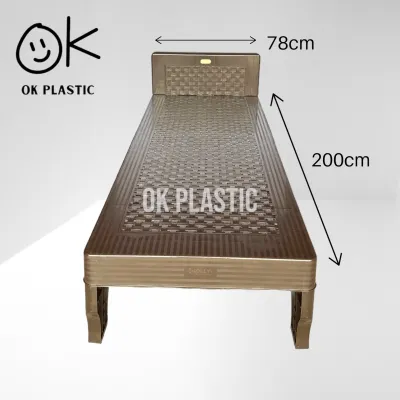

Prices are valid at publication and may change. Please refer to the product page for the latest price.
Many plastic beds feature modular designs where panels slide, snap, or bolt together. Inspect these connection points closely to identify potential pinch points. Active toddlers are naturally curious and may insert their fingers into small gaps. Ensure that all joints fit tightly together without leaving gaps that could pinch fingers or catch loose clothing. The interlocking mechanisms must remain rigid even when lateral force is applied to the frame.
It is a common misconception that thicker plastic automatically translates to a stronger bed. Hollow-molded components can appear robust while actually having thin, fragile walls. Instead of relying on visual thickness, parents must verify the manufacturer-stated weight limits. These specifications are typically listed in the product manual or on the packaging. Ensure the bed can support not only the weight of your child and the mattress but also the temporary weight of a parent sitting bedside during storytime.
Toddlers do not just sleep in their beds; they climb, jump, and lean over the edges. A safe plastic bed must have a low center of gravity to prevent tipping. Look for designs with wide, flared legs or a solid base that sits flush against the floor. If the bed is exceptionally lightweight, check if the manufacturer includes or recommends wall-anchoring kits or floor-gripping pads. This is especially important if the bed is placed on polished tiles or smooth wooden flooring common in Philippine homes.
The stability of the bed frame relies heavily on the slat or platform support system beneath the mattress. Some plastic beds utilize integrated plastic slats, while others feature nested wooden or metal slats. Evaluate how these slats are secured to the main frame. They should lock firmly into place without sliding or popping out when weight is applied. A shifting support system can cause the mattress to sag, creating a structural failure that could startle or injure a sleeping child.
Sizing and Space Planning for Toddlers and Young Children
Toddler beds are designed to accommodate a standard crib mattress, making them a space-saving option for smaller bedrooms. However, children quickly outgrow these transitional beds. A standard single bed (often measuring 36 inches by 75 inches in the Philippines) offers a much longer lifespan, accommodating a child well into their school-age years. Parents should weigh the immediate space savings of a toddler bed against the long-term utility of a standard single bed.

One of the most critical safety checks is ensuring a seamless fit between the mattress and the plastic frame. Gaps between the mattress and the headboard, footboard, or side rails pose a severe entrapment risk for young children. When purchasing a bed, measure the inner dimensions of the frame precisely. The gap between the mattress and any part of the frame should not exceed two fingers (approximately 3 centimeters). If the mattress shifts easily, it is too small for the frame and should be replaced with a properly sized model.
In many Philippine households, bedrooms serve multiple purposes, combining sleeping areas with play spaces and study desks. It is essential to maintain adequate clearance around the bed. Ensure there is at least 60 centimeters of open space on the sides of the bed to allow the child to get in and out safely without bumping into walls or other furniture. This clearance also ensures parents have enough room to change sheets and tend to the child comfortably.
While plastic beds are typically delivered flat-packed in cardboard boxes, the individual molded panels—such as the headboard and footboard—can be surprisingly bulky and rigid. Before ordering, measure the width of your front door, hallways, and any stairwells. This prevents the frustrating scenario of receiving a delivery only to find that the large molded components cannot navigate the tight corners of your home’s entryway or staircase.
Material Quality and Daily Maintenance Requirements
The tropical climate of the Philippines, characterized by high humidity and intense sunlight, can affect plastic materials over time. Direct exposure to sunlight through bedroom windows can cause low-quality plastics to become brittle and fade. When selecting a bed, check if the manufacturer specifies the use of UV-stabilized polymers, such as high-density polyethylene (HDPE) or polypropylene (PP). A high-quality matte or textured finish is also preferable, as it resists minor scratches from toys better than high-gloss surfaces.
Kids’ beds are prone to spills, sweat, and accidental stains. While plastic is inherently easier to clean than fabric or wood, it requires the right approach to prevent material degradation. Avoid using harsh chemical solvents, abrasive scouring pads, or strong bleach solutions, which can strip the protective finish or weaken the plastic structure. Instead, refer to the manufacturer’s care instructions, which typically recommend wiping the surfaces down with a soft microfiber cloth, warm water, and a mild, non-abrasive dish soap.
During assembly or when testing a display model in a showroom, pay close attention to how the plastic responds to pressure. Apply localized weight to the side rails and headboard to check for excessive flexing. While a small amount of elasticity is normal for plastic, significant bending or loud squeaking at the joints indicates structural weakness. Squeaking often points to loose connections or friction between poorly molded parts, which can worsen over time and disturb your child’s sleep.
Evaluation Criteria for Shortlisting Plastic Single Beds
Because children spend hours in close contact with their beds, chemical safety is just as important as physical stability. Look for recognized safety certification labels on the product packaging or official online listings. Standards such as EN 71 (the European standard for toy safety) or ASTM international certifications indicate that the plastic has been tested for harmful substances like lead, phthalates, and volatile organic compounds (VOCs). Avoid products that lack clear manufacturing details or safety labels.
When browsing online marketplaces or local furniture websites, customer reviews can provide invaluable real-world insights. Instead of focusing solely on five-star ratings, filter reviews to look for recurring complaints. Search for terms like “wobble,” “cracked,” “stripped screws,” or “missing parts.” Pay close attention to feedback from parents who have used the bed for several months, as this reveals how well the plastic frame holds up to daily wear and tear.
Even high-quality plastic beds can occasionally suffer damage during shipping or assembly. Before finalizing your purchase, verify the retailer’s return policy and the manufacturer’s warranty terms. A reliable brand should offer a warranty that covers manufacturing defects or cracked panels. Additionally, check if the seller provides replacement hardware, such as specialized plastic bolts or extra support slats, so you can easily repair the bed if a component wears out over time.
Assembly, Placement, and Ongoing Safety Monitoring
Assembling a plastic bed requires a gentle but firm touch. Plastic threads on molded bosses are easily stripped if fasteners are over-tightened. Always follow the manufacturer’s recommended assembly sequence. Hand-tighten all screws and bolts first to ensure they are properly aligned before using hand tools. Avoid using high-torque power drills, which can easily crack the plastic surrounding the screw holes or strip the threads entirely, compromising the bed’s structural integrity.
Proper placement is crucial for mitigating fall and climbing hazards. In Philippine homes, where wall-mounted cooling fans or windows with corded blinds are common, ensure the bed is positioned far away from these fixtures. A curious toddler can easily use the headboard or guardrails as a stepping stool to reach dangerous objects. Additionally, avoid placing the bed directly beneath heavy wall shelves, framed pictures, or air conditioning units that could pose a risk during an earthquake or accidental impact.
Children’s furniture is subjected to constant movement, climbing, and play, which can loosen fasteners over time. Establish a routine to inspect the bed frame every three to six months. Check for hairline stress fractures, which often appear as faint white lines in colored plastic, particularly around joint connections and load-bearing areas. Tighten any loose screws, and verify that the non-slip rubber pads on the bed’s feet are still securely in place to prevent the frame from sliding across the floor.
Frequently Asked Questions (FAQ)
Are plastic beds durable enough for active young children?
Yes, provided you select a bed made from high-quality, impact-resistant polymers like high-density polyethylene (HDPE) or polypropylene (PP). To ensure durability, always verify the manufacturer’s stated weight capacity rather than relying on visual thickness alone. Look for reinforced ribbed structures on the underside of the panels, which provide extra rigidity without adding excessive weight.
Do plastic single beds require a specific type of mattress?
Plastic beds do not require a proprietary mattress brand, but they do require exact sizing. Always measure the inner dimensions of the bed frame and compare them to the mattress specifications. Ensure the mattress thickness matches the manufacturer’s recommendation—typically between 4 to 6 inches for toddler beds—to maintain a safe barrier height along the side rails and prevent dangerous gaps.

Community discussion
Share your experience or ask a question. Comments are reviewed before publication.