
Selecting the right single bed for your child in the Philippines involves much more than picking an appealing design from a catalog. In a tropical climate characterized by high humidity and seasonal temperature shifts, the ideal choice must balance structural safety, material resilience, and smart spatial planning. Because children spend up to half their day sleeping or playing on their beds, the frame you select must serve as a secure, durable foundation that accommodates their rapid growth. By focusing on verifiable safety standards, precise physical dimensions, and robust construction methods, you can establish a comfortable sleeping environment that lasts for years.
Rather than relying on vague marketing terms, parents should approach this purchase with a practical checklist. This guide outlines the essential safety verifications, spatial calculations, material evaluations, and style options necessary to make an informed decision. Whether you are transitioning a toddler from a crib or upgrading a school-aged child’s bedroom, these structured steps will help you filter through local retail inventories and online marketplaces to find a reliable, high-quality single bed.
Essential Safety Checks for Kids' Beds
Safety is the primary consideration when choosing any piece of children’s furniture. Before comparing aesthetics or storage features, you must verify that the bed frame complies with established safety guidelines to prevent accidents, falls, or physical entrapment. For elevated designs, loft beds, or bunk beds, guardrails are non-negotiable. Check that the guardrails extend at least 12.7 centimeters above the top surface of the mattress to prevent your child from rolling over the edge during sleep. Additionally, inspect the spacing between the guardrail slats; these gaps must be narrower than 8.9 centimeters to ensure a child’s head or torso cannot become trapped.
Products mentioned in this guide


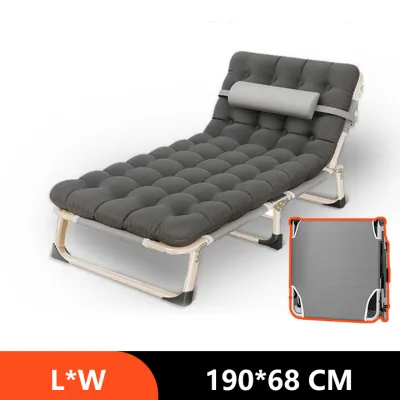
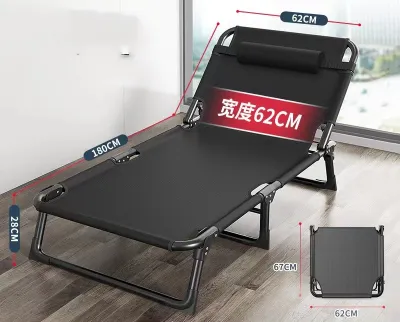
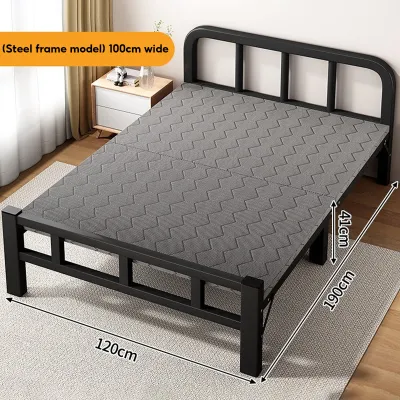
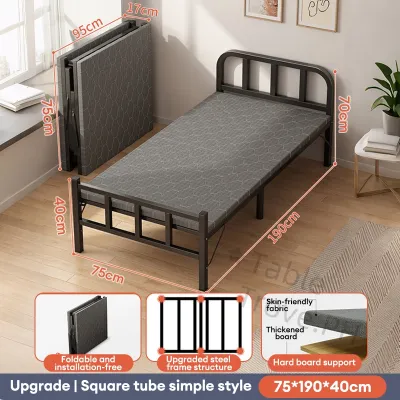
Prices are valid at publication and may change. Please refer to the product page for the latest price.
Stability is another critical safety factor, particularly for active children who may climb or jump on their furniture. Look for bed frames that feature pre-drilled holes or include dedicated anti-tip hardware, which allows you to anchor the headboard or integrated shelving units directly to the wall. This anchoring is especially vital in the Philippines, where seismic activity requires securing tall or top-heavy furniture to prevent tipping hazards. Examine the overall center of gravity of the bed; low-profile frames or beds with wide, heavy bases offer inherently greater stability.
Physical contact points require close inspection to prevent minor injuries during daily play. Run your hands along the corners, edges, and joints of the bed frame to check for smooth rounding. Sharp, ninety-degree corners on footboards or side rails pose a constant risk of bruises and scrapes. Furthermore, verify the chemical safety of the frame’s finish by checking product labels or manufacturer specifications for non-toxic, lead-free paint or low-VOC (volatile organic compound) certifications. These certifications ensure that the protective coatings do not release harmful chemical fumes into your child’s bedroom.
Finally, always confirm the manufacturer’s stated maximum weight capacity before making a purchase. A reliable single bed should support not only the weight of your growing child but also the weight of a heavy mattress and an adult who may sit on the edge for bedtime reading. Look for frames with a certified weight limit of at least 100 to 120 kilograms. Choosing a bed with a generous weight capacity ensures the frame remains structurally sound and noise-free as your child grows into adolescence.
Measuring Room Space and Bed Dimensions
Accurate spatial planning is essential to ensure the bed fits comfortably within the bedroom while leaving sufficient space for daily movement and other furniture. Many buyers make the mistake of assuming that a standard single mattress size represents the total footprint of the bed. In the Philippines, a standard single mattress typically measures 36 inches by 75 inches (approximately 91 centimeters by 190 centimeters). However, the actual bed frame can be significantly larger depending on the thickness of the headboard, the presence of a footboard, or built-in shelving units. Always obtain the finished outer dimensions of the frame before purchasing.

Before the bed even reaches the bedroom, it must successfully pass through your home’s entry points. Measure the width and height of all doorways, stairwells, narrow hallways, and elevator doors in your building. This step is particularly crucial for residents of high-rise condominiums or traditional townhouses in urban areas, where tight corners and low ceilings can block the transport of pre-assembled frames or large flat-pack boxes. If delivery access is restricted, prioritize modular bed frames that arrive in smaller, manageable packages and can be assembled directly inside the bedroom.
Once inside the room, calculate the necessary clearance around the bed to maintain a safe and functional layout. Ensure there is at least 60 to 75 centimeters of open walking space on the accessible sides of the bed. If you select a bed frame with integrated under-bed storage drawers or a pull-out trundle, you must add the depth of those extended components to your spatial calculations. Ensure these features can open fully without striking wardrobes, study desks, or bedroom doors, and without blocking the primary pathway through the room.
Vertical clearance is equally important if you are considering a loft bed or a bunk bed to maximize floor space. Measure the height of your ceiling from the floor, keeping in mind that older homes and modern condominiums often have different ceiling heights. There should be at least 75 to 90 centimeters of open space between the top of the mattress and the ceiling. This clearance allows your child to sit up straight in bed comfortably without bumping their head. Additionally, ensure the bed is positioned far away from ceiling fans, light fixtures, and window cords to eliminate potential safety hazards.
Evaluating Frame Structures and Materials
Evaluating the materials and structural joints of a bed frame is key to determining its longevity and resistance to wear. While many product descriptions highlight “solid wood” construction, the actual durability depends heavily on the species of wood and how the joints are secured. Hardwoods like mahogany or rubberwood offer excellent structural integrity and resistance to warping, whereas softwoods may dent more easily. If you choose engineered wood, such as MDF or particleboard, inspect the quality of the protective laminate or veneer to ensure it is thick and securely bonded to the edges.
In the humid tropical climate of the Philippines, moisture resistance is a critical factor for furniture longevity. Unsealed wood or exposed engineered wood can absorb airborne moisture, leading to swelling, warping, or the growth of mold and mildew. Examine the underside and interior surfaces of the bed frame to confirm that all wood elements are fully sealed with a protective polyurethane or lacquer finish. High-quality edge banding on engineered wood panels is essential to prevent moisture from penetrating the core material during humid seasons or routine floor mopping.
Inspect the joint construction methods used to hold the frame together. Avoid frames that rely solely on simple wood screws, glue, or staples, as these connections can loosen and strip over time, causing the bed to wobble or squeak. Instead, look for frames joined with heavy-duty metal-on-metal brackets, through-bolts, or traditional mortise-and-tenon joinery. Metal-on-metal connections are highly advantageous because they allow you to tighten the hardware periodically with simple tools, restoring the frame’s original rigidity and safety.
Finally, assess the mattress support system, which typically consists of horizontal slats. The slats must be strong enough to support the mattress without sagging under weight. Check that the slats are spaced no more than 7 to 8 centimeters apart to provide uniform support and prevent mattress damage. For single beds, a solid wood slat system or a rigid steel grid is ideal. Ensure the slats are securely fastened to the side rails of the frame so they cannot slide or fall out of place when your child moves.
Choosing the Right Single Bed Style
Matching the style of the single bed to your child’s developmental stage and the room’s layout will maximize both safety and utility. For toddlers transitioning from a crib, a floor-level or low-profile bed frame is highly recommended. These designs position the mattress close to the floor, making it easy for young children to climb in and out independently while virtually eliminating the risk of injury from accidental falls. Many low-profile beds feature a simple, minimalist aesthetic that fits well in modern bedrooms.
If your child’s bedroom has limited floor space, a storage-integrated single bed is an excellent way to keep the room organized. These frames often feature built-in drawers beneath the mattress platform or shelving units within the headboard. When evaluating storage beds, pay close attention to the drawer hardware. Opt for drawers equipped with smooth, ball-bearing metal glides and safety stops, which prevent the drawers from being pulled completely out of the frame and falling onto a child’s feet. Avoid simple plastic tracks that can easily warp or break under the weight of toys and books.
For families with multiple children or those who frequently host sleepovers, a trundle bed offers a highly practical sleeping solution. A trundle bed features a secondary single frame on wheels that slides completely underneath the main bed when not in use. When selecting a trundle model, test the rolling mechanism to ensure it glides smoothly across your bedroom flooring, whether it is polished tile, wood laminate, or a rug. Additionally, check the maximum allowable mattress height for the lower trundle compartment to ensure the bed can slide back under the main frame without catching.
As you evaluate different styles, consider the long-term adaptability of the design. Children’s tastes and needs change rapidly as they grow. A bed frame with highly specific cartoon themes or childish shapes may need to be replaced within a few years. Choosing a classic, neutral single bed frame made of natural wood or painted metal allows you to update the room’s look simply by changing the bedding, wall paint, and accessories, saving you the cost of purchasing a new bed as your child enters their teenage years.
Finalizing Your Shortlist and Purchase Checks
Before finalizing your purchase, compile a complete cost comparison in ₱ that accounts for all associated expenses. The retail price of the bed frame is only one component of the total investment. Be sure to calculate potential delivery fees, which can vary significantly depending on your distance from the retail warehouse. Additionally, inquire about professional assembly charges. Because proper assembly is critical to the structural safety of the bed, paying for professional installation is often a worthwhile investment to ensure all joints and safety brackets are correctly secured.
Carefully review the manufacturer’s warranty terms to understand what is covered and for how long. A reliable warranty should cover structural defects, such as cracked wood, broken slats, or failing metal joints, for at least one to two years. Be aware that warranties typically exclude normal wear and tear, cosmetic scratches, or damage caused by improper assembly or misuse, such as jumping on the bed. Keep your physical receipt and warranty card in a safe place, as local retailers usually require proof of purchase to process any claims.
Confirm the retailer’s return and exchange policies before making your payment. Even with careful measurements, you may discover that the bed does not fit the room layout or that a component is damaged upon delivery. Verify the return window, which is typically between seven and thirty days, and check if the retailer charges restocking fees for returned items. Knowing these policies in advance provides a financial safety net and ensures a smoother resolution if the bed frame does not meet your expectations.
Frequently Asked Questions (FAQ)
At what age should a child transition to a single bed?
Most children transition from a crib to a single bed between the ages of 1.5 and 3.5 years. Physical indicators include when your child reaches approximately 89 centimeters in height, or when the height of the crib’s side rail is lower than their chest level, making it easy for them to climb out. Behavioral signs, such as expressing a clear desire for a larger bed or showing discomfort in a confined crib, also indicate readiness. Before making the transition, ensure the entire bedroom is thoroughly childproofed by securing heavy wardrobes to the wall and covering electrical outlets.
Do I need a special mattress for a kids' single bed?
While a standard single mattress will fit the frame, children require specific support for their developing bodies. Pediatricians generally recommend a medium-firm to firm mattress to support proper spinal alignment and bone growth. Avoid mattresses that are excessively soft, as they do not provide adequate physical support. It is crucial to match the mattress dimensions exactly to the inner dimensions of the bed frame to prevent dangerous gaps where a child’s limbs could become wedged. Additionally, invest in a breathable, waterproof, and hypoallergenic mattress protector to guard against spills, bedwetting, and dust mites.
How can I prevent a single bed from tipping over?
To prevent tip-over accidents, always secure beds with tall headboards, integrated shelving, or lofted designs to the wall using heavy-duty anti-tip brackets or wall anchors. If the bed frame features built-in storage drawers, place heavier items like books, winter blankets, or heavy toys in the bottom drawers to maintain a low center of gravity. Teach your child that the bed is for sleeping and quiet activities, and discourage jumping or climbing on the headboard. Finally, establish a routine to inspect and tighten all screws, bolts, and structural joints every few months to maintain frame rigidity.

Community discussion
Share your experience or ask a question. Comments are reviewed before publication.