
Designing a dedicated reading corner is one of the most rewarding ways to improve your home’s comfort and support your personal well-being. In the Philippines, where bustling multi-generational households and dense urban environments can make quiet relaxation difficult to find, a dedicated sensory space offers a vital retreat. A sensory rocking chair goes beyond standard seating by offering targeted physical feedback that calms the nervous system and helps the brain filter out external distractions. Selecting the right chair requires balancing specific sensory benefits—such as vestibular or proprioceptive input—with practical spatial constraints, tropical fabric performance, and structural safety. By focusing on how a chair’s movement, shape, and materials interact with your body and your home, you can create an inviting sanctuary optimized for deep focus and relaxation.
Understanding Sensory Rocking Chairs for Reading
Sensory furniture is engineered to interact intentionally with the body’s sensory systems, particularly the vestibular and proprioceptive networks. The vestibular system, located in the inner ear, detects motion, gravity, and balance, playing a key role in how calm or alert we feel. Rhythmic, predictable motion stimulates this system, sending soothing signals to the brain that lower heart rate and reduce stress. Proprioception refers to the body’s awareness of its position in space, which is stimulated by pressure on muscles and joints. A high-quality sensory chair leverages these physical principles to help readers settle into a state of relaxed focus.
This physical regulation directly translates to an improved reading experience. When the body receives the organizing sensory input it craves, the mind is less likely to wander, and physical restlessness decreases. Readers who find themselves constantly shifting, fidgeting, or losing their place on the page often benefit from the subtle, continuous movement of a rocker. The physical feedback helps satisfy the subconscious need for motion, allowing the conscious mind to focus entirely on the text.
Products mentioned in this guide
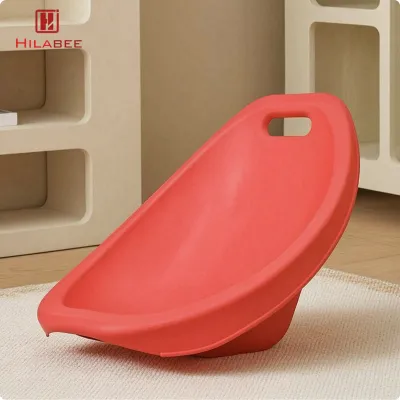
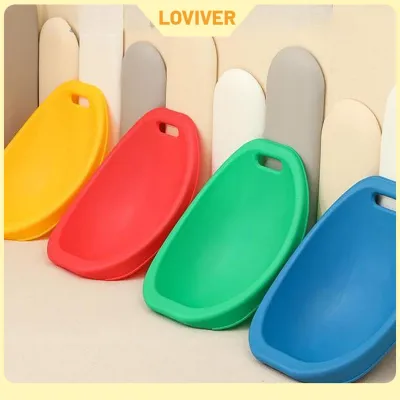
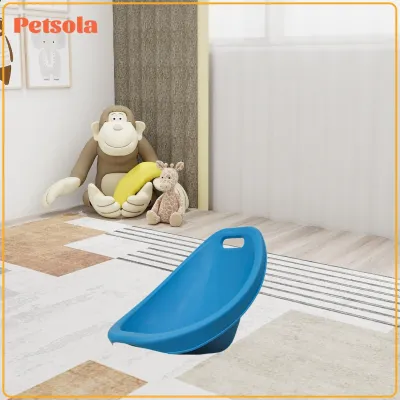
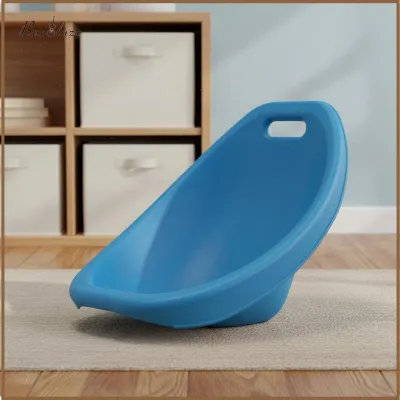
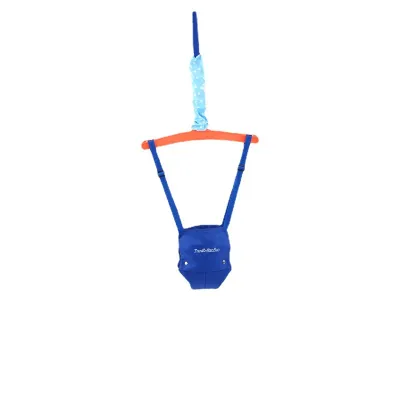
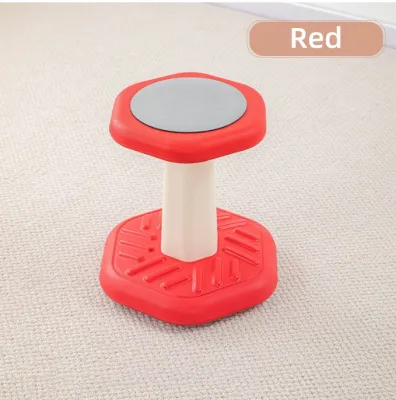
Prices are valid at publication and may change. Please refer to the product page for the latest price.
It is important to differentiate sensory rocking chairs from standard living room accent chairs or decorative rockers. Standard accent chairs are designed primarily for static comfort and visual appeal, often lacking the specialized support needed for long-lasting physical regulation. Sensory chairs prioritize deep pressure distribution, supportive contours, and highly controlled movement paths. Whether through a specialized gliding track, a cocoon-like enclosure, or a zero-gravity recline, these chairs are built to provide a consistent, therapeutic experience that standard household furniture cannot replicate.
Matching Chair Styles to Specific Sensory Needs
Every individual has a unique sensory profile, meaning that a chair that feels deeply comforting to one person might feel understimulating or even disorienting to another. Before browsing designs, consider whether you or your family members seek out movement to focus, feel calmer when physically enclosed, or benefit most from deep, full-body pressure. Identifying these preferences allows you to target the specific chair style that will provide the greatest therapeutic value.

Gliders and Smooth-Motion Rockers
Gliders operate on a specialized parallel linkage suspension system that moves the seat forward and backward along a flat, linear path. This is fundamentally different from traditional curved rocking chairs, which swing along an upward arc and shift your center of gravity. The linear movement of a glider provides a highly predictable, low-impact form of vestibular input that is exceptionally gentle on the body. This smooth transition makes it easier to keep your eyes focused on a book without the rhythmic tilting or bouncing associated with traditional designs.
For readers who experience mild motion sensitivity or find traditional rocking chairs too erratic, a glider offers a controlled alternative. The mechanical tracks are typically enclosed, reducing the risk of sudden jerks or uneven sways. When selecting a glider, look for models with high-quality ball-bearing mechanisms, as these ensure the movement remains completely silent. Eliminating mechanical squeaks and clicks is essential for maintaining a quiet, distraction-free reading environment.
Enclosed or "Pod" Style Chairs
Enclosed sensory chairs, often referred to as pod, cocoon, or egg-shaped chairs, are designed to address the need for deep pressure and reduced environmental stimulation. These chairs feature high, curved backs and wrap-around sides that physically block out peripheral visual distractions. In open-concept homes or busy households, visual noise can make it incredibly difficult to focus on a book. An enclosed chair acts as a physical boundary, helping the reader feel isolated and secure within their own personal space.
Beyond visual shielding, the curved walls of a pod chair provide a subtle acoustic dampening effect, softening ambient household noises. The interior of these chairs is often designed to hug the body closely, providing gentle, continuous lateral pressure. This sensation of being cradled mimics the calming effect of swaddling, making pod-style chairs highly effective for readers who experience high anxiety or sensory overload after a long day.
Zero-Gravity and Reclining Rockers
Zero-gravity rocking recliners are designed to elevate the legs slightly above the level of the heart, distributing your body weight evenly across the entire surface of the chair. This position minimizes the pull of gravity on your spine, relieving pressure on the lower back and joints. For individuals who experience physical fatigue or chronic discomfort, this neutral posture provides immediate physical relief, allowing the muscles to fully relax during a reading session.
In terms of sensory feedback, the even weight distribution of a zero-gravity position provides deep, consistent proprioceptive input across the back, glutes, and thighs. This widespread pressure tells the brain that the body is safe and supported, which naturally triggers a relaxation response. When choosing a zero-gravity rocker, it is critical to verify the quality of the locking mechanisms. The chair must lock securely into your preferred angle of recline so you can read comfortably without worrying about the seat shifting unexpectedly.
Space Planning and Clearance for Your Reading Corner
Integrating a sensory rocking chair into your home requires careful spatial planning to ensure safety and comfort. Because these chairs are designed for dynamic movement, you cannot rely solely on their static dimensions when planning your layout. A chair that fits perfectly in a corner when stationary may strike a wall or a piece of furniture once it is in motion, disrupting your relaxation and potentially damaging your home.
To plan your space accurately, you must measure both the static footprint and the dynamic range of motion of the chair. Begin by identifying the chair’s maximum dimensions at full extension, including when the backrest is fully reclined and the footrest is raised.
Clearance Planning Guidelines
- Rear Clearance: Maintain a minimum of 30 to 50 centimeters of clear space between the furthest back-tilt point of the chair and the wall. This prevents wall scuffs and protects fingers or pet tails from getting pinched.
- Front Clearance: Ensure there is at least 60 centimeters of open space in front of the fully extended footrest to allow you to stand up and sit down safely without tripping.
- Side Clearance: Keep a buffer of at least 20 centimeters on either side of the chair. This ensures that nearby reading lamps, side tables, and bookshelves remain completely out of range of the chair's active rocking or gliding path.
Before finalizing your purchase, you must also verify that the chair can actually be delivered into your home. Many sensory chairs, particularly high-back pod styles and heavy glider recliners, ship in large, bulky boxes that cannot be easily disassembled.
Pre-Purchase Delivery Checklist
- Doorway Widths: Measure the clear width of your front door, hallway doors, and the entrance to the reading room. Compare these to the package dimensions provided by the manufacturer.
- Stairwells and Corners: If the chair needs to go upstairs, check the clearance of stairwell ceilings and the turning radius of any landings.
- Elevator Dimensions: For condominium or apartment living, verify the interior height, width, and door clearance of the building's service or passenger elevators to ensure the box will fit inside.
Upholstery and Climate Checks for Tropical Environments
The tropical climate of the Philippines introduces specific environmental challenges, including high relative humidity, elevated temperatures, and seasonal moisture. Because sensory chairs are designed for prolonged physical contact, the choice of upholstery and frame materials is critical to the chair’s comfort, hygiene, and long-term durability. Selecting the wrong materials can lead to heat retention, mold growth, or premature structural wear.
When evaluating upholstery, prioritize fabrics that offer excellent breathability and moisture control. Heavy, non-porous synthetic leathers should generally be avoided, as they trap body heat and sweat, leading to an uncomfortable, sticky sensation during warm afternoons. Instead, look for woven natural fibers, high-quality linen blends, or specialized performance fabrics. Check the manufacturer’s product label to verify if the fabric has moisture-wicking properties and if the chair features removable, washable covers that make routine cleaning easier.
Frame construction must also be carefully scrutinized for climate resilience. Do not assume that a metal frame is rust-proof or that a wooden frame is naturally resistant to mold. High humidity can quickly compromise untreated materials, leading to squeaks, joint weakness, or structural failure.
Tropical Frame Verification Checklist
- Metal Components: Check the product specifications to confirm that all metal parts, especially the moving joints and glider tracks, feature powder-coated or rust-resistant treatments.
- Wooden Frames: Verify that solid wood or engineered wood frames are fully sealed with moisture-resistant finishes or lacquers to prevent warping and mold colonization.
- Joint Integrity: Inspect the connection points; high-quality sensory chairs use heavy-duty screws and reinforced brackets rather than simple glue and staples, ensuring the frame remains stable despite continuous movement.
Highly tactile fabrics, such as velvet, chenille, or bouclé, are incredibly popular for sensory chairs because they provide soothing tactile input. However, these plush fabrics naturally retain more heat than flat-woven textiles. If you or a family member prefers the feel of a highly textured fabric, verify the pile height of the material. Choosing a low-pile velvet or keeping a lightweight, breathable cotton throw blanket nearby allows you to enjoy the tactile benefits during hotter months without overheating.
Budgeting, Weight Limits, and Safety Verification
Investing in a sensory rocking chair is an investment in your household’s daily well-being, and understanding how to balance cost with quality is essential. To help guide your expectations, sensory chairs generally fall into three broad price bands in the local market:
- Budget (under ₱10,000): Typically consists of basic, traditional wooden rocking chairs or simple manual recliners. While affordable, these options may lack specialized sensory support, advanced gliding mechanisms, or heavy-duty tropical frame treatments.
- Mid-Range (₱10,000 to ₱30,000): Offers sturdy mechanical gliders, upholstered swivel-rockers, and quality zero-gravity recliners. These chairs generally feature robust locking systems, durable fabrics, and reliable structural support suitable for daily use.
- Premium (above ₱30,000): Includes specialized therapeutic pod chairs, imported sensory integration seating, and heavy-duty gliders with advanced ergonomic adjustments, premium climate-treated fabrics, and extended structural warranties.
When budgeting, prioritize investing in high-quality mechanical components. The moving parts of a glider or rocker are subject to continuous friction and stress. Spending more on a chair with a reinforced steel mechanism and a solid warranty will save you money in the long run by avoiding premature replacements.
Safety and structural integrity must never be compromised, especially since sensory chairs experience dynamic forces that exceed static weight. Always verify the manufacturer’s stated maximum weight capacity before purchasing. A chair that is constantly pushed to its weight limit will experience accelerated wear on its joints and bearings, leading to instability and potential safety hazards. Look for chairs that offer a generous weight buffer above the weight of the primary user.
Finally, closely inspect the physical stability of the chair’s base. A high-quality sensory chair should feature a wide, low-profile stance that prevents the chair from tipping over, even during enthusiastic rocking. Look for built-in safety features, such as anti-tip runners on traditional rockers or automatic travel limiters on gliders. If the chair is a recliner, ensure that the locking mechanism engages cleanly and holds its position firmly under pressure, guaranteeing a safe and secure reading experience for everyone in your home.
Frequently Asked Questions (FAQ)
How much clearance do I need behind a sensory glider?
To determine the exact clearance needed, you must check the manufacturer’s specifications for the glider’s maximum track length or travel distance. As a general rule, you should measure the furthest backward point of the chair’s frame when fully extended or reclined, and then add a safety buffer of at least 10 to 15 centimeters. This buffer ensures the moving parts of the glider will not strike the wall, preventing paint scuffs and protecting fingers from being pinched.
Can I use an indoor sensory rocking chair on a covered balcony?
Indoor sensory rocking chairs should not be used on covered balconies or patios unless the manufacturer explicitly states the product is rated for outdoor use. Semi-outdoor spaces in the Philippines expose furniture to high humidity, wind-blown rain, salt air, and shifting temperatures. Standard indoor fabrics, untreated wooden frames, and non-coated metal mechanisms will degrade rapidly under these conditions, leading to mold growth, rust, and mechanical failure.
How do I clean tactile fabrics without ruining the sensory texture?
Always consult the manufacturer’s care tag on the chair to identify the correct cleaning code. For highly textured tactile fabrics like velvet or bouclé, it is best to vacuum the upholstery regularly using a soft brush attachment to remove dust without crushing the fibers. If spot-cleaning is necessary, use a mild, fabric-appropriate cleaner and perform a spot-test on a small, hidden area of the chair first. Avoid harsh scrubbing; instead, gently blot the stain and use a soft-bristled brush to restore the fabric’s natural pile once it is completely dry.
Community discussion
Share your experience or ask a question. Comments are reviewed before publication.