
Finding the perfect furniture for a compact living room requires balancing style, utility, and physical space. When floor area is limited, a standard table often falls short of your storage needs, leaving clutter to pile up on the surface. Introducing a multi-functional side shelves rack organizer is an efficient way to maximize vertical storage without sacrificing valuable floor space. Choosing the right piece, however, involves more than just picking an appealing design from an online catalog.
To make a smart purchase, you must evaluate how the piece fits into your daily routine, your existing furniture layout, and the specific environmental conditions of your home. A poorly chosen table can block walking paths, tip over easily, or deteriorate rapidly under local climate conditions. By focusing on precise measurements, shelf configurations, structural integrity, and long-term maintenance, you can find a side table that enhances both the organization and comfort of your home.
Define Your Space and Storage Needs
Before browsing online or visiting a showroom, you must establish the exact physical boundaries of the area where the table will stand. Grab a measuring tape and record the maximum width, depth, and height available next to your sofa, armchair, or bed. In small apartments or condominiums, even a few centimeters of overhang can make a room feel cramped or obstruct a doorway. Knowing these limits beforehand prevents you from falling in love with a piece that is physically incompatible with your room.
Products mentioned in this guide
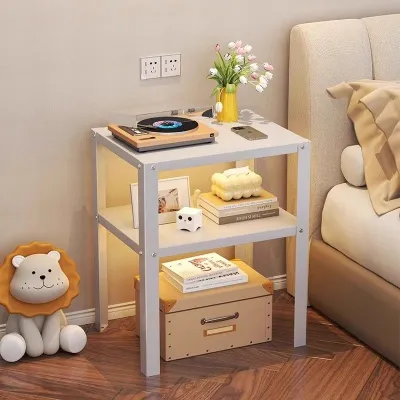
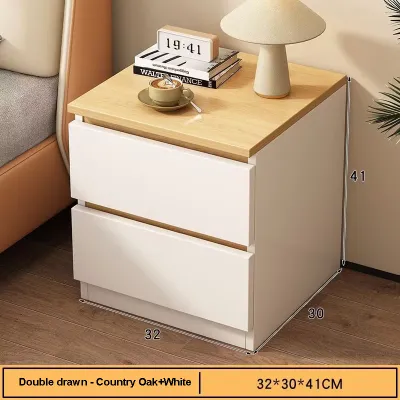
Prices are valid at publication and may change. Please refer to the product page for the latest price.
Next, take a realistic inventory of the items you plan to store on and within the table. If your goal is to keep daily essentials like remote controls, reading glasses, and smartphones within arm’s reach, a table with a small top surface and open shelving may be ideal. If you want to store less visually appealing items, such as charging cables, tissue boxes, or personal documents, look for a model that combines open shelves with enclosed drawers or cabinets. Categorizing your belongings helps you determine the exact balance of open and closed storage you require.
Finally, consider the traffic flow around your existing furniture. A side table should complement your seating area, not act as an obstacle course. Ensure there is enough clearance around the table so that family members can walk past without bumping their shins or elbows. If the table is placed near a door or a reclining chair, verify that the door swing or footrest extension will not collide with the table’s frame. Keeping these pathways clear preserves the comfort and functionality of your living space.
Match Dimensions to Your Furniture and Layout
A side table is only as useful as it is comfortable to reach. To ensure proper ergonomics, the top of the table should align closely with the height of your sofa’s armrest or your bed’s mattress. Ideally, the table surface should be level with or up to five centimeters below the armrest. If the table is too tall, you will find yourself reaching upward awkwardly to set down a cup; if it is too low, you will have to bend down, which can strain your back over time.

Beyond height, you must evaluate the depth and width of the table relative to the gap between your furniture and the wall. In tight layouts, a long and narrow rectangular table often performs better than a square or round one, as it hugs the side of the sofa without extending too far into the room. Check that the table’s depth does not exceed the depth of your sofa, as a table that juts out past the front of the couch can disrupt the visual alignment of the room and create a tripping hazard in the dark.
Do not overlook the logistics of getting the furniture into your home. Before finalizing your purchase, compare the packaged dimensions of the table against the narrowest points of your building’s delivery route. Measure your entry doors, hallway widths, stairwell turns, and elevator doors. This step is particularly crucial for residents of high-rise condominiums where large, pre-assembled furniture may not fit into standard elevators or around tight corridor corners. Opting for flat-packed furniture that you assemble inside the room can bypass these delivery headaches entirely.
Optimize Your Side Shelves Rack Organizer Configuration
When selecting a side shelves rack organizer, the layout of the shelves directly dictates how effectively you can organize your belongings. Open shelving is highly convenient for items you grab multiple times a day, such as books, tablets, or a cup of tea. However, in tropical regions where dust accumulates quickly due to open windows and ceiling fans, open shelves require frequent dusting. If you prefer low-maintenance furniture, selecting a design with at least one enclosed compartment or a pull-out drawer can save you significant cleaning time.
Another critical factor is whether the shelves are fixed or adjustable. Fixed shelves provide excellent structural rigidity but limit your storage options to items of a specific height. If you plan to store tall items, such as large art books, water carafes, or decorative vases, look for a side table with adjustable shelf supports. This flexibility allows you to customize the interior clearance as your storage needs change over the years, ensuring you do not end up with wasted vertical space.
The visual weight of the furniture also plays a major role in how spacious your room feels. Solid, boxy side tables with fully enclosed sides can make a small room feel smaller by blocking light and sightlines. In contrast, tiered, stepped, or open-frame designs allow light to pass through, creating an airy feel that makes the room appear larger. Look for slender metal frames or tapered legs that lift the bulk of the storage off the floor, which visually expands the floor area.
Lastly, consider the ergonomics of accessing the lower shelves. If you plan to use the bottom shelves frequently, ensure they are designed with open sides or smooth-gliding drawers. Reaching deep into a dark, low shelf from a seated position on a deep sofa can be physically awkward. Placing less frequently used items on the bottom and keeping your daily essentials on the top shelf or upper tiers ensures a seamless, comfortable user experience.
Verify Weight Capacity and Structural Stability
A side table with shelves must be sturdy enough to support your belongings without wobbling, sagging, or tipping over. Rather than guessing a table’s strength based on its appearance in photos, always check the manufacturer’s official weight capacity specifications. These ratings are typically divided into the maximum load for the top surface and the weight limit for each individual shelf. Exceeding these limits can cause shelves to bow permanently or cause the entire structure to fail.
The physical design of the table’s base is the primary factor in its stability. Tables with a wide, flat base, low center of gravity, or crossbar reinforcement are inherently more stable than those with thin, top-heavy designs. If you have active pets or young children in your household, tip-over resistance is non-negotiable. Look for models with splayed legs or solid base plinths that resist tipping when bumped. Avoid tall, top-heavy units unless you plan to secure them directly to a wall.
Do not rely solely on generic material names like ‘wood’ or ‘metal’ to judge durability. A table labeled as ‘solid wood’ might feature weak joint connections, while a ‘metal’ table might use thin, hollow tubes that bend under pressure. Instead, look for specific details about joint construction, such as reinforced steel brackets, dowel joints, or heavy-duty screw fittings. If you are considering budget-friendly options, which often range from ₱1,500 to ₱3,500, verify that the frame uses powder-coated steel or thick engineered panels rather than flimsy plastic connectors.
Review Assembly and Maintenance Requirements
Before purchasing a side table, review the assembly requirements to understand what the setup process entails. Many online purchases arrive flat-packed, requiring you to assemble the piece yourself. Check the product description to see if basic assembly tools are included or if you will need your own screwdriver, hammer, or drill. Reading customer reviews can also give you a realistic idea of how long the assembly takes and whether the instructions are easy to follow.
For taller or narrower shelving units, safety must be your top priority. Check if the manufacturer includes an anti-tip kit, which typically consists of wall anchors and straps. If the table is top-heavy or placed on an uneven floor, following the wall-anchoring instructions is essential to prevent accidental tipping. This simple installation step provides peace of mind, especially in busy households where furniture is prone to being bumped.
Long-term maintenance is highly dependent on your local environment. In tropical climates with high humidity, furniture is susceptible to moisture damage, warping, and mold. To protect your investment, review the manufacturer’s care labels for specific cleaning guidelines. Avoid using harsh chemical cleaners that can strip away protective finishes. For engineered wood or veneer surfaces, use coasters to prevent water rings from cold drinks, and wipe down the surfaces regularly with a dry microfiber cloth to keep moisture from seeping into the seams.
Frequently Asked Questions (FAQ)
What is the standard height for a side table next to a sofa?
The standard height for a side table typically ranges between 50 and 60 centimeters. Ideally, the table top should align closely with the height of your sofa’s armrest, allowing you to reach for items comfortably without straining.
Can a side table with shelves be used as a nightstand?
Yes, many side tables with shelves work beautifully as nightstands. Just ensure the table’s height matches your mattress top and that the shelf configuration accommodates bedside essentials like a reading lamp, books, and charging cords.
How do I prevent a narrow side table from tipping over?
To prevent tipping, place heavier items like books or storage baskets on the bottom shelves to lower the center of gravity. For maximum safety, secure the table to the wall using the manufacturer-provided anti-tip hardware.
Community discussion
Share your experience or ask a question. Comments are reviewed before publication.