
The pursuit of a serene, clutter-free home has made the Japandi style—a harmonious blend of Japanese minimalism and Scandinavian warmth—highly popular in the Philippines. This design philosophy prioritizes natural light, organic textures, and functional simplicity, creating a peaceful sanctuary away from the bustling tropical heat. When furnishing a compact living room or a multi-functional guest space, a single cloud sofa bed emerges as an exceptionally versatile choice. It promises the ultimate, sink-in comfort of a cloud-like lounge during the day while easily transforming into a cozy sleeping space at night. However, finding a piece that embodies this plush aesthetic without disrupting the clean, structured lines of Japandi design requires a thoughtful approach. Homeowners must navigate the balance between soft, unstructured comfort and the disciplined minimalism that defines the style, all while considering the practical demands of a warm, humid climate.
Translating Japandi Principles into Sofa Bed Specifications
To successfully integrate a single cloud sofa bed into a Japandi-style living room, you must first translate abstract design principles into concrete product specifications. The hallmark of Japandi design is a low-profile silhouette that keeps the visual plane open and airy. When browsing online furniture stores or local showrooms, prioritize sofa beds with a low-back or floor-level design. A piece that sits close to the ground mimics the traditional Japanese custom of floor-level living, which instantly makes a room feel more grounded, spacious, and relaxed. Avoid high, imposing backrests or overly ornate frames that disrupt the clean sightlines of your living space.
Color selection is equally critical in establishing the calm, cohesive atmosphere of a Japandi home. The ideal palette consists of soft, earthy neutrals that reflect natural light and evoke a sense of organic warmth. Look for upholstery in shades of oatmeal, warm gray, soft beige, or muted cream. These tones serve as a quiet backdrop, allowing the natural textures of your decor to stand out. Avoid stark, cold whites, which can feel clinical, as well as bright, saturated colors that clash with the tranquil, nature-inspired aesthetic.
Products mentioned in this guide
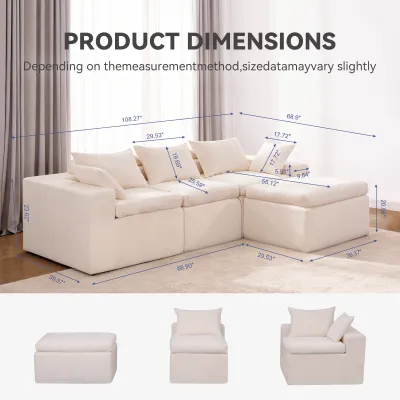

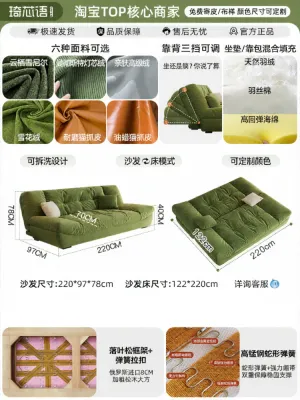
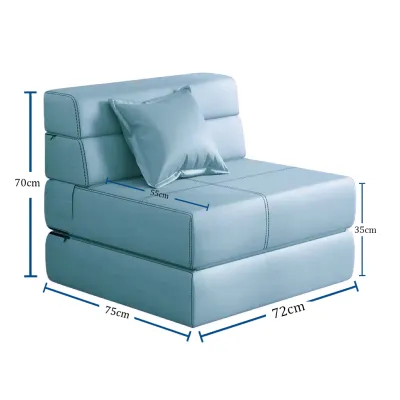
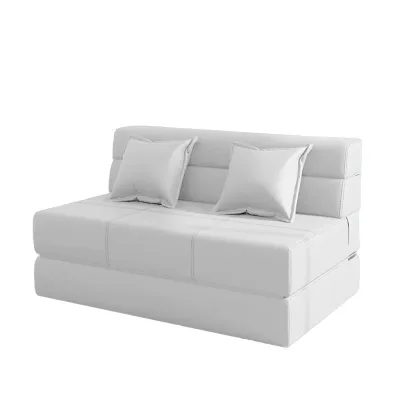
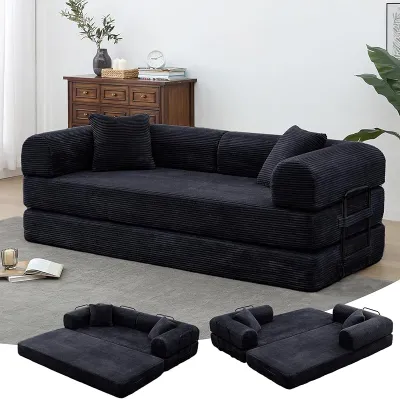
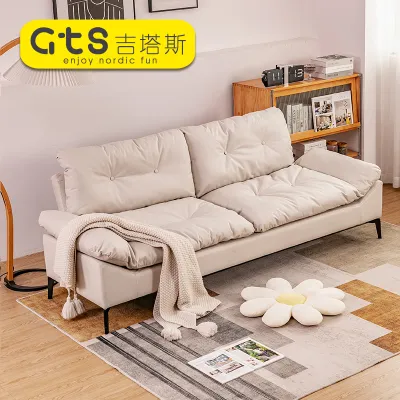
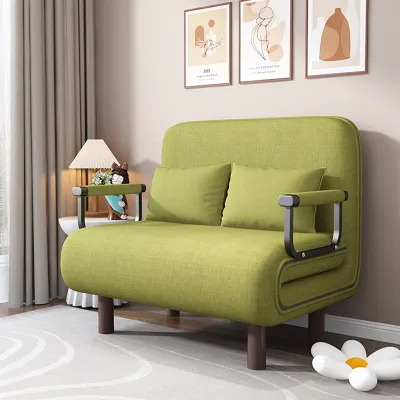
Prices are valid at publication and may change. Please refer to the product page for the latest price.
The foundation of the sofa bed also plays a vital role in its overall visual impact. Japandi style relies heavily on natural materials, particularly light-toned woods like oak, ash, or rubberwood. Look for single cloud sofa beds that feature a subtle, solid wood base or clean, tapered wooden legs that elevate the piece slightly without adding visual clutter. Alternatively, a completely hidden base can create a sleek, floating effect that emphasizes the cloud-like form of the cushions. Whichever style you choose, ensure the base design remains simple, geometric, and free from intricate carvings or metallic finishes.
Space Planning and Sizing for Single Modules
Before committing to a specific single cloud sofa bed, meticulous space planning is essential to preserve the spatial harmony of your living room. A single-module sofa bed is an excellent solution for smaller apartments, townhouses, or study rooms in the Philippines, but its deep, pillowy proportions can easily overwhelm a tight space if not measured correctly. Begin by mapping out the exact footprint of the sofa in both its seated and fully extended bed configurations. Use painter’s tape on your floor to visualize how much physical space the unit will occupy, ensuring there is at least 60 to 70 centimeters of clearance around the extended bed to allow for comfortable walking paths and easy access to adjacent furniture.

Beyond the immediate floor space, you must also evaluate the visual weight of the single cloud module. Because cloud-style furniture is inherently bulky and rounded, it can dominate a room visually even if it fits mathematically. To maintain a minimalist feel, balance the plushness of the sofa bed by leaving ample negative space around it. Avoid crowding the surrounding area with large storage units or heavy decor. Instead, let the sofa bed serve as a singular, comfortable focal point, framed by open space that allows the eye to rest.
Do not overlook the logistics of delivery and installation, which can be particularly challenging in high-rise condominiums or older residential developments. Measure the width and height of all doorways, narrow hallways, stairwells, and elevator cabins that the delivery team must navigate. Single cloud modules are often delivered as large, pre-assembled blocks that cannot be easily disassembled. Verifying these dimensions beforehand against the manufacturer’s packaging specifications will prevent the frustration of a delivery that cannot physically enter your home.
Evaluating Materials and Upholstery for Natural Aesthetics
The choice of upholstery fabric and cushion fill directly impacts both the aesthetic appeal and the daily usability of your single cloud sofa bed. In the tropical climate of the Philippines, where high humidity and warm temperatures are year-round realities, fabric selection requires careful consideration. While pure linen and cotton are the traditional darlings of Japandi design due to their beautiful, slubby textures and natural breathability, they can be prone to moisture absorption, wrinkling, and staining. For a more practical approach, look for high-performance synthetic blends, such as polyester-linen or cotton-polyester mixes. These fabrics offer the organic, tactile look of natural fibers while providing enhanced durability, stain resistance, and ease of cleaning.
The interior construction of the cushions is what truly defines the “cloud” experience, but it must be balanced with structural support to function effectively as a bed. A sofa bed that is too soft will cause you to sink uncomfortably to the frame, leading to back pain over time. Look for multi-layer cushion specifications that combine a supportive core with a plush top layer. A high-density polyurethane foam base or a pocket-spring system provides the necessary structural integrity and weight distribution, while a top wrap of down, feathers, or high-loft synthetic fiber down-alternatives delivers that signature, sink-in softness.
Hygiene and maintenance are also paramount when selecting materials for a high-use piece of furniture. Because a sofa bed is used for both lounging and sleeping, it is highly susceptible to sweat, dust, and spills. Prioritize designs that feature fully removable and washable covers. Being able to unzip the covers and wash them according to the manufacturer’s instructions makes it significantly easier to keep your living room smelling fresh and looking pristine, protecting your investment from the inevitable wear and tear of daily tropical living.
Building Your Shortlist: Key Evaluation Criteria
When you begin searching online marketplaces, local furniture boutiques, or digital catalogs, having a structured checklist will help you filter out low-quality options and make an informed decision. Start by examining the structural specifications of the frame. A durable sofa bed requires a robust foundation; look for frames constructed from kiln-dried hardwood, such as rubberwood, mahogany, or sustainably sourced acacia. Kiln-drying removes moisture from the wood, preventing it from warping or cracking in the humid Philippine climate. Avoid frames made entirely of cheap particleboard or thin metal tubes, which can bend or squeak under regular use.
Next, evaluate the conversion mechanism that transforms the sofa into a bed. The mechanism should be smooth, intuitive, and manageable for a single person to operate without excessive physical strain. Common designs include click-clack systems, pull-out drawers, or simple fold-out cushions. Check whether the product description or user manual indicates that professional assembly is required, or if the unit arrives fully assembled. If you plan to move the sofa bed between rooms in the future, a modular design that can be easily unlinked or transported in smaller sections is highly advantageous.
Finally, protect your purchase by thoroughly reviewing the retailer’s policies and customer feedback. Look for clear information regarding warranty coverage, specifically focusing on frame structural integrity and cushion resilience. When browsing online platforms, compare options within your budget in ₱ and read customer reviews. Look past the initial high ratings and search for specific mentions of long-term performance. Pay close attention to comments regarding fabric pilling, seam durability, and whether the cushions maintain their loft or begin to sag after a few months of use. This real-world feedback is invaluable for verifying the quality of a product before you commit to a purchase.
Styling and Integrating the Sofa Bed into Your Space
Once your single cloud sofa bed is in place, styling it thoughtfully will help it blend seamlessly into your existing Japandi living room. The key is to complement its soft, rounded form with contrasting textures and structured elements. Pair the sofa bed with a low-profile wooden coffee table or an organic-shaped side table crafted from light oak or teak. The clean, hard lines of the wooden furniture will provide a beautiful visual counterpoint to the pillowy softness of the cloud module, creating a balanced and harmonious composition.
To enhance the comfort of the sofa bed without introducing visual clutter, select a few high-quality throw pillows and blankets. Stick to a neutral color palette, but play with different textures to create depth. For example, pair a smooth linen pillow with a chunky knit throw blanket in a slightly darker shade of warm gray or terracotta. This adds warmth and tactile interest while keeping the overall look clean and intentional. Avoid over-accessorizing; one or two well-placed pillows are sufficient for a single-module sofa.
Lastly, always respect the core minimalist philosophy of Japandi design by maintaining negative space around the sofa bed. Resist the temptation to fill every empty corner of the room with decorative objects, plants, or side tables. Leaving open space around the sofa bed not only highlights its beautiful design but also fosters a sense of calm and tranquility. This mindful arrangement ensures that your living room remains a peaceful, uncluttered retreat where you can truly unwind.
Frequently Asked Questions (FAQ)
Can a cloud sofa bed provide enough support for daily sleeping?
While a cloud sofa bed is exceptionally comfortable for lounging and occasional overnight guests, using it for daily sleeping requires careful evaluation of its internal support structure. Standard cloud cushions are designed for maximum softness, which often means they lack the firm spinal alignment needed for long-term, daily sleep. If you intend to use the single module as your primary bed, look for models that feature a high-density foam core (at least 30 kg/m³) or an integrated pocket-spring mattress rather than pure down or fiber fill. Reading user reviews that specifically mention daily sleeping comfort, edge support, and the transition mechanism will help you verify if a particular model can withstand the demands of nightly use without causing physical discomfort.
How do I clean natural linen upholstery without damaging it?
Cleaning natural linen upholstery requires a gentle touch to preserve its organic texture and prevent shrinkage or discoloration. Always begin by checking the manufacturer’s care label for specific cleaning codes and instructions. For regular maintenance, vacuum the upholstery weekly using a soft brush attachment to remove dust and debris before they settle into the fibers. If a spill occurs, blot the area immediately with a clean, dry white cloth—never rub or scrub, as this can push the stain deeper and damage the linen fibers. For spot cleaning, use a mild, pH-neutral detergent diluted in water, testing it first on an inconspicuous area. If the stain is deep or widespread, it is best to avoid DIY chemical treatments and consult a professional upholstery cleaning service to ensure the fabric is safely restored.
Community discussion
Share your experience or ask a question. Comments are reviewed before publication.