
Finding the perfect slim table to sit beside your bed requires balancing space-saving dimensions with modern power and storage needs. In compact urban bedrooms, such as high-rise condominiums in Metro Manila or Cebu, maximizing every square centimeter of floor space is essential for maintaining a comfortable, uncluttered environment. A well-designed bedside unit does more than just hold a nighttime book; it acts as a centralized hub for charging your daily devices while keeping personal essentials within arm’s reach. By evaluating precise physical dimensions, safe electrical configurations, and climate-resilient materials, you can select a piece of furniture that seamlessly integrates into your daily routine.
Assess Your Space and Size Constraints for a Slim Table
Before browsing designs, you must establish the exact physical boundaries of your bedside area. Begin by measuring the width of the gap between the edge of your mattress and the nearest wall or obstacle, such as a wardrobe door, a window frame, or a curtain drape. Be sure to account for any baseboards or electrical outlets that protrude from the wall, as these can easily push your furniture forward by one to two centimeters, reducing your actual clearance. Ideally, you should maintain a clearance of at least 50 to 60 centimeters in walking paths to prevent bumped shins and restricted movement.
Delivery access is another critical factor that is often overlooked. Even if a bedside table is labeled as “slim,” you must verify whether it arrives fully assembled or as a flat pack. If the unit is pre-assembled, measure the narrowest points of your entry route, including condominium elevator doors, narrow stairwells, and bedroom door frames. Compare these measurements against the finished diagonal width and height of the table to ensure a hassle-free delivery. For flat-pack units, check the dimensions of the shipping boxes to confirm they can be easily transported through your home.
Products mentioned in this guide

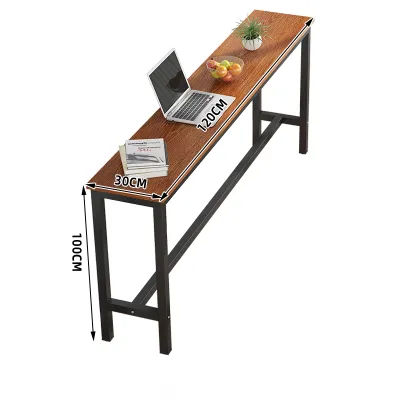
Prices are valid at publication and may change. Please refer to the product page for the latest price.
Finally, consider the visual weight and practical surface area of the table. A very narrow, tall nightstand can look visually heavy and unstable if it features solid, dark panels down to the floor. To maintain an airy feel in a small bedroom, look for slim designs with open metal frames or raised legs. At the same time, ensure the tabletop provides enough surface area to hold your nighttime essentials, such as a small reading lamp, a glass of water, and your spectacles, without crowding the built-in charging area.
Evaluate Built-In Charging Capabilities
An integrated power station is highly convenient, but its utility depends entirely on the specifications of the charging module. When reviewing options, identify the types of ports provided. Modern setups typically include a combination of USB-A ports for older accessories, USB-C ports for newer smartphones and tablets, and sometimes a wireless Qi charging pad integrated directly into the tabletop surface. Do not rely on marketing descriptions alone; check the manufacturer’s technical label for the exact power output, measured in watts (W) or amperes (A). Standard, low-cost USB ports often output only 5W (5V/1A), which will charge modern devices very slowly. For efficient charging, look for ports that support fast-charging standards with an output of at least 18W to 30W.

Cable management is equally important for maintaining a clean aesthetic and preventing hazardous tangles. High-quality bedside tables feature integrated cord channels, back-panel cutouts, or recessed power strips that keep cables organized and hidden from view. A recessed power strip on the tabletop or inside an open compartment prevents plugs from sticking out awkwardly, allowing you to push the table closer to the wall. This design also protects the plugs from dust accumulation and accidental liquid spills.
Electrical safety must be a primary consideration when choosing furniture with integrated electronics. Because the table will be positioned close to your bed and bedding materials, always verify that the power supply unit complies with local safety standards. Look for official compliance marks on the electrical components, such as the Philippine Standard (PS) mark or the Import Commodity Clearance (ICC) sticker, or international certifications like UL, CE, or FCC. Ensure the unit includes built-in surge protection to shield your expensive devices from voltage fluctuations, which are common during tropical storms and power interruptions. The power cord should also be heavy-duty, properly grounded, and long enough to reach your wall outlet without being stretched taut.
Analyze Storage Configurations for Daily Needs
Drawers vs. Open Shelves
Choosing between drawers and open shelves depends on your organizational habits and the local environment. Drawers are highly effective for concealing daily clutter, protecting personal items from settling dust, and securing small valuables. In highly humid tropical climates, however, tightly closed drawers can trap moisture and develop musty odors. If you choose a model with drawers, ensure the interior surfaces are fully sealed or painted, and consider placing small silica gel packets inside to absorb excess moisture.
Open shelves, on the other hand, provide immediate access to items you grab frequently, such as books, tablets, or a tissue box. They also contribute to a lighter visual profile, making a small bedroom feel more spacious. The trade-off is that open shelves expose your items to dust, requiring more frequent cleaning and wiping, especially if you live near busy urban roads or keep your windows open for natural ventilation.
Weight Capacity and Hardware Quality
Because slim furniture has a narrow base of support, checking the structural limits of the storage components is vital. Always refer to the manufacturer’s specified weight capacities for both the top surface and the individual drawers or shelves. Overloading a narrow table can cause the frame to sag, warp, or even tip over when a drawer is fully extended. A typical slim nightstand should support at least 10 to 15 kilograms on the tabletop and 3 to 5 kilograms per drawer.
Inspect the quality of the drawer hardware, as poor-quality glides can ruin the user experience. Look for smooth, metal ball-bearing drawer runners rather than simple plastic slides or raw wooden grooves. In a lightweight, narrow table, pulling a sticky or stiff drawer can cause the entire unit to slide across the floor or tip forward. High-quality glides allow the drawer to open with minimal effort, ensuring the table remains stable during use.
Check Material, Stability, and Safety Features
Slim, tall furniture inherently carries a higher risk of instability due to its elevated center of gravity and narrow footprint. To mitigate this risk, check if the manufacturer includes an anti-tip kit or wall-anchoring hardware. Anchoring the table to the wall is a mandatory safety measure if you have young children or active pets who might pull on open drawers or climb on the lower shelves. Even in households without children, anchoring provides peace of mind by preventing accidental tipping if the table is bumped in the dark.
In the Philippines, the tropical climate presents unique challenges for furniture preservation. High relative humidity, seasonal rains, and accidental water spills from bedside glasses can quickly damage low-grade materials. A material name alone does not guarantee performance; instead, you must inspect the protective finish, joint construction, and edge sealing. If you select a table made of engineered wood, such as MDF or particleboard, ensure it features a thick melamine laminate or a water-resistant veneer with fully sealed PVC edge banding. Unsealed edges will absorb airborne moisture, causing the panels to swell, warp, and crumble over time. For solid wood options, verify that the surface has been treated with a moisture-resistant polyurethane or lacquer finish that can be easily wiped dry.
Finally, pay close attention to the edge finishing of the table. In a tight bedside space, sharp 90-degree corners pose a constant hazard to your knees and shins, especially when navigating the room in low light. Look for designs with rounded corners, chamfered edges, or smooth protective banding to minimize the risk of painful bumps and minor injuries.
Your Step-by-Step Selection Checklist
To make a confident purchase, follow this systematic validation method before finalizing your order online or in-store:
- Step 1: Verify Physical Dimensions
Measure your available bedside width, depth, and height, factoring in baseboards, wall outlets, and door swings. Confirm that the delivery box or assembled unit can clear your doors, hallways, and elevator. - Step 2: Inspect the Charging Module
Check the physical label on the charging unit to confirm port types (prioritizing USB-C) and verify that the power output is sufficient (at least 18W for fast charging). Ensure the power cord is grounded and carries valid safety certification marks. - Step 3: Match Storage to Daily Habits
Decide between dust-protecting drawers or quick-access open shelves. Verify that the manufacturer's stated weight capacities match your storage needs, and ensure the drawer glides operate smoothly without sticking. - Step 4: Assess Stability and Climate Resistance
Confirm that the package includes wall-anchoring hardware to prevent tipping. Inspect the surface finish and edge banding to ensure the materials can withstand high humidity and accidental liquid spills. - Step 5: Review Warranty and Return Policies
Read the retailer's terms carefully, paying specific attention to the warranty coverage period for electronic components, which often differs from the structural warranty of the wooden frame.
Frequently Asked Questions (FAQ)
Can I replace the built-in charging module if it stops working?
Whether you can replace the charging module depends entirely on how the manufacturer designed the furniture. Some slim bedside tables use standard, detachable power strips or modular USB hubs that are secured with basic screws and can be easily swapped out with off-the-shelf replacements. Other models feature hardwired electronic circuits that are permanently embedded or glued into the wood or MDF panels. For these integrated designs, replacing a failed module is extremely difficult without damaging the furniture. Always consult the product manual or contact the seller before purchasing to ask if replacement electronic parts are available.
Do slim bedside tables with drawers tend to tip over?
Yes, slim bedside tables with drawers carry a higher risk of tipping over compared to wider, heavier units. When you fully extend a loaded drawer, the weight shifts forward, moving the center of gravity outside the table’s narrow base of support. This risk increases if multiple drawers are opened simultaneously or if heavy items are placed near the front of the drawer. To prevent accidents, you should always install the included anti-tip wall-anchoring hardware, distribute weight evenly by placing heavier items at the bottom, and avoid opening more than one drawer at a time.
Community discussion
Share your experience or ask a question. Comments are reviewed before publication.