
To create an inviting home reading corner in a compact space, selecting a small chair plastic design works exceptionally well when paired with the right ergonomic shape and breathable textiles. While plastic is often dismissed as purely utilitarian, its resistance to tropical humidity and its lightweight portability make it an ideal base for a cozy nook. By selecting a molded, contoured shell and styling it with soft, climate-conscious accents, you can easily establish a comfortable, budget-friendly retreat that stands up to daily use.
Why Choose a Small Plastic Chair for a Reading Nook?
In tropical climates, indoor furniture faces unique environmental challenges. High relative humidity can warp solid wood frames over time, while moisture-trapping fabrics on heavy upholstered armchairs can develop musty odors, mildew, or mold. A small plastic chair naturally resists these issues, offering a completely waterproof and non-porous structure that remains immune to common household pests like termites.
Additionally, the lightweight nature of plastic allows you to easily reposition your reading corner whenever you want. You can chase the best natural light near a window in the morning or slide the chair closer to an electric fan or air conditioning unit during warm afternoons. This mobility is highly practical for multi-functional rooms where spaces must be rearranged quickly.
Products mentioned in this guide
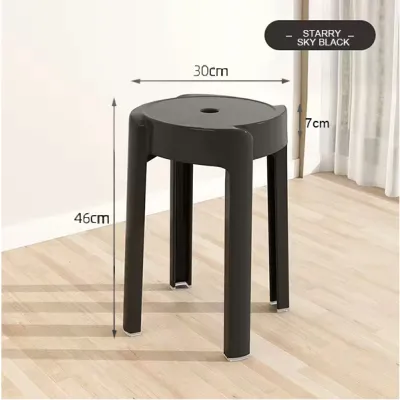
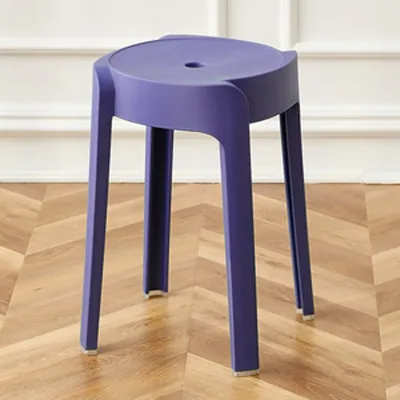
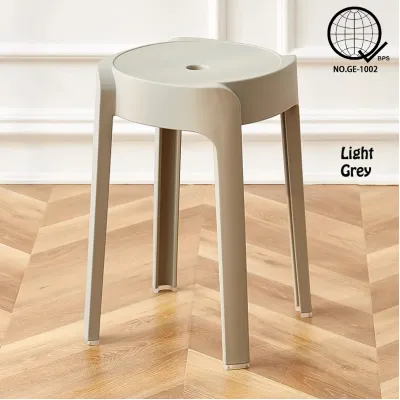

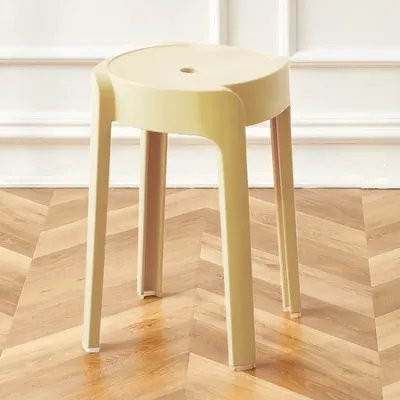
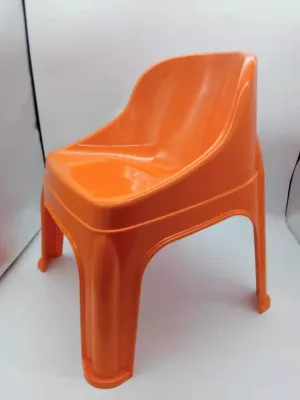
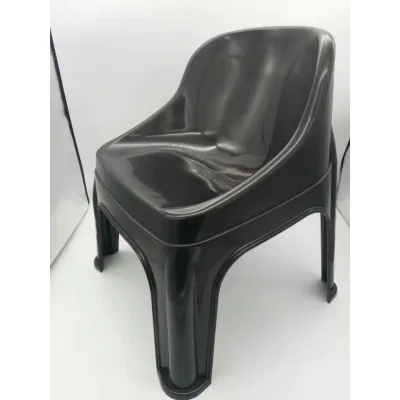
Prices are valid at publication and may change. Please refer to the product page for the latest price.
However, plastic does present a distinct comfort hurdle that you must address. The material is inherently rigid and non-breathable, which can lead to a sticky, warm sensation against the skin during hot days. To overcome this, you must look beyond basic flat plastic stools and focus on advanced molded silhouettes while planning to layer breathable textiles.
Essential Features of a Small Chair Plastic Model for Comfort and Space
Ergonomic Support for Long Sessions
To read comfortably for hours, your body requires continuous physical support that prevents slouching. Look for a molded plastic chair featuring a gentle backward recline that naturally distributes your body weight across the seat and backrest. Integrated armrests are highly beneficial, as they support your elbows and reduce strain on your shoulders and neck while you hold a book or e-reader.

When evaluating a potential chair, check the seat depth and backrest height. A seat that is too deep can cut off circulation behind your knees, while a backrest that is too upright will force a stiff posture that quickly leads to fatigue. Look for a gentle curve at the lower portion of the backrest to provide basic lumbar support.
One-piece molded bucket chairs or shell designs are generally superior to flat-backed utility chairs. These curved structures wrap slightly around your body, mimicking the cradling effect of traditional upholstered furniture without the bulky footprint or heat-retention issues. This structural shape helps keep your spine aligned during extended reading sessions.
Footprint and Visual Weight
In small homes or modern condominium units, floor space is at a premium. An ideal reading chair must fit comfortably into a corner without blocking walkways or making the room feel congested. Armless plastic chairs or those with very slender, tapered metal or wooden legs help minimize the physical footprint.
Visual weight is just as important as physical dimensions when designing a cozy corner. A solid, blocky armchair blocks the flow of light and makes a small room feel smaller. In contrast, a plastic chair with a thin profile, open-back details, or wire-style legs allows light to pass through, maintaining an airy and spacious atmosphere.
Before purchasing, measure your designated corner carefully and compare these measurements against the chair’s finished dimensions. Ensure you have enough clearance for your shoulders and legs when sitting. Additionally, double-check your doorway and hallway widths to guarantee easy delivery and placement.
Styling Your Plastic Chair for a Cozy Atmosphere
Softening the Seat with Textiles
The secret to transforming a hard plastic shell into a cozy reading retreat lies in strategic layering. Start by adding a high-density foam seat cushion to relieve pressure points on your tailbone. To prevent the cushion from sliding around on the smooth plastic surface, choose one with a non-slip rubberized backing or integrated fabric ties that secure directly to the chair’s frame.
Because of the local climate, fabric selection is critical for maintaining comfort. Avoid synthetic materials like polyester or vinyl for your cushion covers, as they trap heat and cause sweating. Instead, opt for highly breathable, natural textiles such as cotton canvas, linen, or bamboo-derived blends that remain cool to the touch.
A small, supportive lumbar pillow wrapped in a textured cotton cover can offer extra lower-back support. You can also drape a lightweight, breathable cotton throw blanket over the backrest to soften the cold look of the plastic and add a touch of welcoming texture to your setup.
Pairing with Reading Nook Essentials
A chair alone does not make a reading corner; it requires a supportive ecosystem. Pair your plastic chair with a compact, lightweight side table or a sturdy wooden stool. This surface should be just tall enough to keep your book, reading glasses, and a refreshing drink within arm’s reach without requiring you to stretch or bend.
Lighting is crucial for preventing eye strain during late-night reading sessions. Position your chair near a window to maximize daytime natural light, but add a dedicated floor lamp with an adjustable neck for evening use. Ensure the light source is positioned slightly behind and to the side of your shoulder to cast glare-free illumination directly onto your pages.
Finally, place a small, textured area rug—such as a woven jute or low-pile cotton mat—beneath the chair. This rug serves a dual purpose: it visually anchors the reading nook as a distinct zone within your room, and it provides a soft, warm surface for your bare feet. The rug also helps protect your flooring from potential scuffs.
Caring for Plastic Furniture in Humid Environments
Maintaining a plastic chair in a humid environment is remarkably straightforward, but it requires a gentle touch. For routine cleaning, wipe the entire surface of the chair once a week with a damp microfiber cloth and a mild soap solution. This easily removes accumulated dust, household oils, and sweat before they can bond with the plastic and cause dullness.
While plastic is highly durable, prolonged exposure to direct sunlight can degrade the material. Ultraviolet (UV) rays break down plastic polymers over time, leading to fading, discoloration, and structural brittleness. Position your reading corner away from windows that receive intense, unfiltered afternoon sun, or use sheer curtains to diffuse the light.
Always check the manufacturer’s care instructions before applying any commercial cleaning sprays or chemical solvents. Avoid using abrasive scrubbing pads, steel wool, or harsh scouring powders, as these will create microscopic scratches on the smooth plastic finish. These tiny scratches not only ruin the look of the chair but also trap dirt and moisture, making future cleaning much more difficult.
Frequently Asked Questions (FAQ)
Can a plastic chair be comfortable enough for reading a whole book?
Yes, a plastic chair can easily provide enough comfort for long reading sessions if you choose an ergonomically molded shape and add high-quality accessories. While the raw material lacks the plushness of a traditional sofa, a contoured shell supports your spine’s natural curves. When styled with a high-density foam seat cushion, a supportive lumbar pillow, and breathable cotton textiles, the setup prevents physical fatigue. Taking brief stretch breaks every hour will also help maintain comfort during extended reading sessions.
How do I stop a lightweight plastic chair from sliding on smooth floors?
Lightweight plastic chairs can easily slide on polished tile, hardwood, or laminate flooring when you sit down or stand up. To prevent this, apply self-adhesive rubber pads or silicone floor protectors to the bottom of each chair leg. Alternatively, placing a small textured area rug or a non-slip rug pad directly under the chair will securely anchor the legs in place while protecting your floors from scratches.
Community discussion
Share your experience or ask a question. Comments are reviewed before publication.